 English



Accurate High Voltage Digital Insulation Tester | Reliable Results
Industry Trends and the Imperative for Advanced Electrical Testing
In the rapidly evolving landscape of industrial infrastructure, the integrity of electrical systems is paramount. From power generation and transmission to heavy manufacturing and advanced automation, reliable insulation is the cornerstone of operational safety and efficiency. This critical demand drives the continuous innovation in diagnostic tools, particularly the high voltage digital insulation tester. Modern industry trends underscore a shift towards predictive maintenance, digitalization of test procedures, and enhanced safety protocols, all of which necessitate more sophisticated, accurate, and user-friendly testing equipment.
Key trends include the increasing integration of smart grid technologies, the proliferation of renewable energy sources, and the stringent regulatory requirements for electrical safety in diverse sectors like petrochemicals, metallurgy, and water treatment. These developments amplify the need for precise and reliable tools capable of assessing insulation degradation proactively. A high resistance tester is no longer merely a fault detection device; it is a vital component of an overall asset management strategy, designed to prevent catastrophic failures, reduce downtime, and optimize operational costs. The transition from analog to digital measurement has ushered in unprecedented levels of accuracy, data logging capabilities, and ease of use, making the modern insulation resistance tester an indispensable asset for engineers and maintenance professionals.
The market is experiencing a surge in demand for instruments that can perform comprehensive diagnostic tests on critical electrical assets, ensuring their longevity and adherence to safety standards. This demand is further fueled by the aging electrical infrastructure globally, where regular, accurate testing can extend asset life and defer costly replacements. The focus has moved beyond basic resistance measurement to include features like polarization index (PI), dielectric absorption ratio (DAR), and step voltage tests, providing a more complete picture of insulation health.
Technical Specifications: Unpacking the PS-3420 High Voltage Insulation Resistance Tester
Understanding the core technical parameters of a high voltage digital insulation tester is crucial for selecting the right equipment for specific applications. The PS-3420 High Voltage Insulation Resistance Tester, for instance, represents the pinnacle of modern electrical test equipment, engineered for precision, reliability, and safety across a broad spectrum of industrial requirements. Its design integrates advanced digital processing with robust hardware to deliver accurate measurements under challenging conditions.
Key performance indicators for an effective high voltage digital insulation tester include its testing voltage range, resistance measurement capacity, accuracy, and various diagnostic functions. These parameters dictate the instrument's suitability for different types of equipment, from low-voltage motors to high-voltage transformers and switchgear. Safety features, environmental ratings, and data management capabilities are equally important considerations for B2B decision-makers and field engineers.
Product Specification Table: PS-3420 High Voltage Insulation Resistance Tester
| Parameter | Specification (PS-3420) |
|---|---|
| Test Voltage Range | 500V to 10kV (selectable steps) |
| Insulation Resistance Range | Up to 2TΩ (Teraohms) |
| Accuracy | ±(5% of reading + 3 digits) |
| Measurement Functions | IR, PI, DAR, DD, Step Voltage, Ramp Test, Capacitance, Leakage Current |
| Display | Large LCD with backlight |
| Data Storage | Up to 1000 test results with date/time stamp |
| Interface | USB for PC connectivity and data export |
| Safety Standards | IEC 61010-1, CAT IV 600V |
| Power Supply | Rechargeable Li-ion battery, AC mains adapter |
| Dimensions / Weight | Compact, portable design / Approx. 3.5 kg |
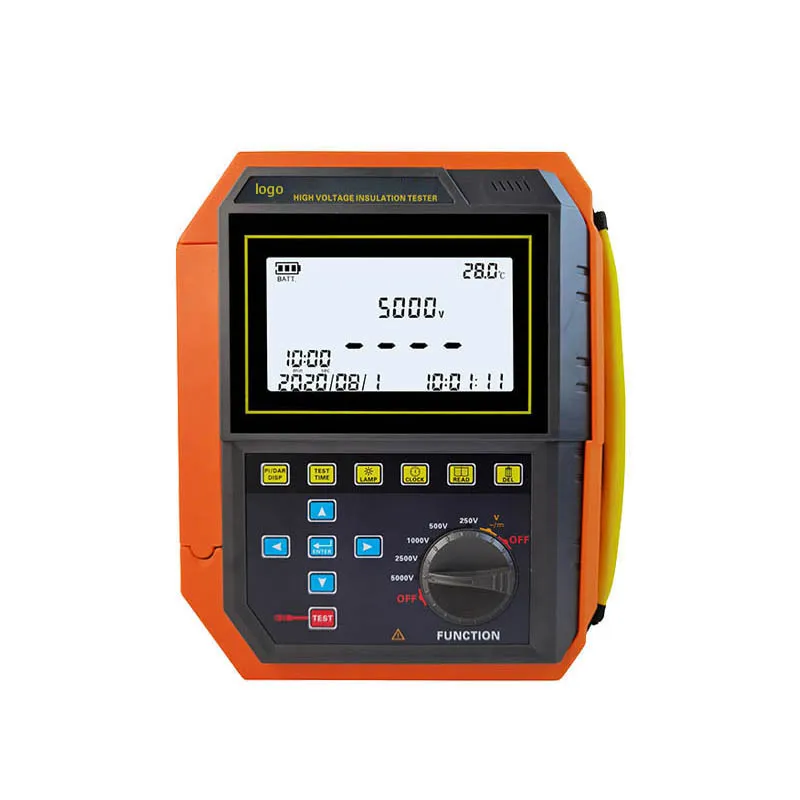
These specifications enable the PS-3420 to perform comprehensive diagnostic assessments, making it an ideal `resistance tester electrical` for crucial asset management. The wide voltage range and high resistance measurement capability ensure its applicability across a diverse range of equipment, from medium voltage cables to large power transformers.
Precision Engineering: The Manufacturing Process of a High Voltage Digital Insulation Tester
The creation of a reliable high voltage digital insulation tester is a testament to precision engineering, robust material science, and stringent quality control. The manufacturing process is meticulously designed to ensure each unit delivers consistent performance, accuracy, and durability in demanding industrial environments. It typically follows a multi-stage process, integrating advanced techniques and adherence to international standards.
Schematic Manufacturing Steps:
-
Component Sourcing and Quality Inspection:
High-grade electronic components (microcontrollers, ADCs, high-voltage relays, precision resistors) and robust enclosure materials (e.g., impact-resistant ABS, reinforced polymers) are sourced from certified suppliers. Incoming materials undergo rigorous inspection to meet specifications like MIL-STD-883 for electronic components and ASTM D638 for polymer strength.
-
Printed Circuit Board (PCB) Assembly:
Automated Surface Mount Technology (SMT) and Through-Hole Technology (THT) are used for precise placement and soldering of electronic components. This stage includes automated optical inspection (AOI) to detect defects, ensuring the integrity of the high-voltage generation and measurement circuits. Specialized insulation materials are used within the PCB design to prevent arcing and ensure high voltage stability.
-
Enclosure Fabrication and Mechanical Assembly:
The protective casing, often manufactured using injection molding for complex shapes, provides protection against environmental factors and mechanical stress. CNC machining is employed for precise cuts and finishes, ensuring exact fit for displays, ports, and controls. The robust design contributes to the instrument's corrosion resistance and extended service life, particularly in harsh industrial settings like petrochemical plants or offshore facilities.
-
High-Voltage Module Integration and Calibration:
The critical high-voltage generation unit is integrated and meticulously calibrated using traceable reference standards. This phase is critical for ensuring the accuracy of the `insulation resistance tester` across its entire voltage and resistance range. Calibration is performed in controlled environments adhering to ISO 17025 guidelines.
-
Firmware Loading and Functional Testing:
Proprietary firmware is loaded, and comprehensive functional tests are conducted. This includes verifying all measurement modes (IR, PI, DAR), data logging, communication interfaces, and user interface responsiveness. Every aspect of the high voltage digital insulation tester is checked against design specifications.
-
Environmental and Durability Testing:
Units undergo stress testing, including temperature cycling, humidity tests, vibration tests, and electromagnetic compatibility (EMC) tests (e.g., IEC 61326). These tests ensure the device's reliability and longevity, often exceeding a 10-year service life under normal operating conditions, and its ability to maintain accuracy in challenging industrial environments.
-
Final Quality Assurance and Certification:
Each unit undergoes a final comprehensive quality assurance check before packaging. Products are certified to meet international safety and performance standards such as ISO 9001, ANSI C39.5, and IEC 61010-1 (Safety requirements for electrical equipment for measurement, control and laboratory use).
This rigorous process ensures that the resulting high voltage digital insulation tester not only meets but often exceeds industry expectations for performance, safety, and operational resilience. For industries like petrochemical, metallurgy, and water supply & drainage, the emphasis on corrosion resistance and robust construction means reduced maintenance and enhanced long-term value, contributing indirectly to energy saving by preventing premature equipment failure due to insulation breakdown.
Application Scenarios and Target Industries: Where Performance Matters
The versatility and diagnostic power of a high voltage digital insulation tester make it an indispensable tool across a myriad of industries where electrical integrity is non-negotiable. Its primary function is to quantify the effectiveness of electrical insulation, thereby preventing catastrophic failures, ensuring personnel safety, and maintaining operational continuity. These instruments are fundamental for both commissioning new equipment and performing routine, predictive, or corrective maintenance on existing assets.
Typical Application Scenarios:
- Power Generation, Transmission, and Distribution: Testing insulation of transformers, circuit breakers, generators, power cables, and switchgear. Essential for maintaining grid stability and preventing blackouts.
- Industrial Plants: Assessing motors, generators, wiring, and control panels in manufacturing facilities, ensuring reliable operation and preventing production downtime.
- Petrochemical Facilities: Critical for explosion-proof electrical equipment and systems where a single spark due to insulation failure can have dire consequences. The robust construction of a `high resistance tester` ensures its durability in corrosive environments.
- Mining Operations: Ensuring the safety of electrical equipment in harsh, underground environments where moisture and dust can rapidly degrade insulation.
- Water Supply & Drainage Systems: Testing pumps, motors, and control systems crucial for water treatment and distribution, where continuous operation is vital and damp environments are common. The ability to perform precise measurements in such conditions highlights the value of a quality `resistance tester electrical`.
- Railway Systems: Inspecting traction motors, signal systems, and overhead lines to ensure safety and continuous operation of rail transport.
- Renewable Energy Installations: Validating insulation on wind turbine generators, solar panel arrays, and associated cabling, which are often exposed to extreme weather conditions.
Advantages in Typical Scenarios:
- Energy Saving: By accurately identifying degraded insulation, these testers enable timely repairs, preventing current leakage that can lead to significant energy losses over time. A healthy electrical system operates more efficiently, reducing utility costs and carbon footprint.
- Corrosion Resistance and Durability: In industries like petrochemical and water supply & drainage, equipment is often exposed to corrosive chemicals, high humidity, and extreme temperatures. Advanced high voltage digital insulation tester are built with rugged enclosures and sealed components, ensuring long-term reliability and accurate measurements even in challenging atmospheres. This durability translates directly into a longer service life for the testing equipment itself and provides reliable data for maintaining other critical assets.
- Enhanced Safety: Detecting insulation weaknesses before they escalate into faults is critical for preventing electrical shocks, fires, and explosions. The advanced safety features of modern testers protect both the operator and the equipment under test.
- Predictive Maintenance: The ability to trend insulation resistance over time allows engineers to forecast potential failures, enabling scheduled maintenance rather than reactive repairs, which significantly reduces downtime and maintenance costs.
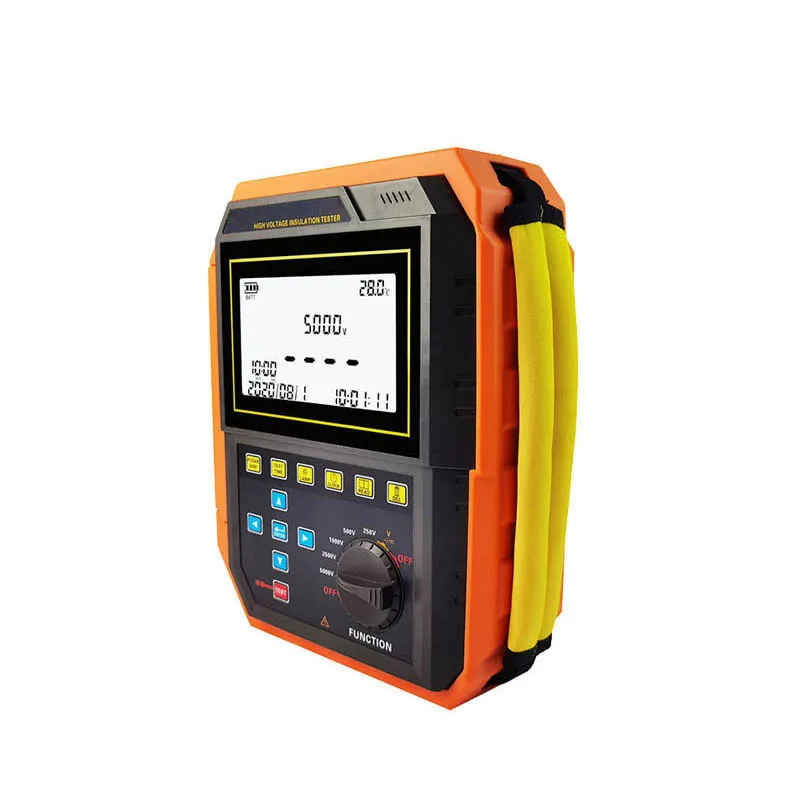
These comprehensive capabilities cement the high voltage digital insulation tester as an indispensable diagnostic instrument, crucial for ensuring operational safety, efficiency, and longevity of critical electrical infrastructure across a vast array of industrial sectors.
Technical Advantages and Market Differentiators
In a competitive market, the technical advantages of a high voltage digital insulation tester are what set leading products apart. Beyond basic resistance measurement, modern devices offer a suite of advanced features designed to provide a comprehensive analysis of insulation health, enhance user experience, and ensure compliance with the most rigorous safety standards.
Key Technical Advantages:
- Advanced Diagnostic Functions: Beyond standard Insulation Resistance (IR) tests, devices like the PS-3420 include Polarization Index (PI) and Dielectric Absorption Ratio (DAR) measurements, which provide insights into insulation quality and moisture content, crucial for older or compromised insulation systems. Dielectric Discharge (DD) and Step Voltage (SV) tests offer further detailed analysis for critical assets.
- High Accuracy and Resolution: Digital technology allows for significantly higher accuracy and resolution compared to analog counterparts, enabling the detection of subtle changes in insulation resistance that could indicate early degradation. This precision is vital for effective predictive maintenance strategies.
- Broad Measurement Range: The capability to measure resistance up to Teraohms (TΩ) while applying test voltages up to 10kV ensures that the `insulation resistance tester` is suitable for a wide range of electrical apparatus, from low-voltage control circuits to high-voltage power lines.
- Enhanced Safety Features: Modern high voltage digital insulation tester incorporate multiple safety mechanisms, including automatic discharge of capacitive energy, high-voltage warning indicators, and robust overload protection. Compliance with CAT IV safety ratings is essential for safe operation in demanding environments.
- Data Logging and Connectivity: Integrated memory for storing thousands of test results, often with date and time stamps, facilitates trending and historical analysis. USB or Bluetooth connectivity allows for easy data transfer to PCs for reporting and further analysis using dedicated software, streamlining compliance and record-keeping.
- User-Friendly Interface: Large, backlit LCD displays, intuitive menu navigation, and often multilingual support enhance user experience, making complex diagnostic tests accessible to a broader range of technicians.
- Portability and Ruggedness: Designed for field use, these instruments are compact, lightweight, and built to withstand harsh industrial environments, featuring robust casings and protection against dust and moisture (IP ratings).
Vendor Comparison: Choosing the Right High Resistance Tester
When evaluating a `high resistance tester`, B2B buyers consider not only technical specifications but also vendor reputation, after-sales support, and total cost of ownership. While many manufacturers offer viable solutions, distinguishing factors often lie in the details of performance, reliability, and support. The PS-3420 stands out by combining advanced capabilities with a focus on user safety and data integrity.
| Feature | PS-3420 (High-Tier) | Competitor A (Mid-Tier) | Competitor B (Entry-Tier) |
|---|---|---|---|
| Max Test Voltage | 10kV | 5kV | 2.5kV |
| Max Resistance Range | 2TΩ | 1TΩ | 500GΩ |
| Advanced Diagnostic Functions (PI/DAR/DD/SV) | Yes (Full Suite) | Yes (PI/DAR only) | No |
| Safety Rating | CAT IV 600V | CAT III 1000V | CAT III 600V |
| Data Storage/Connectivity | 1000 records, USB | 500 records, USB (Software sold separately) | Limited, no connectivity |
| Build Quality / IP Rating | Rugged, IP65 | Durable, IP54 | Standard, IP40 |
Customized Solutions: Tailoring to Specific Needs
Recognizing that standard offerings may not always meet unique industrial demands, leading providers of high voltage digital insulation tester often offer customized solutions. This can include specialized test leads and probes for unusual configurations, integration with existing asset management software, custom reporting functionalities, or specific calibration protocols for highly sensitive applications. The ability to tailor an `insulation resistance tester` to precise operational requirements provides significant value, ensuring optimal functionality and maximum return on investment for specialized projects or highly regulated industries.
These differentiators underscore the strategic importance of investing in a high-quality, feature-rich high voltage digital insulation tester that not only meets current needs but also provides scalability and reliability for future challenges in electrical infrastructure maintenance.
Application Case Studies: Real-World Impact and Customer Trust
The true measure of a high voltage digital insulation tester lies in its ability to deliver tangible benefits in real-world industrial settings. These case studies demonstrate how advanced testing solutions translate into improved safety, reduced operational costs, and enhanced system reliability for our partners.
Case Study 1: Preventing Downtime in a Large Steel Mill
Client Profile: A major steel manufacturing plant operating heavy-duty machinery, including arc furnaces and rolling mills, where unscheduled downtime can cost millions per hour.
Challenge: Frequent, unexpected failures of high-voltage motor windings and power cables, leading to significant production losses. Existing `resistance tester electrical` were outdated and provided insufficient diagnostic depth.
Solution: The plant implemented the PS-3420 high voltage digital insulation tester as part of its upgraded predictive maintenance program. Technicians regularly performed PI, DAR, and Step Voltage tests on critical motors and power distribution assets.
Result: Within six months, the PS-3420 identified early insulation degradation in two critical motor windings that were nearing failure. Maintenance teams were able to schedule preventive repairs during planned outages, avoiding at least two major unscheduled downtimes. This proactive approach saved the plant an estimated $1.5 million in potential lost production and emergency repair costs. The accuracy of the `insulation resistance tester` proved invaluable.
Case Study 2: Ensuring Grid Reliability for a National Power Utility
Client Profile: A national power utility responsible for maintaining a vast network of substations, transformers, and high-voltage transmission lines across diverse geographical terrains.
Challenge: The utility needed to assess the health of aging transformer insulation to prevent catastrophic failures, which could lead to widespread power outages. Portable and reliable equipment for field use was crucial.
Solution: Field engineers were equipped with the PS-3420 `high resistance tester` for routine inspections of transformers and circuit breakers. The device's portability and advanced diagnostic capabilities, including accurate capacitance and leakage current measurements, allowed for comprehensive on-site analysis.
Result: Over one year, the utility identified several transformers with compromised insulation that posed a high risk of failure. By acting on the data provided by the high voltage digital insulation tester, they were able to prioritize refurbishments and replacements, significantly reducing the risk of major outages. The utility reported a 20% improvement in substation reliability metrics and enhanced public trust due to fewer unplanned service interruptions.
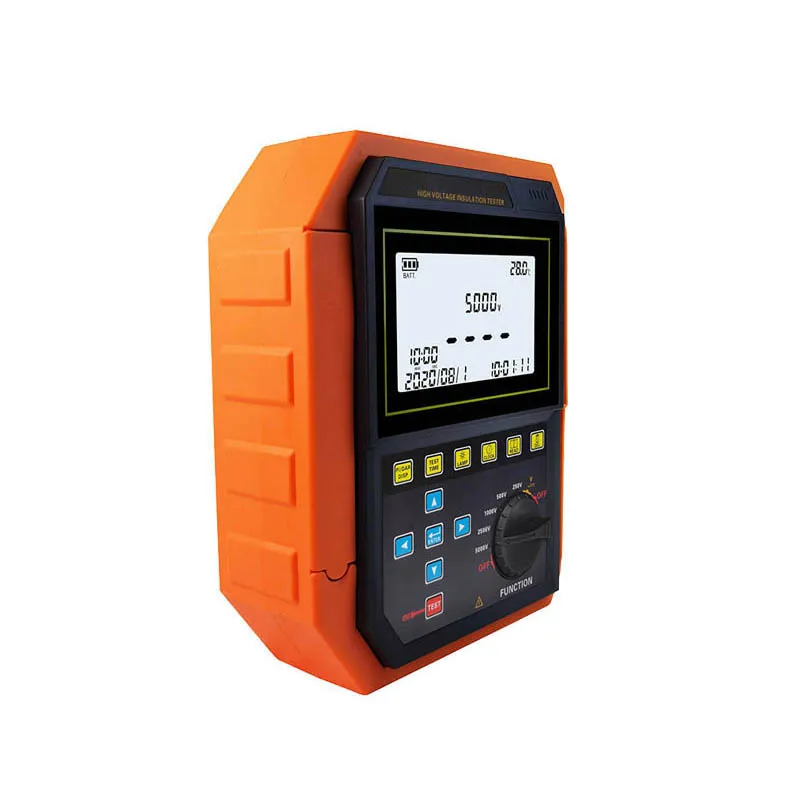
These case studies illustrate the profound impact of investing in a high-quality high voltage digital insulation tester. Through preventative measures enabled by precise diagnostics, companies can achieve substantial operational efficiencies, bolster safety records, and ensure long-term asset integrity.
Ensuring Trust: FAQ, Lead Times, Warranty, and Support
Building long-term partnerships in the B2B sector hinges on transparency, clear commitments, and robust support systems. For critical diagnostic equipment like the high voltage digital insulation tester, these elements are as important as the technical specifications themselves. Our commitment to trustworthiness is reflected in our comprehensive support framework.
Frequently Asked Questions (FAQ):
- Q: What is the primary purpose of a high voltage digital insulation tester?
- A: Its primary purpose is to measure the electrical resistance of insulation materials on electrical equipment, indicating their condition and ability to prevent current leakage. This helps in detecting potential faults before they lead to equipment failure or safety hazards.
- Q: How often should insulation resistance tests be performed?
- A: The frequency depends on the type of equipment, its criticality, operational environment, and regulatory requirements. Typically, critical assets should be tested annually, or as part of a comprehensive predictive maintenance schedule based on trending data from the `high resistance tester`.
- Q: What do PI and DAR measurements tell me?
- A: Polarization Index (PI) and Dielectric Absorption Ratio (DAR) are ratios of insulation resistance measured at different time intervals. They help assess the overall quality of insulation, detect moisture ingress, and indicate the presence of contaminants, providing a more reliable assessment than a single IR reading.
- Q: Is the PS-3420 suitable for outdoor use?
- A: Yes, the PS-3420 is designed with a rugged enclosure and high IP rating (e.g., IP65), making it highly resistant to dust and water ingress, suitable for demanding outdoor and industrial environments, functioning as a reliable `resistance tester electrical`.
Lead Time and Fulfillment:
We understand the critical need for timely equipment delivery. Standard lead times for the PS-3420 `insulation resistance tester` typically range from 2-4 weeks, depending on order volume and current stock levels. For urgent requirements or large-scale deployments, we offer expedited shipping options and work closely with clients to meet their project timelines. Our global logistics network ensures efficient and reliable delivery to your operational sites.
Warranty Commitments:
All PS-3420 high voltage digital insulation tester units come with a standard 2-year manufacturer's warranty, covering defects in materials and workmanship. Extended warranty options are available for purchase, offering up to 5 years of coverage for enhanced peace of mind and long-term investment protection. Our warranty policies are transparent and designed to uphold product quality and customer satisfaction.
Customer Support and After-Sales Services:
Our commitment extends beyond the point of sale. We provide comprehensive after-sales support, including:
- Technical Assistance: A dedicated team of expert engineers is available to assist with product operation, troubleshooting, and application guidance.
- Calibration Services: We offer accredited calibration services to ensure your high voltage digital insulation tester maintains its accuracy and compliance with international standards throughout its service life.
- Repair and Maintenance: Our service centers provide efficient repair and maintenance services, minimizing downtime and extending the life of your equipment.
- Training Programs: We offer customized training programs for your technical teams to maximize their proficiency in using our advanced diagnostic instruments.
Conclusion: The Future of Electrical Asset Integrity
The demand for precise, reliable, and intelligent electrical diagnostic tools continues to grow, driven by industrial advancements and the critical need for operational safety and efficiency. The high voltage digital insulation tester is at the forefront of this evolution, offering capabilities far beyond traditional measurement. By integrating advanced diagnostic functions, robust construction, and comprehensive data management, devices like the PS-3420 empower industries to transition from reactive maintenance to proactive, data-driven asset management strategies.
Investing in a state-of-the-art `insulation resistance tester` is not merely a procurement decision; it is a strategic commitment to enhancing asset longevity, ensuring personnel safety, optimizing energy consumption, and maintaining uninterrupted operations in an increasingly complex electrical landscape. As industries continue to embrace digitalization and smart technologies, the role of these sophisticated instruments will only become more pivotal in safeguarding critical infrastructure globally.
References:
- IEEE Std 43-2000, "Recommended Practice for Testing Insulation Resistance of Rotating Machines."
- IEC 61010-1:2010, "Safety requirements for electrical equipment for measurement, control and laboratory use - Part 1: General requirements."
- ANSI/NETA ATS-2021, "Standard for Acceptance Testing Specifications for Electrical Power Equipment and Systems."
- EPRI Technical Report, "Reliability-Centered Maintenance for Power Plant Components."
-
Find the Best Loop Impedance Tester for Sale and Ensure Electrical SafetyNewsMar.31,2026
-
Comprehensive Guide to Loop Impedance Meter for Electrical SafetyNewsMar.28,2026
-
Understanding and Choosing a Line Impedance Tester for Optimal Network PerformanceNewsMar.26,2026
-
Comprehensive Guide to Line Earth Loop Impedance Test for Electrical SafetyNewsMar.24,2026
-
Comprehensive Guide to Fault Loop Impedance Meter and Electrical SafetyNewsMar.21,2026
-
Comprehensive Guide to External Loop Impedance Test for Electrical SafetyNewsMar.19,2026


