 English



Understanding and Choosing a Line Impedance Tester for Optimal Network Performance
Understanding and Choosing a Line Impedance Tester
In the realm of telecommunications and electrical engineering, maintaining the integrity of transmission lines is paramount. A line impedance tester is a crucial instrument for ensuring optimal signal transmission and preventing costly network disruptions. This article delves into the world of line impedance testing, exploring its importance, applications, types of testers, and what to look for when making a purchase. Ensuring accurate impedance measurements is essential for efficient and reliable network performance. Choosing the right tester can significantly impact troubleshooting speed and the overall quality of your infrastructure.
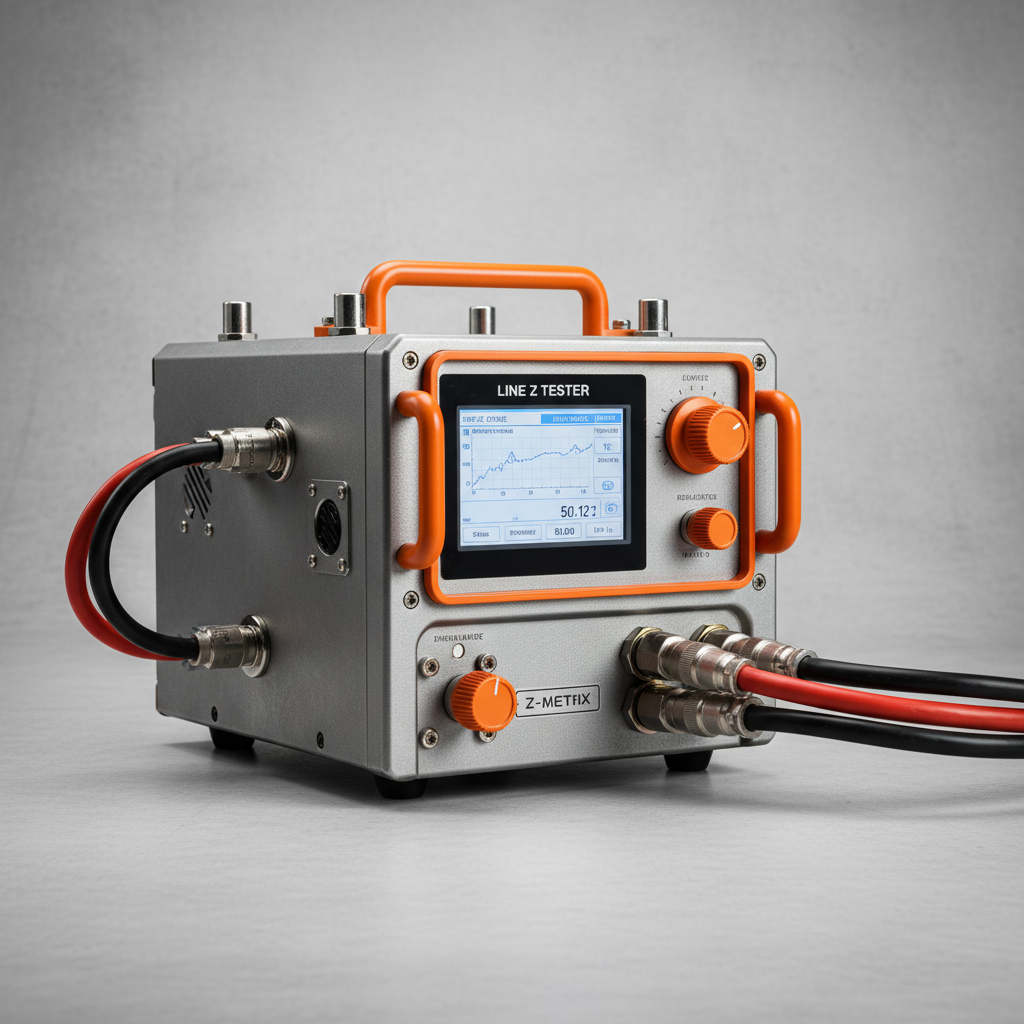
What is a Line Impedance Tester?
A line impedance tester, also known as a cable impedance analyzer, is a device used to measure the characteristic impedance of coaxial cables, twisted pair cables, and other transmission lines. Impedance, measured in ohms, represents the opposition to the flow of alternating current. Maintaining the correct impedance (typically 50 or 75 ohms) is vital for minimizing signal reflections, ensuring efficient power transfer, and preventing signal degradation. Mismatched impedance can lead to signal loss, ghosting, and reduced network performance. Regular testing helps identify faults and maintain network integrity.
Key Benefit: Early detection of impedance mismatches prevents network downtime and costly repairs. Proper impedance matching optimizes signal quality and transmission efficiency.
Applications of Line Impedance Testing
Line impedance testing finds application across numerous industries and scenarios. These include: Telecommunications: Ensuring the integrity of coaxial cables used in cable TV and internet networks. Networking: Verifying the impedance of Ethernet cables (Cat5e, Cat6, etc.) for optimal data transmission. Broadcasting: Maintaining impedance control in RF transmission lines for radio and television broadcasting. Wireless Communications: Testing antenna cables and transmission lines for mobile networks and wireless infrastructure. Aerospace and Defense: Critical for ensuring reliable communication systems in demanding environments. Industrial Automation: Verifying signal integrity in control and automation systems.
Common Use Cases:
• Fault location in cable networks
• Verification of cable installation quality
• Routine maintenance and performance monitoring
• Troubleshooting signal degradation issues
Types of Line Impedance Testers
Several types of line impedance testers are available, each with its own strengths and weaknesses. Time Domain Reflectometers (TDRs): TDRs send a pulse down the cable and analyze the reflections to determine impedance variations and fault locations. They’re excellent for pinpointing the exact location of a problem. Vector Network Analyzers (VNAs): VNAs provide a more comprehensive analysis of impedance over a wide frequency range. They're often used for complex measurements and characterization. Simple Impedance Meters: These are basic devices that provide a single impedance reading. They're suitable for quick checks and basic troubleshooting. Cable Analyzers: A combined tool that can perform impedance testing alongside other cable performance tests like length, wire map, and continuity.
Key Features to Consider When Purchasing
When selecting a line impedance tester, several features should be considered. Frequency Range: Ensure the tester covers the frequency range relevant to your applications. Impedance Range: Verify it accurately measures the impedances you’ll encounter (50 ohms, 75 ohms, etc.). Accuracy: Higher accuracy is critical for precise measurements. Ease of Use: A user-friendly interface is important for efficient operation. Portability: Consider the size and weight if field testing is required. Data Logging and Reporting: The ability to save and analyze data can be invaluable.
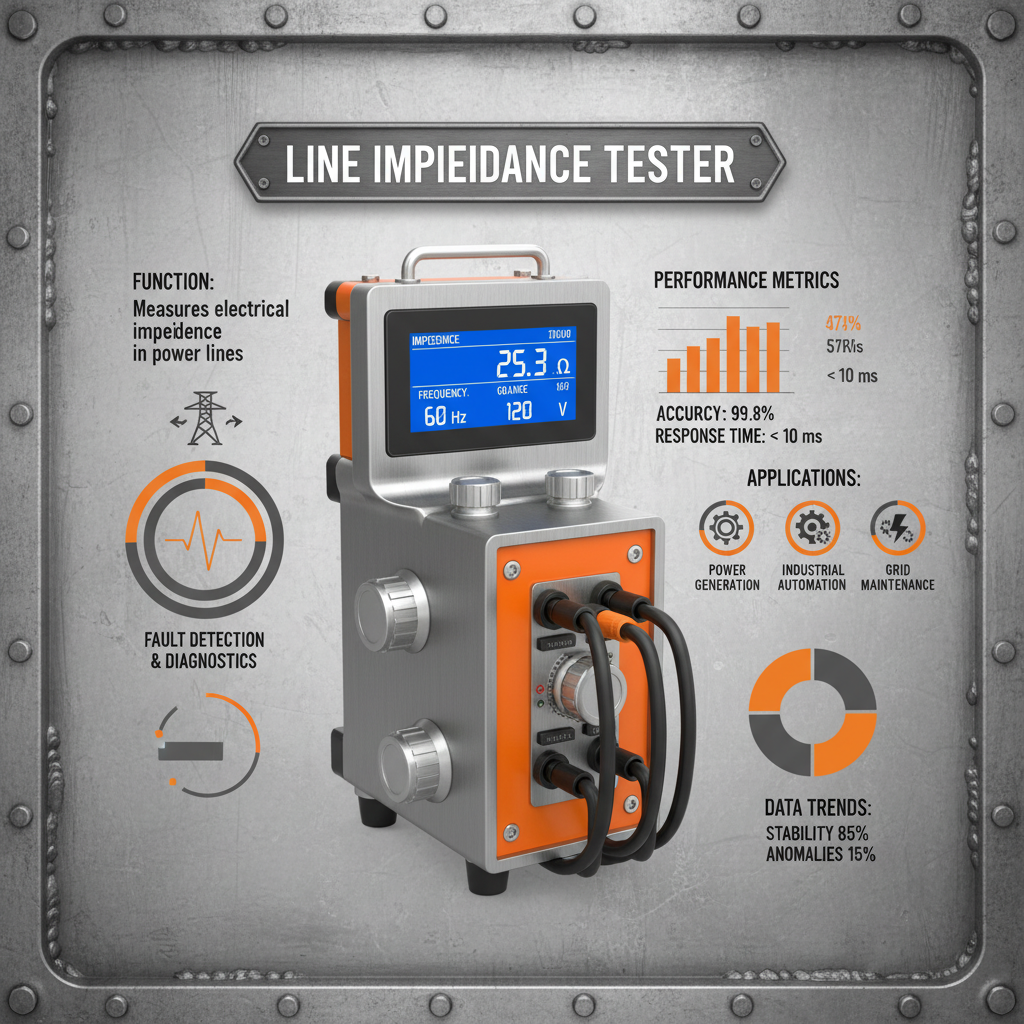
Choosing the Right Tester from Push Tester
Push Tester offers a range of high-quality line impedance testers designed to meet the needs of various industries. Our testers combine accuracy, reliability, and ease of use, providing valuable insights into your network's performance. We offer solutions from simple impedance meters to sophisticated TDRs and VNAs. We prioritize customer satisfaction and provide expert support to help you select the optimal tester for your specific requirements. Explore our catalog today and discover how Push Tester can help you maintain a robust and efficient network infrastructure.
Conclusion: Invest in Reliable Line Impedance Testing
Investing in a reliable line impedance tester is a proactive step toward maintaining network integrity and preventing costly downtime. By accurately measuring impedance and identifying potential issues, you can ensure optimal signal transmission and maximize network performance. Choose Push Tester for quality, accuracy, and exceptional support.
Frequently Asked Questions (FAQs)
What is considered a good impedance reading?
A "good" impedance reading depends on the type of cable and the network standard being used. Typically, for coaxial cables, a reading of 75 ohms is standard for video applications, while 50 ohms is common for data transmission. For twisted-pair cables (like Ethernet), the standard impedance is 100 ohms. Any significant deviation from these values (typically more than a few ohms) indicates a potential issue, such as damage to the cable, connectors, or termination points. It's important to consult the cable manufacturer's specifications for the exact impedance tolerance.
How often should I perform line impedance testing?
The frequency of testing depends on the criticality of the network and the environment it operates in. For critical networks, such as those used in broadcasting or telecommunications, regular testing (e.g., quarterly or semi-annually) is recommended. For less critical networks, annual testing may suffice. It’s also wise to perform testing after any cable repairs, modifications, or if you suspect a problem with signal quality. Preventative maintenance through regular testing can help avoid costly disruptions.
What causes impedance mismatches?
Impedance mismatches can occur for several reasons. These include damaged cables (cuts, kinks, or crushing), faulty connectors, incorrect termination (e.g., improper crimping of connectors), moisture ingress, and the use of incompatible components. Changes in cable length or the introduction of adapters can also contribute to impedance mismatches. Identifying the root cause of a mismatch is crucial for effective repair.
Can a line impedance tester identify the type of cable?
Some advanced line impedance testers, like VNAs, can identify the type of cable based on its electrical characteristics. However, most basic testers do not have this capability. A cable analyzer typically offers cable identification along with other tests. When using a tester, it’s usually necessary to manually identify the cable type based on its markings or documentation. Always ensure the tester is configured for the correct cable type to obtain accurate measurements.
-
Find the Best Loop Impedance Tester for Sale and Ensure Electrical SafetyNewsMar.31,2026
-
Comprehensive Guide to Loop Impedance Meter for Electrical SafetyNewsMar.28,2026
-
Understanding and Choosing a Line Impedance Tester for Optimal Network PerformanceNewsMar.26,2026
-
Comprehensive Guide to Line Earth Loop Impedance Test for Electrical SafetyNewsMar.24,2026
-
Comprehensive Guide to Fault Loop Impedance Meter and Electrical SafetyNewsMar.21,2026
-
Comprehensive Guide to External Loop Impedance Test for Electrical SafetyNewsMar.19,2026


