 English



Comprehensive Guide to Line Earth Loop Impedance Test for Electrical Safety
Understanding the Line Earth Loop Impedance Test
The line earth loop impedance test is a crucial safety check within electrical installations, ensuring effective protection against electric shock and fire hazards. This test verifies the integrity of the earth fault loop, the path an electrical fault current would take back to the source. Accurate measurement of this impedance is paramount for confirming the protective devices (like circuit breakers and fuses) will operate quickly enough to mitigate danger. This article will delve into the process, importance, and modern tools for performing this essential test. Properly conducting a line earth loop impedance test can save lives and protect property.
Why is the Line Earth Loop Impedance Test Important?
The primary goal of this test is to confirm that in the event of a fault (e.g., a live wire touching a metal casing), the current will flow sufficiently to activate the overcurrent protective device – usually a circuit breaker or fuse – and quickly disconnect the power. A high impedance in the loop means a lower fault current, potentially delaying or preventing the protective device from operating, creating a dangerous situation. Regular testing, especially after modifications to an electrical system, is crucial to ensure ongoing safety and compliance with regulations like the IET Wiring Regulations (BS 7671).
Key Benefit: Preventing electric shock and fire hazards by verifying the effectiveness of protective devices.
How to Perform a Line Earth Loop Impedance Test
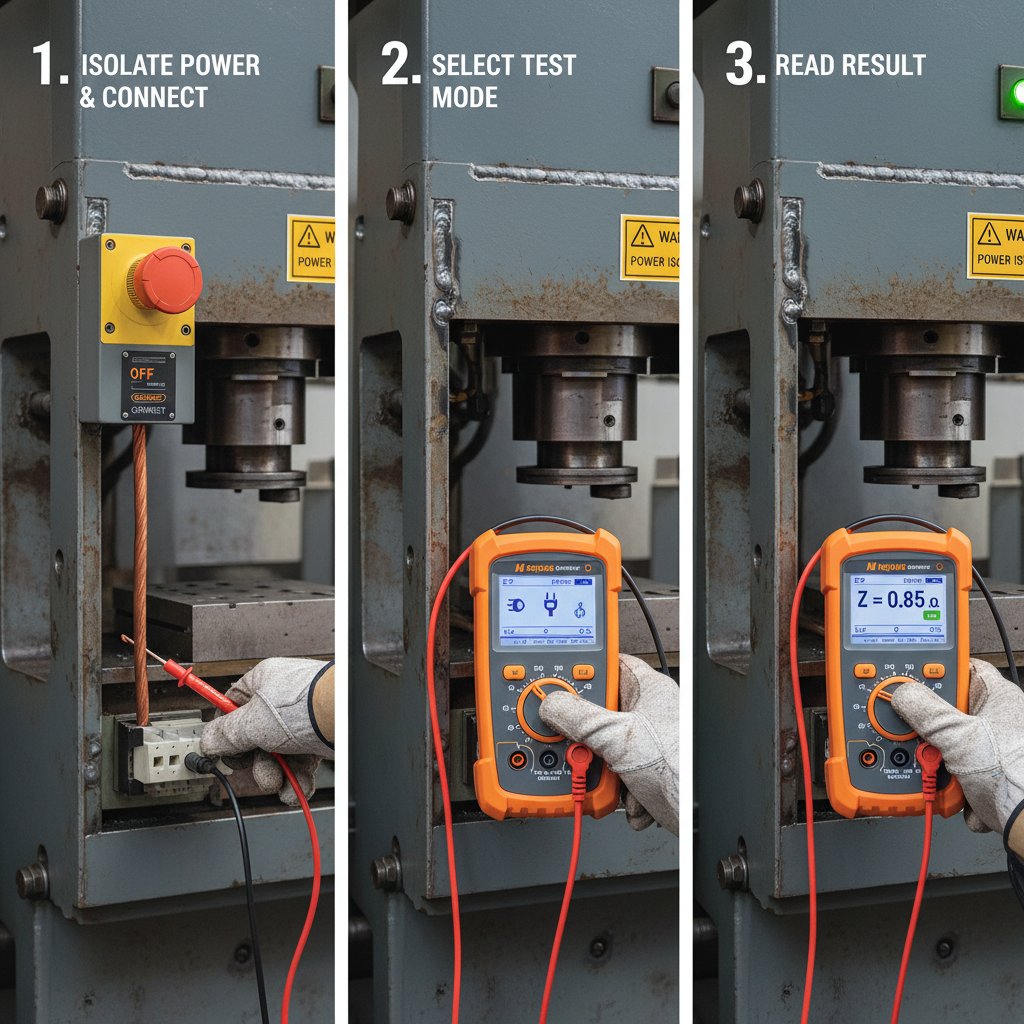
The test itself involves applying a small test current through the line conductor and measuring the voltage drop. The impedance is then calculated using Ohm's Law (Impedance = Voltage / Current). It’s vital to disconnect all non-essential loads from the circuit being tested to obtain accurate results. Modern electrical testers automate this process, providing a digital readout of the impedance value. Ensure the tester is calibrated and used according to the manufacturer’s instructions. Testing should always be performed by a qualified and competent person.
Steps Involved:
• Isolate the circuit being tested.
• Connect the tester to the line and earth conductors.
• Activate the test and record the impedance reading.
• Compare the reading to the maximum permitted impedance as per the wiring regulations.
Line Earth Loop Impedance Test vs. RCD Trip Time Test
While both tests are crucial for electrical safety, they assess different aspects of the protection system. The line earth loop impedance test checks the overall impedance of the fault path. The RCD (Residual Current Device) trip time test, on the other hand, verifies that the RCD will disconnect the power within the required time when a residual current is detected. They work in conjunction – a low loop impedance is essential for the RCD to operate effectively, but the RCD itself provides an additional layer of protection.
Choosing the Right Testing Equipment
Selecting appropriate testing equipment is paramount for accurate and reliable results. Push testers offer a range of multi-function testers capable of performing line earth loop impedance tests, RCD tests, and other essential electrical safety checks. Look for testers that are fully calibrated, compliant with relevant standards, and easy to use. Features like automatic test sequences and data logging can streamline the testing process and improve efficiency.
Acceptable Impedance Values and Regulations
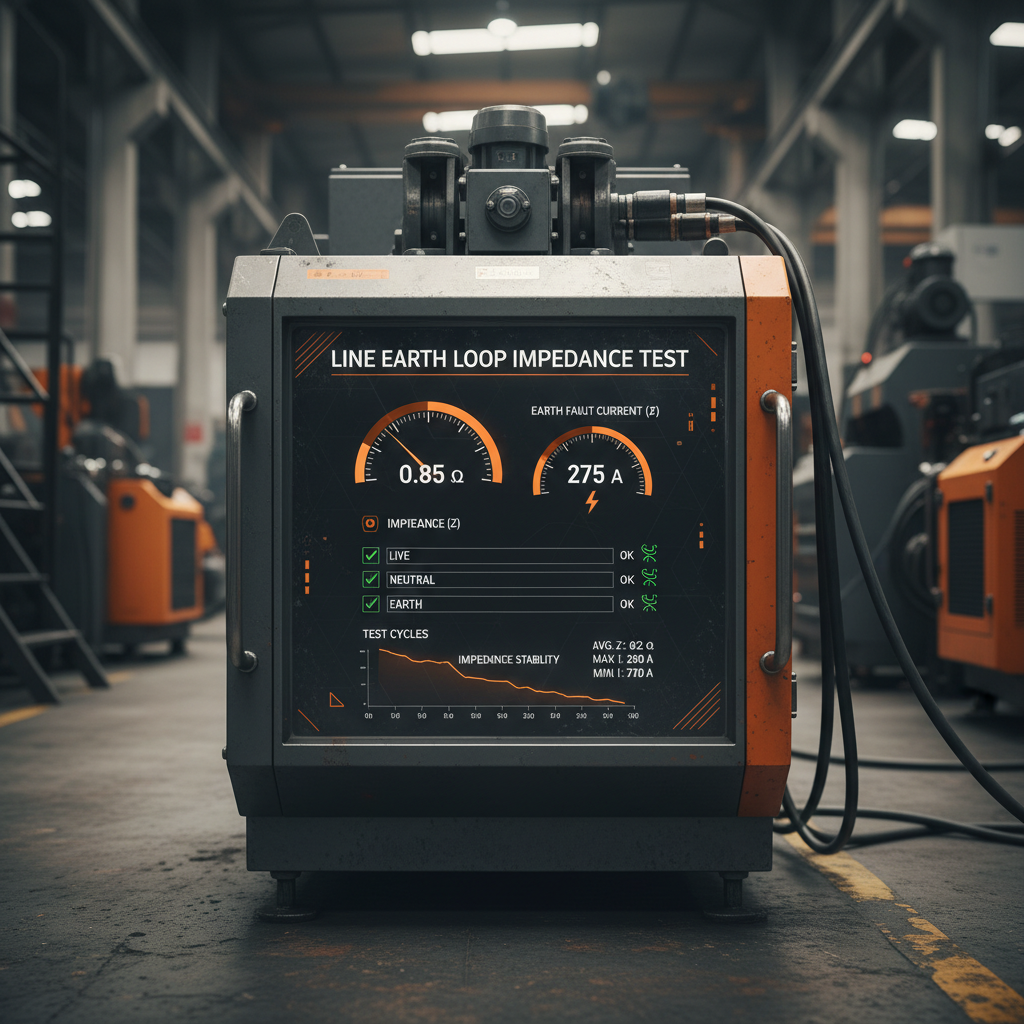
Acceptable impedance values vary depending on the protective device’s rating and the circuit length. The IET Wiring Regulations (BS 7671) provide guidance on maximum permitted impedance values to ensure adequate protection. Generally, the impedance must be low enough to ensure that the fault current will be high enough to operate the protective device within the specified time. Qualified electricians use pre-calculated charts and tables, or testing tools to evaluate compliance.
Conclusion: Prioritizing Electrical Safety
Regular line earth loop impedance testing is an essential component of maintaining a safe electrical installation. By verifying the integrity of the fault current path, it helps prevent electric shock and fire hazards. Investing in quality testing equipment and ensuring that tests are performed by qualified personnel are crucial steps in prioritizing electrical safety.
Frequently Asked Questions (FAQs)
What happens if the line earth loop impedance is too high?
If the impedance is too high, the fault current will be insufficient to operate the protective device quickly enough in the event of a fault. This creates a significant risk of electric shock or fire. The circuit must be investigated and rectified, which could involve upgrading the cabling, reducing the circuit length, or installing a more sensitive protective device. It is vital to address this issue immediately and not use the circuit until it's safe.
How often should a line earth loop impedance test be performed?
The frequency of testing depends on the type of installation and its use. Generally, testing should be carried out initially upon completion of the installation and then periodically, typically every 5 years for domestic installations and annually for commercial and industrial installations, or after any modifications are made to the electrical system. It's best to consult the IET Wiring Regulations and any specific regulations applicable to your location.
Can a line earth loop impedance test be performed on a TT system?
Yes, the test is still relevant on a TT system, but the interpretation of results is different. In a TT system, the earth fault loop impedance includes the impedance of the earth electrode and the earth path back to the transformer. The test ensures that the fault current is sufficient to operate the RCD within the required time. Accurate earth electrode resistance measurement is crucial in this case.
What qualifications are needed to perform this test?
The line earth loop impedance test should only be performed by a qualified and competent person, such as a qualified electrician or electrical engineer. They should have a thorough understanding of electrical safety regulations and testing procedures. Specific qualifications may vary depending on local regulations but typically involve a recognized electrical installation qualification.
-
Find the Best Loop Impedance Tester for Sale and Ensure Electrical SafetyNewsMar.31,2026
-
Comprehensive Guide to Loop Impedance Meter for Electrical SafetyNewsMar.28,2026
-
Understanding and Choosing a Line Impedance Tester for Optimal Network PerformanceNewsMar.26,2026
-
Comprehensive Guide to Line Earth Loop Impedance Test for Electrical SafetyNewsMar.24,2026
-
Comprehensive Guide to Fault Loop Impedance Meter and Electrical SafetyNewsMar.21,2026
-
Comprehensive Guide to External Loop Impedance Test for Electrical SafetyNewsMar.19,2026


