 English



Load Tap Changer Power Transformers: Reliable, Efficient?
Field Notes on OLTC Health: What’s Really Working in 2025
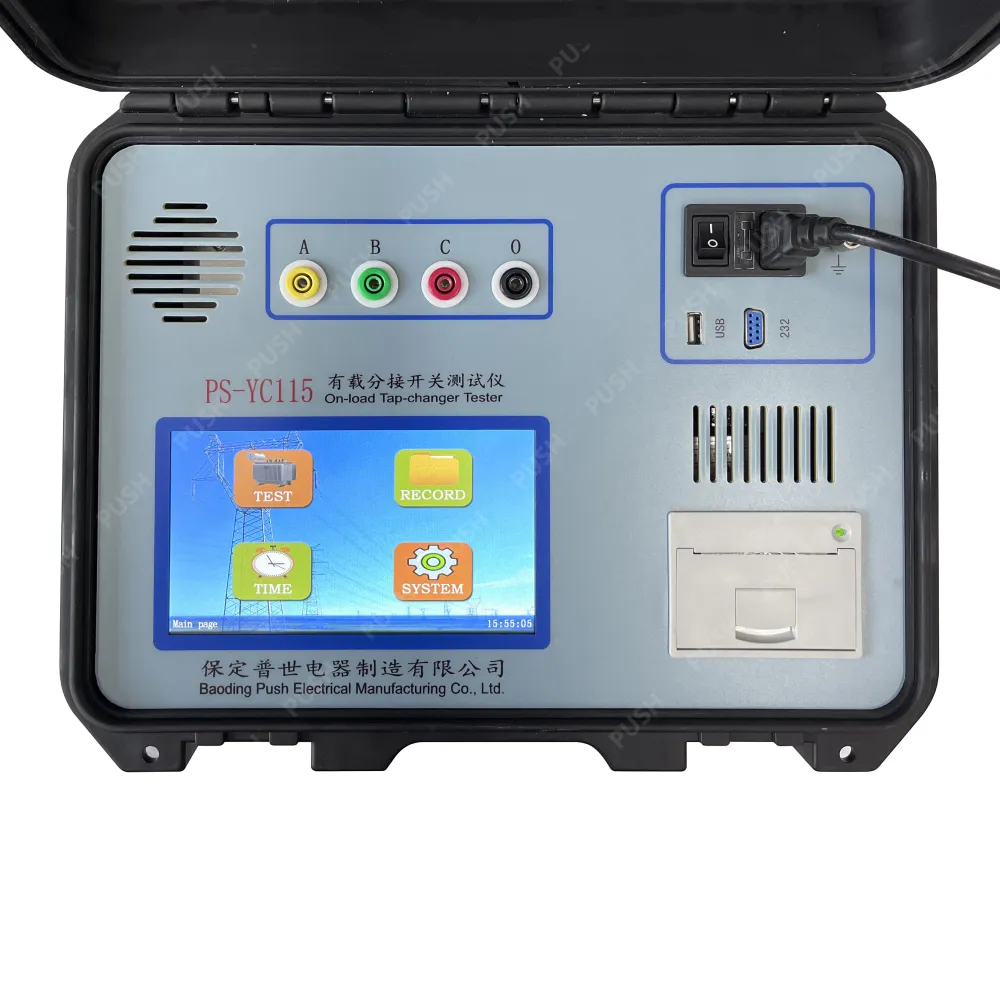
If you run or service load tap changer power transformers, you already know the drill: stability is earned in milliseconds. Renewable swings, city peak loads, EV clusters—everything nudges the tap changer. In practice, the difference between smooth regulation and a catastrophic arc is often hidden in the transition waveform. That’s why the PUSH Electrical PS-YC115 On-Load Tap-Changer Tester caught my eye. I spent time with teams who use it; surprisingly, they talk less about bells and whistles and more about consistent timing captures they can trust.
Industry trend check
Utilities are moving from calendar-based maintenance to condition-based programs. OLTCs are the pivot point. The pattern I’m seeing: shorter test windows, deeper waveform analytics, and proof against standards (IEC/IEEE) baked right into reports. In fact, several fleets told me they benchmark every load tap changer power transformers outage with a “before/after” transition resistance curve now—non-negotiable.
What the PS-YC115 actually measures
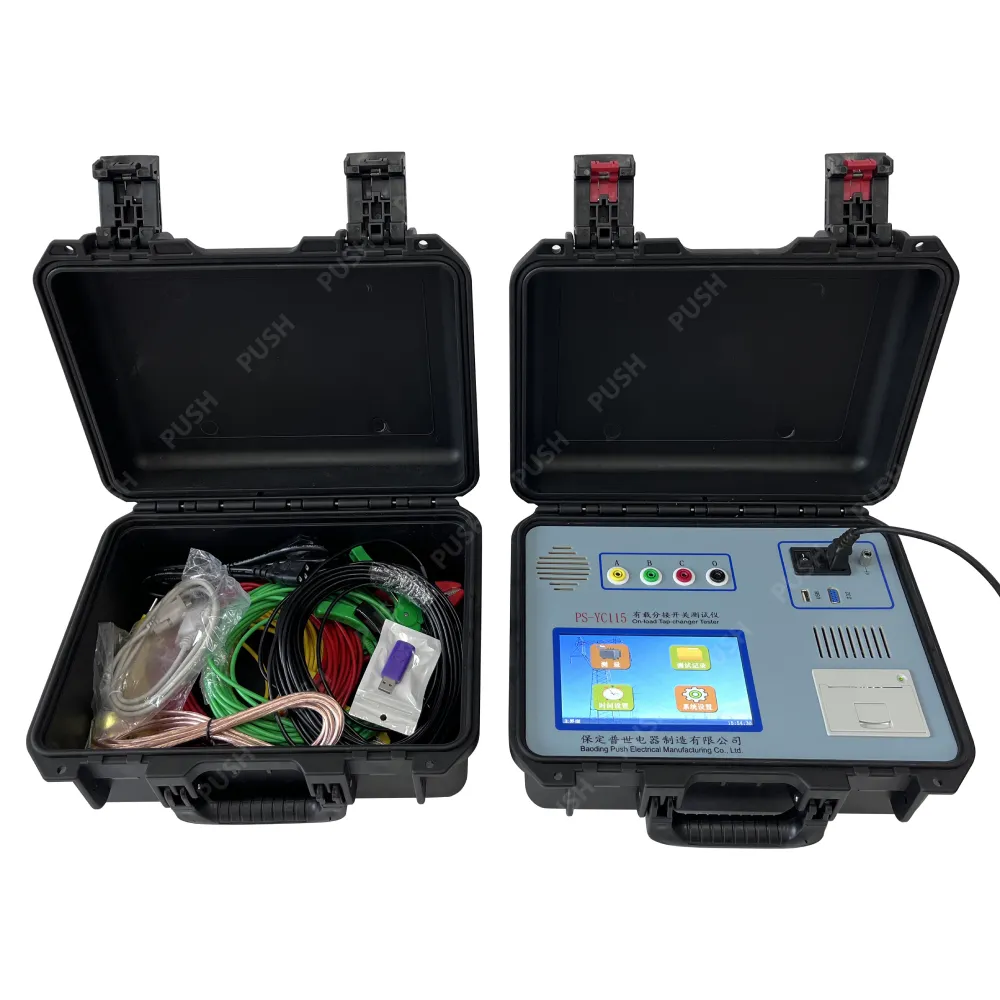
The instrument captures transition waveform, transition time, momentary transition resistance, and three‑phase synchronicity of OLTC operations. It’s built for field crews—quick hook-up, clear pass/fail cues, and detailed export for engineers back at base.
| Spec (typical) | PS-YC115 |
|---|---|
| Transition time window | ≈0.2–150 ms (real‑world use may vary) |
| Transition resistance capture | mΩ to tens of Ω (dynamic) |
| Sampling rate | ≈100–200 kS/s per channel |
| Phases / synchronicity | 3-phase; skew analysis ≤≈0.1 ms |
| Interfaces | USB, report export (CSV/PDF) |
| Safety/compliance | Designed with IEC 61010; reporting aligned to IEC 60214‑1, IEC 60076, IEEE C57.131 |
Workflow, materials, and test standards
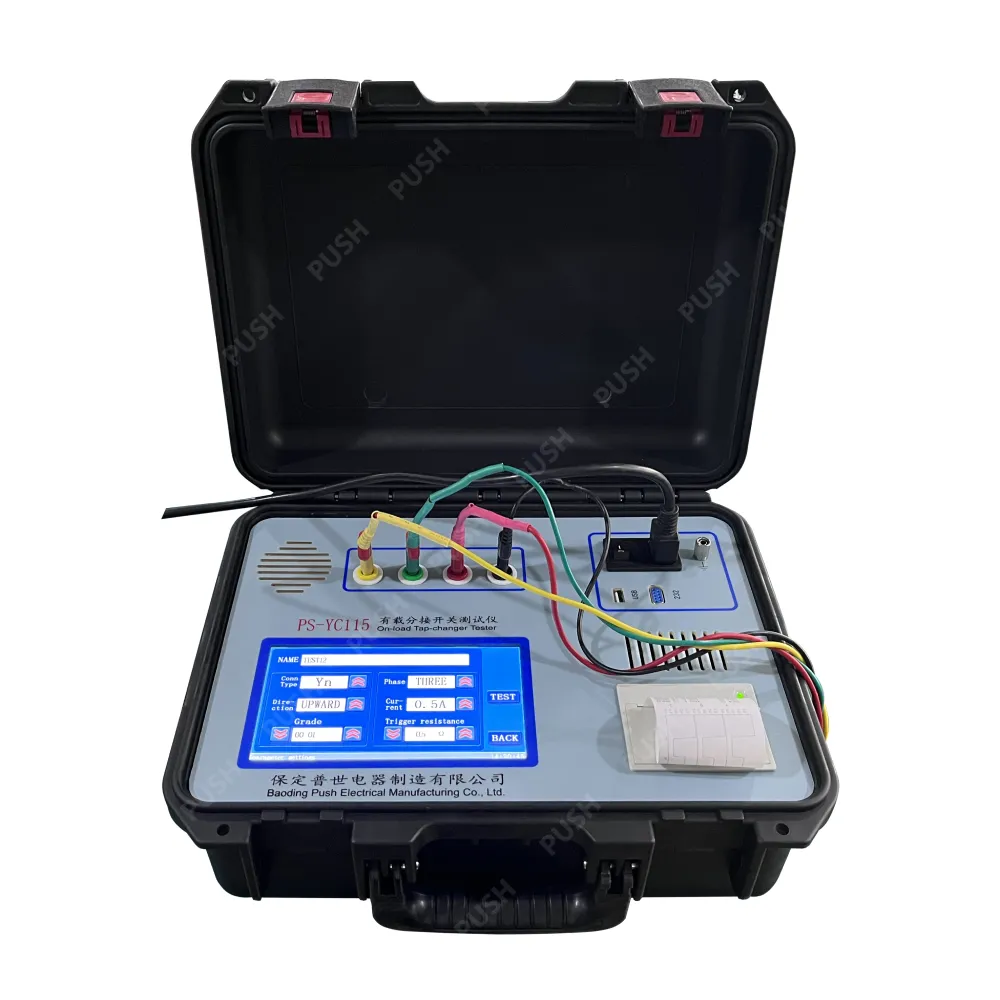
- Materials: shielded leads, Kelvin clips, insulated probes rated for substation use.
- Method: de-energized transformer; connect across OLTC contacts; trigger multiple tap operations; capture waveform/time/resistance; verify phase synchronicity.
- Standards: reference IEC 60214‑1 (OLTC), IEC 60076 (power transformers), IEEE C57.131 guidance; site safety to IEC 61010 and local utility rules.
- Service life: crews report 5–8 years typical with periodic calibration; firmware updates extend analytics.
- Industries: T&D utilities, industrial plants, data centers, rail traction substations, wind/solar collector stations.
Sample field data (illustrative): A-phase transition time 42.7 ms; transient resistance peak 18.3 Ω; interphase skew 0.06 ms—flagged as “Good” per fleet threshold. Honestly, it’s the clean reporting that wins overtime.
| Vendor | Strengths | Notes |
|---|---|---|
| PUSH PS‑YC115 | Clear transition waveforms; 3‑phase synch; standards‑aligned reports | Good for fast turnarounds; price/value favorable |
| Brand M Analyzer | High sampling; ruggedized case | Heavier; licensing add‑ons for exports |
| Brand K Portable OLTC | Compact; quick auto‑diagnostics | Limited deep analytics; fewer report templates |
Customization, cases, and real talk
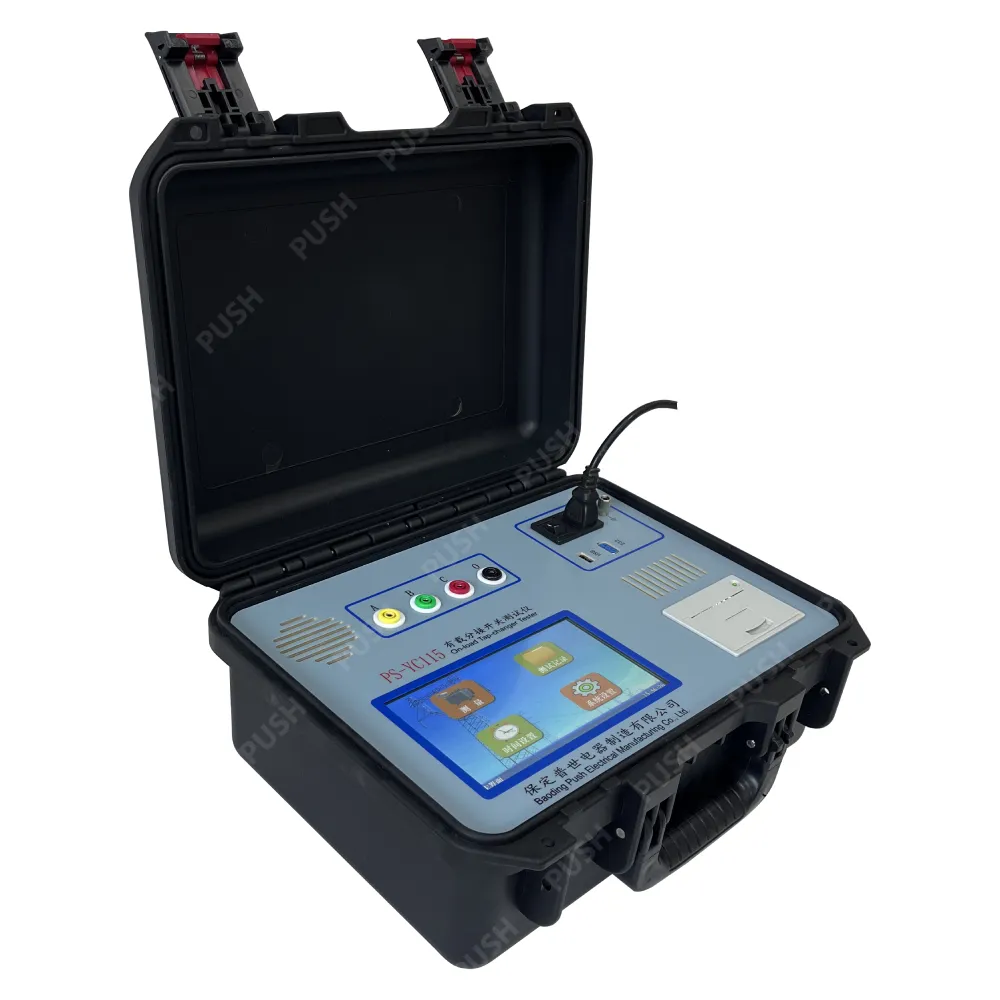
Customization options I’ve seen: longer shielded leads, subzero enclosures, bespoke pass/fail thresholds, and utility-branded report templates. One North China utility (Jingxiu District rollout) used PS‑YC115 during a 110 kV retrofit—no-load checks found a creeping skew of 0.11 ms; post-cleaning, skew dropped to 0.03 ms and nuisance tap alarms disappeared. Their crew said, “It just made the OLTC feel honest again.”
Origin, for those tracking logistics: Room 302, Building 5, Baoding Zhongguancun DigitalEconomy Industrial Park, No. 777 Lixing Street, Jingxiu District, Baoding, Hebei Province. Support was responsive—emails answered within a day, which, to be honest, makes a difference when a transformer is sitting out of service.
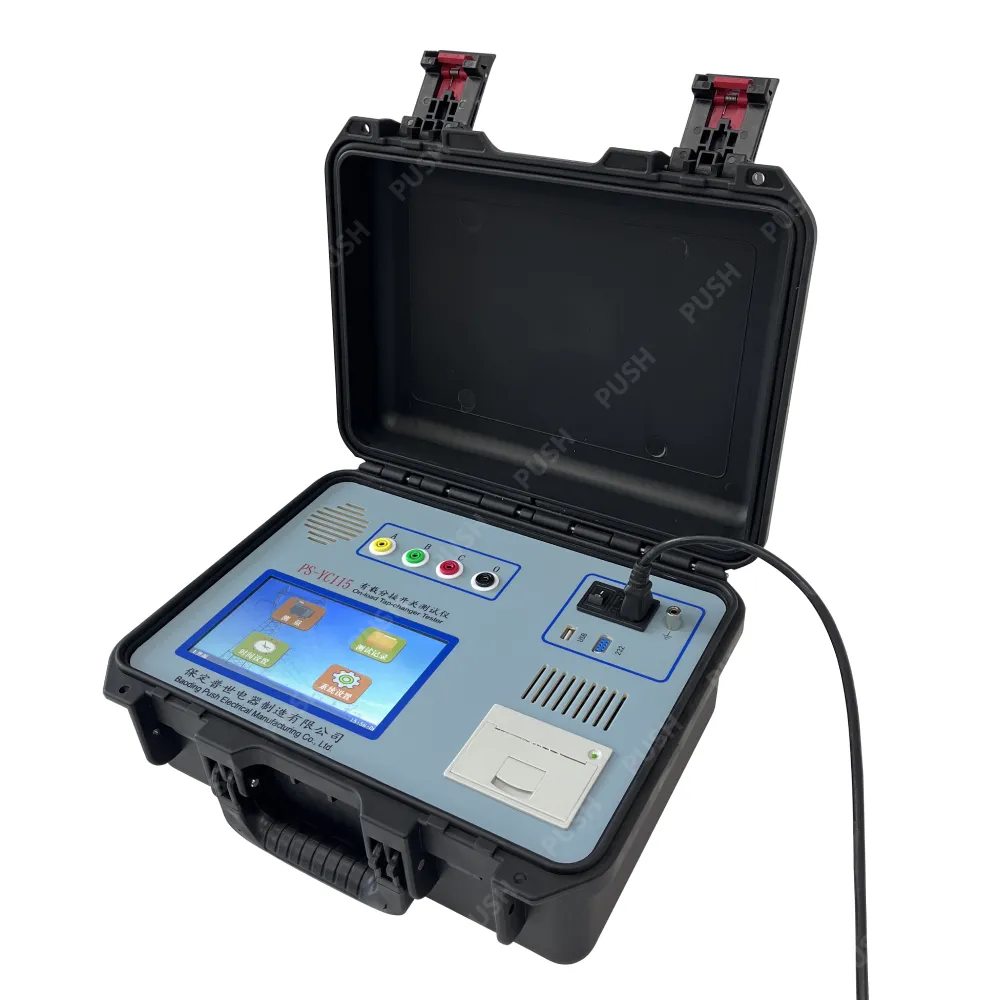
Bottom line: if you maintain load tap changer power transformers and want defensible, standards-referenced diagnostics without dragging a lab to site, the PS‑YC115 is an easy shortlist pick.
Authoritative references
- IEC 60214‑1: Tap‑changers – Part 1: Performance requirements and tests. https://webstore.iec.ch
- IEC 60076 series: Power Transformers. https://webstore.iec.ch
- IEEE C57.131: Guide for Tap-Changers. https://standards.ieee.org
- IEC 61010: Safety requirements for electrical equipment for measurement. https://webstore.iec.ch
-
Find the Best Loop Impedance Tester for Sale and Ensure Electrical SafetyNewsMar.31,2026
-
Comprehensive Guide to Loop Impedance Meter for Electrical SafetyNewsMar.28,2026
-
Understanding and Choosing a Line Impedance Tester for Optimal Network PerformanceNewsMar.26,2026
-
Comprehensive Guide to Line Earth Loop Impedance Test for Electrical SafetyNewsMar.24,2026
-
Comprehensive Guide to Fault Loop Impedance Meter and Electrical SafetyNewsMar.21,2026
-
Comprehensive Guide to External Loop Impedance Test for Electrical SafetyNewsMar.19,2026


