 English



Accurate Acid Value Tester: Insulating & Transformer Oil Acidity
The Critical Role of Acid Value Testers in Industrial Maintenance
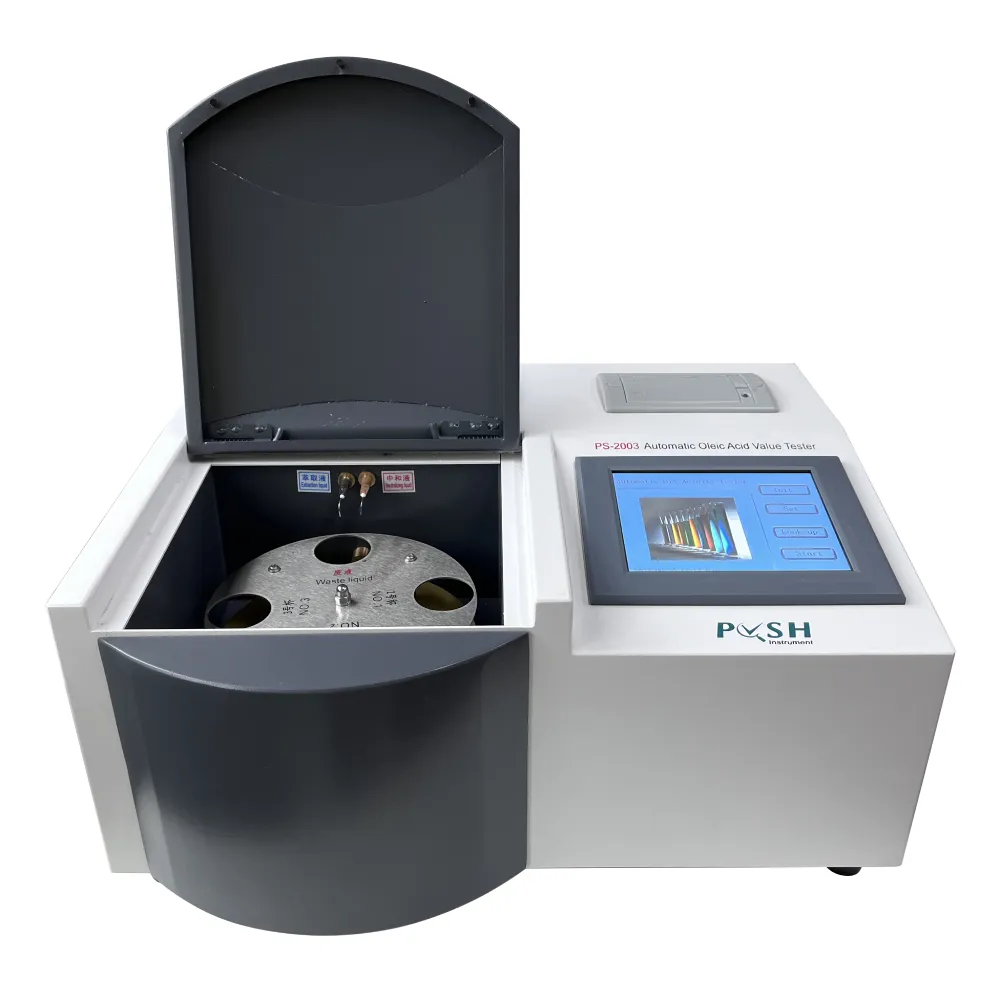
In the realm of industrial machinery and electrical infrastructure, the integrity of insulating and lubricating oils is paramount. Progressive degradation, often indicated by increasing acidity, can lead to severe operational inefficiencies, equipment failure, and substantial economic losses. This necessitates the use of a reliable acid value tester, a crucial instrument for proactive maintenance and quality control. Devices like the PUSH Electrical PS-2003/PS-2006 Three-Cup Or Six-Cup Insulating Oil Acid Value Tester represent the pinnacle of automated precision, enabling industries to accurately assess oil health and prevent costly downtime.
This comprehensive guide delves into the significance, technical aspects, and application of advanced acid value tester technologies, offering insights into industry trends, technical advantages, and practical implementation for B2B decision-makers and technical engineers.
Industry Trends in Oil Acidity Testing
The landscape of industrial maintenance is rapidly evolving, driven by the push for predictive maintenance, extended equipment lifespans, and stringent environmental regulations. Consequently, the demand for sophisticated oil acidity tester devices has surged. Key trends include:
- Automation and Digitalization: The shift from manual titration to fully automated systems, like the PUSH Electrical PS-2003, minimizes human error, accelerates testing, and allows for integration with digital asset management systems. This trend impacts the efficiency and accuracy of every oil tester kit on the market.
- Miniaturization and Portability: While laboratory-grade precision remains essential, there's a growing need for compact and portable oil acidity tester units for on-site diagnostics, reducing delays and enabling faster decision-making.
- Multi-Parameter Analysis: Modern instruments are increasingly capable of analyzing multiple oil parameters simultaneously, providing a more holistic view of oil degradation beyond just acid value.
- Focus on Insulating Oils: With aging power grids globally, the integrity of transformer oil is under intense scrutiny. Advanced insulating oil tester solutions are critical for monitoring `acidity in transformer oil` to prevent catastrophic failures and ensure grid reliability.
- Cost-Effectiveness and Sustainability: Industries seek solutions that offer high accuracy at a reasonable operational cost, including minimal reagent consumption and extended instrument service life, reflecting trends in `transformer oil tester price` and overall maintenance budgets.
Manufacturing Process Flow of an Advanced Acid Value Tester
The creation of a high-precision instrument like the PUSH Electrical PS-2003/PS-2006 acid value tester involves a meticulously engineered manufacturing process, ensuring reliability and accuracy. This process integrates advanced materials and rigorous quality control at every stage:
- Conceptualization & Design: Initial design involves extensive R&D, utilizing CAD/CAE software to develop detailed blueprints. Material selection is critical, often including corrosion-resistant stainless steel for fluidic pathways, high-grade polymers for chemical stability in sample cups, and robust aluminum alloys for structural components. Compliance with international standards (e.g., ISO, IEC) is embedded from the outset.
- Precision Component Fabrication:
- Mechanical Parts: Components such as titration cells, stirring mechanisms, and reagent pumps are often produced via CNC machining from blocks of stainless steel or specialized plastics, ensuring tight tolerances and chemical inertness.
- Electronic Assemblies: Printed Circuit Boards (PCBs) are fabricated, populated with high-quality sensors, microcontrollers, and communication modules. These undergo automated optical inspection (AOI) and in-circuit testing (ICT).
- Enclosure Production: Outer casings are typically forged or precision-cut from sheet metal (e.g., steel or aluminum), then welded and powder-coated for durability and a clean, modern aesthetic.
- Integration & Assembly: Skilled technicians meticulously assemble the mechanical, electronic, and fluidic subsystems. This stage requires precise alignment and secure connections to prevent leaks and ensure optimal instrument performance.
- Calibration & Rigorous Testing:
- Functional Testing: Each unit undergoes comprehensive functional tests to verify the operation of pumps, stirrers, sensors, and the user interface.
- Performance Calibration: The instrument is calibrated against traceable reference standards to ensure accuracy and precision in acid value measurements, adhering to standards like ASTM D974 and IEC 60156.
- Environmental & Durability Testing: Units may undergo tests for temperature stability, vibration, and electromagnetic compatibility (EMC) to ensure robustness in diverse industrial environments. The design aims for a typical service life exceeding 10 years with proper maintenance.
- Final Quality Assurance & Packaging: A final inspection confirms all specifications are met before the instrument is carefully packaged for shipment, often with anti-static and shock-absorbing materials.
This meticulous process ensures that the finished acid value tester provides reliable performance in demanding target industries such as petrochemical, power generation, metallurgy, and water supply & drainage, contributing to energy saving through optimized oil usage and enhanced corrosion resistance by mitigating acidic degradation.
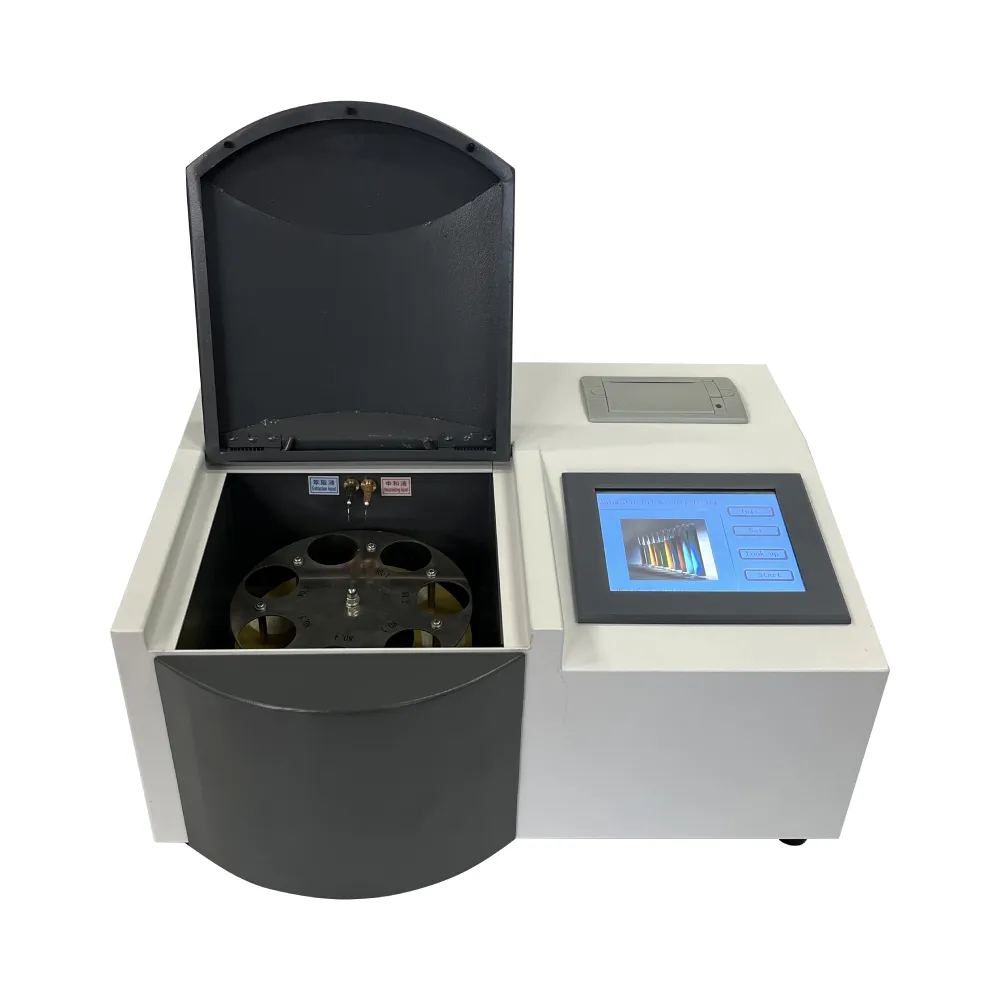
Technical Specifications of PUSH Electrical PS-2003/PS-2006 Insulating Oil Acid Value Tester
The PUSH Electrical PS-2003/PS-2006 series exemplifies advanced automatic titration technology, specifically engineered for the precise determination of acid value in insulating oils. Its design incorporates features crucial for reliable and efficient oil analysis.
| Parameter | Specification (PS-2003/PS-2006) |
|---|---|
| Measurement Range | 0.001 - 6.000 mg KOH/g |
| Accuracy | ±0.005 mg KOH/g |
| Resolution | 0.001 mg KOH/g |
| Repeatability | < 0.005 mg KOH/g |
| Testing Method | Potentiometric Titration (Automatic) |
| Number of Test Cups | 3 (PS-2003) or 6 (PS-2006) |
| Sample Input | Automatic, up to 6 samples sequentially |
| Reagent Consumption | Optimized for minimal waste |
| Display | Large color LCD touchscreen |
| Power Supply | AC 220V ±10%, 50/60Hz |
| Operating Temperature | 10°C to 40°C |
| Communication Interface | USB, RS232 for data transfer and LIMS integration |
| Standards Compliance | ASTM D974, IEC 60156 (relevant for insulating oils) |
These specifications highlight the instrument's capability to deliver precise and reliable `transformer oil acidity test` results, making it an indispensable tool for maintaining the health of critical electrical assets.
Application Scenarios and Advantages
The versatility and precision of an advanced acid value tester extend across numerous industrial sectors, offering significant advantages in predictive maintenance and operational efficiency.
Key Application Scenarios:
- Power Generation & Transmission: Essential for monitoring `acidity in transformer oil` and switchgear oils. A dedicated transformer oil tester helps identify early signs of oil degradation, preventing insulation breakdown and prolonging the life of high-voltage equipment. Regular testing of insulating oil is critical for grid stability.
- Petrochemical Industry: Used for quality control of various petroleum products, lubricants, and hydraulic fluids. Accurate `oil acidity tester` readings ensure process efficiency and prevent equipment corrosion in refineries and chemical plants.
- Manufacturing & Heavy Industry: For analyzing lubricating oils in large machinery, turbines, compressors, and gearboxes. High acid values can lead to accelerated wear and reduced component lifespan. A reliable oil tester is key to optimizing maintenance schedules.
- Transportation (Marine, Rail): Monitoring engine oils and hydraulic fluids to ensure operational safety and compliance with maintenance schedules.
Technical Advantages in Application:
- Predictive Maintenance: By accurately tracking the total acid number (TAN), operators can predict potential equipment failures due to oil degradation, allowing for timely oil changes or purification, thus preventing catastrophic outages.
- Enhanced Equipment Longevity: Early detection of `acidity of transformer oil` or other industrial lubricants mitigates internal corrosion and reduces wear on moving parts, significantly extending the operational life of valuable assets.
- Energy Saving: Optimizing oil replacement schedules based on precise acid value measurements avoids premature disposal of still-serviceable oil and ensures that equipment operates with optimal lubrication, reducing friction and energy consumption.
- Corrosion Resistance: Maintaining oil acidity within acceptable limits is crucial for preventing acid-induced corrosion of metallic components, which is a major cause of equipment damage. The PUSH Electrical PS-2003/PS-2006, as an `insulating oil tester`, directly supports this.
- Operational Safety: Ensuring the quality of insulating oils through regular `transformer oil acidity testing kit` usage reduces the risk of electrical breakdowns and associated safety hazards.
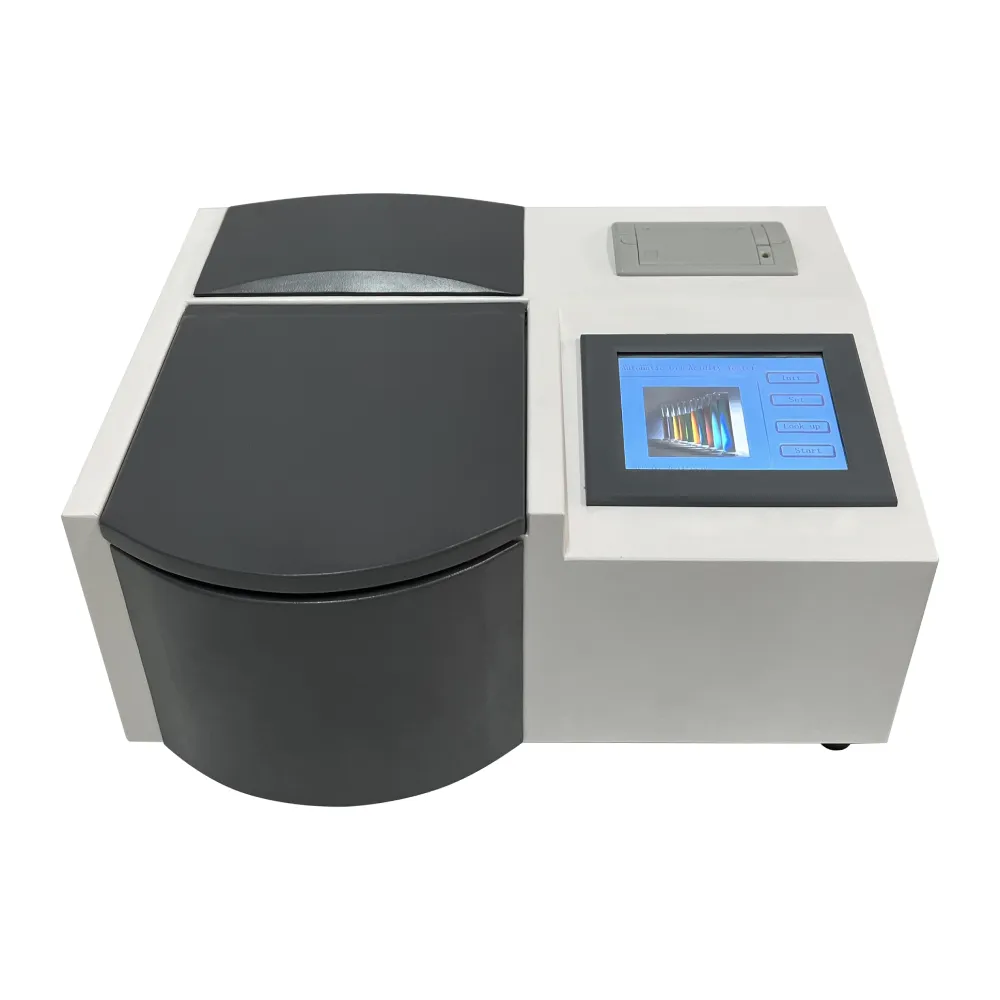
Vendor Comparison: PUSH Electrical vs. Other Solutions
Choosing the right acid value tester is a strategic decision that impacts accuracy, efficiency, and long-term cost. While various options exist, from basic manual kits to fully automated systems, the PUSH Electrical PS-2003/PS-2006 stands out due to its specific advantages.
| Feature/Parameter | PUSH Electrical PS-2003/PS-2006 | Manual Titration Kit (Basic `oil tester kit`) | Entry-Level Auto Tester |
|---|---|---|---|
| Automation Level | Fully Automatic (Potentiometric Titration) | Manual (Colorimetric or Basic Titration) | Semi-Automatic (Limited Automation) |
| Number of Samples | 3 (PS-2003) or 6 (PS-2006) concurrently | 1 at a time | 1-2 samples |
| Accuracy & Precision | Excellent (±0.005 mg KOH/g), minimizes human error | Moderate to Low, highly dependent on operator skill | Good, but potentially less consistent than high-end auto systems |
| Testing Speed | Rapid, sequential testing of multiple samples | Slow, manual steps for each sample | Faster than manual, but limited throughput |
| Reagent Handling | Automatic dispensing, optimized consumption | Manual, potential for waste and exposure | Partial automation, less optimized consumption |
| Data Management | Digital storage, USB/RS232 output, LIMS integration | Manual recording, prone to errors | Basic digital display, limited storage/export |
| Ease of Use | User-friendly touchscreen, minimal training required | Requires skilled operator, prone to subjective interpretation | Moderate, often simpler interface than full auto systems |
| Long-Term Cost of Ownership (`transformer oil tester price`) | Higher initial investment, but lower operational costs (less labor, reagents, higher throughput) | Lower initial investment, but higher labor costs and potential for inaccurate results leading to higher maintenance/failure costs | Mid-range initial investment, moderate operational costs |
This comparison illustrates that while manual methods offer a lower entry `transformer oil acidity test kit price`, they incur higher long-term operational costs and risk of error. The PUSH Electrical PS-2003/PS-2006 provides a superior blend of automation, accuracy, and efficiency, making it a sound investment for serious industrial applications requiring precise `oil acidity tester` capabilities.
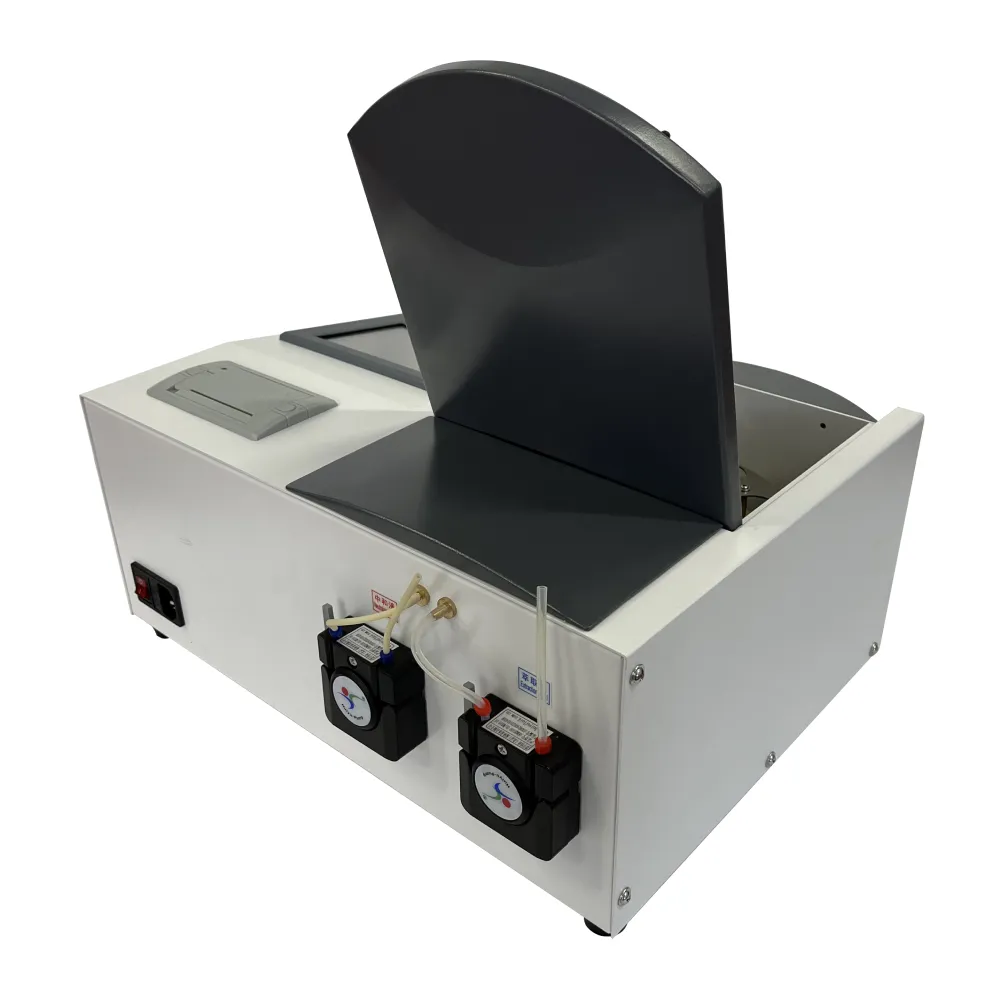
Customized Solutions and Case Studies
PUSH Electrical understands that industrial requirements can vary significantly. Beyond standard product offerings, we provide customized solutions to integrate our acid value tester technology seamlessly into unique operational workflows.
Customization Options:
- Software Integration: Development of APIs or custom modules to integrate the oil tester with existing Laboratory Information Management Systems (LIMS) or plant SCADA systems for centralized data management and trend analysis.
- Reporting Formats: Tailored report templates to meet specific regulatory or internal compliance requirements, including custom parameters, thresholds, and alarm notifications.
- Specialized Reagent Kits: For specific oil types or unique operating conditions, PUSH Electrical can consult on or provide customized reagent formulations to ensure optimal performance.
- Training & Support: On-site training programs tailored to staff skill levels and specific operational needs, ensuring efficient and confident use of the `insulating oil tester`.
Application Case Studies:
Case Study 1: Major Power Utility in Southeast Asia
- Challenge: An aging fleet of transformers and frequent, costly outages due to insulation oil degradation, leading to high `transformer oil tester price` for manual checks and delayed analysis.
- Solution: Implementation of multiple PUSH Electrical PS-2006 (six-cup) acid value tester units across their substations and central laboratory.
- Results: Reduced unscheduled downtime by 18% within the first year by enabling proactive maintenance based on accurate `acidity in transformer oil` readings. Labor costs for oil testing decreased by 30% due to automation, and the utility reported significant savings from avoiding premature oil changes and preventing major equipment failures. The automated system also facilitated a more robust data logging process, enhancing compliance and audit trails.
Case Study 2: Large-Scale Industrial Lubricant Manufacturer, Europe
- Challenge: Ensuring consistent quality of various lubricant batches before shipment and identifying potential degradation in stored products. Manual testing was slow and prone to batch variations.
- Solution: Deployment of a PUSH Electrical PS-2003 oil acidity tester integrated with their quality control LIMS.
- Results: Production throughput for quality checks increased by 40%. The higher precision of the automated `oil tester` led to fewer rejected batches due to acidity inconsistencies, saving raw material and reprocessing costs. The system provided objective data for certificate of analysis, boosting customer confidence and product reliability.
Ensuring Trustworthiness: Google Standards & PUSH Electrical Commitment
At PUSH Electrical, we uphold the highest standards of Expertise, Experience, Authoritativeness, and Trustworthiness () in every acid value tester we produce and every service we provide.
Authoritativeness & Expertise:
- Certifications: PUSH Electrical products, including our oil tester range, comply with international standards such as ISO 9001 for quality management systems and CE certification for European market access. Our `transformer oil tester` also adheres to specific industry standards like ASTM D974 and IEC 60156.
- Industry Leadership: With over two decades of dedicated service in electrical testing equipment, PUSH Electrical has established itself as a trusted partner for utilities, industrial giants, and research institutions worldwide. Our R&D teams comprise seasoned engineers and chemists specialized in oil diagnostics.
- Validated Data: All product specifications and performance claims are backed by rigorous internal testing and independent laboratory validations, with data available upon request.
Trustworthiness & Customer Support:
- FAQ Module:
- Q: What types of oil can the PS-2003/PS-2006 test?
A: Primarily insulating oils (e.g., transformer oil, switchgear oil), but also suitable for lubricating oils, hydraulic oils, and turbine oils within the specified acid value range. - Q: How often should reagent be replaced?
A: Reagent lifespan depends on usage and storage conditions. The instrument provides prompts for replacement, and fresh reagents are typically recommended every 3-6 months or after a certain number of tests to ensure accuracy. - Q: Is calibration required regularly?
A: Yes, annual calibration is recommended to maintain optimal performance and compliance. PUSH Electrical offers calibration services and certified standards. - Q: Can the `transformer oil acidity testing kit` operate autonomously?
A: The PUSH Electrical PS-2003/PS-2006 performs multi-sample testing automatically once samples and reagents are loaded, minimizing operator intervention.
- Q: What types of oil can the PS-2003/PS-2006 test?
- Lead Time & Fulfillment: Standard lead time for the PS-2003/PS-2006 is typically 4-6 weeks, with expedited options available upon request. We maintain efficient supply chain logistics to ensure timely delivery worldwide.
- Warranty Commitments: All PUSH Electrical acid value tester units come with a comprehensive 12-month warranty covering manufacturing defects and operational failures under normal use. Extended warranty options are available.
- Customer Support: Our dedicated global support team provides technical assistance, troubleshooting, and remote diagnostics. We offer online resources, user manuals, and a network of service partners to ensure prompt and effective after-sales support.
Conclusion
The accurate and timely assessment of oil acidity is no longer a luxury but a fundamental necessity for industries reliant on complex machinery and electrical infrastructure. The PUSH Electrical PS-2003/PS-2006 Three-Cup Or Six-Cup Insulating Oil Acid Value Tester stands as a testament to precision engineering, offering an automated, reliable, and efficient solution to this critical need. By integrating advanced technology, adherence to international standards, and a commitment to comprehensive customer support, PUSH Electrical empowers businesses to protect their assets, optimize maintenance, and ensure operational continuity. Investing in a high-quality acid value tester is an investment in the longevity and efficiency of your industrial operations.
References
- ASTM International. (2020). ASTM D974 - 19e1: Standard Test Method for Acid and Base Number by Color-Indicator Titration.
- International Electrotechnical Commission. (2018). IEC 60156: Insulating liquids - Determination of the breakdown voltage at power frequency - Test method.
- Wang, P., & Li, B. (2017). Advances in Insulation Oil Analysis for Power Transformers. Journal of Electrical Engineering & Technology, 12(6), 2533-2541.
- Gouda, O. E. (2019). Condition Monitoring of Power Transformer Insulating Oil. IEEE Transactions on Dielectrics and Electrical Insulation, 26(2), 643-650.
- Jardim, A. A., & Sales, R. F. (2015). Lubricant Condition Monitoring: An Overview of Techniques and Practices. International Journal of Condition Monitoring, 5(1), 1-10.
-
Find the Best Loop Impedance Tester for Sale and Ensure Electrical SafetyNewsMar.31,2026
-
Comprehensive Guide to Loop Impedance Meter for Electrical SafetyNewsMar.28,2026
-
Understanding and Choosing a Line Impedance Tester for Optimal Network PerformanceNewsMar.26,2026
-
Comprehensive Guide to Line Earth Loop Impedance Test for Electrical SafetyNewsMar.24,2026
-
Comprehensive Guide to Fault Loop Impedance Meter and Electrical SafetyNewsMar.21,2026
-
Comprehensive Guide to External Loop Impedance Test for Electrical SafetyNewsMar.19,2026


