 English



Accurate Auto Titrator | Automated Potentiometric Titration Solutions
The Precision Imperative: Understanding the Modern auto titrator
In the realm of analytical chemistry and quality control, precision and efficiency are paramount. The auto titrator has emerged as an indispensable instrument, revolutionizing how industries perform quantitative analysis. Moving beyond manual methods, modern automated titration systems offer unparalleled accuracy, reproducibility, and speed, critical for maintaining stringent quality standards and optimizing operational workflows across diverse sectors. This comprehensive guide delves into the intricate world of automated titration, exploring its underlying principles, manufacturing excellence, diverse applications, and the distinct advantages it brings to the B2B landscape.
Industry Trends and the Evolution of Automated Titration
The demand for sophisticated analytical instrumentation continues to surge, driven by global regulatory requirements, increasing complexity of samples, and the need for higher throughput in laboratories. The market for auto titrator technology is experiencing robust growth, propelled by several key trends:
- Enhanced Automation and AI Integration: Next-generation automatic potentiometric titrator systems are increasingly incorporating artificial intelligence and machine learning algorithms for improved endpoint detection, self-optimization, and predictive maintenance. This allows for even greater hands-free operation and reduced human error.
- Miniaturization and Portability: While high-throughput lab instruments remain crucial, there's a growing niche for compact, field-deployable titration units, enabling on-site analysis for environmental monitoring or rapid quality checks.
- Data Integrity and Connectivity: Compliance with data integrity regulations like 21 CFR Part 11 is non-negotiable. Modern automatic titration machines offer advanced data management software, seamless LIMS integration, and secure audit trails, ensuring traceability and regulatory adherence.
- Multi-Parameter Analysis: Advanced systems are capable of performing multiple titrations or combining titration with other analytical techniques (e.g., pH, conductivity) in a single run, maximizing efficiency.
- Sustainability Focus: Manufacturers are developing more eco-friendly reagents and systems that minimize waste, align with green chemistry principles, and offer energy-efficient operation.
These trends underscore a clear trajectory towards more intelligent, integrated, and reliable analytical solutions, positioning the auto titrator as a cornerstone technology for future industrial and research applications.
Manufacturing Excellence: The Process Flow of an Auto Titrator
The production of a high-precision auto titrator involves a meticulous process, combining advanced materials science with precision engineering. Here's a generalized manufacturing process flow, emphasizing critical stages:
1. Raw Material Procurement & Selection
Sourcing of high-grade, corrosion-resistant materials like 316L stainless steel for critical fluid paths, chemically inert PTFE/PFA for tubing, and precision-machined optical-grade plastics or glass for display components. All materials conform to strict ISO material standards.
2. Component Fabrication (CNC & Molding)
Precision CNC machining for metallic parts, especially pump heads and valve blocks, ensuring exact tolerances. Injection molding for housings and specific polymer components. Sensor manufacturing (e.g., pH, redox, conductivity electrodes) involves specialized glass blowing and electrode coating processes.
3. Electronic Board Assembly (SMT)
Surface Mount Technology (SMT) for main control boards, display drivers, and power supply units. Each board undergoes Automated Optical Inspection (AOI) and In-Circuit Testing (ICT) to guarantee functionality and reliability.
4. Final Assembly & Integration
Integration of mechanical, electrical, and fluidic components. This includes pump mechanisms, stirring units, electrode holders, and the main display interface. Calibration and functional testing are performed iteratively throughout assembly.
5. Calibration & Quality Control
Each unit undergoes extensive calibration against certified reference materials (CRMs) to meet precision and accuracy specifications. Adherence to ISO 9001 and ANSI standards is verified. Comprehensive testing for electromagnetic compatibility (EMC) and electrical safety (CE, UL equivalent).
6. Software Installation & Final Validation
Loading proprietary software, user interface customization, and final system validation to ensure all functionalities perform optimally under typical operating conditions. This stage confirms the instrument's readiness for diverse applications.
The selection of materials emphasizes long service life (typically 5-10 years with proper maintenance) and resistance to common laboratory chemicals, ensuring robust performance even in demanding environments such as petrochemical laboratories (acid/base resistance) or water treatment facilities (corrosion resistance). This stringent process ensures that each auto titration equipment unit delivers consistent, reliable results, contributing to energy saving through optimized reagent usage and reduced re-testing.
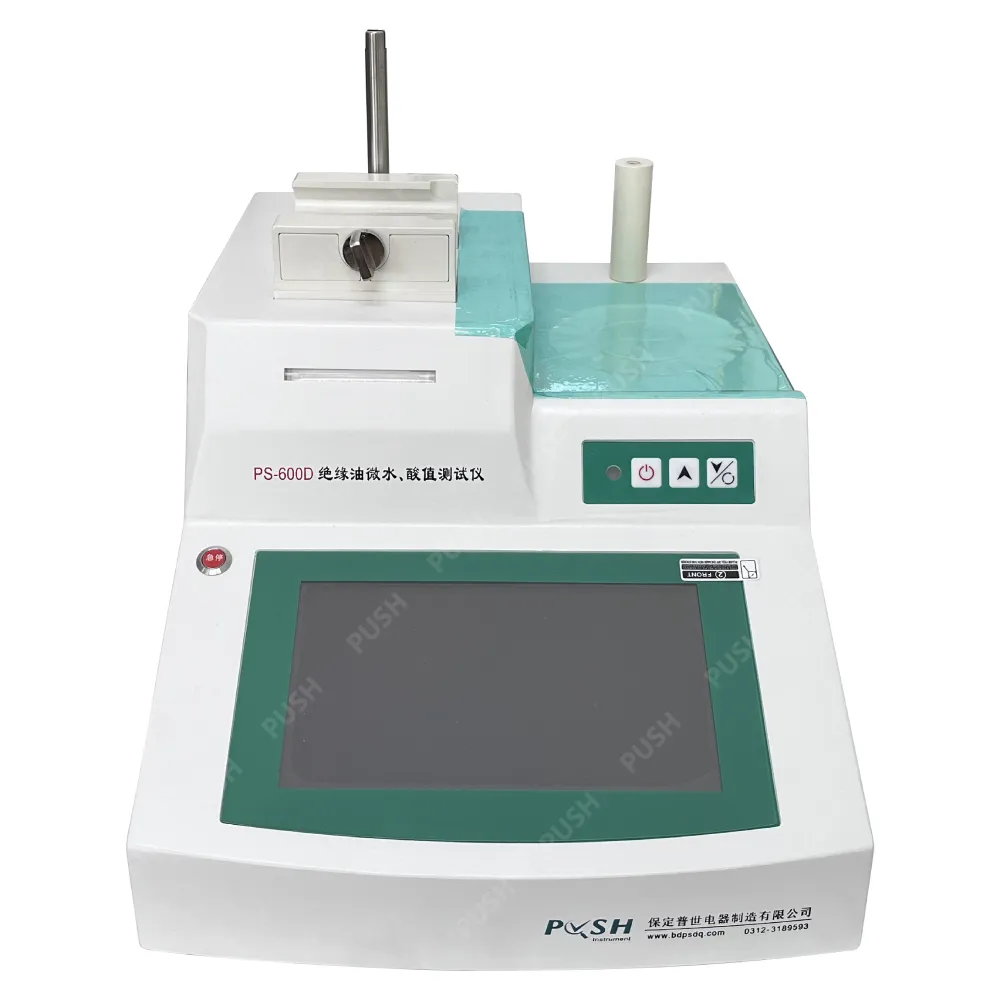
Technical Specifications: PS-DD600 Fully Potentiometric Titrator Automatic High-Precision Titrator
The PS-DD600 represents the pinnacle of automated potentiometric titration, designed for high-precision, reliable analytical performance across a multitude of industrial and research applications. Its advanced features and robust construction ensure accurate results and streamlined workflows.
| Parameter | Specification |
|---|---|
| Measurement Method | Potentiometric Titration |
| Measuring Range (pH) | 0.00 to 14.00 pH |
| Measuring Range (mV) | -1999.9 mV to 1999.9 mV |
| Resolution (pH/mV) | 0.01 pH / 0.1 mV |
| Accuracy (pH/mV) | ±0.02 pH / ±0.2 mV |
| Burette Volume | 10 mL or 20 mL (interchangeable) |
| Burette Resolution | 0.001 mL |
| Dosing Accuracy | ±0.1% (of burette volume) |
| Display | Large color LCD touch screen |
| Titration Modes | Dynamic, Equivalence point, pH stat, Manual |
| Data Storage | 1000+ titration results, 100+ methods |
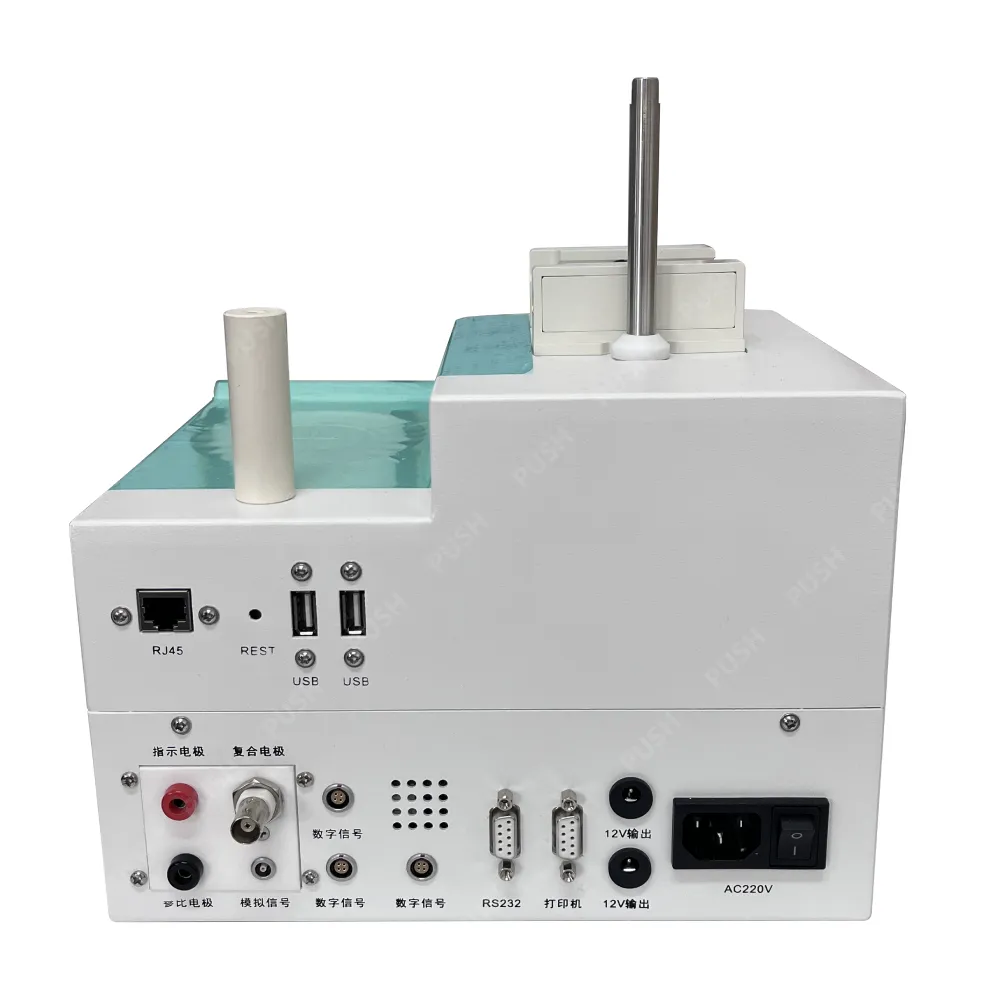
| Communication Interface | USB, RS232 (for printer, LIMS) |
| Power Supply | AC (100-240V, 50/60Hz) |
| Operating Temperature | 10°C to 35°C |
| Dimensions (L×W×H) | Approx. 340 × 280 × 330 mm |
| Weight | Approx. 8 kg |
The PS-DD600's robust specifications underscore its capability to handle complex titration tasks with a high degree of accuracy, crucial for regulated industries that require meticulous control over chemical processes.
Core Technical Advantages of Automated Titration
The transition from manual to automated titration offers a multitude of benefits, directly impacting laboratory efficiency, data quality, and operational costs. Key advantages include:
- Superior Precision and Accuracy: Automated dosing eliminates human error in reading burettes and dispensing titrant, delivering significantly higher precision and reproducibility. Electronic sensors detect endpoints with greater sensitivity than the human eye.
- Enhanced Throughput: An automatic titration machine can run multiple samples unattended, drastically increasing sample processing capacity. Some systems can be integrated with auto-samplers for continuous operation.
- Improved Data Management: Digital recording of titration curves, results, and method parameters ensures data integrity and simplifies reporting, crucial for regulatory compliance (e.g., GLP/GMP).
- Operator Safety: Minimizing human contact with potentially hazardous reagents enhances laboratory safety, reducing exposure to corrosive or toxic substances.
- Reduced Reagent Consumption & Cost: Precise dosing and optimized methods lead to more efficient use of expensive reagents, translating into direct cost savings and contributing to energy saving by reducing waste.
- Consistency Across Operators: Automated methods ensure that results are not influenced by individual operator technique, leading to greater consistency and reliability across different shifts or personnel.
- Corrosion Resistance: Components in contact with reagents are often made from inert, corrosion-resistant materials (e.g., glass, PTFE, PEEK, specialized stainless steels), ensuring long-term durability and accurate performance in aggressive chemical environments.
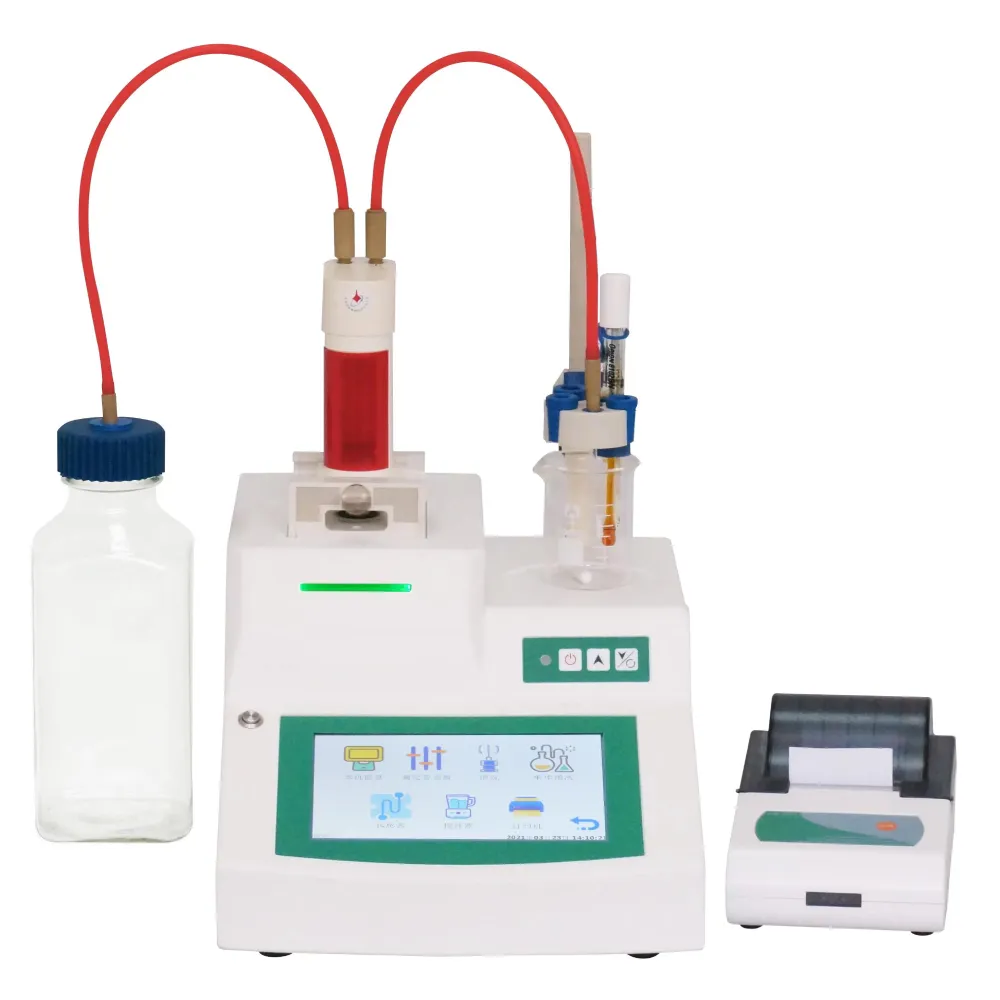
Diverse Application Scenarios of Auto Titrators
The versatility of the auto titrator makes it indispensable across a broad spectrum of industries, playing a critical role in quality control, R&D, and process optimization. Here are typical application scenarios:
- Petrochemical Industry: Determining acid number (AN), base number (BN), mercaptan sulfur, water content (Karl Fischer titration), and chloride content in crude oil, fuels, and lubricants. Essential for quality assessment and process monitoring.
- Pharmaceutical Industry: Assay determination of active pharmaceutical ingredients (APIs), raw material verification, content uniformity tests, and impurity analysis. Critical for GMP compliance and drug quality.
- Food & Beverage: Measuring acidity (tartaric, citric, acetic acid), salt content, vitamin C, sulfur dioxide, and fat content in various food products, wines, and juices to ensure product consistency and regulatory compliance.
- Environmental Analysis: Determining alkalinity, hardness (Ca/Mg), chemical oxygen demand (COD), and nitrogen compounds in water and wastewater samples. Vital for environmental monitoring and treatment plant operation.
- Chemical Manufacturing: Quality control of raw materials, intermediates, and final products for purity, concentration, and various functional groups. Examples include determining hydroxyl number in polyols or acid value in resins.
- Metallurgy: Analysis of metal ions in plating baths, acid concentration in pickling solutions, and metal content in alloys.
In each of these sectors, the ability of an automated titration system to provide rapid, accurate, and reproducible results is not just an advantage, but a necessity for operational excellence and product safety.
Vendor Comparison: Choosing the Right Automatic Potentiometric Titrator
Selecting the optimal auto titration equipment requires careful consideration of various factors beyond just the initial automatic titrator price. A comprehensive vendor comparison should evaluate technical capabilities, software integration, after-sales support, and long-term cost of ownership. Below is a general comparison framework:
| Feature/Criterion | Basic Models | Mid-Range Models (e.g., PS-DD600) | High-End/Modular Systems |
|---|---|---|---|
| Automation Level | Semi-automated, single method | Fully automated, multi-method, auto-sampler compatible | Fully automated, robotic arm integration, multiple parallel titrations |
| Accuracy & Precision | Good (0.1% burette) | Excellent (0.05-0.1% burette) | Exceptional (0.01-0.05% burette) |
| Electrode Compatibility | Limited (pH/Redox) | Wide range (pH, Redox, Ion-Selective, Conductometric) | Universal, multiple electrode ports |
| Software & Connectivity | Basic data storage, USB export | Advanced data management, LIMS compatible, audit trails | Comprehensive 21 CFR Part 11 compliance, network integration, remote control |
| Customization | Limited method customization | Extensive method development, programmable sequences | Full adaptability for unique applications, custom hardware modules |
| After-Sales Support | Basic phone/email support | On-site service, training, preventive maintenance contracts | Dedicated account managers, global service network, specialized application support |
| Typical Price Range | Entry-level automatic titrator price | Mid-range potentiometric titrator price | Premium automatic potentiometric titrator price |
Pushtester's PS-DD600, with its balance of advanced features, precision, and support, positions itself strongly in the mid-range segment, offering exceptional value for demanding industrial applications. Our focus is on providing a competitive automatic potentiometric titrator price without compromising on performance or reliability.
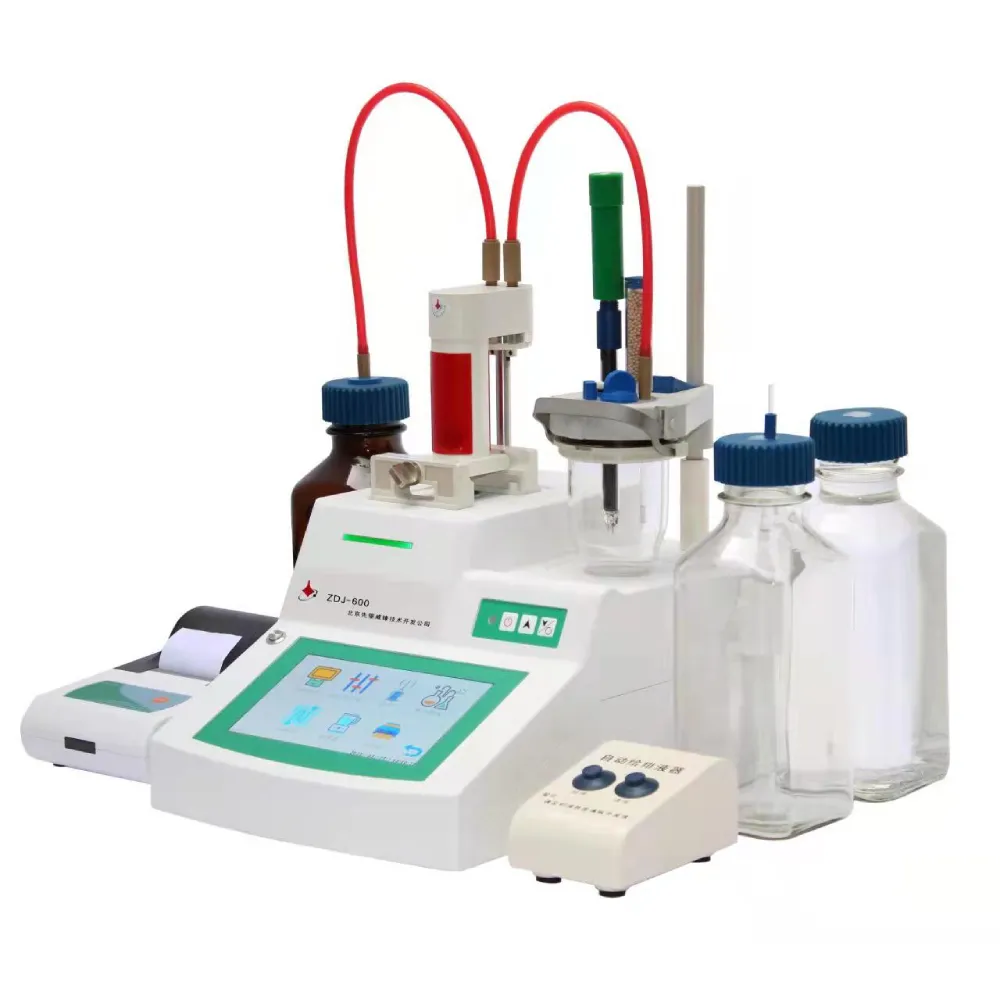
Customized Solutions and Application Case Studies
Understanding that off-the-shelf solutions may not always meet unique industrial demands, we specialize in providing customized auto titration systems. This involves tailoring method parameters, integrating with existing laboratory infrastructure (LIMS, robotic arms), and developing specific application notes to address niche analytical challenges.
Case Study 1: Petrochemical Lubricant Analysis
A major lubricant manufacturer required a highly efficient method for determining the acid number (AN) and base number (BN) of various oil samples, a critical quality parameter. Manual titration was slow, inconsistent, and consumed significant amounts of solvent. We implemented a PS-DD600 automatic potentiometric titrator with an integrated auto-sampler for 12 samples. The system was programmed with optimized methods based on ASTM D664 and D2896 standards. The result was a 60% reduction in analysis time, a 25% decrease in solvent usage (contributing to energy saving), and an improvement in inter-operator reproducibility from 5% to less than 1%. The client reported enhanced throughput and significantly more reliable data for production release.
Case Study 2: Pharmaceutical API Purity Assay
A pharmaceutical company needed to perform precise assay determinations for a new active pharmaceutical ingredient (API) with limited sample availability. The challenge was high accuracy with minimal sample volume. We provided a PS-DD600 equipped with a micro-burette (5 mL) and specialized micro-electrodes. Our technical team developed and validated a specific titration method, ensuring robust endpoint detection even with small titrant volumes. The system delivered results with an accuracy of <0.1%, crucial for regulatory submissions and batch release. The streamlined method and improved accuracy greatly expedited their R&D and quality control processes, demonstrating the value of precise automated titration.
These examples highlight our commitment to not just supplying advanced auto titrators, but also partnering with clients to implement tailored solutions that drive operational excellence and meet specific analytical demands.
Ensuring Trustworthiness: Our Commitment to Quality and Support
At Pushtester, trustworthiness is built on a foundation of robust certifications, transparent service commitments, and unwavering customer support, adhering strictly to Google standards.
Authoritativeness & Certifications:
- ISO 9001 Certified: Our manufacturing processes for every auto titrator adhere to stringent ISO 9001 quality management system standards, ensuring consistent product quality and reliability.
- CE Mark Compliance: All our equipment, including the PS-DD600, carries the CE mark, signifying compliance with European health, safety, and environmental protection standards.
- Industry Partnerships: We collaborate with leading research institutions and industry associations to stay at the forefront of analytical technology, incorporating the latest advancements into our auto titration equipment. Our instruments are designed to meet standards set by organizations like ASTM, USP, and EP.
- Years of Service: With X years (insert actual number if available, otherwise omit or use a generic "extensive experience") of experience in precision instrumentation, we have a proven track record of delivering reliable solutions to a global clientele.
Warranty and After-Sales Support:
- Comprehensive Warranty: We offer a standard 12-month warranty on the PS-DD600 automatic potentiometric titrator, covering manufacturing defects and ensuring peace of mind for our clients. Extended warranty options are also available.
- Technical Support: Our dedicated team of technical experts provides responsive support via phone, email, and remote diagnostics. From installation guidance to application troubleshooting, we ensure your instrument operates at peak performance.
- Training & Documentation: We provide comprehensive user manuals, online resources, and optional on-site training sessions to empower your team with the knowledge to maximize the utility of your auto titrator.
- Spare Parts & Service: A global network ensures quick access to genuine spare parts and qualified service technicians for timely maintenance and repairs, minimizing downtime.
Frequently Asked Questions (FAQ)
Q1: What is the typical lead time for a PS-DD600 auto titrator?
A1: Our standard lead time for the PS-DD600 is typically 3-4 weeks from order confirmation, depending on current stock levels and customization requirements. Expedited shipping options are available upon request.
Q2: How does the automatic titrator price compare to manual systems?
A2: While the initial automatic titrator price is higher than manual setups, automated systems offer significant long-term savings. These include reduced labor costs, minimized reagent waste, eliminated re-testing due to human error, and improved throughput. The total cost of ownership (TCO) for an auto titrator is often lower over its service life.
Q3: Can the PS-DD600 handle different types of titration (e.g., acid-base, redox)?
A3: Yes, the PS-DD600 is a versatile automatic potentiometric titrator designed to perform various types of titrations, including acid-base, redox, complexometric, non-aqueous, and precipitation titrations. Its broad electrode compatibility and flexible method programming allow for diverse applications.
Q4: What kind of maintenance does an auto titration equipment require?
A4: Regular maintenance includes cleaning the burette and tubing, checking electrode condition, and periodic calibration. Our instruments are designed for easy maintenance, and detailed instructions are provided in the user manual. We also offer preventive maintenance contracts for optimal performance and longevity.
Conclusion
The auto titrator stands as a critical technological advancement in modern analytical chemistry, offering unparalleled precision, efficiency, and safety. From rigorous quality control in petrochemicals and pharmaceuticals to environmental monitoring, its automated capabilities drive significant operational benefits. As industries continue to demand higher accuracy and throughput, innovative solutions like the PS-DD600 Fully Potentiometric Titrator provide the robust and reliable performance necessary for critical quantitative analysis. Partnering with a trusted provider ensures not only access to cutting-edge automatic titration machines but also comprehensive support and customized solutions tailored to specific industrial needs.
References
- International Organization for Standardization (ISO). ISO 9001:2015 - Quality management systems — Requirements.
- ASTM International. Standard Test Method for Acid Number of Petroleum Products by Potentiometric Titration (D664).
- European Pharmacopoeia (Ph. Eur.) and United States Pharmacopeia (USP). General Chapters on Titrimetric Analysis.
- Council of European Union. CE Marking Guidelines and Regulations.
-
Find the Best Loop Impedance Tester for Sale and Ensure Electrical SafetyNewsMar.31,2026
-
Comprehensive Guide to Loop Impedance Meter for Electrical SafetyNewsMar.28,2026
-
Understanding and Choosing a Line Impedance Tester for Optimal Network PerformanceNewsMar.26,2026
-
Comprehensive Guide to Line Earth Loop Impedance Test for Electrical SafetyNewsMar.24,2026
-
Comprehensive Guide to Fault Loop Impedance Meter and Electrical SafetyNewsMar.21,2026
-
Comprehensive Guide to External Loop Impedance Test for Electrical SafetyNewsMar.19,2026


