 English



Dielectric Loss Test Solutions | Accurate, Fast, Certified
Insulating Oil Diagnostics: A Practical Guide to the Dielectric Loss Landscape
If you maintain transformers or lab-test insulating liquids, you already know the value of a dielectric loss test. It’s a small measurement that tells big stories—aging, moisture ingress, contamination, and whether a maintenance outage will run smoothly or turn into a weekend.
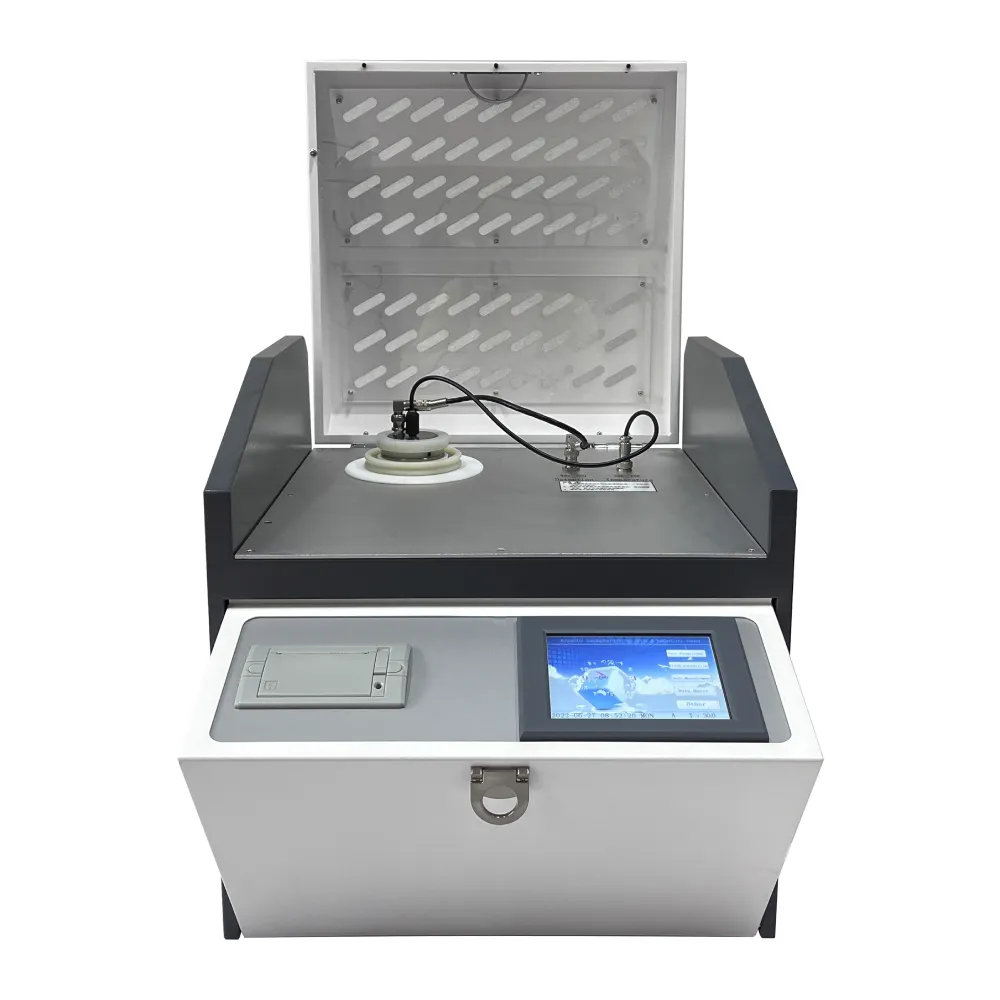
Industry trend check: faster, smaller, more traceable
Utilities are shifting from bench-bound measurements to compact, fully automatic rigs with built-in temperature control and cloud exports. In fact, procurement teams now ask for direct compliance with ASTM D924, IEC 60247, and GB/T 5654 as a baseline. And, to be honest, they also want it to be portable enough to carry up a substation ladder without cursing.
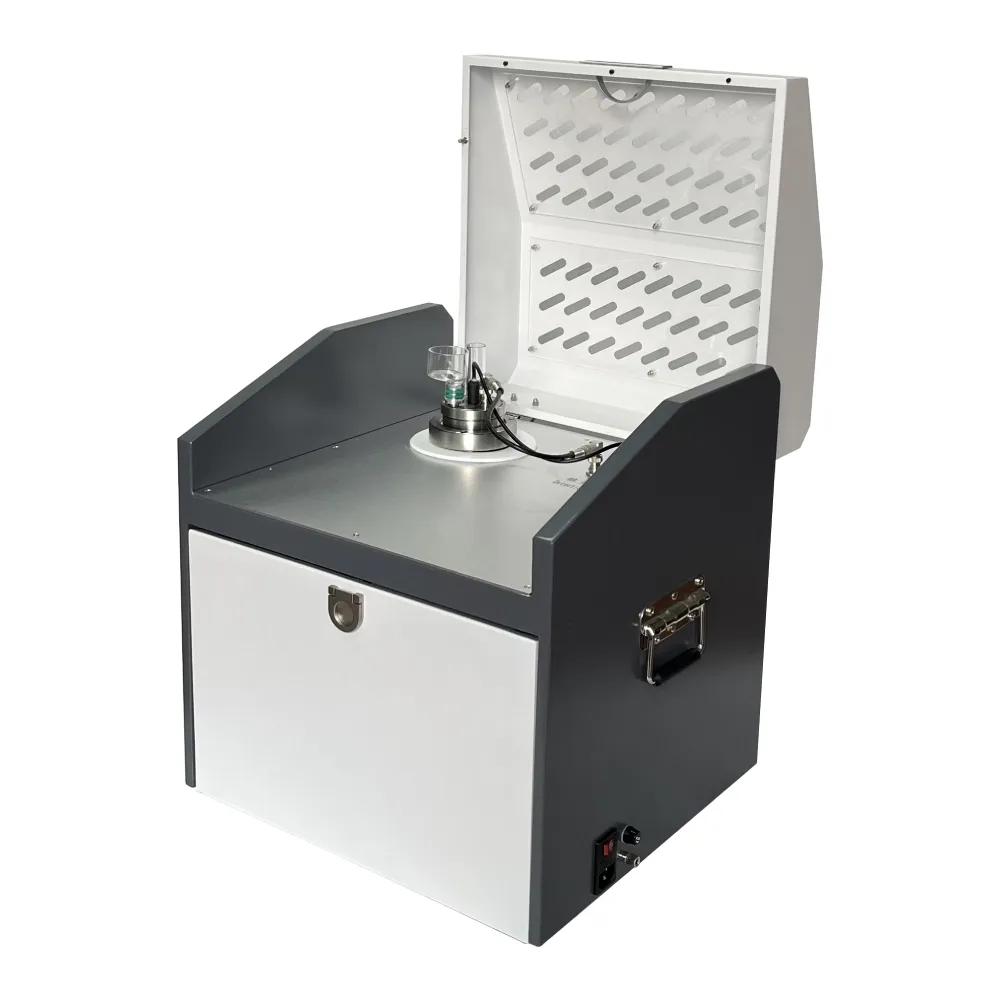
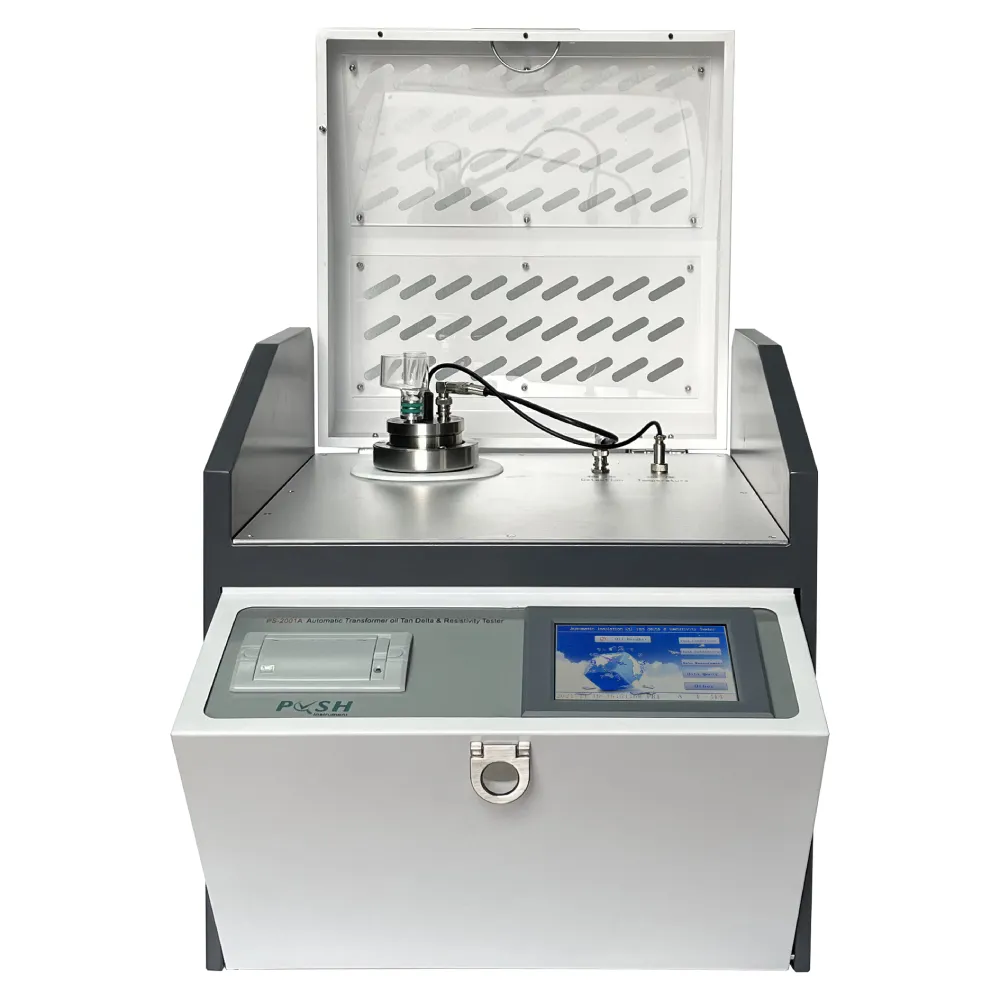
Product spotlight: PS-2000A Insulating Oil Dielectric Loss and Volume Resistivity Tester
Designed around ASTM D924 and GB/T 5654, the PS-2000A automates tan δ (dissipation factor) and DC resistivity for insulating oils and similar liquids. It’s portable, boots fast, and—judging from my notes—produces stable numbers, even with samples that would make a metrologist wince. Many customers say the UI is refreshingly straightforward.
| Key spec (typical) | PS-2000A |
|---|---|
| Measured items | Tan δ (dissipation factor), DC volume resistivity |
| Standards | ASTM D924; GB/T 5654; aligns with IEC 60247 |
| Frequency / Voltage | 50/60 Hz; test voltage user-selectable (≈0.2–2 kV, real-world use may vary) |
| Temperature control | Automatic heating; closed-loop control (≈±0.1–0.2 °C typical) |
| Measurement ranges | Tan δ ≈ 1×10⁻⁴ to 1; Resistivity up to ≈10¹³ Ω·m (application-dependent) |
| Form factor | Portable, fully automatic; field-ready carrying case |
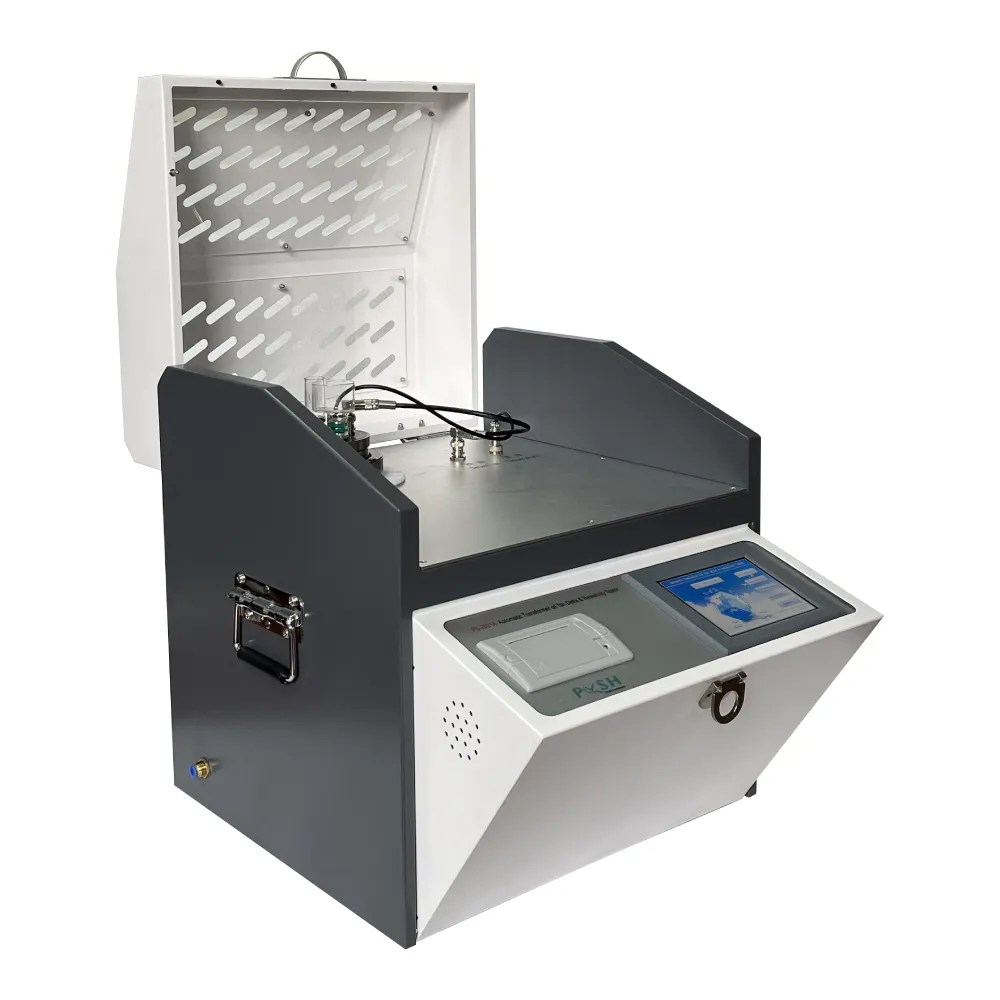
Process flow: from bottle to number
- Materials: mineral insulating oil, synthetic esters, natural esters, silicone fluids (verify electrode compatibility).
- Methods: clean, dry three-electrode test cell per ASTM D924; degas if needed; set temperature (often 25/40/90 °C).
- Standards: ASTM D924, GB/T 5654, IEC 60247; for resistivity cross-check, IEC 61620 is common.
- Execution: automatic temperature soak → measure tan δ → measure DC resistivity → store/print.
- Service life: instrument ≈ 8–10 years with annual calibration; test cell gaskets typically replaced every 12–24 months.
- Industries: power T&D, rail traction substations, wind farm step-ups, transformer OEM labs, oil recyclers.
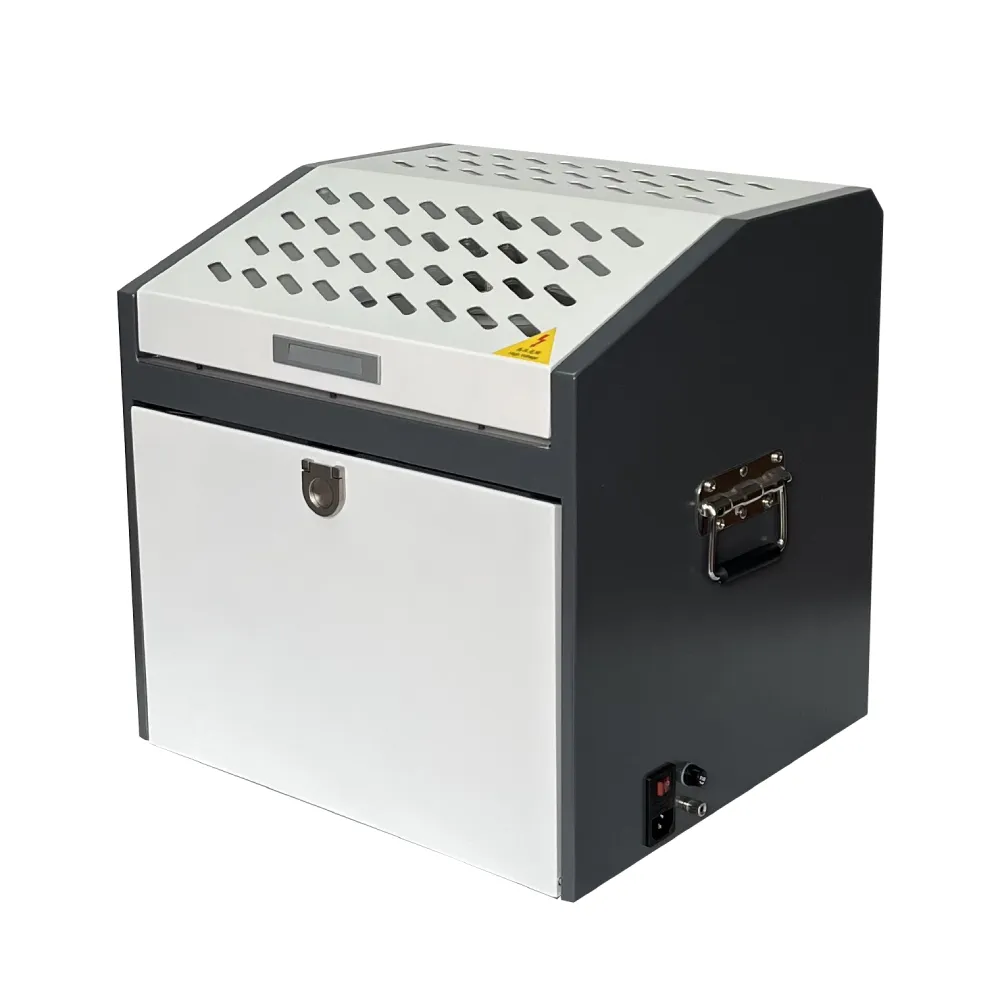
Where it shines (and a quick case)
Usage scenarios: incoming oil acceptance, periodic fleet audits, post-maintenance validation, and troubleshooting units showing elevated partial discharge. One utility in North China shaved two days off commissioning by running dielectric loss test checks on-site—caught a moisture issue early, reprocessed the oil, and the transformer passed on the second fill.
Customer feedback: “Numbers are repeatable,” says a substation engineer; another mentions “temperature stability is better than our older bench meter.” Certifications and traceability matter—request a recent calibration certificate and a materials declaration for the test cell.
Vendor comparison (field-notes)
| Model | Compliance | Portability | Temperature control | Notes |
|---|---|---|---|---|
| PushTester PS-2000A | ASTM D924, GB/T 5654; aligns IEC 60247 | Portable | Closed-loop, automatic | Strong for on-site dielectric loss test campaigns |
| Bench Brand A (lab) | IEC 60247 focus | Benchtop only | High precision | Great for reference labs; less mobile |
| Value Model B | Basic tan δ | Portable | Manual steps | Budget choice; training recommended |
Customization and logistics
Options I’ve seen requested: custom test sequences by temperature steps (e.g., 25→40→90 °C), locale-specific report templates, additional electrode sets for esters, and API export. Origin: Room 302, Building 5, Baoding Zhongguancun Digital Economy Industrial Park, No. 777 Lixing Street, Jingxiu District, Baoding, Hebei Province.
Standards, data, and acceptance
Typical acceptance values vary by oil type and temperature (see IEC 60422/IEEE guides). Always pair dielectric loss test with moisture and breakdown voltage for a full picture. Keep calibration within 12 months and document the test cell’s cleaning routine—surprisingly, that’s where most outliers begin.
- ASTM D924 – Standard Test Method for Dissipation Factor (or Power Factor) and Relative Permittivity of Electrical Insulating Liquids.
- GB/T 5654 – Measurement of relative permittivity, dielectric dissipation factor and DC resistivity of insulating liquids.
- IEC 60247 – Insulating liquids—Measurement of relative permittivity, dielectric dissipation factor and d.c. resistivity.
- IEC 61620 – Insulating liquids—Determination of the dielectric dissipation factor by measurement of the conductance and capacitance.
- IEC 60422 / IEEE C57.106 – Mineral insulating oils in electrical equipment—Supervision and maintenance guides.
-
Find the Best Loop Impedance Tester for Sale and Ensure Electrical SafetyNewsMar.31,2026
-
Comprehensive Guide to Loop Impedance Meter for Electrical SafetyNewsMar.28,2026
-
Understanding and Choosing a Line Impedance Tester for Optimal Network PerformanceNewsMar.26,2026
-
Comprehensive Guide to Line Earth Loop Impedance Test for Electrical SafetyNewsMar.24,2026
-
Comprehensive Guide to Fault Loop Impedance Meter and Electrical SafetyNewsMar.21,2026
-
Comprehensive Guide to External Loop Impedance Test for Electrical SafetyNewsMar.19,2026


