 English



Grease Penetrometer: Fast, Accurate, ASTM D217—Why Us?
A Field Insider’s Take on the grease penetrometer That Labs Actually Use
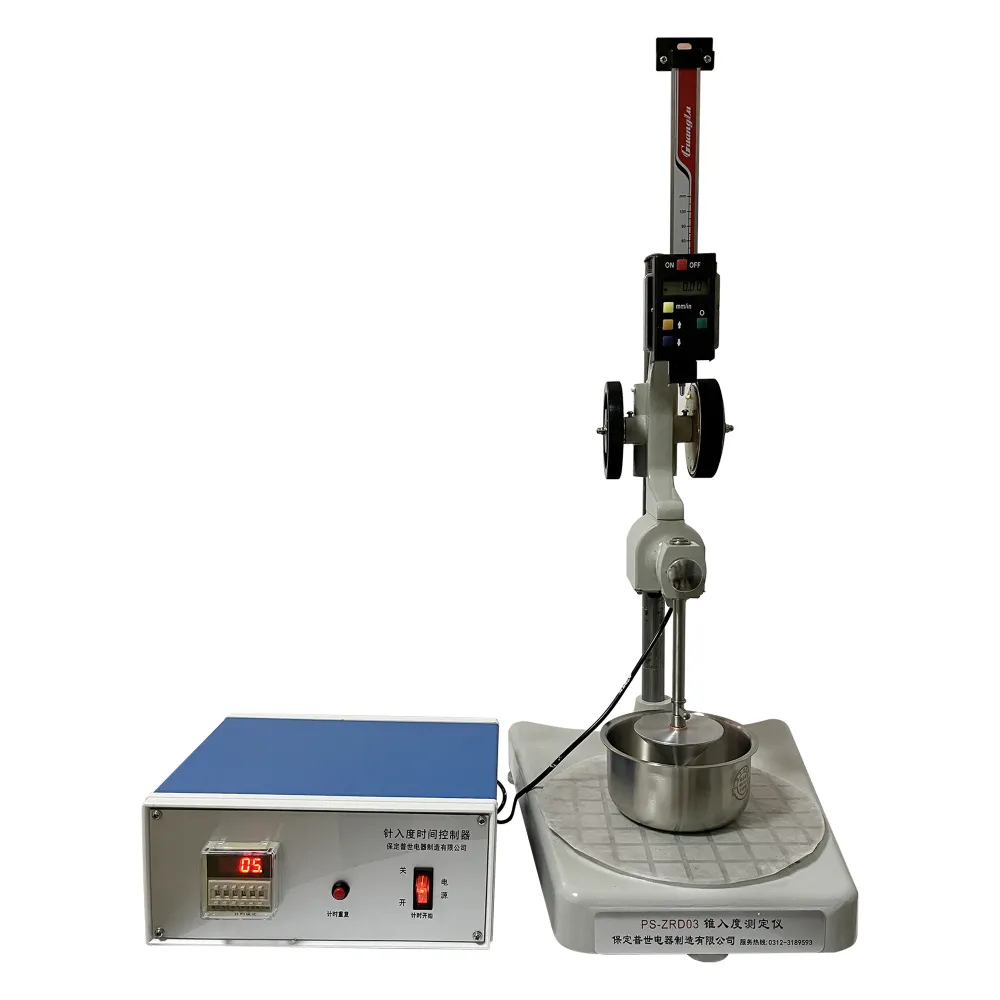
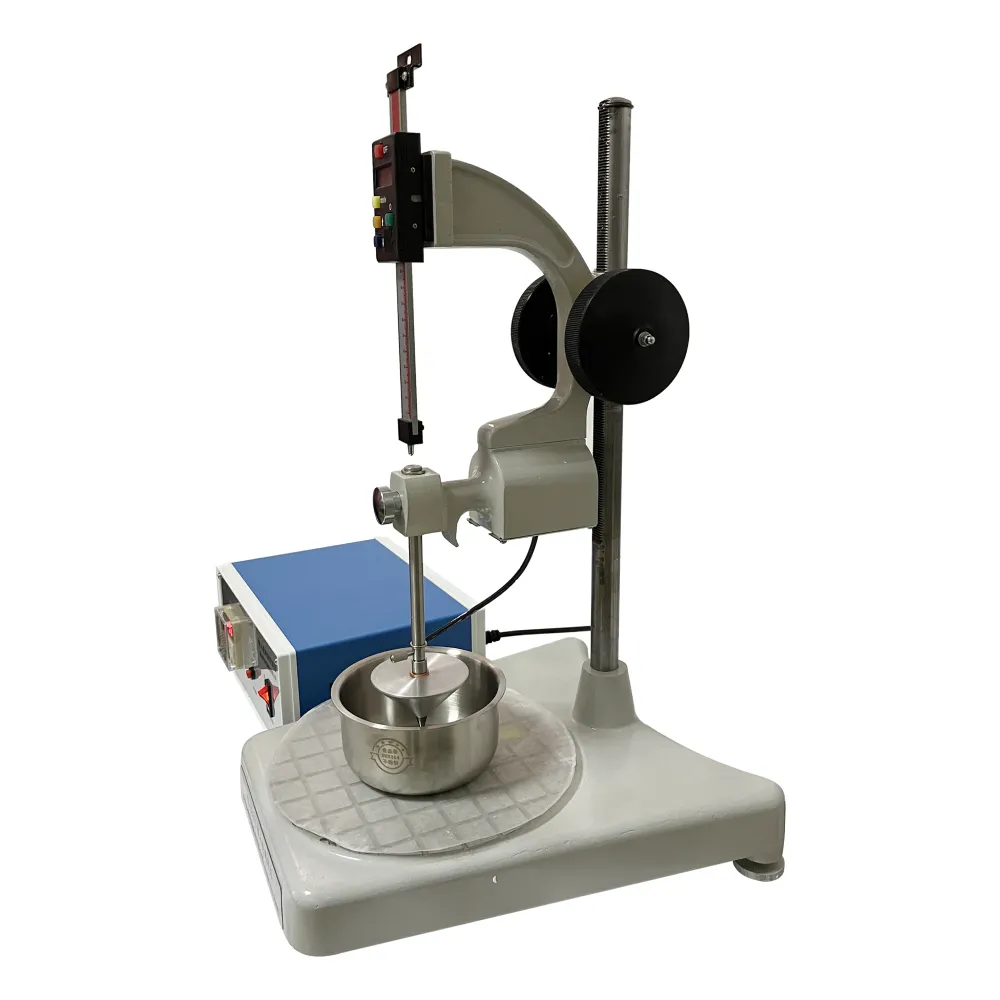
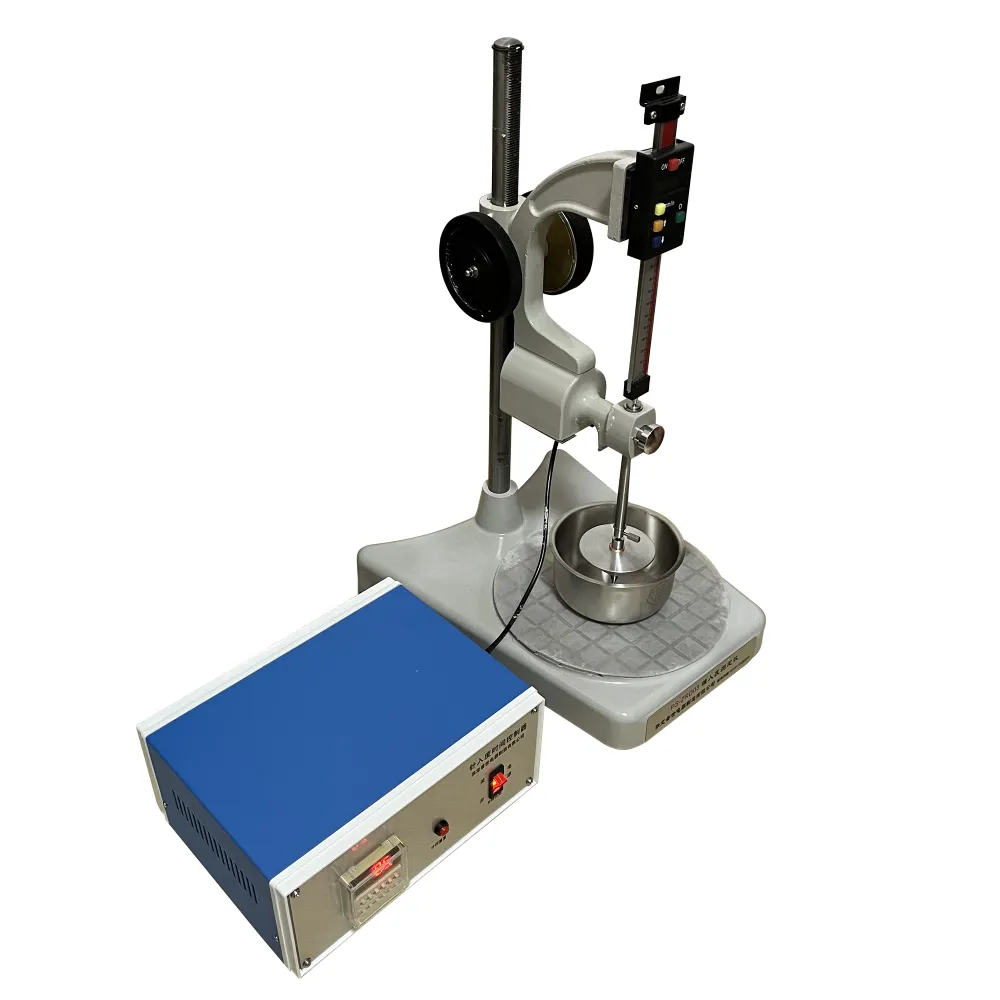
If you work with lubricants, you already know how much rides on a reliable grease penetrometer. The PS-ZRD03—full name: “astm d217 Lubricating Grease Cone Lubricity Oil Penetration Tester Penetrometer”—lands squarely in that sweet spot between rock-solid standards compliance and practical usability. Built to GB/T 269, ISO 2137, ASTM D217, and IP 50, it’s the sort of bench unit you find in busy QA labs and small R&D setups alike. Origin-wise, it’s manufactured at Room 302, Building 5, Baoding Zhongguancun DigitalEconomy Industrial Park, No. 777 Lixing Street, Jingxiu District, Baoding, Hebei Province—yes, I checked.
Why this matters right now
Two trends are hard to miss: electrification (e-mobility bearings need consistent NLGI grades) and food-safe greases where consistency is audited to the decimal. Labs tell me consistency drift is expensive. A standards-aligned grease penetrometer cuts through doubt and keeps batch release smooth. Surprisingly, more food labs are using cone penetrometers for cheese, butter, and sugar gum texture checks—PS-ZRD03 ships with options for those materials too.
What it does, briefly
Cone penetration (0.1 mm units) is determined by allowing a standardized cone to sink under gravity for a fixed time, usually 5 s at 25 °C. The PS-ZRD03 supports grease, petrolatum, plus solid fine particles, powders, colloids, frozen bodies, and some food matrices. Think NLGI grading, batch-to-batch QC, and formulation tweaks.
Typical Specifications (real-world use may vary)
| Parameter | PS-ZRD03 (≈) |
|---|---|
| Standards | GB/T 269, ISO 2137, ASTM D217, IP 50 |
| Penetration range | 0–460 × 0.1 mm (typical) |
| Timing | 5 s test; timing accuracy ≈ ±0.1 s |
| Cone mass | 150 g cone (std), total assembly ≈ 102.5 g–150 g per method |
| Temperature control | 25 °C bath option; stability ≈ ±0.1–0.2 °C |
| Repeatability | ±3–5 units (0.1 mm) with proper conditioning |
| Power/Size | AC 220 V; benchtop footprint, compact |
Process flow in the lab
- Materials: lubricating grease, petrolatum; optionally cheese, butter, sugar gum, powders/colloids.
- Methods: ASTM D217/ISO 2137 cone penetration; conditioning at 25 °C; 5 s drop.
- Testing standards: GB/T 269; ISO 2137; ASTM D217; IP 50.
- Service life: around 5–10 years with annual calibration; cones last longer if handled gently.
- Industries: automotive, rail, wind, marine, food processing, base oil blending, academic research.
Vendor snapshot (what buyers compare)
| Vendor/Model | Compliance | Temp Control | Notes |
|---|---|---|---|
| PUSH Tester PS-ZRD03 | GB/T 269, ISO 2137, ASTM D217, IP 50 | Bath option, ±0.1–0.2 °C | Versatile needles; food-texture capable |
| Vendor A Bench Model | ASTM/ISO core only | External bath required | Strong for grease; limited food options |
| Vendor B Automated | ASTM/ISO/IP | Integrated, ±0.1 °C | Higher price; auto-drop timing |
Real-world usage and feedback
One automotive blender told me their NLGI 2 grease averages 278 (0.1 mm) at 25 °C on this grease penetrometer, matching legacy data within ±3 units—good enough for tight specs. Food labs like the quick swap to cheese/butter needles. Calibration services (ISO 17025-style certificates are available from third parties) keep auditors happy; CE and ISO 9001 documentation is typically provided—always confirm with your supplier.
Customization and options
- Cones/needles for grease vs. food-grade matrices.
- Bath integration, custom sample cups, and timed release mechanisms.
- Data logging kits for LIMS import (CSV/USB), plus spare cones for round-robin testing.
Quick case notes
Wind turbine OEM: tightened QC by switching to ISO 2137 conditioning; batch rejects dropped ~12% in a quarter. A dairy processor, oddly enough, used the same rig to standardize butter texture for seasonal milk variability. Different worlds, same grease penetrometer backbone.
References
- ASTM International — ASTM D217, Standard Test Methods for Cone Penetration of Lubricating Grease. https://www.astm.org/Standards/D217.htm
- ISO — ISO 2137, Petroleum products and lubricants — Determination of cone penetration of lubricating greases and petrolatum. https://www.iso.org
- GB/T 269, Determination of Penetration of Lubricating Grease and Petroleum Grease (China). https://www.sac.gov.cn
- Energy Institute — IP 50, Determination of penetration of grease. https://www.energyinst.org
-
Find the Best Loop Impedance Tester for Sale and Ensure Electrical SafetyNewsMar.31,2026
-
Comprehensive Guide to Loop Impedance Meter for Electrical SafetyNewsMar.28,2026
-
Understanding and Choosing a Line Impedance Tester for Optimal Network PerformanceNewsMar.26,2026
-
Comprehensive Guide to Line Earth Loop Impedance Test for Electrical SafetyNewsMar.24,2026
-
Comprehensive Guide to Fault Loop Impedance Meter and Electrical SafetyNewsMar.21,2026
-
Comprehensive Guide to External Loop Impedance Test for Electrical SafetyNewsMar.19,2026


