 English



High Voltage Digital Insulation Tester – 10kV, Auto-Logging
A Field Reporter’s Take on Today’s High-Voltage Insulation Testing
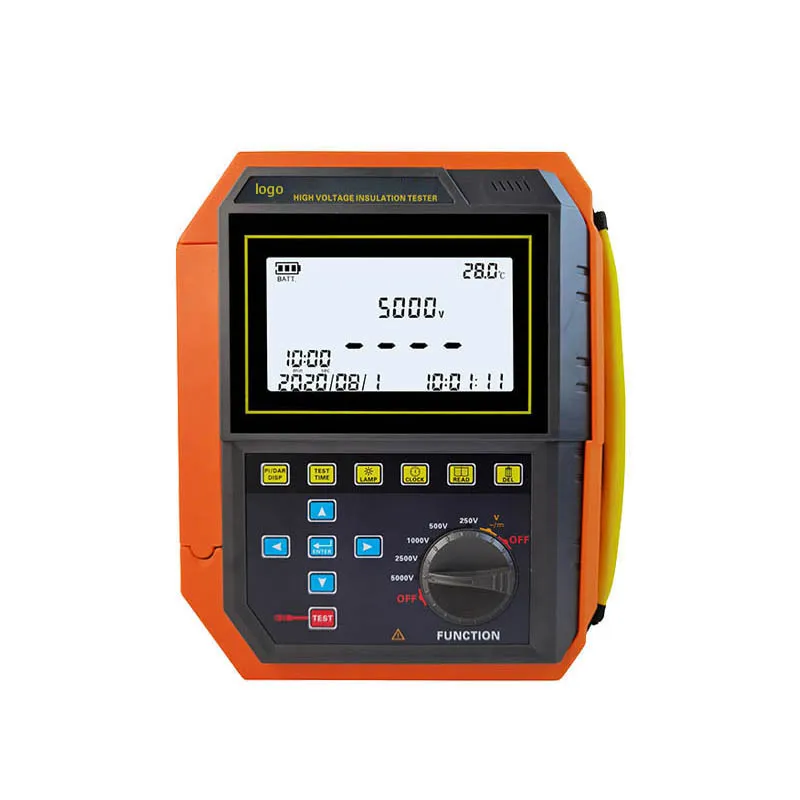
If you work around power equipment, you eventually need a high voltage digital insulation tester. I’ve lugged more than a few across substations and factory floors, and the difference between a good tester and a so-so one is the difference between confident sign-off and nagging doubt. The PS-3420 High Voltage Insulation Resistance Tester comes from a team in Baoding, Hebei—Room 302, Building 5, Baoding Zhongguancun DigitalEconomy Industrial Park, No. 777 Lixing Street, Jingxiu District, to be exact—and it’s clearly built for real-world lab and on-site work.
Why the buzz now?
Electrification is everywhere—EV drivetrains, solar farms, HVDC links. Cables are longer, motors run hotter, and insulation systems are pushed harder. That’s why labs and maintenance teams are asking for stable source voltage, better noise rejection, and meaningful diagnostics (PI/DAR, step-voltage, timed tests). In short: smarter high voltage digital insulation tester tools, not just a bigger dial.
What the PS-3420 aims to do
It’s a megohmmeter—also called a high-voltage mega—made for transformers, motors, switchgear, long cable runs, and aerospace harnesses. The core idea is simple: apply a controlled DC test voltage and measure insulation resistance across time. The details—stability, guarding, leakage handling—make or break your data.
Typical specs (real-world use may vary)
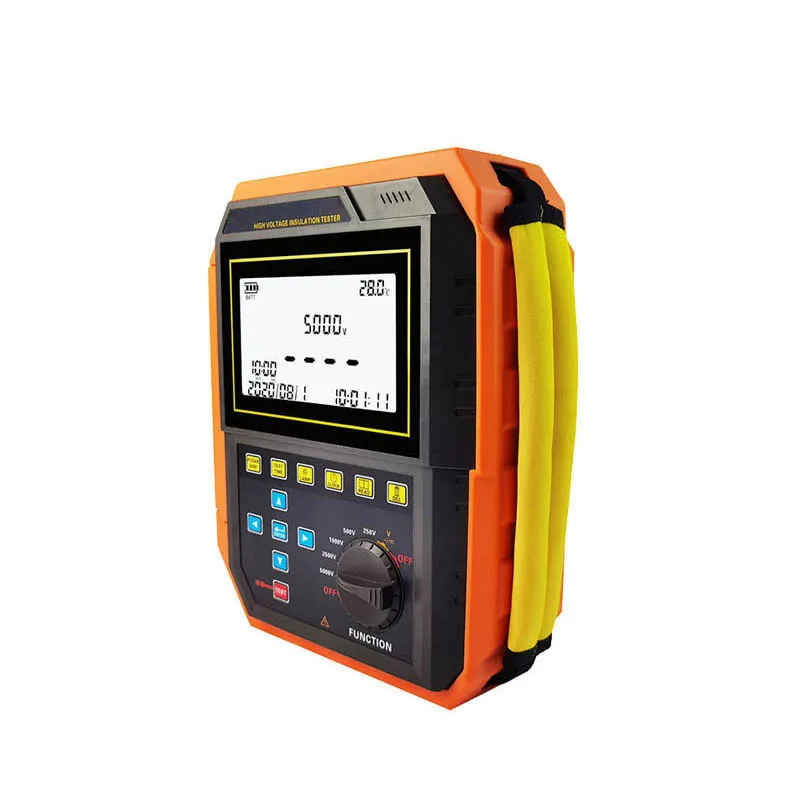
| Model | PS-3420 High Voltage Insulation Resistance Tester |
| Test Voltage Range | ≈ 500 V to 5 kV (configurable; check datasheet for exact options) |
| Resistance Range | Up to around 10 TΩ (noise and environment dependent) |
| Functions | Timed test, PI/DAR, step-voltage, polarization/leakage current |
| Safety/Certs | IEC/EN 61010-1, IEC 61557-2; CE; RoHS (typical for class) |
| I/O | USB (data export), optional Bluetooth (varies by build) |
Note: Specifications depend on configuration; always verify with the vendor.
Process flow and methods
Materials: silicone-insulated HV leads, guarded clips, optional shielded test cables. Methods: 1) IR at a fixed voltage (1 min), 2) PI/DAR to assess moisture/contamination, 3) Step-voltage for stress behavior, 4) Leakage current tracking. Standards: IEC 61557-2 for insulation testers, IEEE 43 for rotating machines, ASTM D257 for volume/surface resistivity. Service life of a tester like this is typically 5–8 years with annual calibration; leads may need earlier replacement in harsh sites.
Where it’s used (and what users say)
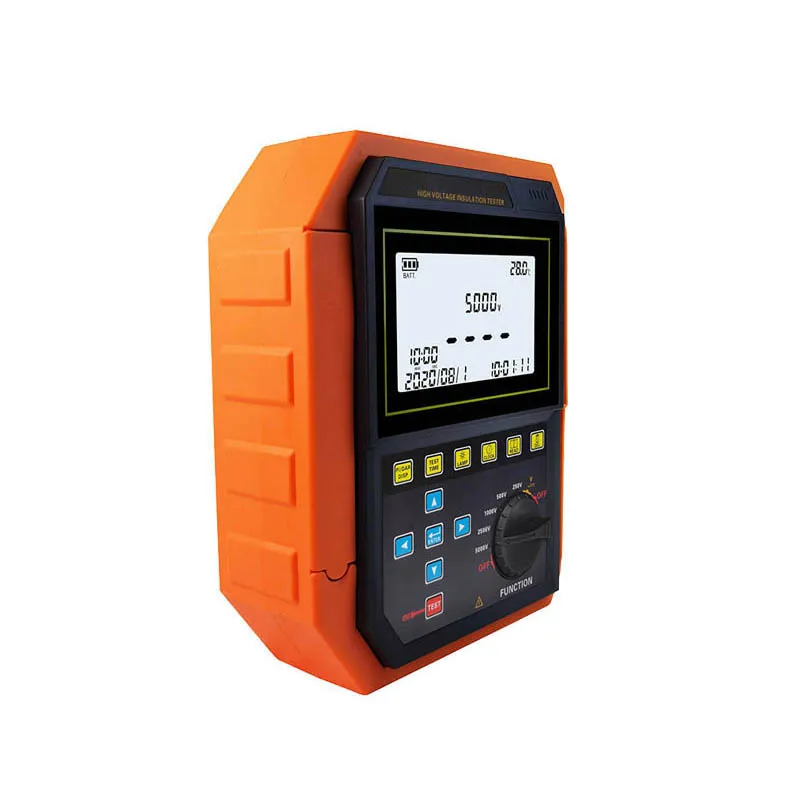
Power plants, substation maintenance, motor rewind shops, EV drivetrains, rail traction, aerospace labs. Many customers say the UI feels straightforward and the guard terminal helps tame surface leakage on humid days. I’ve seen test data around 1–5 TΩ at 5 kV for new dry transformer windings; aged motors might show 50–200 MΩ and a mediocre PI, which is your cue to plan maintenance.
Customization and integration
Common requests: longer HV leads (10–20 m), custom step-voltage profiles, barcoded asset tagging, CSV exports, and dielectric-absorption timing tweaks. Some teams add a portable printer for audit trails—handy when QA drops by unannounced.
Vendor snapshot: how PS-3420 stacks up
| Model | Voltage | Max Range | Notable |
|---|---|---|---|
| PS-3420 | ≈ 0.5–5 kV | Up to ≈ 10 TΩ | PI/DAR, guard terminal, lab or field use |
| Bench 10kV Pro | Up to 10 kV | ≈ 20 TΩ | Heavier; deeper analytics; pricier |
| Handheld 1kV Lite | Up to 1 kV | ≈ 1 TΩ | Ultra-portable; limited on motors/transformers |
Mini case notes
1) Wind farm cable loop: step-voltage at 2.5/5.0 kV showed stable current—green light; commissioning finished ahead of schedule. 2) Steel mill motor rewind: initial PI = 1.3 at 1 kV; post-bake and revarnish PI rose to 2.6—clear improvement documented for QA.
Safety first (seriously)
Follow lockout/tagout, discharge capacitive loads, and respect the CAT ratings. Use clean dry surfaces, guarding rings when applicable, and keep one hand behind your back—old-school advice that still saves lives.
Citations
- IEC 61557-2: Electrical safety in low voltage distribution systems—Insulation resistance.
- IEEE Std 43-2013: Recommended Practice for Testing Insulation Resistance of Rotating Machines.
- ASTM D257: Standard Test Methods for DC Resistance or Conductance of Insulating Materials.
- IEC 61010-1: Safety requirements for electrical equipment for measurement, control, and laboratory use.
-
Find the Best Loop Impedance Tester for Sale and Ensure Electrical SafetyNewsMar.31,2026
-
Comprehensive Guide to Loop Impedance Meter for Electrical SafetyNewsMar.28,2026
-
Understanding and Choosing a Line Impedance Tester for Optimal Network PerformanceNewsMar.26,2026
-
Comprehensive Guide to Line Earth Loop Impedance Test for Electrical SafetyNewsMar.24,2026
-
Comprehensive Guide to Fault Loop Impedance Meter and Electrical SafetyNewsMar.21,2026
-
Comprehensive Guide to External Loop Impedance Test for Electrical SafetyNewsMar.19,2026


