 English



Inductance Break Point Test | Fast, Accurate, Automated
Inductance Break Point Test: field notes from real substations
If you maintain capacitor banks and series/parallel reactors, you’ve probably wrestled with intermittent opens and mystery imbalances. That’s where the Inductance Break Point Test becomes the quiet hero—pinpointing discontinuities in windings or connections before they snowball into outages. I’ve watched crews save an entire evening shift by catching a subtle segment open with this method.
Why the test matters now
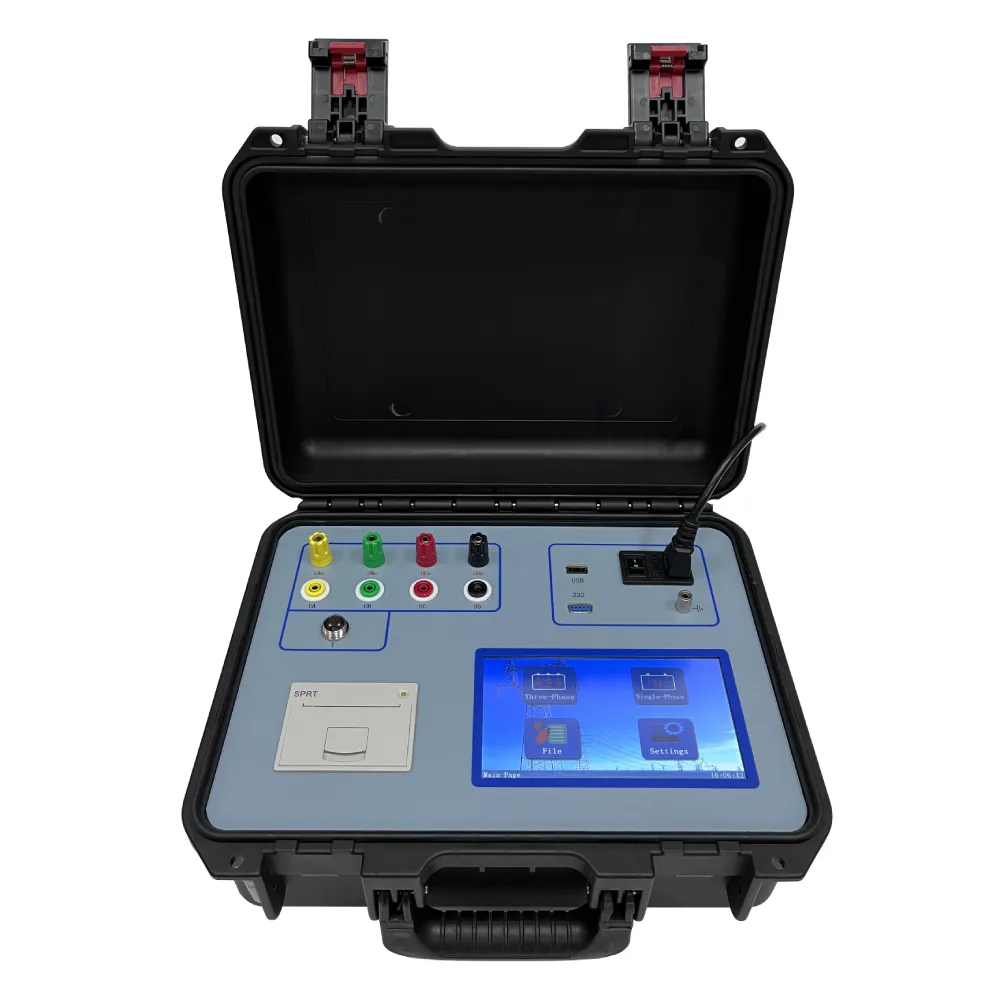
Grids are running harder—renewables, EV fast-charging, harmonic-rich loads. Surprisingly, the weak link is often a simple open in a reactor tap or an uneven string in a shunt capacitor bank. The Inductance Break Point Test checks for open turns, loose joints, and hidden discontinuities by comparing phase-to-phase inductance (or section-by-section) against known baselines. Simple idea, big payoff.
Instrument spotlight: PUSH Electrical PS-RG03
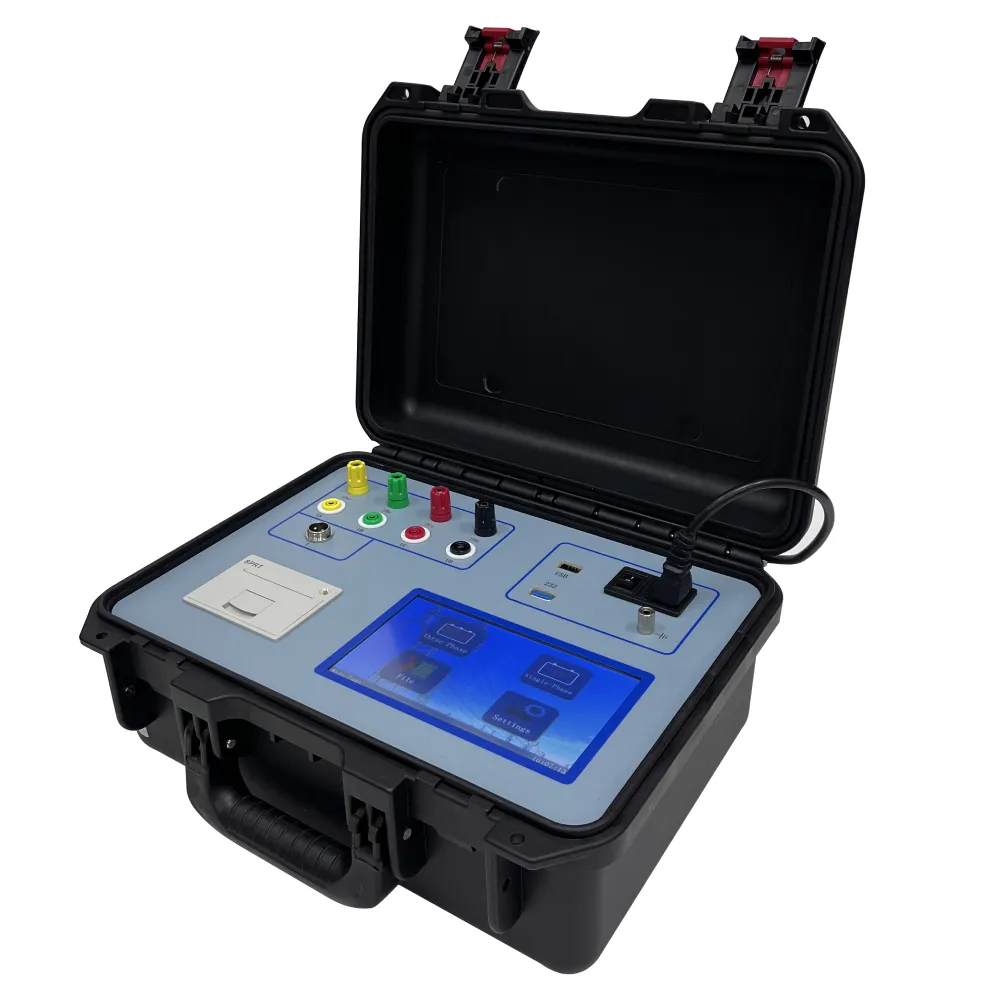
From Room 302, Building 5, Baoding Zhongguancun Digital Economy Industrial Park (No. 777 Lixing Street, Jingxiu District, Baoding, Hebei), PUSH Electrical ships the PS-RG03 Capacitance Inductance Tester—built for high‑voltage shunt capacitor banks and reactors in reactive compensation devices. It references GB3983.2‑1989, DL/T840‑2003, and JB5346‑1998, so utilities feel at home with the workflow.
| Key Spec | PS-RG03 (≈ values) |
|---|---|
| Inductance range / resolution | μH to H class / 0.1 μH steps (real‑world use may vary) |
| Capacitance range | nF to mF for shunt bank strings |
| Accuracy | ±0.5% to ±1% typical on calibrated loads |
| Safety & references | GB3983.2‑1989, DL/T840‑2003, JB5346‑1998 (operational reference) |
| Service life | Around 8–10 years with annual calibration |
How the Inductance Break Point Test is run
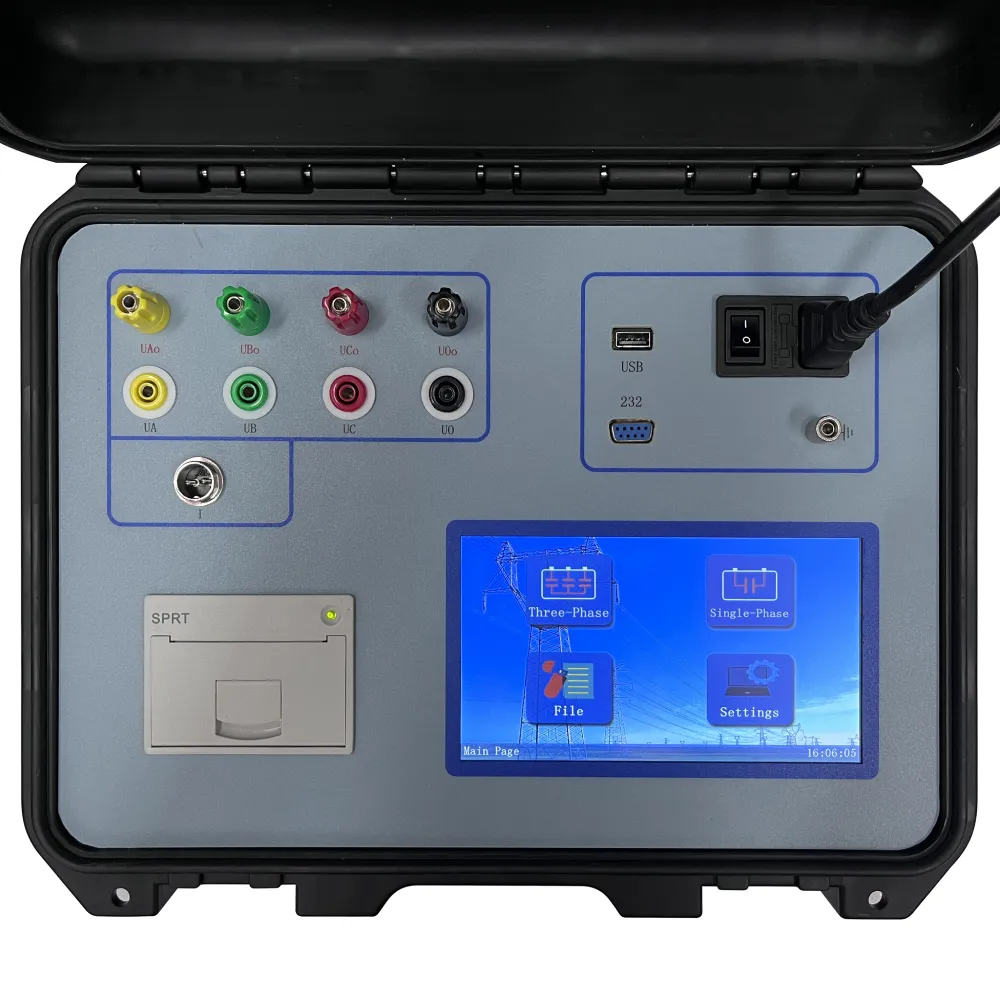
- Materials: insulated test leads (rated), lockout/tagout, PS-RG03, baseline sheets.
- Methods: de‑energize, discharge capacitors, isolate reactors; measure per phase/section; compare delta vs baseline.
- Testing standards: GB3983.2‑1989 (HV shunt capacitors), DL/T840‑2003 (use conditions), JB5346‑1998 (series reactors). IEC 60871 and IEEE 18 often referenced on multinational sites.
- Industries: transmission/distribution substations, steel mills, PV/wind collector stations, metro traction.
- Output: pass/fail thresholds typically set at ≤2–3% deviation; investigate any asymmetry spikes.
Case: 110 kV yard, late shift
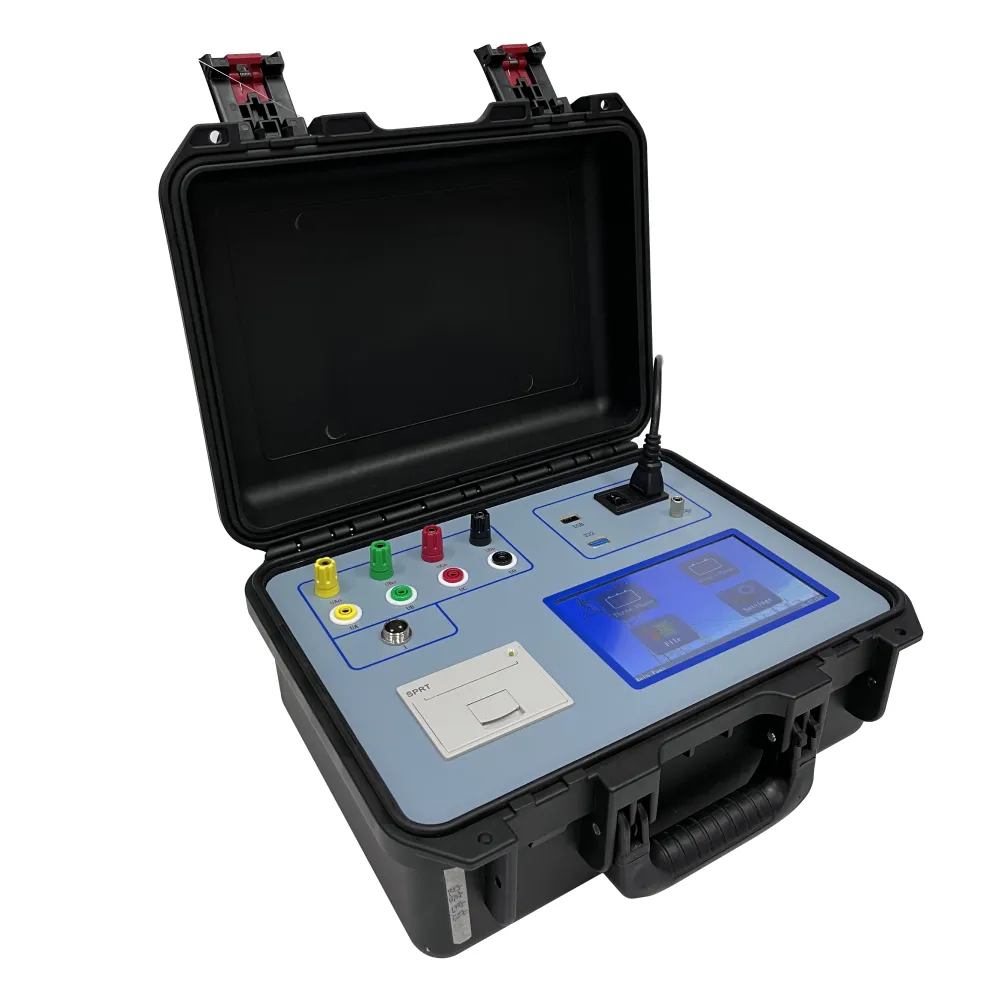
We saw Phase B reactor drifting. The PS‑RG03 logged L(A)=12.45 mH, L(B)=11.82 mH, L(C)=12.47 mH; ΔB ≈ −5.1% vs fleet average—too high. Inspection found a loose series link, basically a hidden break point ready to go open under load. Crew tightened, retested: L(B)=12.44 mH; balance restored. Customer said, “It paid for itself tonight.” I guess that’s the whole story.
Vendor snapshot (buyers keep asking)
| Vendor | Strengths | Notes |
|---|---|---|
| PUSH Electrical (PS‑RG03) | HV capacitor/reactor focus; references GB/DL/JB standards; practical UI | Ships with factory calibration; support from Baoding base |
| Vendor A | Broader benchtop LCR portfolio | Less field‑rugged, lab‑centric |
| Vendor B | Advanced data export/SCADA hooks | Higher price; lead times vary |
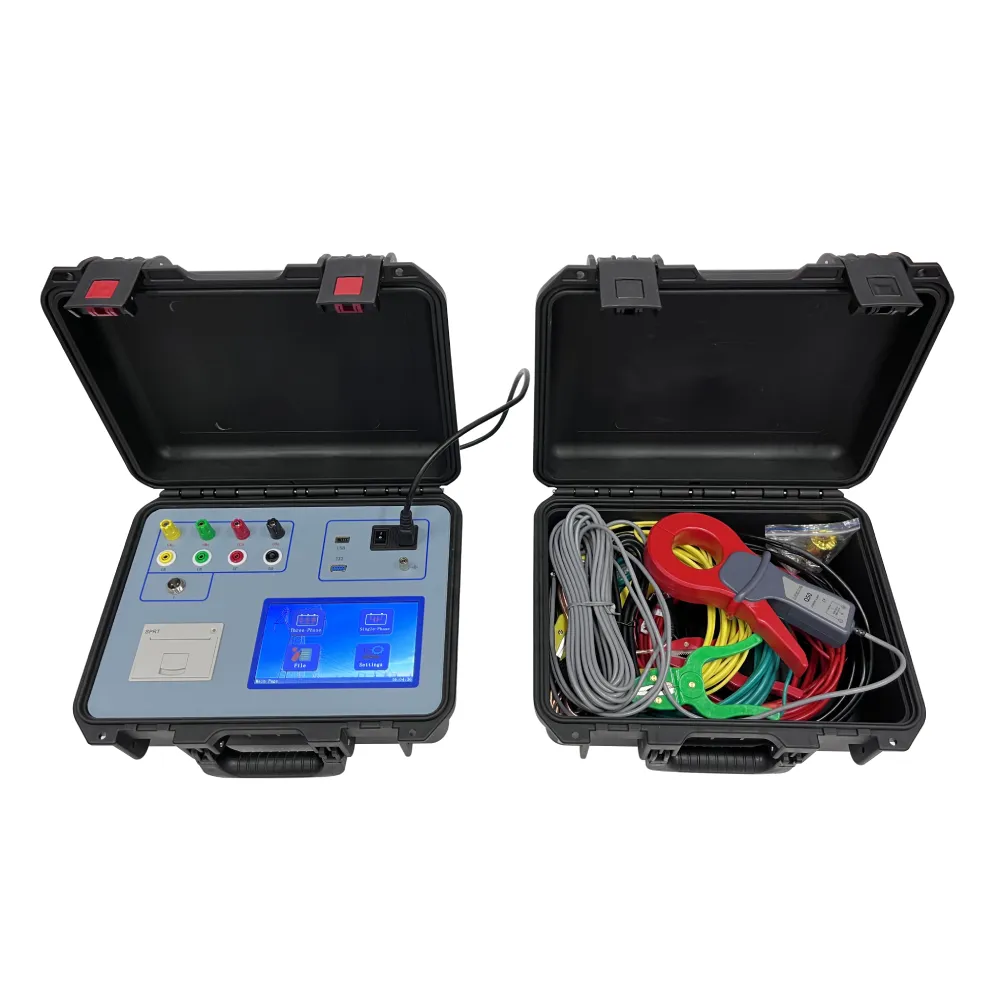
Practical tips and certifications
- Calibrate yearly; store baselines by asset class; trend deviations, not single points.
- Ask for a calibration certificate; many buyers also require ISO 9001 vendor QMS and CE conformity for site acceptance.
- Document with photos; attach Inductance Break Point Test plots to work orders to speed approvals.
Final word: the Inductance Break Point Test is simple, but in the noisy world of reactive compensation, it’s the quiet check that keeps the lights on.
Authoritative references
- GB3983.2‑1989 High‑voltage shunt capacitors
- DL/T840‑2003 Technical conditions for the use of high‑voltage shunt capacitors
- JB5346‑1998 Series Reactors
- IEC 60871‑1:2014 Shunt capacitors for a.c. power systems
- IEEE Std 18‑2012 Shunt Power Capacitors
-
Find the Best Loop Impedance Tester for Sale and Ensure Electrical SafetyNewsMar.31,2026
-
Comprehensive Guide to Loop Impedance Meter for Electrical SafetyNewsMar.28,2026
-
Understanding and Choosing a Line Impedance Tester for Optimal Network PerformanceNewsMar.26,2026
-
Comprehensive Guide to Line Earth Loop Impedance Test for Electrical SafetyNewsMar.24,2026
-
Comprehensive Guide to Fault Loop Impedance Meter and Electrical SafetyNewsMar.21,2026
-
Comprehensive Guide to External Loop Impedance Test for Electrical SafetyNewsMar.19,2026


