 English



Kinematic Viscosity Measurement | Fast, ASTM-Compliant
Kinematic Viscosity Measurement is a key solution in the Instrument manufacturing industry, specifically within testing machine and viscometer. This article explores how Baoding Push Electrical Appliance Manufacturing Co., Ltd. supports professionals with durable, high-performance products, and explains why this product is an ideal choice for businesses in these sectors.
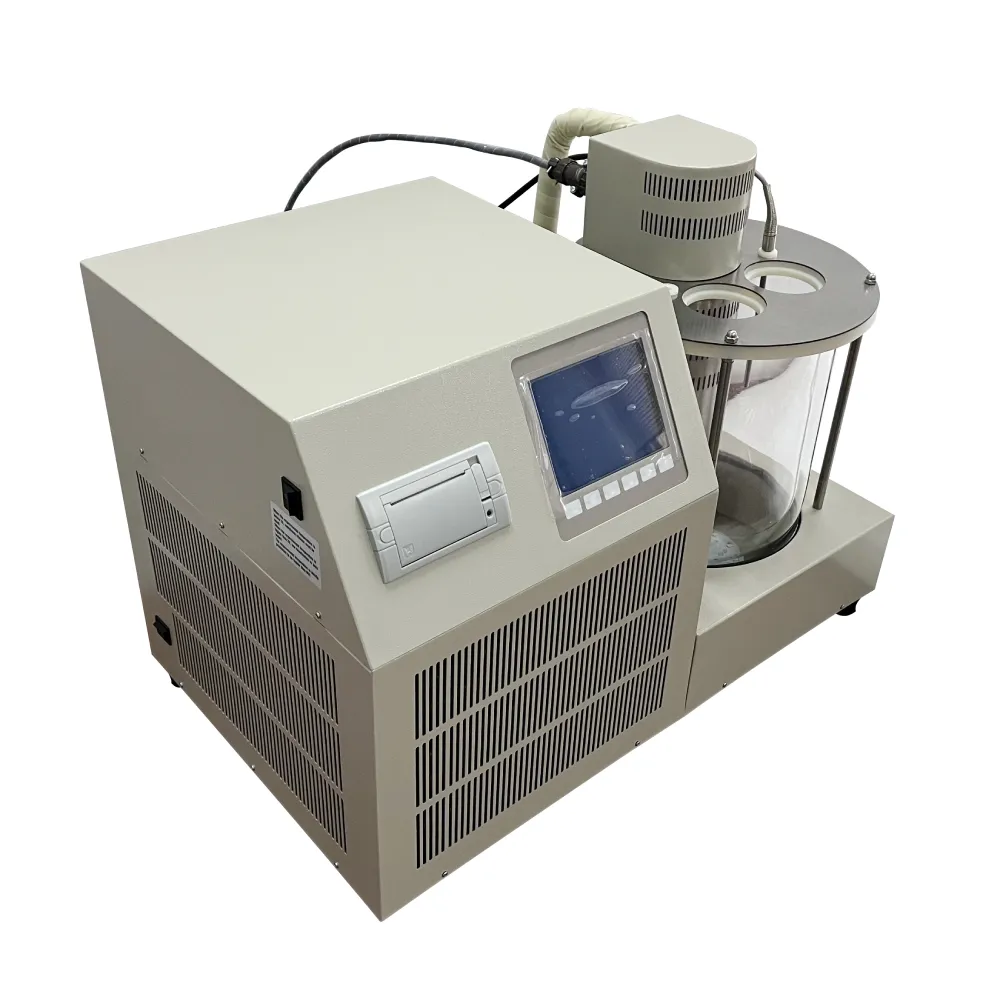
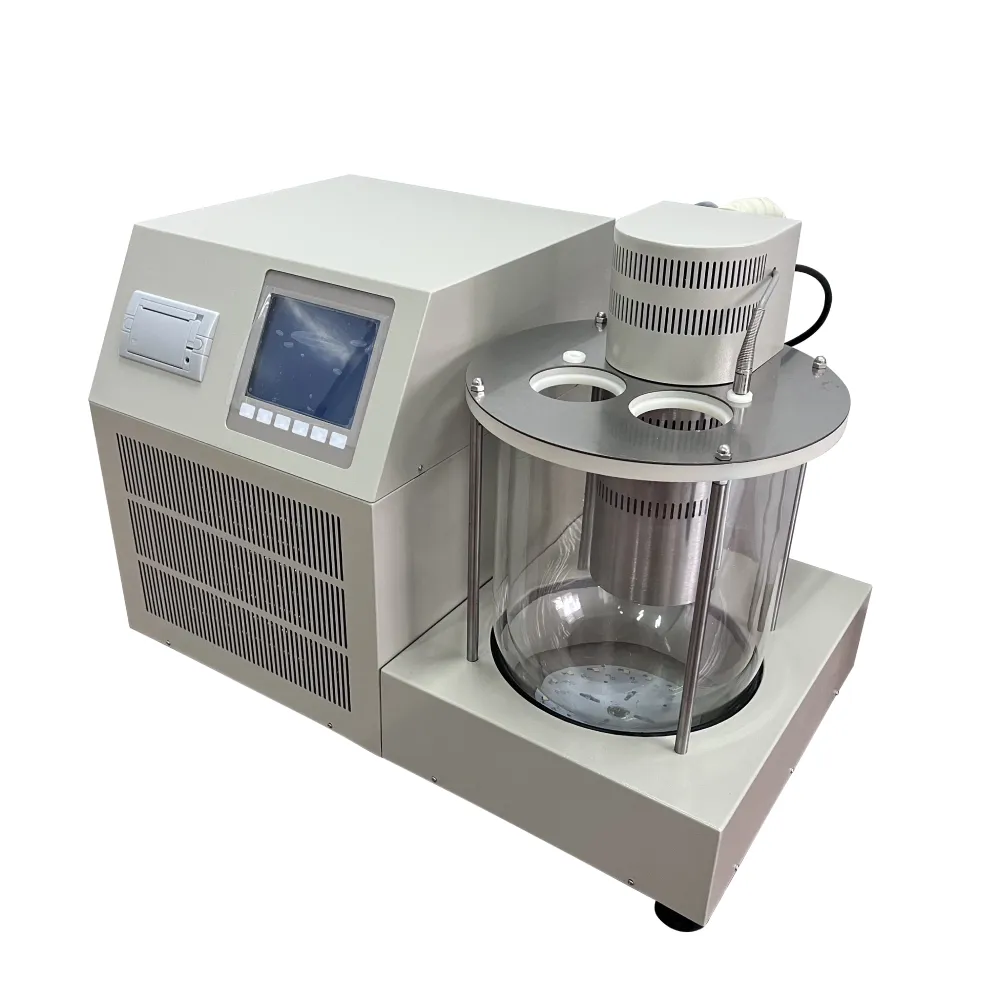
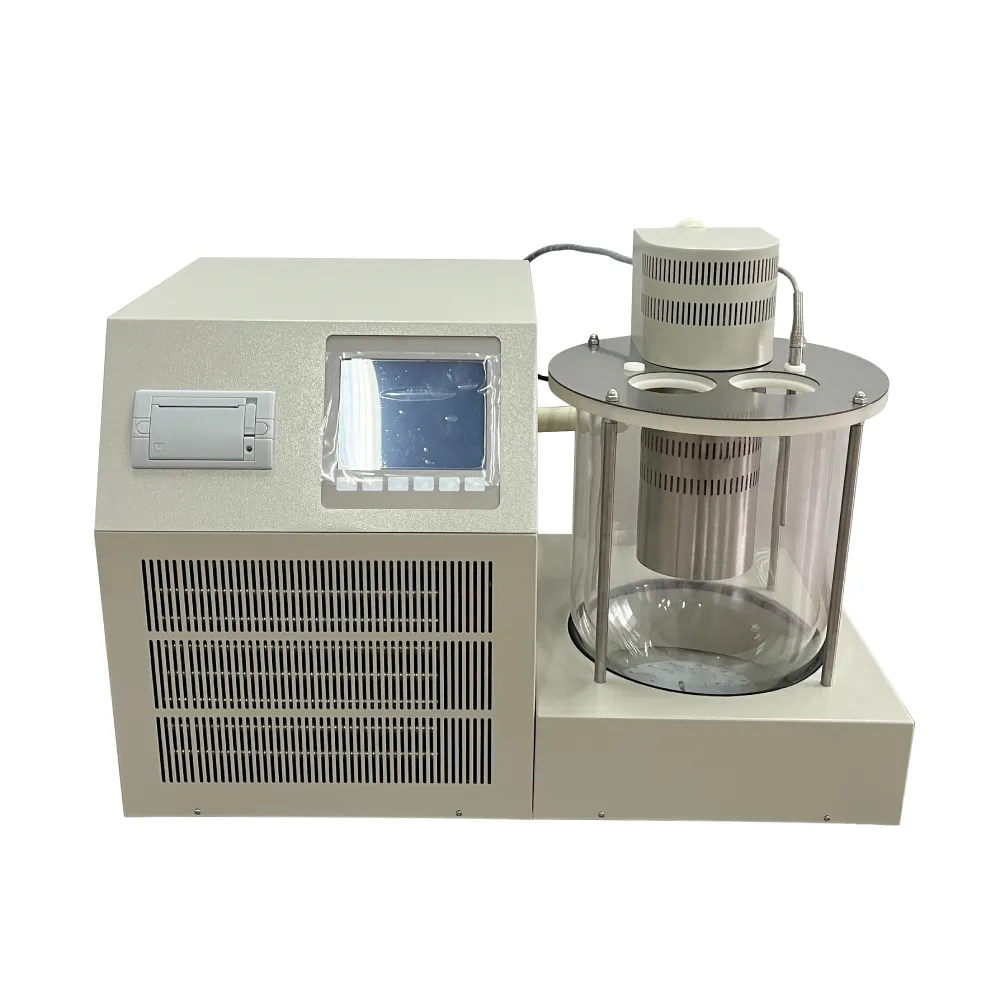
Table of Contents
- Kinematic Viscosity Measurement Overview
- Benefits & Use Cases of Kinematic Viscosity Measurement in viscometer
- Cost, Maintenance & User Experience
- Sustainability & Market Trends in Instrument manufacturing industry
- Conclusion on Kinematic Viscosity Measurement from Baoding Push Electrical Appliance Manufacturing Co., Ltd.
Kinematic Viscosity Measurement Overview
Kinematic Viscosity Measurement determines how quickly a fluid flows under gravity at a controlled temperature, reported in mm²/s (cSt). In petroleum and lubrication testing, it is the primary indicator of film strength, pumpability, and energy losses. Laboratories perform this test using glass capillary viscometers immersed in a constant-temperature bath, following standards such as ASTM D445, ISO 3104, and GB/T 265. Low-temperature capability is increasingly critical for hydraulic oils, gear oils, aviation fluids, and e-fluids that must perform in cold climates. Baoding Push Electrical Appliance Manufacturing Co., Ltd. engineers instruments that meet these demands with repeatable, audit-ready data.
- The PUSH PS-DW01 low-temperature kinematic viscosity tester integrates a stable refrigeration bath, precise PID temperature control, and digital timing to minimize operator error.
- Designed for multi-sample throughput with excellent bath uniformity, it supports common viscometer types (e.g., Ubbelohde, Cannon-Fenske) and traceable calibration with standard oils.
- As a reliable manufacturer in viscometer and testing machine categories, Baoding Push offers robust build quality, compliance to international methods, and responsive lifecycle support.
Benefits & Use Cases of Kinematic Viscosity Measurement in viscometer
For B2B decision makers in oil blending, refining, power utilities, and third-party labs, Kinematic Viscosity Measurement underpins product release, formulation, and warranty protection. A kinematic viscosity tester like the PS-DW01 ensures accurate results across a wide temperature range, enabling evaluations at 40°C/100°C and in sub-zero conditions for cold-start behavior. Typical use cases include QC of base oils and additives, monitoring aging of transformer oils, checking hydraulic fluid pumpability, and confirming spec compliance for gear and aviation oils. As a dedicated oil viscosity tester, the instrument offers dependable precision for routine and R&D workflows alike.
- Competitive advantages: excellent temperature stability, multi-position bath capacity for higher throughput, and guided timing to cut manual variability in viscosity tester for oil applications.
- Optional data export supports LIMS-friendly workflows, improving traceability and audit readiness for ISO/IEC 17025 labs.
- Backed by Baoding Push Electrical Appliance Manufacturing Co., Ltd.’s domain expertise, customers receive method assistance, application notes, and operator training that reduce onboarding time.
Cost, Maintenance & User Experience
Total cost of ownership for Kinematic Viscosity Measurement hinges on instrument longevity, energy use, solvent consumption, and throughput. The PS-DW01’s durable bath design and efficient refrigeration reduce energy demand, while multi-sample capability cuts per-test labor. Over a three-to-five-year horizon, labs commonly realize ROI from faster release testing and fewer repeats due to improved temperature stability and timing accuracy. Routine maintenance is straightforward: verify temperature calibration with certified thermometers, validate viscometers with NIST-traceable standards, and follow proper solvent cleaning protocols to extend glassware life. Baoding Push supports spare parts availability and service guidance to keep uptime high.
- User feedback in the testing machine sector highlights quick stabilization times, intuitive controls, and consistent results across operators—key drivers of lower cost per sample.
- Application support and training from Baoding Push help labs shorten method transfer, reducing hidden costs associated with onboarding and compliance audits.
Sustainability & Market Trends in Instrument manufacturing industry
Global quality standards and ESG objectives are reshaping viscosity testing. Stricter specifications for modern lubricants, EV e-fluids, and low-temperature hydraulic oils require precise Kinematic Viscosity Measurement over wider ranges. Laboratories are prioritizing energy-efficient baths, lower-GWP refrigerants, solvent reduction, and digital traceability. Meanwhile, regulatory alignment with ASTM D445/ISO 3104 and regional equivalents continues to drive method harmonization and proficiency testing. As test volumes grow with new lubricant families, instruments that combine stability, throughput, and data integrity deliver the best long-term value.
- Baoding Push Electrical Appliance Manufacturing Co., Ltd. takes a forward-looking approach—engineering efficient thermal management, supporting responsible solvent practices, and enabling digital data handling to minimize waste and rework.
- By aligning product design with sustainability trends and compliance needs, Baoding Push helps laboratories meet corporate ESG goals without compromising analytical rigor.
Conclusion on Kinematic Viscosity Measurement from Baoding Push Electrical Appliance Manufacturing Co., Ltd.
Kinematic Viscosity Measurement remains the cornerstone of lubricant and fuel quality control. With the PS-DW01 kinematic viscosity tester, laboratories gain stable temperature control, streamlined workflows, and reliable data—whether used as an oil viscosity tester in routine QC or a versatile viscosity tester for oil in R&D. Backed by Baoding Push Electrical Appliance Manufacturing Co., Ltd.’s engineering and support, you can scale throughput while maintaining compliance and confidence in every result. Contact us: email: sales@oil-tester.com. Visit our website: https://www.pushtester.com
- Recap: precise, efficient, and compliant Kinematic Viscosity Measurement for viscometer and testing machine applications.
- Reputation: Baoding Push Electrical Appliance Manufacturing Co., Ltd. delivers durable equipment and dependable lifecycle support.
- Strong CTA: Contact us: email: sales@oil-tester.com — Visit our website: https://www.pushtester.com
-
Find the Best Loop Impedance Tester for Sale and Ensure Electrical SafetyNewsMar.31,2026
-
Comprehensive Guide to Loop Impedance Meter for Electrical SafetyNewsMar.28,2026
-
Understanding and Choosing a Line Impedance Tester for Optimal Network PerformanceNewsMar.26,2026
-
Comprehensive Guide to Line Earth Loop Impedance Test for Electrical SafetyNewsMar.24,2026
-
Comprehensive Guide to Fault Loop Impedance Meter and Electrical SafetyNewsMar.21,2026
-
Comprehensive Guide to External Loop Impedance Test for Electrical SafetyNewsMar.19,2026


