 English



Power Quality Analysis Services: Solve Issues & Optimize Performance
Understanding the Imperative of Modern Power Quality Analysis
In the intricate landscape of modern industrial and commercial operations, maintaining optimal electrical system performance is paramount. Fluctuations, disturbances, and inefficiencies in electrical power can lead to significant operational disruptions, equipment damage, and financial losses. This necessitates the meticulous discipline of power quality analysis, a critical process that evaluates the characteristics of electrical power supplied to a facility or system, ensuring it meets the required standards for reliable operation of sensitive equipment.
The contemporary industrial environment is increasingly reliant on sophisticated electronics, automation, and data processing. These systems are highly susceptible to deviations from ideal power conditions, such as voltage sags, swells, transients, harmonics, and frequency variations. The proactive identification and mitigation of these issues through comprehensive power quality analysis services are no longer a luxury but a fundamental operational requirement. This proactive approach underscores the pressing need of power quality monitoring across all sectors.
Current Industry Trends and Challenges
- Digitization and IoT Integration: The advent of Industry 4.0 has led to an explosion of IoT-enabled devices and smart sensors. Modern power quality analysis instruments are now equipped with advanced connectivity options, allowing for real-time data acquisition, remote monitoring, and integration into centralized SCADA or building management systems. This shift enhances predictive maintenance capabilities and reduces manual intervention.
- Impact of Renewable Energy Sources: The proliferation of solar, wind, and other distributed energy resources introduces new complexities to grid stability. Intermittent generation, inverter harmonics, and rapid voltage changes demand more sophisticated power quality analysis tools to ensure grid code compliance and prevent adverse effects on critical infrastructure.
- Rise of Non-Linear Loads: Modern electronic devices, variable frequency drives (VFDs), LED lighting, and switch-mode power supplies are pervasive. These non-linear loads inject harmonic currents into the electrical system, leading to increased losses, equipment overheating, and reduced power factor. Effective power quality assessment is crucial for identifying and managing these harmonic distortions.
- Emphasis on Energy Efficiency: With rising energy costs and environmental concerns, businesses are increasingly focused on energy efficiency. Poor power quality directly contributes to energy waste. Advanced power quality analysis can pinpoint areas of inefficiency, enabling targeted interventions that lead to significant energy savings and reduced carbon footprint.
The Core Process of Power Quality Analysis Instrument Manufacturing
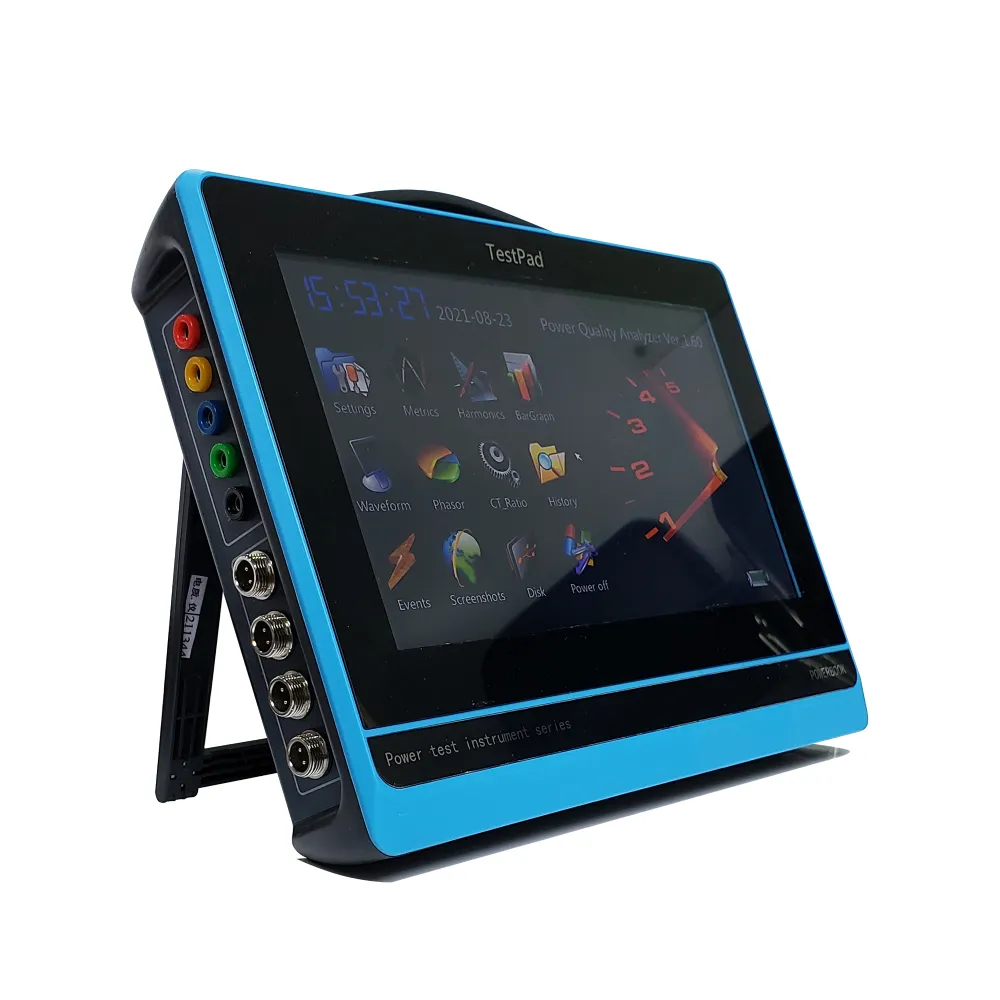
The creation of a high-precision power quality analyser like the PUSH Electrical PS-DN4 involves a meticulous, multi-stage manufacturing process, emphasizing robust materials, advanced fabrication techniques, and stringent quality control. This ensures instruments deliver the accuracy and reliability demanded by industrial applications.
Materials Selection and Preparation
The foundational integrity of any power quality measurement devices begins with material selection. For robust enclosures, high-grade engineering plastics (e.g., ABS, polycarbonate) or lightweight aluminum alloys are chosen for their durability, impact resistance, and electromagnetic shielding properties. Internal components utilize specialized materials: high-purity copper for conductors, precise magnetic alloys for current transformers, and advanced ceramic substrates for PCBs, all selected for optimal electrical and thermal performance. Specialized coatings are applied for enhanced corrosion resistance, particularly crucial for instruments deployed in harsh industrial environments such as petrochemical plants or coastal facilities.
Manufacturing Processes
- Precision Enclosure Fabrication: Enclosures are typically formed through high-pressure injection molding for plastics or CNC machining and sheet metal fabrication (e.g., stamping, bending, welding) for metal cases. These processes ensure exact dimensions, robust construction, and effective sealing against environmental ingress.
- Printed Circuit Board (PCB) Assembly: State-of-the-art automated production lines handle PCB fabrication, including surface-mount technology (SMT) for component placement and wave soldering. This ensures high-density, reliable electronic circuits, critical for accurate data acquisition and processing in a power quality analyser.
- Sensor Integration and Calibration: High-precision voltage and current sensors (e.g., Hall effect sensors, shunts, Rogowski coils) are meticulously integrated. Each sensor undergoes individual calibration against NIST-traceable standards to ensure measurement accuracy, which is fundamental to reliable power quality analysis.
- Firmware Programming and Software Loading: The instrument's embedded firmware, responsible for data processing, analysis algorithms, and user interface, is loaded and rigorously tested. This includes the implementation of advanced algorithms for harmonic decomposition, transient detection, and flicker analysis.
Testing Standards and Quality Assurance
Every PUSH Electrical PS-DN4 Power Quality Analysis Instrument undergoes a comprehensive battery of tests to ensure compliance with international standards and guaranteed performance:
- IEC 61000 Series: Compliance with critical standards like IEC 61000-4-30 (power quality measurement methods) ensures the accuracy and comparability of measurements.
- ISO 9001: Manufacturing processes adhere to ISO 9001 quality management systems, guaranteeing consistent product quality and continuous improvement.
- Environmental Testing: Instruments are subjected to temperature cycling, humidity tests, vibration tests, and electromagnetic compatibility (EMC) tests (e.g., IEC 61000-4-2 for ESD, IEC 61000-4-4 for EFT) to ensure reliable operation in harsh industrial environments.
- Functional and Performance Testing: Each unit undergoes end-to-end functional checks and performance validation against known power quality disturbances generated by specialized test equipment. This verifies accuracy, response time, and overall analytical capabilities of the power quality analyser.
Service Life and Target Industries
Designed for longevity and robust performance, PUSH Electrical instruments typically boast a service life exceeding 10-15 years under normal operating conditions, supported by modular design for easier maintenance and upgrades. Our power quality analysis solutions are indispensable across a wide range of target industries:
- Petrochemical: Ensuring stable power for critical processes, preventing downtime in hazardous environments.
- Metallurgy: Protecting high-power arc furnaces, rolling mills, and induction heating equipment from voltage sags and harmonics.
- Water Supply & Drainage: Optimizing pump efficiency, protecting motors from power disturbances, and reducing energy consumption in water treatment plants.
- Data Centers: Maintaining ultra-reliable power for servers and networking equipment, where even minor disturbances can lead to catastrophic data loss.
- Manufacturing: Enhancing the reliability of automated production lines and robotics.
- Renewable Energy: Assessing the impact of solar and wind generation on grid stability and compliance.
In these scenarios, the advantages of deploying our instruments are clear: significant energy saving potential through identification of reactive power and harmonic losses, enhanced operational efficiency due to reduced equipment downtime, and superior corrosion resistance and environmental sealing ensuring reliable performance in the most demanding conditions.
Technical Specifications & Expertise: PUSH Electrical PS-DN4
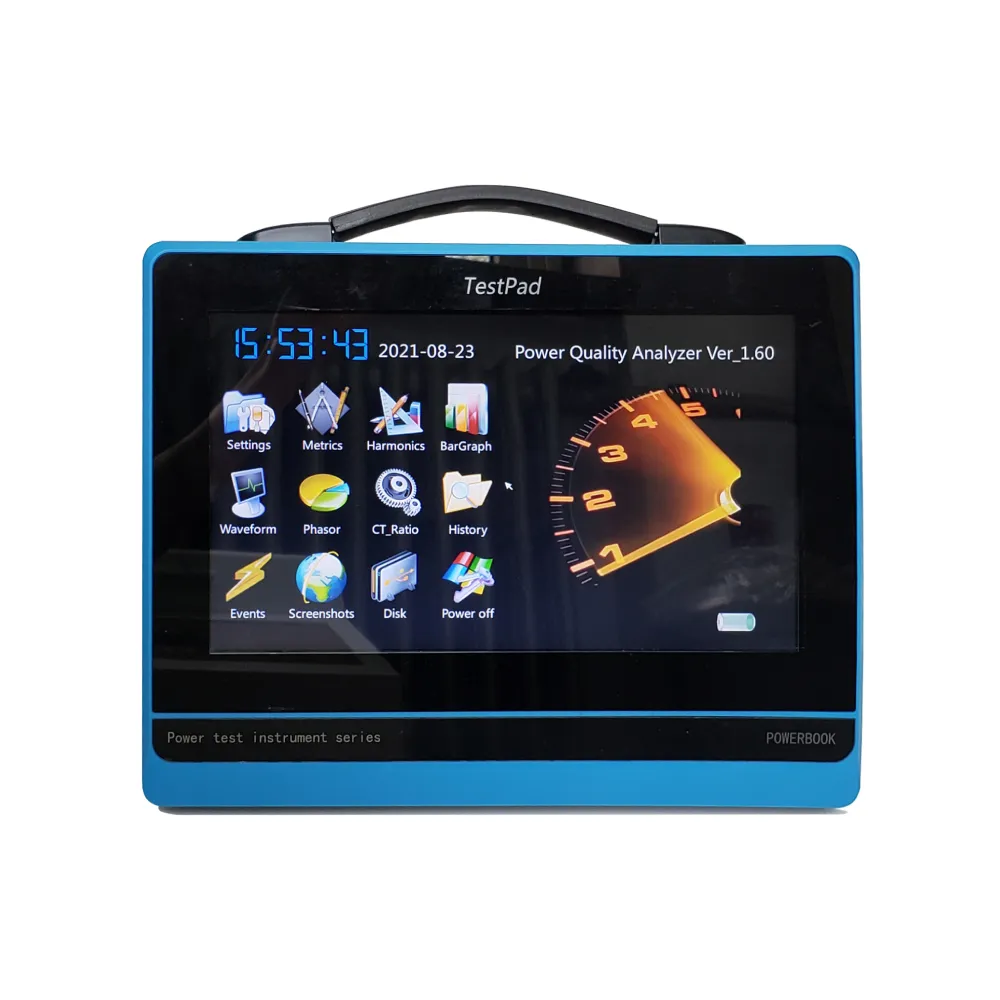
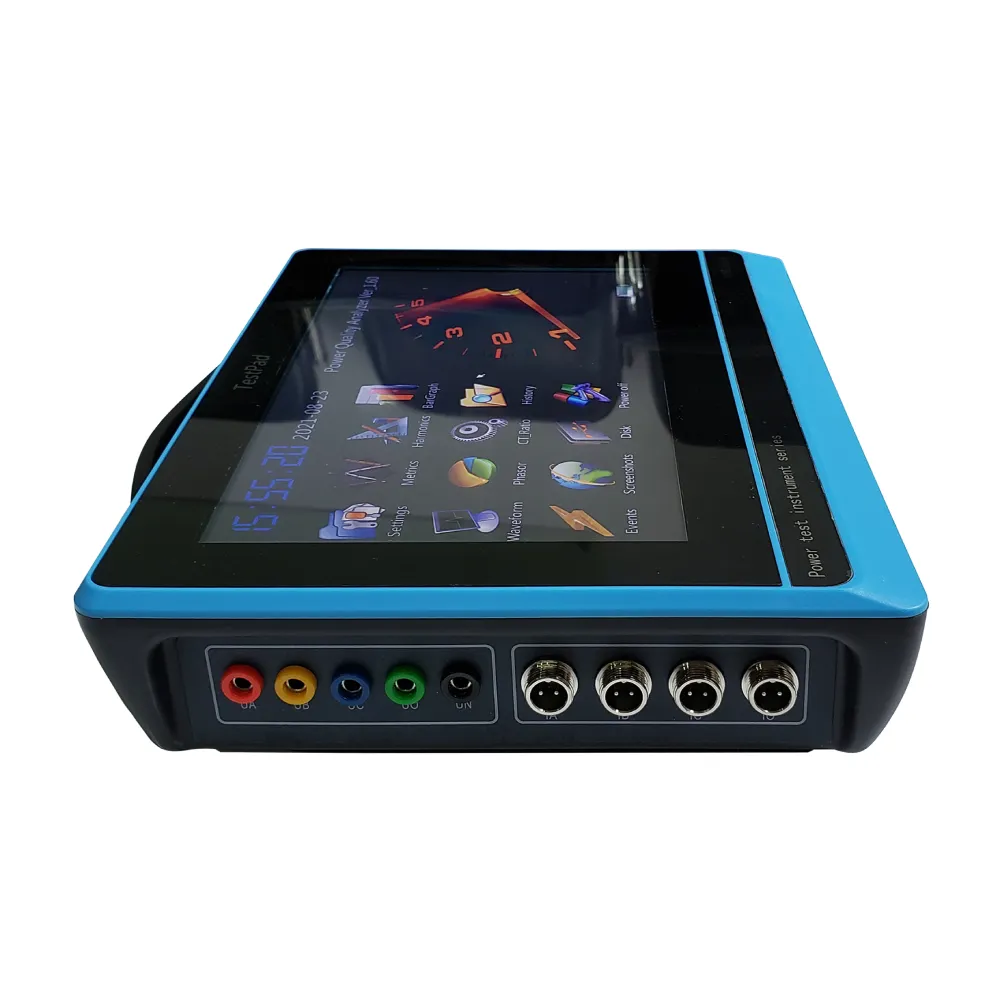
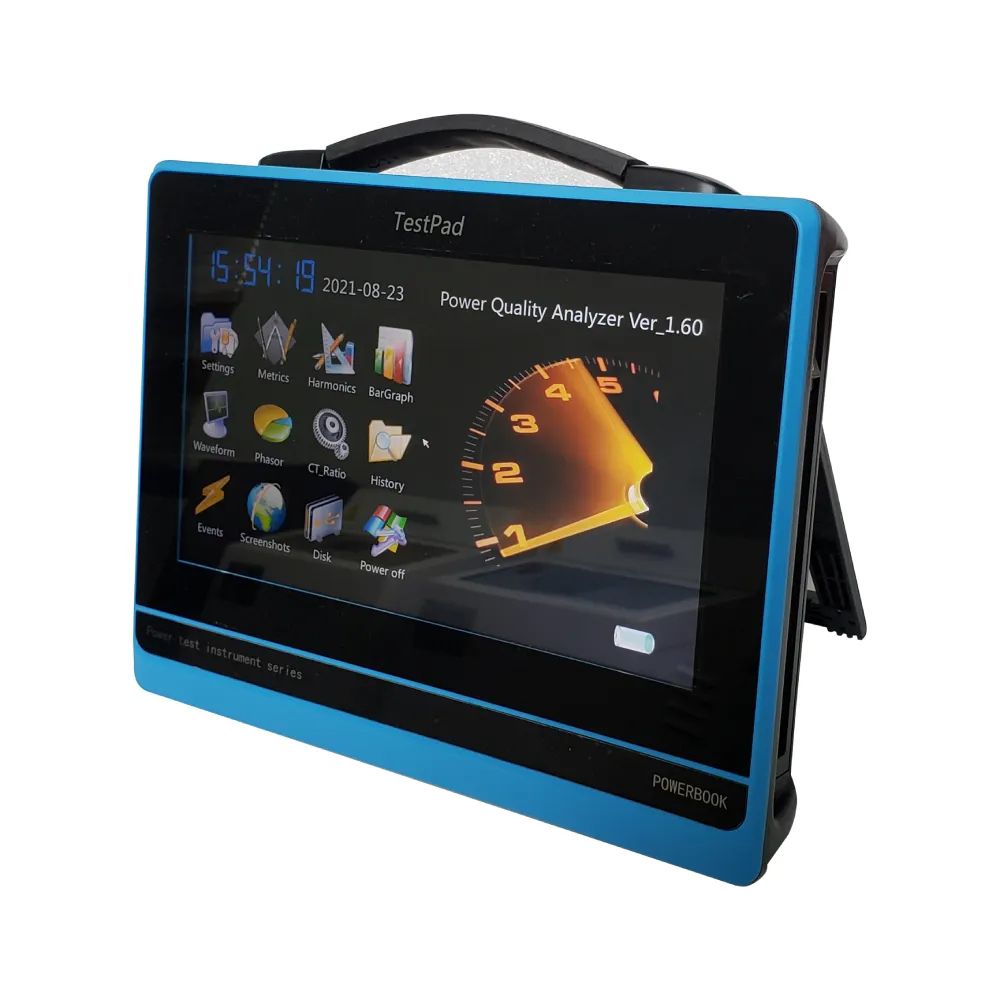
The PUSH Electrical PS-DN4 Power Quality Analysis Instrument is engineered to provide unparalleled accuracy and depth in power quality analysis. Its design integrates advanced measurement capabilities with a user-friendly interface, making it an indispensable tool for engineers and technicians.
Key Parameters Measured and Analytical Depth
The PS-DN4 meticulously captures a comprehensive array of power quality parameters, providing a holistic view of electrical system health:
- Voltage (V): RMS, peak, sag, swell, and unbalance.
- Current (A): RMS, peak, harmonic distortion, and unbalance.
- Frequency (Hz): Deviations from nominal frequency.
- Harmonics: Individual and total harmonic distortion (THD) for voltage and current, up to the 50th order, crucial for effective power quality assessment.
- Power: Active (kW), Reactive (kVAR), Apparent (kVA), Power Factor (PF), and Displacement Power Factor (DPF).
- Transients: Detection of fast, high-magnitude voltage events with microsecond resolution.
- Flicker: Short-term (Pst) and long-term (Plt) flicker according to IEC 61000-4-15.
- Interharmonics: Measurement of non-integer harmonics.
PUSH Electrical PS-DN4 Key Specifications
| Feature | Specification |
|---|---|
| Voltage Measurement Range | AC 0-1000V (Phase-Neutral), AC 0-2000V (Phase-Phase) |
| Current Measurement Range | 0.1A to 5000A (via external clamp-on CTs) |
| Accuracy (Voltage/Current) | ±0.2% of reading / ±0.5% of reading |
| Sampling Rate | Up to 25.6 kHz / 512 samples per cycle |
| Harmonic Analysis | Up to 50th order, THD, TDD, individual harmonics |
| Memory Capacity | Built-in 8GB, expandable via SD card |
| Display | 7-inch TFT color LCD with touch screen |
| Connectivity | USB, Ethernet, Wi-Fi (optional) |
| Battery Life | >8 hours continuous operation |
| Environmental Rating | IP54 |
These specifications are crucial indicators of the PS-DN4's capability to perform thorough and accurate power quality analysis. High sampling rates allow for the capture of rapid transients, while precise accuracy ensures reliable data for critical decision-making. The extensive memory capacity supports long-term monitoring, vital for identifying intermittent power quality issues. Its robust design and versatile connectivity make it suitable for diverse industrial environments.
Diverse Application Scenarios and Practical Experience
The versatility of a high-quality power quality analyser like the PUSH Electrical PS-DN4 extends across a multitude of sectors, addressing unique challenges in each. Our instruments are deployed globally, providing critical insights into electrical system performance and ensuring operational resilience.
Industrial Facilities and Manufacturing
In industrial settings, motors, VFDs, and programmable logic controllers (PLCs) are sensitive to power disturbances. The PS-DN4 is used for:
- Motor Control Optimization: Identifying voltage unbalance or harmonic currents that lead to motor overheating, reduced efficiency, and premature failure. Regular power quality assessment helps extend motor lifespan and reduce maintenance costs.
- Machinery Protection: Detecting transients and sags that can cause nuisance tripping of protection devices or damage to sensitive electronic controls in robotics and automated production lines.
- Energy Audit & Efficiency: Pinpointing excessive reactive power consumption or harmonic losses to implement power factor correction and harmonic filtering solutions, leading to substantial energy savings.
Commercial Buildings and Critical Infrastructure
Modern commercial facilities, especially those with significant IT infrastructure, demand impeccable power quality:
- Data Centers: Uninterrupted and clean power is non-negotiable. The PS-DN4 assists in monitoring UPS systems, identifying potential issues before they impact server racks, and ensuring continuous data integrity. This is a prime example of the critical need for power quality monitoring.
- Hospitals and Healthcare Facilities: Medical equipment, life support systems, and diagnostic tools require stable power. Our analysers help ensure compliance with stringent power quality standards to prevent operational failures that could endanger lives.
- Office Buildings: Assessing power quality for sensitive office electronics, ensuring system stability, and optimizing energy consumption for lighting and HVAC systems.
Renewable Energy Integration and Utility Grids
The expansion of renewable energy sources introduces new dynamics to the grid that necessitate advanced power quality analysis:
- Solar and Wind Farms: Monitoring inverter-generated harmonics, grid interaction stability, and compliance with local grid codes for interconnection. The PS-DN4 can verify the quality of power being fed into the grid.
- Utility Grids: Utilities use our power quality measurement devices for comprehensive grid stability studies, fault location, and identifying sources of disturbances affecting customer loads. This proactive monitoring is essential for maintaining a reliable and efficient electrical infrastructure.
- Microgrids and Distributed Generation: Assessing the dynamic interaction between various generation sources and loads within microgrids, ensuring seamless operation and optimal energy management.
These diverse scenarios highlight the PS-DN4's adaptability and our extensive experience in providing tailored power quality analysis services to meet specific industry demands.
Technical Advantages and Authoritative Compliance
The PUSH Electrical PS-DN4 Power Quality Analysis Instrument stands out due to its superior technical advantages, underpinned by rigorous adherence to international standards and a commitment to precision. This commitment establishes our authority in the field of power quality analysis.
Unmatched Precision and Real-Time Monitoring
- High-Resolution Data Capture: With a sampling rate of up to 25.6 kHz, the PS-DN4 captures power quality phenomena with exceptional detail, including fast transients and subtle waveform distortions often missed by less advanced power quality measurement devices. This high fidelity ensures no critical event goes undetected.
- Real-time Trend Analysis: The instrument provides real-time visualization of voltage, current, power, and harmonic trends on its intuitive display. This immediate feedback allows operators to quickly identify developing issues and respond proactively, minimizing potential damage or downtime.
- Event-Triggered Recording: Configurable triggers for sags, swells, transients, and overcurrents enable the PS-DN4 to automatically record waveform data around critical events, providing invaluable diagnostic information for root cause analysis. This feature enhances the efficiency of any power quality assessment.
Advanced Analytics and Comprehensive Reporting
Beyond raw data collection, the PS-DN4 excels in data processing and presentation:
- Integrated Software Suite: Our accompanying PC software provides powerful analytical tools for detailed post-processing of recorded data, allowing users to generate customized reports, conduct comparative studies, and visualize complex power quality issues with ease. The insights gained from such reports are often presented in a power quality analyzer ppt format for stakeholder communication.
- Compliance Reporting: The software automatically generates reports compliant with international standards like EN 50160, simplifying regulatory compliance and due diligence processes.
- Predictive Maintenance Capabilities: By tracking trends and anomalies over time, the PS-DN4 supports predictive maintenance strategies, allowing facilities to schedule interventions before costly failures occur.
Certifications, Partnerships, and Years of Service
Our commitment to quality and reliability is evidenced by:
- International Certifications: PUSH Electrical products, including the PS-DN4, are CE and FCC certified, assuring compliance with European safety, health, and environmental protection requirements, and electromagnetic compatibility standards for the United States. Our manufacturing facilities are ISO 9001 certified, reflecting our adherence to stringent quality management systems.
- Authoritative References: Our instruments are designed to meet and exceed specifications outlined in IEEE Std 519 (Harmonic Control), IEC 61000-4-7 (Harmonic Measurement), and IEC 61000-4-15 (Flicker Measurement), ensuring our users benefit from industry best practices.
- Trusted Partner Clients: For over a decade, PUSH Electrical has partnered with leading enterprises in the petrochemical, metallurgy, and water utility sectors, establishing a track record of reliable service and customer satisfaction. Our expertise in power quality analysis services is trusted by industry leaders globally.
Vendor Comparison and Customized Solutions
Choosing the right power quality analyser is a critical decision that impacts operational efficiency and long-term cost. While many vendors offer power quality solutions, understanding the distinct advantages and potential for customization is key.
Comparing PUSH Electrical PS-DN4 with Generic Power Quality Analysers
The market for power quality analysis instruments is diverse, ranging from basic loggers to advanced multi-channel analysers. The PUSH Electrical PS-DN4 distinguishes itself through a combination of precision, robust features, and value.
| Feature/Criterion | PUSH Electrical PS-DN4 | Generic Power Quality Analyser (Mid-Range) |
|---|---|---|
| Measurement Accuracy | Class A (IEC 61000-4-30 Ed. 3 Compliant) | Typically Class B or C |
| Sampling Rate | Up to 25.6 kHz (512 samples/cycle) | Typically 12.8 kHz (256 samples/cycle) |
| Harmonic Analysis | Up to 50th order, Interharmonics | Up to 25th or 30th order, limited interharmonics |
| Transient Detection | Microsecond resolution, detailed waveform capture | Millisecond resolution, less detailed capture |
| Display & Interface | 7-inch Color Touch LCD, intuitive GUI | Smaller, non-touch, or monochrome display |
| Connectivity | USB, Ethernet, Wi-Fi (optional), Modbus TCP | Primarily USB, limited network options |
| Data Storage | 8GB internal, expandable SD card, long-term logging | Limited internal memory, shorter logging periods |
| Environmental Rating | IP54 (Dust & Splash Protected) | Often IP40 or lower |
| Software Features | Advanced analysis, automated reporting (EN 50160), remote control | Basic data download and limited reporting |
When considering the power quality analyser price, it's crucial to factor in these capabilities. A higher initial investment in a Class A compliant device like the PS-DN4 yields superior data, more reliable diagnostics, and ultimately, greater long-term cost savings by preventing costly downtime and equipment damage.
Customized Solutions for Specific Industrial Needs
PUSH Electrical understands that every industrial application has unique requirements. Our expertise extends beyond providing standard products; we offer customized power quality analysis services and solutions to integrate seamlessly into existing infrastructures:
- Software Integration: We can provide SDKs or API access to allow seamless integration of PS-DN4 data into existing enterprise resource planning (ERP), supervisory control and data acquisition (SCADA), or building management systems (BMS). This ensures that power quality data becomes a holistic part of your operational intelligence.
- Specialized Sensors and Accessories: For environments with extreme temperatures, high voltages, or unique form factors, we can collaborate to develop or integrate specialized current transducers (CTs) and voltage transformers (VTs) that meet specific operational constraints while maintaining measurement integrity.
- System Integration and Consultation: Our team offers expert consultation on deploying a network of power quality measurement devices across a large facility or grid. This includes site surveys, installation guidance, and data interpretation support to build a robust, facility-wide power quality monitoring system.
- Tailored Training Programs: We provide comprehensive training for your engineering and technical staff, covering not only the operation of the PS-DN4 but also the interpretation of power quality analysis data and the implementation of corrective actions.
Real-World Application Case Studies and Measurable Impact
Our dedication to providing robust power quality analysis solutions is best illustrated by the tangible results achieved by our clients across diverse industries. These case studies highlight the practical benefits of deploying the PUSH Electrical PS-DN4 Power Quality Analysis Instrument.
Case Study 1: Energy Savings in a Petrochemical Plant
A large petrochemical complex in the Middle East was experiencing unexpectedly high electricity bills and frequent nuisance tripping of circuit breakers in its distillation unit. A comprehensive power quality assessment was initiated using multiple PUSH Electrical PS-DN4 units deployed at various load centers.
- Challenge: Identifying the source of high energy consumption and intermittent equipment failures in a complex, continuously operating facility.
- Solution: The PS-DN4 captured continuous data, revealing significant harmonic distortion (THD-I up to 25%) primarily generated by aging rectifier units, leading to increased reactive power losses and overheating of transformers and cables.
- Result: Based on the precise power quality analysis data, the plant installed active harmonic filters and upgraded their power factor correction system. Within six months, energy consumption for the distillation unit dropped by 8%, translating to annual savings of approximately $350,000. Equipment tripping incidents were reduced by 90%, significantly improving operational reliability.
Case Study 2: Preventing Equipment Damage in a Metallurgy Facility
A steel rolling mill in Europe faced recurring failures of sensitive control electronics on its high-speed rolling machines, resulting in costly repairs and production halts. Traditional troubleshooting methods failed to identify the root cause.
- Challenge: Unexplained, intermittent damage to control systems in a heavy industrial environment.
- Solution: A PS-DN4 power quality analyser was installed at the main feeder of the rolling machines, configured for high-resolution transient detection. The instrument successfully captured microsecond-duration voltage transients (up to 4kV peak) occurring during the switching operations of large induction motors within the facility.
- Result: The detailed waveform capture provided by the power quality analysis revealed the precise timing and magnitude of the transients. The facility subsequently installed surge protection devices and optimized motor starting sequences. Over the following year, electronic control failures dropped to zero, saving an estimated $200,000 in repair costs and preventing over 100 hours of unscheduled downtime.
Case Study 3: Optimizing Water Pump Efficiency in a Water Treatment Plant
A municipal water treatment plant aimed to improve the efficiency and reliability of its large pumping stations, which are significant energy consumers and critical for continuous service.
- Challenge: Optimizing the performance of multiple large-scale pump motors and reducing energy consumption while ensuring continuous operation.
- Solution: PUSH Electrical power quality measurement devices were deployed across the pump motors to monitor voltage, current, power factor, and individual motor efficiency. The power quality analysis identified instances of voltage unbalance and low power factor, impacting motor performance and drawing excessive current.
- Result: Based on the data, the plant implemented targeted voltage balancing adjustments and installed appropriate power factor correction capacitors. This led to an average 5% improvement in pump motor efficiency and a 3% reduction in overall energy consumption for the pumping stations, equating to annual savings of $120,000. The motors now run cooler, extending their service life and reducing maintenance frequency. This case exemplifies the significant returns on investment from detailed power quality analysis.
Ensuring Trustworthiness: FAQs, Fulfillment, Warranty & Support
At PUSH Electrical, we are committed to building lasting relationships with our clients based on trust, transparency, and unparalleled support. Our policies and services are designed to provide complete confidence in your investment in our power quality analysis solutions.
Frequently Asked Questions (FAQs)
- Why is the need for power quality monitoring growing? Modern industrial and commercial systems rely heavily on sensitive electronics. The proliferation of non-linear loads and renewable energy sources introduces more power disturbances, making continuous monitoring essential to prevent downtime, reduce energy waste, and protect critical assets.
- What are the most common power quality issues that your power quality measurement devices detect? Our instruments are designed to detect a wide range of issues including voltage sags/swells, transients, harmonics, interharmonics, voltage unbalance, flicker, frequency deviations, and reactive power issues.
- How does the PS-DN4 compare in terms of power quality analyser price? While the PS-DN4 represents a premium investment in Class A accuracy and advanced features, its long-term value through energy savings, reduced maintenance, and prevented downtime typically yields a rapid return on investment, often outperforming lower-cost, less capable alternatives.
- Can I use the PUSH Electrical PS-DN4 for both temporary and permanent monitoring? Yes, its robust design, internal memory, and connectivity options make it suitable for both portable, short-term troubleshooting and long-term, semi-permanent installations for continuous monitoring.
- Is training available for operating the instrument and interpreting data? Absolutely. We offer comprehensive training programs, from basic operation to advanced data analysis and report generation, ensuring your team can maximize the value of the PS-DN4.
Lead Time and Fulfillment
We understand the urgency often associated with power quality analysis needs. Our standard lead time for the PUSH Electrical PS-DN4 Power Quality Analysis Instrument is typically 2-4 weeks, depending on order volume and customization requirements. For urgent requests, expedited shipping options may be available. We maintain robust supply chain management to ensure timely fulfillment and clear communication throughout the order process.
Warranty Commitments
PUSH Electrical stands behind the quality and reliability of our products. The PS-DN4 comes with a standard 2-year manufacturer's warranty covering defects in materials and workmanship. Extended warranty options and service contracts are also available for enhanced peace of mind, particularly for critical applications requiring continuous operation.
Comprehensive Customer Support
Our commitment to our clients extends far beyond the sale. PUSH Electrical offers multi-channel customer support to assist you at every stage:
- Technical Support: Our team of expert engineers is available via phone and email to provide technical assistance, troubleshooting, and guidance on optimal instrument usage and data interpretation.
- Firmware Updates: We regularly release firmware updates to enhance functionality, improve performance, and ensure compliance with evolving standards, accessible to our customers.
- Calibration Services: To maintain the accuracy of your PS-DN4, we offer professional calibration services using certified standards, ensuring your instrument consistently delivers precise power quality analysis data.
- Dedicated Account Management: For larger enterprises or complex projects, we assign dedicated account managers to ensure personalized service and seamless communication.
Conclusion: The Indispensable Role of Advanced Power Quality Analysis
In an era defined by technological advancement and increasing energy demands, the role of robust power quality analysis has never been more critical. From ensuring the longevity of industrial machinery to guaranteeing the reliability of critical infrastructure and optimizing energy efficiency, the insights gleaned from precise power quality data are invaluable.
The PUSH Electrical PS-DN4 Power Quality Analysis Instrument stands as a testament to our commitment to engineering excellence. With its Class A accuracy, comprehensive measurement capabilities, and user-centric design, it empowers engineers and facility managers to confidently diagnose, mitigate, and prevent power quality issues. Investing in advanced power quality analysis services is not merely a cost but a strategic decision that safeguards assets, enhances operational performance, and drives sustainable energy management practices across all B2B sectors.
Authoritative References
- IEEE Std 519-2014, "IEEE Recommended Practice and Requirements for Harmonic Control in Electric Power Systems."
- IEC 61000-4-30:2015, "Electromagnetic compatibility (EMC) - Part 4-30: Testing and measurement techniques - Power quality measurement methods."
- EN 50160:2022, "Voltage characteristics of electricity supplied by public electricity networks."
- Dugan, R. C., McGranaghan, M. F., & Beaty, H. W. (2012). "Electrical Power Systems Quality" (3rd ed.). McGraw-Hill Education.
- Arrillaga, J., & Watson, N. R. (2003). "Power System Harmonics" (2nd ed.). John Wiley & Sons.
-
Find the Best Loop Impedance Tester for Sale and Ensure Electrical SafetyNewsMar.31,2026
-
Comprehensive Guide to Loop Impedance Meter for Electrical SafetyNewsMar.28,2026
-
Understanding and Choosing a Line Impedance Tester for Optimal Network PerformanceNewsMar.26,2026
-
Comprehensive Guide to Line Earth Loop Impedance Test for Electrical SafetyNewsMar.24,2026
-
Comprehensive Guide to Fault Loop Impedance Meter and Electrical SafetyNewsMar.21,2026
-
Comprehensive Guide to External Loop Impedance Test for Electrical SafetyNewsMar.19,2026
Power Quality Analysis Services: Solve Issues & Optimize Performance
Understanding the Imperative of Modern Power Quality Analysis
In the intricate landscape of modern industrial and commercial operations, maintaining optimal electrical system performance is paramount. Fluctuations, disturbances, and inefficiencies in electrical power can lead to significant operational disruptions, equipment damage, and financial losses. This necessitates the meticulous discipline of power quality analysis, a critical process that evaluates the characteristics of electrical power supplied to a facility or system, ensuring it meets the required standards for reliable operation of sensitive equipment.
The contemporary industrial environment is increasingly reliant on sophisticated electronics, automation, and data processing. These systems are highly susceptible to deviations from ideal power conditions, such as voltage sags, swells, transients, harmonics, and frequency variations. The proactive identification and mitigation of these issues through comprehensive power quality analysis services are no longer a luxury but a fundamental operational requirement. This proactive approach underscores the pressing need of power quality monitoring across all sectors.
Current Industry Trends and Challenges
- Digitization and IoT Integration: The advent of Industry 4.0 has led to an explosion of IoT-enabled devices and smart sensors. Modern power quality analysis instruments are now equipped with advanced connectivity options, allowing for real-time data acquisition, remote monitoring, and integration into centralized SCADA or building management systems. This shift enhances predictive maintenance capabilities and reduces manual intervention.
- Impact of Renewable Energy Sources: The proliferation of solar, wind, and other distributed energy resources introduces new complexities to grid stability. Intermittent generation, inverter harmonics, and rapid voltage changes demand more sophisticated power quality analysis tools to ensure grid code compliance and prevent adverse effects on critical infrastructure.
- Rise of Non-Linear Loads: Modern electronic devices, variable frequency drives (VFDs), LED lighting, and switch-mode power supplies are pervasive. These non-linear loads inject harmonic currents into the electrical system, leading to increased losses, equipment overheating, and reduced power factor. Effective power quality assessment is crucial for identifying and managing these harmonic distortions.
- Emphasis on Energy Efficiency: With rising energy costs and environmental concerns, businesses are increasingly focused on energy efficiency. Poor power quality directly contributes to energy waste. Advanced power quality analysis can pinpoint areas of inefficiency, enabling targeted interventions that lead to significant energy savings and reduced carbon footprint.
The Core Process of Power Quality Analysis Instrument Manufacturing
The creation of a high-precision power quality analyser like the PUSH Electrical PS-DN4 involves a meticulous, multi-stage manufacturing process, emphasizing robust materials, advanced fabrication techniques, and stringent quality control. This ensures instruments deliver the accuracy and reliability demanded by industrial applications.
Materials Selection and Preparation
The foundational integrity of any power quality measurement devices begins with material selection. For robust enclosures, high-grade engineering plastics (e.g., ABS, polycarbonate) or lightweight aluminum alloys are chosen for their durability, impact resistance, and electromagnetic shielding properties. Internal components utilize specialized materials: high-purity copper for conductors, precise magnetic alloys for current transformers, and advanced ceramic substrates for PCBs, all selected for optimal electrical and thermal performance. Specialized coatings are applied for enhanced corrosion resistance, particularly crucial for instruments deployed in harsh industrial environments such as petrochemical plants or coastal facilities.
Manufacturing Processes
- Precision Enclosure Fabrication: Enclosures are typically formed through high-pressure injection molding for plastics or CNC machining and sheet metal fabrication (e.g., stamping, bending, welding) for metal cases. These processes ensure exact dimensions, robust construction, and effective sealing against environmental ingress.
- Printed Circuit Board (PCB) Assembly: State-of-the-art automated production lines handle PCB fabrication, including surface-mount technology (SMT) for component placement and wave soldering. This ensures high-density, reliable electronic circuits, critical for accurate data acquisition and processing in a power quality analyser.
- Sensor Integration and Calibration: High-precision voltage and current sensors (e.g., Hall effect sensors, shunts, Rogowski coils) are meticulously integrated. Each sensor undergoes individual calibration against NIST-traceable standards to ensure measurement accuracy, which is fundamental to reliable power quality analysis.
- Firmware Programming and Software Loading: The instrument's embedded firmware, responsible for data processing, analysis algorithms, and user interface, is loaded and rigorously tested. This includes the implementation of advanced algorithms for harmonic decomposition, transient detection, and flicker analysis.
Testing Standards and Quality Assurance
Every PUSH Electrical PS-DN4 Power Quality Analysis Instrument undergoes a comprehensive battery of tests to ensure compliance with international standards and guaranteed performance:
- IEC 61000 Series: Compliance with critical standards like IEC 61000-4-30 (power quality measurement methods) ensures the accuracy and comparability of measurements.
- ISO 9001: Manufacturing processes adhere to ISO 9001 quality management systems, guaranteeing consistent product quality and continuous improvement.
- Environmental Testing: Instruments are subjected to temperature cycling, humidity tests, vibration tests, and electromagnetic compatibility (EMC) tests (e.g., IEC 61000-4-2 for ESD, IEC 61000-4-4 for EFT) to ensure reliable operation in harsh industrial environments.
- Functional and Performance Testing: Each unit undergoes end-to-end functional checks and performance validation against known power quality disturbances generated by specialized test equipment. This verifies accuracy, response time, and overall analytical capabilities of the power quality analyser.
Service Life and Target Industries
Designed for longevity and robust performance, PUSH Electrical instruments typically boast a service life exceeding 10-15 years under normal operating conditions, supported by modular design for easier maintenance and upgrades. Our power quality analysis solutions are indispensable across a wide range of target industries:
- Petrochemical: Ensuring stable power for critical processes, preventing downtime in hazardous environments.
- Metallurgy: Protecting high-power arc furnaces, rolling mills, and induction heating equipment from voltage sags and harmonics.
- Water Supply & Drainage: Optimizing pump efficiency, protecting motors from power disturbances, and reducing energy consumption in water treatment plants.
- Data Centers: Maintaining ultra-reliable power for servers and networking equipment, where even minor disturbances can lead to catastrophic data loss.
- Manufacturing: Enhancing the reliability of automated production lines and robotics.
- Renewable Energy: Assessing the impact of solar and wind generation on grid stability and compliance.
In these scenarios, the advantages of deploying our instruments are clear: significant energy saving potential through identification of reactive power and harmonic losses, enhanced operational efficiency due to reduced equipment downtime, and superior corrosion resistance and environmental sealing ensuring reliable performance in the most demanding conditions.
Technical Specifications & Expertise: PUSH Electrical PS-DN4
The PUSH Electrical PS-DN4 Power Quality Analysis Instrument is engineered to provide unparalleled accuracy and depth in power quality analysis. Its design integrates advanced measurement capabilities with a user-friendly interface, making it an indispensable tool for engineers and technicians.
Key Parameters Measured and Analytical Depth
The PS-DN4 meticulously captures a comprehensive array of power quality parameters, providing a holistic view of electrical system health:
- Voltage (V): RMS, peak, sag, swell, and unbalance.
- Current (A): RMS, peak, harmonic distortion, and unbalance.
- Frequency (Hz): Deviations from nominal frequency.
- Harmonics: Individual and total harmonic distortion (THD) for voltage and current, up to the 50th order, crucial for effective power quality assessment.
- Power: Active (kW), Reactive (kVAR), Apparent (kVA), Power Factor (PF), and Displacement Power Factor (DPF).
- Transients: Detection of fast, high-magnitude voltage events with microsecond resolution.
- Flicker: Short-term (Pst) and long-term (Plt) flicker according to IEC 61000-4-15.
- Interharmonics: Measurement of non-integer harmonics.
PUSH Electrical PS-DN4 Key Specifications
| Feature | Specification |
|---|---|
| Voltage Measurement Range | AC 0-1000V (Phase-Neutral), AC 0-2000V (Phase-Phase) |
| Current Measurement Range | 0.1A to 5000A (via external clamp-on CTs) |
| Accuracy (Voltage/Current) | ±0.2% of reading / ±0.5% of reading |
| Sampling Rate | Up to 25.6 kHz / 512 samples per cycle |
| Harmonic Analysis | Up to 50th order, THD, TDD, individual harmonics |
| Memory Capacity | Built-in 8GB, expandable via SD card |
| Display | 7-inch TFT color LCD with touch screen |
| Connectivity | USB, Ethernet, Wi-Fi (optional) |
| Battery Life | >8 hours continuous operation |
| Environmental Rating | IP54 |
These specifications are crucial indicators of the PS-DN4's capability to perform thorough and accurate power quality analysis. High sampling rates allow for the capture of rapid transients, while precise accuracy ensures reliable data for critical decision-making. The extensive memory capacity supports long-term monitoring, vital for identifying intermittent power quality issues. Its robust design and versatile connectivity make it suitable for diverse industrial environments.
Diverse Application Scenarios and Practical Experience
The versatility of a high-quality power quality analyser like the PUSH Electrical PS-DN4 extends across a multitude of sectors, addressing unique challenges in each. Our instruments are deployed globally, providing critical insights into electrical system performance and ensuring operational resilience.
Industrial Facilities and Manufacturing
In industrial settings, motors, VFDs, and programmable logic controllers (PLCs) are sensitive to power disturbances. The PS-DN4 is used for:
- Motor Control Optimization: Identifying voltage unbalance or harmonic currents that lead to motor overheating, reduced efficiency, and premature failure. Regular power quality assessment helps extend motor lifespan and reduce maintenance costs.
- Machinery Protection: Detecting transients and sags that can cause nuisance tripping of protection devices or damage to sensitive electronic controls in robotics and automated production lines.
- Energy Audit & Efficiency: Pinpointing excessive reactive power consumption or harmonic losses to implement power factor correction and harmonic filtering solutions, leading to substantial energy savings.
Commercial Buildings and Critical Infrastructure
Modern commercial facilities, especially those with significant IT infrastructure, demand impeccable power quality:
- Data Centers: Uninterrupted and clean power is non-negotiable. The PS-DN4 assists in monitoring UPS systems, identifying potential issues before they impact server racks, and ensuring continuous data integrity. This is a prime example of the critical need for power quality monitoring.
- Hospitals and Healthcare Facilities: Medical equipment, life support systems, and diagnostic tools require stable power. Our analysers help ensure compliance with stringent power quality standards to prevent operational failures that could endanger lives.
- Office Buildings: Assessing power quality for sensitive office electronics, ensuring system stability, and optimizing energy consumption for lighting and HVAC systems.
Renewable Energy Integration and Utility Grids
The expansion of renewable energy sources introduces new dynamics to the grid that necessitate advanced power quality analysis:
- Solar and Wind Farms: Monitoring inverter-generated harmonics, grid interaction stability, and compliance with local grid codes for interconnection. The PS-DN4 can verify the quality of power being fed into the grid.
- Utility Grids: Utilities use our power quality measurement devices for comprehensive grid stability studies, fault location, and identifying sources of disturbances affecting customer loads. This proactive monitoring is essential for maintaining a reliable and efficient electrical infrastructure.
- Microgrids and Distributed Generation: Assessing the dynamic interaction between various generation sources and loads within microgrids, ensuring seamless operation and optimal energy management.
These diverse scenarios highlight the PS-DN4's adaptability and our extensive experience in providing tailored power quality analysis services to meet specific industry demands.
Technical Advantages and Authoritative Compliance
The PUSH Electrical PS-DN4 Power Quality Analysis Instrument stands out due to its superior technical advantages, underpinned by rigorous adherence to international standards and a commitment to precision. This commitment establishes our authority in the field of power quality analysis.
Unmatched Precision and Real-Time Monitoring
- High-Resolution Data Capture: With a sampling rate of up to 25.6 kHz, the PS-DN4 captures power quality phenomena with exceptional detail, including fast transients and subtle waveform distortions often missed by less advanced power quality measurement devices. This high fidelity ensures no critical event goes undetected.
- Real-time Trend Analysis: The instrument provides real-time visualization of voltage, current, power, and harmonic trends on its intuitive display. This immediate feedback allows operators to quickly identify developing issues and respond proactively, minimizing potential damage or downtime.
- Event-Triggered Recording: Configurable triggers for sags, swells, transients, and overcurrents enable the PS-DN4 to automatically record waveform data around critical events, providing invaluable diagnostic information for root cause analysis. This feature enhances the efficiency of any power quality assessment.
Advanced Analytics and Comprehensive Reporting
Beyond raw data collection, the PS-DN4 excels in data processing and presentation:
- Integrated Software Suite: Our accompanying PC software provides powerful analytical tools for detailed post-processing of recorded data, allowing users to generate customized reports, conduct comparative studies, and visualize complex power quality issues with ease. The insights gained from such reports are often presented in a power quality analyzer ppt format for stakeholder communication.
- Compliance Reporting: The software automatically generates reports compliant with international standards like EN 50160, simplifying regulatory compliance and due diligence processes.
- Predictive Maintenance Capabilities: By tracking trends and anomalies over time, the PS-DN4 supports predictive maintenance strategies, allowing facilities to schedule interventions before costly failures occur.
Certifications, Partnerships, and Years of Service
Our commitment to quality and reliability is evidenced by:
- International Certifications: PUSH Electrical products, including the PS-DN4, are CE and FCC certified, assuring compliance with European safety, health, and environmental protection requirements, and electromagnetic compatibility standards for the United States. Our manufacturing facilities are ISO 9001 certified, reflecting our adherence to stringent quality management systems.
- Authoritative References: Our instruments are designed to meet and exceed specifications outlined in IEEE Std 519 (Harmonic Control), IEC 61000-4-7 (Harmonic Measurement), and IEC 61000-4-15 (Flicker Measurement), ensuring our users benefit from industry best practices.
- Trusted Partner Clients: For over a decade, PUSH Electrical has partnered with leading enterprises in the petrochemical, metallurgy, and water utility sectors, establishing a track record of reliable service and customer satisfaction. Our expertise in power quality analysis services is trusted by industry leaders globally.
Vendor Comparison and Customized Solutions
Choosing the right power quality analyser is a critical decision that impacts operational efficiency and long-term cost. While many vendors offer power quality solutions, understanding the distinct advantages and potential for customization is key.
Comparing PUSH Electrical PS-DN4 with Generic Power Quality Analysers
The market for power quality analysis instruments is diverse, ranging from basic loggers to advanced multi-channel analysers. The PUSH Electrical PS-DN4 distinguishes itself through a combination of precision, robust features, and value.
| Feature/Criterion | PUSH Electrical PS-DN4 | Generic Power Quality Analyser (Mid-Range) |
|---|---|---|
| Measurement Accuracy | Class A (IEC 61000-4-30 Ed. 3 Compliant) | Typically Class B or C |
| Sampling Rate | Up to 25.6 kHz (512 samples/cycle) | Typically 12.8 kHz (256 samples/cycle) |
| Harmonic Analysis | Up to 50th order, Interharmonics | Up to 25th or 30th order, limited interharmonics |
| Transient Detection | Microsecond resolution, detailed waveform capture | Millisecond resolution, less detailed capture |
| Display & Interface | 7-inch Color Touch LCD, intuitive GUI | Smaller, non-touch, or monochrome display |
| Connectivity | USB, Ethernet, Wi-Fi (optional), Modbus TCP | Primarily USB, limited network options |
| Data Storage | 8GB internal, expandable SD card, long-term logging | Limited internal memory, shorter logging periods |
| Environmental Rating | IP54 (Dust & Splash Protected) | Often IP40 or lower |
| Software Features | Advanced analysis, automated reporting (EN 50160), remote control | Basic data download and limited reporting |
When considering the power quality analyser price, it's crucial to factor in these capabilities. A higher initial investment in a Class A compliant device like the PS-DN4 yields superior data, more reliable diagnostics, and ultimately, greater long-term cost savings by preventing costly downtime and equipment damage.
Customized Solutions for Specific Industrial Needs
PUSH Electrical understands that every industrial application has unique requirements. Our expertise extends beyond providing standard products; we offer customized power quality analysis services and solutions to integrate seamlessly into existing infrastructures:
- Software Integration: We can provide SDKs or API access to allow seamless integration of PS-DN4 data into existing enterprise resource planning (ERP), supervisory control and data acquisition (SCADA), or building management systems (BMS). This ensures that power quality data becomes a holistic part of your operational intelligence.
- Specialized Sensors and Accessories: For environments with extreme temperatures, high voltages, or unique form factors, we can collaborate to develop or integrate specialized current transducers (CTs) and voltage transformers (VTs) that meet specific operational constraints while maintaining measurement integrity.
- System Integration and Consultation: Our team offers expert consultation on deploying a network of power quality measurement devices across a large facility or grid. This includes site surveys, installation guidance, and data interpretation support to build a robust, facility-wide power quality monitoring system.
- Tailored Training Programs: We provide comprehensive training for your engineering and technical staff, covering not only the operation of the PS-DN4 but also the interpretation of power quality analysis data and the implementation of corrective actions.
Real-World Application Case Studies and Measurable Impact
Our dedication to providing robust power quality analysis solutions is best illustrated by the tangible results achieved by our clients across diverse industries. These case studies highlight the practical benefits of deploying the PUSH Electrical PS-DN4 Power Quality Analysis Instrument.
Case Study 1: Energy Savings in a Petrochemical Plant
A large petrochemical complex in the Middle East was experiencing unexpectedly high electricity bills and frequent nuisance tripping of circuit breakers in its distillation unit. A comprehensive power quality assessment was initiated using multiple PUSH Electrical PS-DN4 units deployed at various load centers.
- Challenge: Identifying the source of high energy consumption and intermittent equipment failures in a complex, continuously operating facility.
- Solution: The PS-DN4 captured continuous data, revealing significant harmonic distortion (THD-I up to 25%) primarily generated by aging rectifier units, leading to increased reactive power losses and overheating of transformers and cables.
- Result: Based on the precise power quality analysis data, the plant installed active harmonic filters and upgraded their power factor correction system. Within six months, energy consumption for the distillation unit dropped by 8%, translating to annual savings of approximately $350,000. Equipment tripping incidents were reduced by 90%, significantly improving operational reliability.
Case Study 2: Preventing Equipment Damage in a Metallurgy Facility
A steel rolling mill in Europe faced recurring failures of sensitive control electronics on its high-speed rolling machines, resulting in costly repairs and production halts. Traditional troubleshooting methods failed to identify the root cause.
- Challenge: Unexplained, intermittent damage to control systems in a heavy industrial environment.
- Solution: A PS-DN4 power quality analyser was installed at the main feeder of the rolling machines, configured for high-resolution transient detection. The instrument successfully captured microsecond-duration voltage transients (up to 4kV peak) occurring during the switching operations of large induction motors within the facility.
- Result: The detailed waveform capture provided by the power quality analysis revealed the precise timing and magnitude of the transients. The facility subsequently installed surge protection devices and optimized motor starting sequences. Over the following year, electronic control failures dropped to zero, saving an estimated $200,000 in repair costs and preventing over 100 hours of unscheduled downtime.
Case Study 3: Optimizing Water Pump Efficiency in a Water Treatment Plant
A municipal water treatment plant aimed to improve the efficiency and reliability of its large pumping stations, which are significant energy consumers and critical for continuous service.
- Challenge: Optimizing the performance of multiple large-scale pump motors and reducing energy consumption while ensuring continuous operation.
- Solution: PUSH Electrical power quality measurement devices were deployed across the pump motors to monitor voltage, current, power factor, and individual motor efficiency. The power quality analysis identified instances of voltage unbalance and low power factor, impacting motor performance and drawing excessive current.
- Result: Based on the data, the plant implemented targeted voltage balancing adjustments and installed appropriate power factor correction capacitors. This led to an average 5% improvement in pump motor efficiency and a 3% reduction in overall energy consumption for the pumping stations, equating to annual savings of $120,000. The motors now run cooler, extending their service life and reducing maintenance frequency. This case exemplifies the significant returns on investment from detailed power quality analysis.
Ensuring Trustworthiness: FAQs, Fulfillment, Warranty & Support
At PUSH Electrical, we are committed to building lasting relationships with our clients based on trust, transparency, and unparalleled support. Our policies and services are designed to provide complete confidence in your investment in our power quality analysis solutions.
Frequently Asked Questions (FAQs)
- Why is the need for power quality monitoring growing? Modern industrial and commercial systems rely heavily on sensitive electronics. The proliferation of non-linear loads and renewable energy sources introduces more power disturbances, making continuous monitoring essential to prevent downtime, reduce energy waste, and protect critical assets.
- What are the most common power quality issues that your power quality measurement devices detect? Our instruments are designed to detect a wide range of issues including voltage sags/swells, transients, harmonics, interharmonics, voltage unbalance, flicker, frequency deviations, and reactive power issues.
- How does the PS-DN4 compare in terms of power quality analyser price? While the PS-DN4 represents a premium investment in Class A accuracy and advanced features, its long-term value through energy savings, reduced maintenance, and prevented downtime typically yields a rapid return on investment, often outperforming lower-cost, less capable alternatives.
- Can I use the PUSH Electrical PS-DN4 for both temporary and permanent monitoring? Yes, its robust design, internal memory, and connectivity options make it suitable for both portable, short-term troubleshooting and long-term, semi-permanent installations for continuous monitoring.
- Is training available for operating the instrument and interpreting data? Absolutely. We offer comprehensive training programs, from basic operation to advanced data analysis and report generation, ensuring your team can maximize the value of the PS-DN4.
Lead Time and Fulfillment
We understand the urgency often associated with power quality analysis needs. Our standard lead time for the PUSH Electrical PS-DN4 Power Quality Analysis Instrument is typically 2-4 weeks, depending on order volume and customization requirements. For urgent requests, expedited shipping options may be available. We maintain robust supply chain management to ensure timely fulfillment and clear communication throughout the order process.
Warranty Commitments
PUSH Electrical stands behind the quality and reliability of our products. The PS-DN4 comes with a standard 2-year manufacturer's warranty covering defects in materials and workmanship. Extended warranty options and service contracts are also available for enhanced peace of mind, particularly for critical applications requiring continuous operation.
Comprehensive Customer Support
Our commitment to our clients extends far beyond the sale. PUSH Electrical offers multi-channel customer support to assist you at every stage:
- Technical Support: Our team of expert engineers is available via phone and email to provide technical assistance, troubleshooting, and guidance on optimal instrument usage and data interpretation.
- Firmware Updates: We regularly release firmware updates to enhance functionality, improve performance, and ensure compliance with evolving standards, accessible to our customers.
- Calibration Services: To maintain the accuracy of your PS-DN4, we offer professional calibration services using certified standards, ensuring your instrument consistently delivers precise power quality analysis data.
- Dedicated Account Management: For larger enterprises or complex projects, we assign dedicated account managers to ensure personalized service and seamless communication.
Conclusion: The Indispensable Role of Advanced Power Quality Analysis
In an era defined by technological advancement and increasing energy demands, the role of robust power quality analysis has never been more critical. From ensuring the longevity of industrial machinery to guaranteeing the reliability of critical infrastructure and optimizing energy efficiency, the insights gleaned from precise power quality data are invaluable.
The PUSH Electrical PS-DN4 Power Quality Analysis Instrument stands as a testament to our commitment to engineering excellence. With its Class A accuracy, comprehensive measurement capabilities, and user-centric design, it empowers engineers and facility managers to confidently diagnose, mitigate, and prevent power quality issues. Investing in advanced power quality analysis services is not merely a cost but a strategic decision that safeguards assets, enhances operational performance, and drives sustainable energy management practices across all B2B sectors.
Authoritative References
- IEEE Std 519-2014, "IEEE Recommended Practice and Requirements for Harmonic Control in Electric Power Systems."
- IEC 61000-4-30:2015, "Electromagnetic compatibility (EMC) - Part 4-30: Testing and measurement techniques - Power quality measurement methods."
- EN 50160:2022, "Voltage characteristics of electricity supplied by public electricity networks."
- Dugan, R. C., McGranaghan, M. F., & Beaty, H. W. (2012). "Electrical Power Systems Quality" (3rd ed.). McGraw-Hill Education.
- Arrillaga, J., & Watson, N. R. (2003). "Power System Harmonics" (2nd ed.). John Wiley & Sons.
-
Find the Best Loop Impedance Tester for Sale and Ensure Electrical SafetyNewsMar.31,2026
-
Comprehensive Guide to Loop Impedance Meter for Electrical SafetyNewsMar.28,2026
-
Understanding and Choosing a Line Impedance Tester for Optimal Network PerformanceNewsMar.26,2026
-
Comprehensive Guide to Line Earth Loop Impedance Test for Electrical SafetyNewsMar.24,2026
-
Comprehensive Guide to Fault Loop Impedance Meter and Electrical SafetyNewsMar.21,2026
-
Comprehensive Guide to External Loop Impedance Test for Electrical SafetyNewsMar.19,2026


