 English



TTR Electrical Testing: Accurate Transformer Ratio Solutions
The Cornerstone of Grid Reliability: Unveiling the Criticality of Transformer Turns Ratio Testing
In the intricate world of power generation, transmission, and distribution, transformers stand as indispensable pillars, silently converting voltage levels to ensure the seamless flow of electricity. Their reliability is paramount, and any deviation in performance can lead to catastrophic failures, significant financial losses, and widespread power outages. This underscores the vital role of comprehensive diagnostic testing. Among these tests, ttr electrical testing, or Transformer Turns Ratio testing, emerges as a fundamental diagnostic procedure. It's a non-invasive yet highly effective method to ascertain the electrical integrity and operational accuracy of a transformer.
The primary objective of a ttr test in transformer is to determine the ratio of the number of turns in the primary winding to the number of turns in the secondary winding. This ratio, alongside the nameplate voltage ratio, is crucial for assessing the transformer's health. Deviations from the expected ratio can indicate various issues such as shorted turns, open circuits, incorrect tap changer settings, or even manufacturing defects. For B2B decision-makers and technical personnel responsible for electrical asset management, understanding the nuances of ttr test procedures and the capabilities of modern ttr tester equipment is not merely a technicality but a strategic imperative for operational longevity and efficiency. PUSH Electrical's PS-BB101A Three-Phase Transformation Turn Ratio Tester exemplifies the cutting-edge technology designed to meet these rigorous demands, offering unparalleled precision and reliability in the field.
The Scientific Underpinnings: How a TTR Test Works
Fundamentals of Transformer Turns Ratio
A transformer's fundamental principle relies on electromagnetic induction. The transformer turns ratio is defined as the ratio of the number of turns in the primary winding (N1) to the number of turns in the secondary winding (N2). In an ideal transformer, this turns ratio is directly proportional to the voltage ratio (V1/V2). Thus, by accurately measuring the voltage ratio across the primary and secondary windings when a known voltage is applied, one can precisely calculate the turns ratio.
The process of conducting a ttr test on transformer involves applying a low AC voltage (typically 80V or 100V) to the high-voltage (HV) side of the transformer and then measuring the induced voltage on the low-voltage (LV) side. Modern ttr test set devices, like the PUSH PS-BB101A, automate this process, ensuring high accuracy and speed. The measured ratio is then compared against the nameplate data, the theoretical ratio, or historical test results. Any significant deviation—typically exceeding 0.5% or 1%, depending on the standard and transformer type—indicates a potential problem that warrants further investigation.
Manufacturing Process of a High-Precision TTR Tester: The PUSH Approach
The reliability of ttr electrical testing hinges entirely on the precision and robustness of the testing equipment. The manufacturing of a sophisticated transformer turns ratio meter like the PUSH Electrical PS-BB101A involves a multi-stage, meticulously controlled process to ensure superior performance and longevity. It begins with the selection of premium-grade materials.
- Material Sourcing: High-grade alloys for critical components, durable composites for the casing, and high-purity copper for internal wiring are meticulously sourced. Components such as resistors, capacitors, and microprocessors are procured from certified global suppliers, ensuring compliance with stringent electrical and environmental standards.
- Precision Machining: Key mechanical parts, especially those requiring precise alignment and durability, undergo advanced CNC (Computer Numerical Control) machining. This ensures micron-level accuracy, crucial for stable electrical connections and resistance to wear and tear.
- Automated Soldering & Assembly: Printed Circuit Boards (PCBs) are manufactured with automated surface-mount technology (SMT) for consistent, high-quality solder joints. The assembly process is carefully orchestrated, often utilizing robotic systems for sensitive component placement, followed by skilled technicians for final integration and wiring harnesses.
- Advanced Calibration & Testing: Each PS-BB101A unit undergoes a rigorous multi-point calibration process using NIST-traceable standards. This ensures the instrument's accuracy across its full measurement range. Post-assembly, every device is subjected to comprehensive functional testing, environmental stress screening (ESS), electromagnetic compatibility (EMC) testing, and burn-in periods to detect early-life failures.
- Quality Assurance & Certification: Throughout the manufacturing lifecycle, adherence to international standards such as ISO 9001 (Quality Management) and ISO 14001 (Environmental Management) is strictly maintained. Products are designed to meet or exceed industry benchmarks like ANSI (American National Standards Institute) and IEC (International Electrotechnical Commission) for performance and safety. The PS-BB101A, in particular, demonstrates a service life designed for decades of reliable operation under typical industrial conditions, offering enhanced resistance to challenging environments often found in applications like petrochemical and metallurgy due to its robust enclosure and component selection.
This meticulous manufacturing process, from material selection to final quality checks, ensures that PUSH Electrical delivers a ttr tester that is not only accurate but also incredibly durable and reliable in diverse industrial settings.
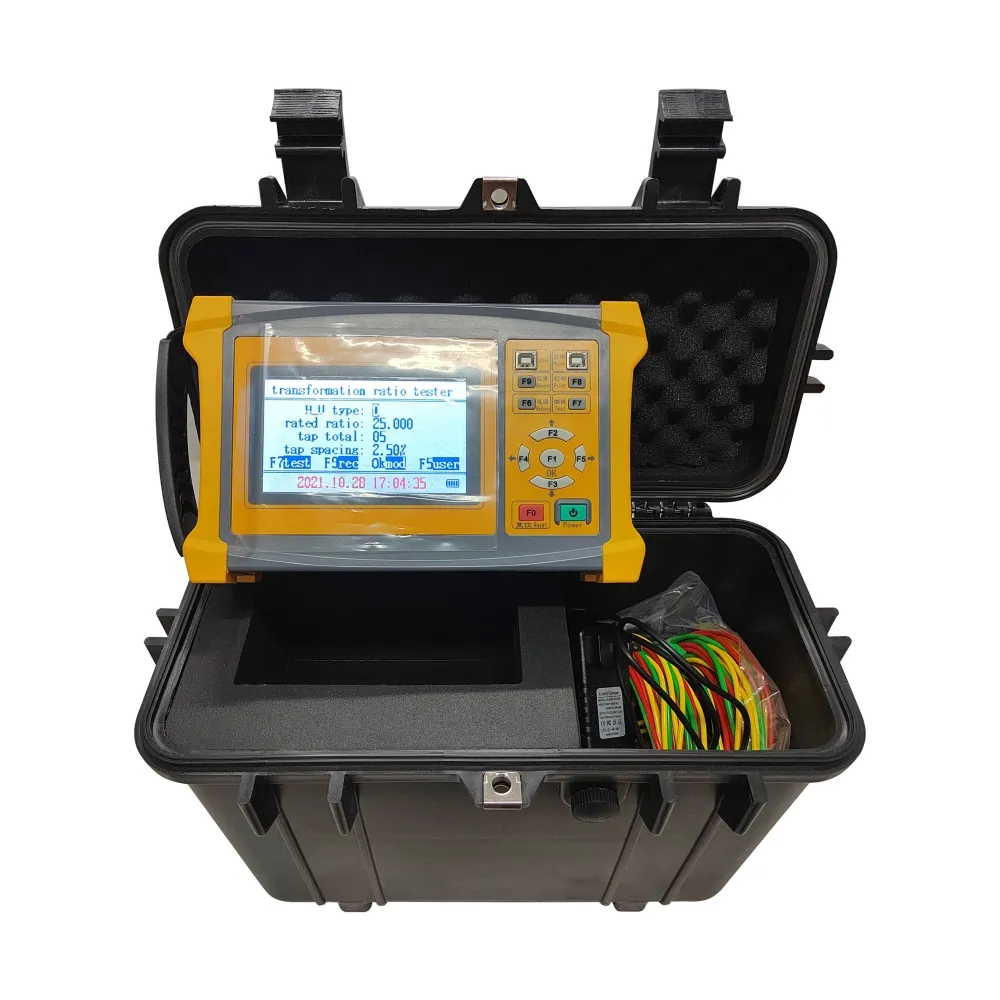
Introducing the PUSH Electrical PS-BB101A: A Benchmark in TTR Testing
The PUSH Electrical PS-BB101A Three-Phase Transformation Turn Ratio Tester represents the pinnacle of modern transformer turns ratio tester technology. Engineered for precision, speed, and ease of use, it is an essential tool for power utilities, industrial plants, transformer manufacturers, and electrical service providers. Designed to perform accurate ttr test of power transformer, it offers a comprehensive suite of features that address the complex demands of contemporary electrical infrastructure maintenance and diagnostics.
Key Technical Parameters and Advantages
The PS-BB101A distinguishes itself through its robust specifications and intelligent design. Below is a detailed table outlining its core technical parameters, showcasing its capabilities in providing reliable ttr test of transformer results:
| Parameter | Specification (PUSH PS-BB101A) | Significance for TTR Electrical Testing |
|---|---|---|
| Measurement Range | 0.9 ~ 10000 | Covers a vast array of transformers, from distribution to large power transformers, ensuring versatility. |
| Accuracy | ±0.1% (0.9 ~ 500), ±0.2% (501 ~ 2000), ±0.3% (2001 ~ 10000) | High precision across different ratio ranges, critical for detecting subtle winding faults and maintaining asset integrity. |
| Test Voltage | 80V (AC) | Optimized low voltage for safe testing, minimizing risk to personnel and equipment while ensuring effective measurement. |
| Phase Measurement | Three-Phase Automatic Test | Significantly reduces testing time for three-phase transformers, increasing efficiency and productivity. |
| Display | 7-inch Industrial High-Brightness LCD with Touch Screen | Intuitive user interface for easy operation, clear data visualization, even in challenging lighting conditions. |
| Data Storage | Large internal storage, supports USB external storage | Facilitates comprehensive record-keeping, trending analysis, and seamless data transfer for advanced diagnostics. |
| Printer | High-speed Thermal Printer (built-in) | Enables immediate on-site report generation, enhancing efficiency in fieldwork and documentation. |
| Operating Temperature | -10°C to 50°C | Wide operational temperature range ensures reliable performance in various climatic conditions. |
| Weight & Portability | Lightweight, compact design | Enhances field mobility, allowing technicians to easily transport and deploy the tester to remote locations. |
These parameters collectively position the PS-BB101A as an industry-leading turns ratio meter. Its high accuracy ensures that even minor deviations in the transformer voltage turns ratio are detected, preventing potential failures. The three-phase automatic test function significantly reduces the time and effort required for routine maintenance, directly contributing to operational cost savings and improved grid uptime.
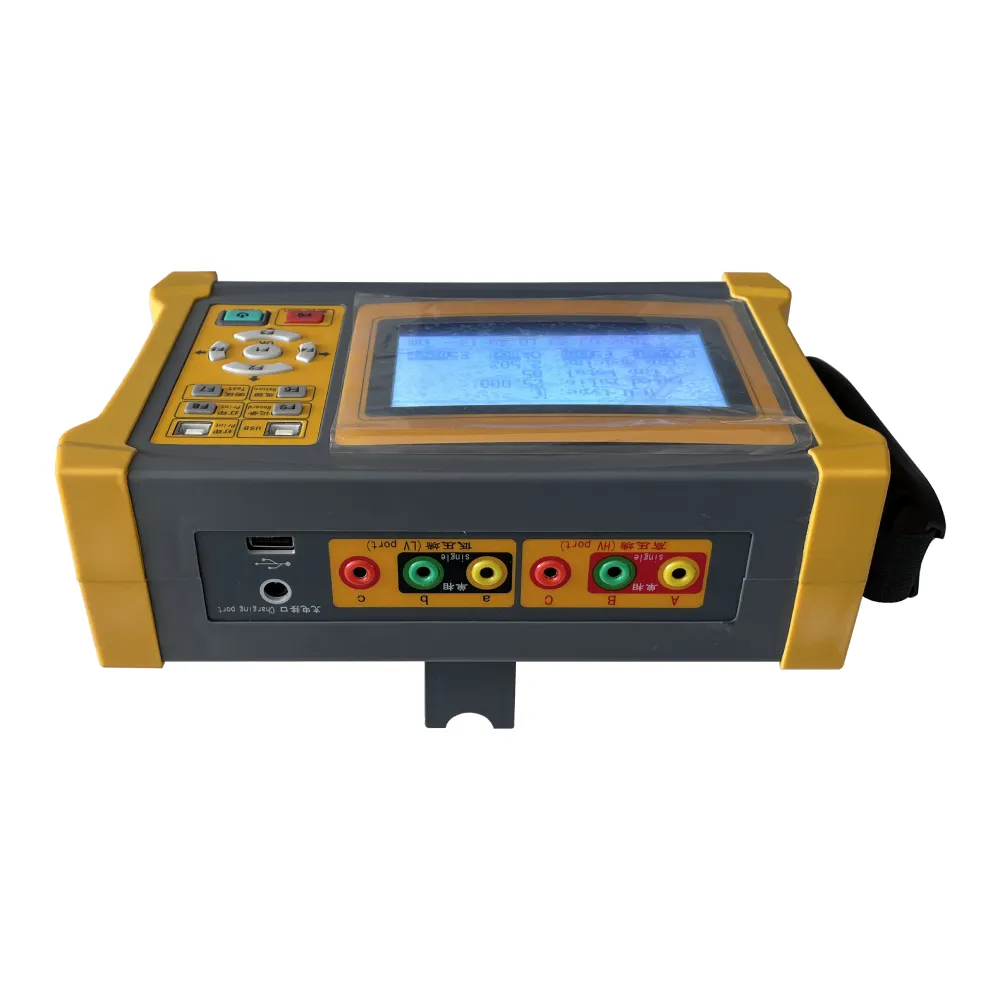
Applications Across Industries: Where PUSH Electrical Shines
The versatility and precision of the PUSH Electrical PS-BB101A make it indispensable across a multitude of sectors, extending far beyond conventional power utilities. Its ability to perform highly accurate ttr transformer turns ratio measurements ensures the operational integrity of critical electrical infrastructure, indirectly contributing to benefits like energy saving through efficient transformer operation and enhanced equipment longevity through proactive fault detection.
- Power Generation, Transmission, and Distribution: This is the primary domain for ttr electrical testing. The PS-BB101A is critical during commissioning of new transformers, routine maintenance cycles, and fault diagnosis for existing units. It helps identify issues like winding damage, shorted turns, or incorrect tap settings that can lead to energy losses or catastrophic failures.
- Industrial Plants (Petrochemical, Metallurgy, Manufacturing): Large industrial facilities rely on a complex network of transformers to power their operations. In industries like petrochemicals, where explosive atmospheres are a concern, or metallurgy, where high temperatures are prevalent, the robust design of the PS-BB101A and the accuracy of its transformer turns ratio meter ensure reliable operation and prevent costly downtime. Early detection of transformer issues translates directly into maintained production schedules and significant energy savings.
- Renewable Energy Installations (Solar, Wind Farms): Transformers are vital for integrating renewable energy sources into the grid. Regular ttr test ensures these transformers are performing optimally, maximizing energy harvesting efficiency and safeguarding against unexpected outages.
- Railway and Transportation Systems: Electric locomotives and railway infrastructure depend on specialized transformers. Precise ttr test in transformer helps maintain the high standards of safety and operational continuity required for transportation networks.
- Data Centers and Telecommunications: Uninterrupted power is non-negotiable for data centers. The PS-BB101A aids in ensuring the reliability of backup power transformers, preventing data loss and service disruption.
- Water Supply and Drainage Systems: Pumping stations and water treatment facilities utilize various transformers. Ensuring their efficiency through routine ttr test of transformer contributes to reliable public services and often to direct energy savings by avoiding power factor correction issues or outright failures.
In all these scenarios, the PS-BB101A's rapid diagnostic capabilities and intuitive interface empower technicians to perform swift and accurate tests, minimizing operational disruptions and optimizing maintenance schedules. The result is enhanced asset lifespan, reduced operational costs, and superior grid resilience.
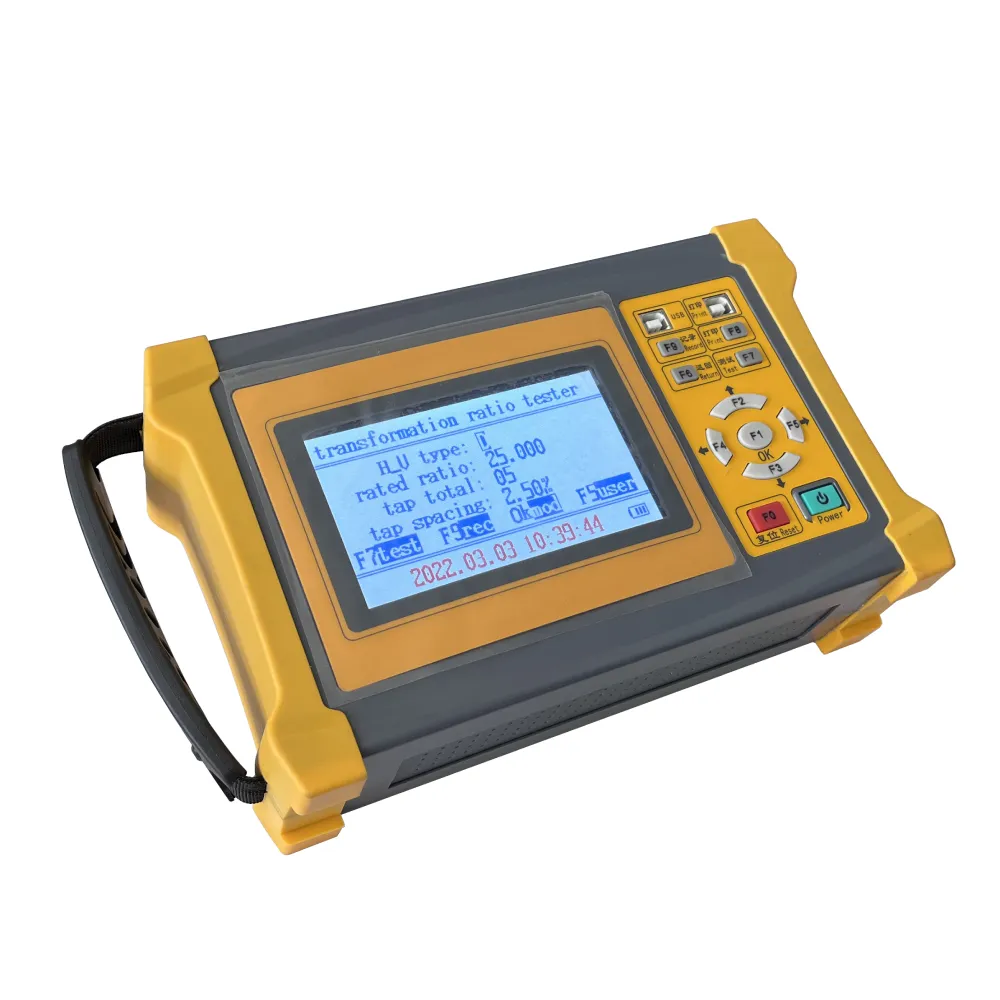
Manufacturer Comparison & Industry Trends for TTR Testers
The market for turns ratio tester equipment is competitive, with various manufacturers offering a range of devices. While many can perform basic ttr test functions, PUSH Electrical distinguishes itself through a commitment to advanced technology, user experience, and robust construction. Here's how the PUSH PS-BB101A stands out and what key trends are shaping the future of transformer turns ratio tester technology:
PUSH Electrical's Competitive Edge
- Unmatched Accuracy & Stability: While many testers offer good accuracy, the PS-BB101A's multi-range precision (up to ±0.1%) ensures reliable results even for subtle deviations that might be missed by less sophisticated instruments. This is crucial for proactive maintenance and preventing premature component failure in high-value assets.
- Automatic Three-Phase Testing: A significant advantage, as it drastically reduces testing time compared to single-phase or manually switched three-phase testers. This efficiency directly translates to lower labor costs and less downtime for the transformer.
- Intuitive Touchscreen Interface: Simplifies operation, minimizing training requirements and human error. Unlike button-heavy interfaces of older models, the PS-BB101A's 7-inch LCD ensures clear data presentation and easy navigation.
- Robust Design for Industrial Environments: Engineered with a focus on durability, its construction is designed to withstand the rigors of field use, offering a longer service life and better protection against dust, moisture, and impact—a common challenge for equipment used in petrochemical, metallurgy, or outdoor substation environments.
- Comprehensive Data Management: Beyond just measurement, the PS-BB101A provides extensive internal storage and USB export capabilities, essential for historical data analysis, trending, and compliance reporting.
Current and Future Trends in Transformer Turns Ratio Testing
- Increased Automation: The trend is towards fully automated test sequences with minimal user intervention, further reducing testing time and improving consistency.
- Integrated Diagnostics: Future ttr electrical testing devices will likely integrate with other diagnostic tools (e.g., winding resistance, insulation resistance, sweep frequency response analysis) to provide a more holistic view of transformer health from a single platform.
- Cloud Connectivity & IoT: Remote monitoring and data analysis via cloud platforms are becoming standard, enabling real-time insights, predictive maintenance, and collaboration among geographically dispersed teams.
- Enhanced Portability & Ruggedization: As field work continues to dominate, devices will become even lighter, more compact, and more resistant to extreme environmental conditions.
- Artificial Intelligence & Machine Learning: AI algorithms will be increasingly used to analyze vast datasets from transformer ttr tests, identifying subtle patterns indicative of impending failures before they become critical.
PUSH Electrical remains at the forefront of these trends, continuously innovating to provide solutions that not only meet current industry needs but also anticipate future demands for more efficient, intelligent, and reliable ttr tester equipment.
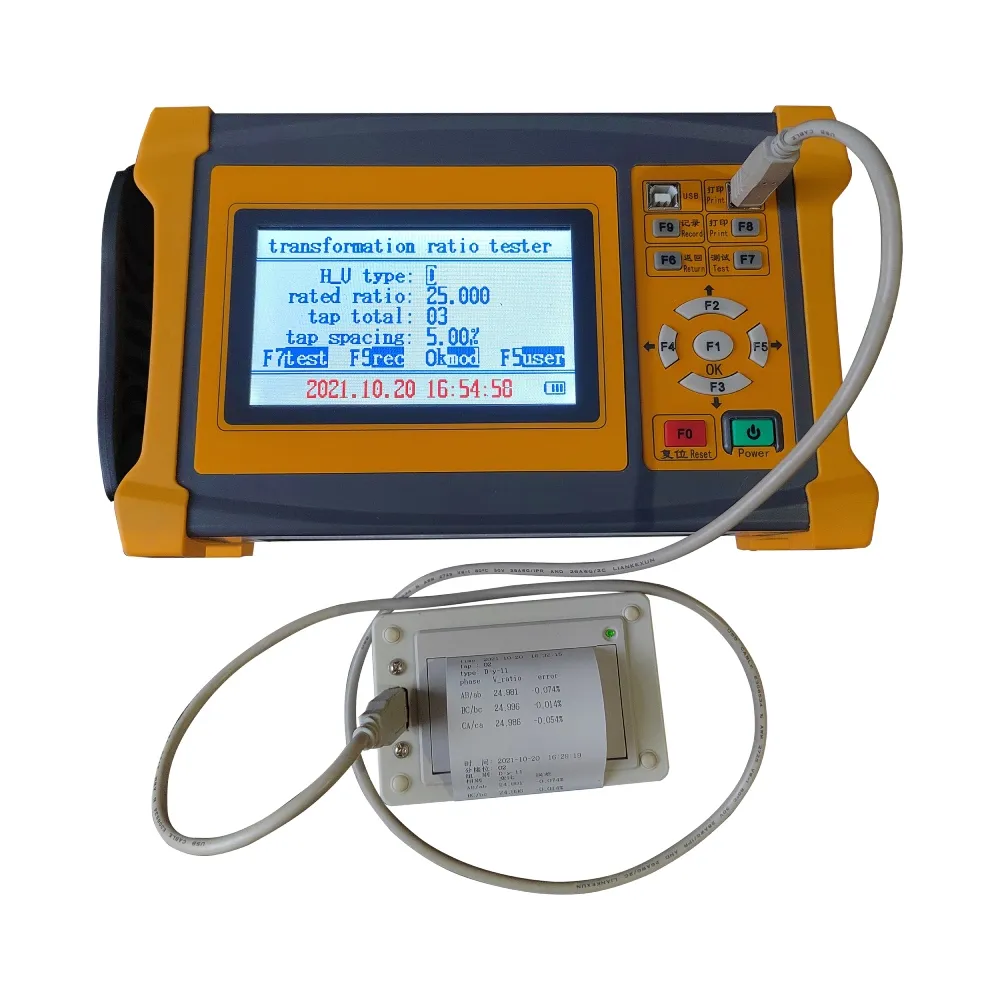
Custom Solutions, Dedicated Support, and Real-World Impact
At PUSH Electrical, we understand that every client's needs are unique. While our PS-BB101A ttr electrical testing device offers comprehensive capabilities, we are committed to providing tailored solutions and unwavering support to ensure optimal integration and performance within your specific operational environment. Our approach extends beyond mere product delivery, embracing a partnership model focused on maximizing your assets' reliability and longevity.
Tailored Solutions and Unwavering Support
- Pre-Sales Consultation: Our experts provide in-depth consultations to understand your specific testing requirements, helping you select the ideal ttr test set solution and addressing any technical queries regarding ttr test of power transformer.
- Custom Calibration and Configuration: For highly specialized applications, we offer custom calibration services to meet unique industry standards or operational parameters. Our technical team can also assist with specific device configurations to streamline your testing protocols.
- Comprehensive Training Programs: To ensure your team maximizes the potential of the PS-BB101A, we offer detailed training sessions covering operation, maintenance, and advanced diagnostic techniques related to transformer ttr and other electrical tests.
- Dedicated After-Sales Support: Our commitment extends well beyond the sale. We provide responsive technical support, troubleshooting, and spare parts availability, ensuring minimal downtime for your testing operations.
- Flexible Delivery & Efficient Logistics: Understanding the urgency of equipment deployment, we offer streamlined logistics and clear delivery cycle estimates, working to meet your project timelines efficiently.
Illustrative Application Cases
While specific client names remain confidential, the impact of the PUSH Electrical PS-BB101A is evident across numerous successful deployments:
- Utility Grid Modernization: A major regional power utility implemented several PS-BB101A units for their substation maintenance crews. The automatic three-phase testing capability dramatically reduced the time spent on routine transformer inspections, allowing crews to cover more assets and improve overall grid reliability by proactively identifying transformers with incipient winding issues. This led to a 15% reduction in unscheduled outages related to transformer faults over an 18-month period.
- Industrial Plant Expansion: During the commissioning of a new production line at a large metallurgical plant, accurate transformer turns ratio meter readings were critical. The PS-BB101A provided precise validation of newly installed transformers, ensuring their conformity to design specifications and preventing costly rework or operational delays. The plant reported seamless integration and immediate operational stability.
- Renewable Energy Farm Integration: For a rapidly expanding solar farm, the need for efficient and reliable ttr test of step-up transformers was paramount. The portability and accuracy of the PS-BB101A allowed technicians to perform rapid checks across numerous inverter stations, ensuring optimal energy conversion and reducing potential losses from inefficient transformer operation.
Ensuring Trust and Reliability ( Focus)
PUSH Electrical's commitment to quality and customer satisfaction is validated through:
- Certifications and Standards: Our manufacturing processes and products adhere to international standards such as ISO 9001 for quality management, ensuring consistent product excellence. The PS-BB101A is designed to comply with relevant safety and performance standards, including CE certification.
- Extensive Quality Control: Every unit undergoes rigorous multi-stage quality checks, from component sourcing to final assembly and calibration, ensuring superior performance and durability.
- Strategic Partnerships: Collaborations with leading research institutions and industry bodies keep us at the forefront of technological advancements and best practices in ttr electrical testing.
- Comprehensive Warranty & Support: We offer a robust warranty on the PS-BB101A, backed by a dedicated customer support team ready to assist with any queries or operational challenges. Our transparent delivery cycle and committed service team reinforce our trustworthiness.
Frequently Asked Questions (FAQs)
- Q: How often should a transformer undergo TTR testing?
A: The frequency depends on the transformer's age, criticality, and operational environment. Generally, it's recommended during commissioning, after significant electrical events, and during routine maintenance intervals (e.g., every 1-5 years for critical assets). Our transformer turns ratio tester makes this process efficient. - Q: What does a deviation in TTR ratio indicate?
A: A deviation typically points to winding damage (shorted or open turns), tap changer issues, or incorrect wiring. The PS-BB101A's high accuracy helps pinpoint these deviations precisely, informing further diagnostic steps. - Q: Can the PS-BB101A test transformers with different voltage ratings?
A: Yes, the PS-BB101A's wide measurement range (0.9 to 10000) allows it to test a broad spectrum of transformers, from low voltage distribution transformers to high voltage power transformers, ensuring its versatility as a ttr tester. - Q: Is the PS-BB101A suitable for field use?
A: Absolutely. Its lightweight, compact design, robust construction, and wide operating temperature range (-10°C to 50°C) make it ideally suited for challenging field environments.
Conclusion: Safeguarding Electrical Infrastructure with Precision TTR Testing
The integrity of electrical transformers is foundational to the stability and efficiency of power grids and industrial operations worldwide. As infrastructure ages and demands on electrical systems intensify, the importance of accurate and reliable diagnostic tools like the transformer turns ratio meter becomes even more pronounced. The PUSH Electrical PS-BB101A Three-Phase Transformation Turn Ratio Tester stands as a testament to advanced engineering and a critical asset for any organization committed to maintaining the highest standards of electrical asset management.
By providing unparalleled accuracy, automated three-phase testing, a user-friendly interface, and a durable design, the PS-BB101A enables technicians and engineers to swiftly and confidently assess the health of transformers. This proactive approach to ttr electrical testing not only prevents costly failures and extends the lifespan of valuable assets but also contributes significantly to operational efficiency and overall grid resilience. Choosing PUSH Electrical means investing in a future where power infrastructure is more reliable, sustainable, and capable of meeting the escalating demands of a connected world.
References
- IEEE Std C57.12.90™-2006, IEEE Standard Test Code for Liquid-Immersed Distribution, Power, and Regulating Transformers.
- IEC 60076-1:2011, Power transformers – Part 1: General.
- Kulkarni, S.V., Khaparde, S.A. (2004). Transformer Engineering: Design, Technology, and Diagnostics. CRC Press.
- M. S. Naidu, V. Kamaraju. (2013). High Voltage Engineering. McGraw Hill Education.
- D. K. Sharma. (2015). Handbook of Transformer Maintenance and Diagnostics. Elsevier.
-
Find the Best Loop Impedance Tester for Sale and Ensure Electrical SafetyNewsMar.31,2026
-
Comprehensive Guide to Loop Impedance Meter for Electrical SafetyNewsMar.28,2026
-
Understanding and Choosing a Line Impedance Tester for Optimal Network PerformanceNewsMar.26,2026
-
Comprehensive Guide to Line Earth Loop Impedance Test for Electrical SafetyNewsMar.24,2026
-
Comprehensive Guide to Fault Loop Impedance Meter and Electrical SafetyNewsMar.21,2026
-
Comprehensive Guide to External Loop Impedance Test for Electrical SafetyNewsMar.19,2026


