 English



Working of Gas Chromatography: Faster, Online, Affordable?
How the lab really runs: an insider’s guide to the working of gas chromatography
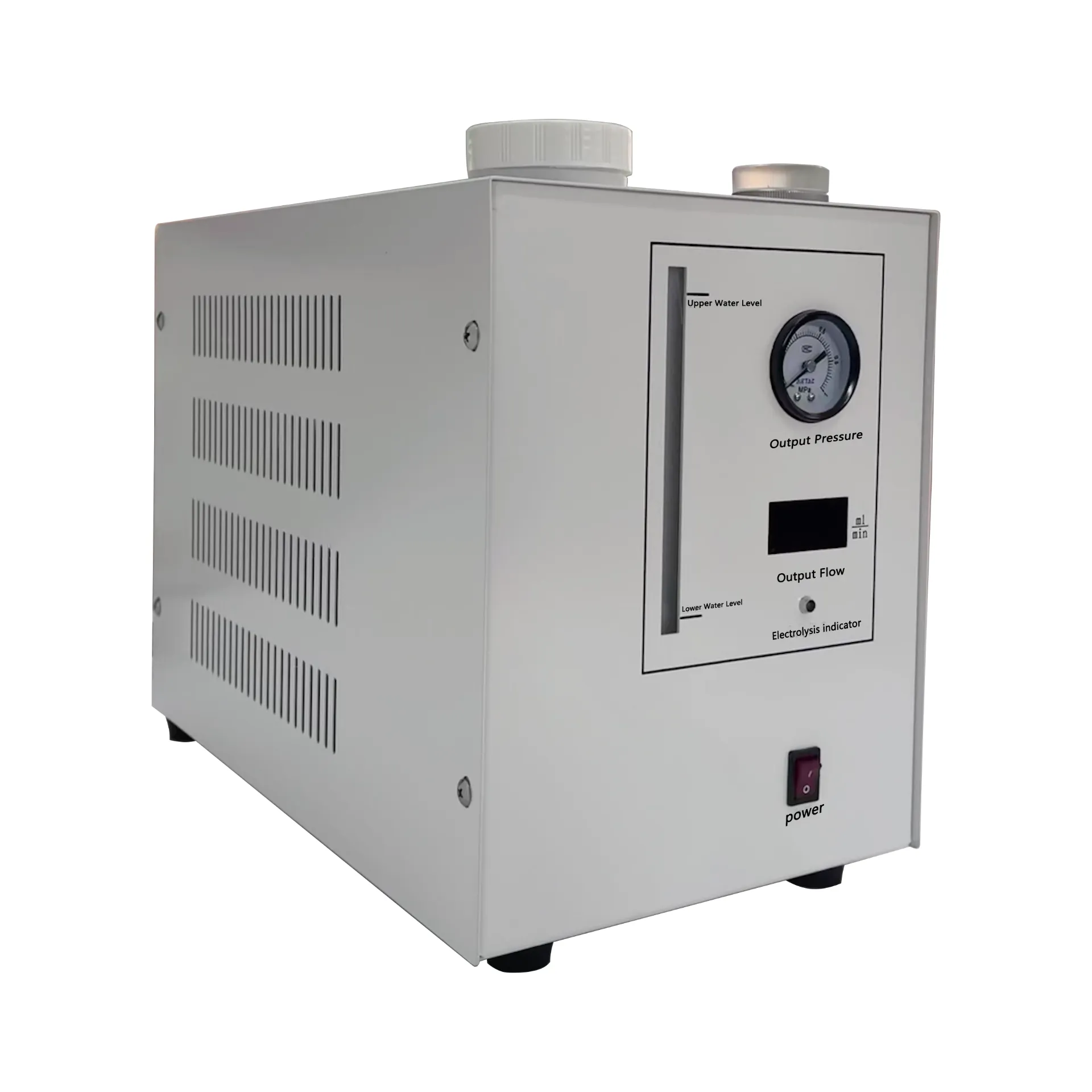
If you’ve ever babysat a gas chromatograph at 2 a.m., you know the story: baselines live or die by gas quality. Hydrogen, done right, unlocks faster runs and sharper peaks. Done poorly… well, you chase ghosts. I’ve watched labs switch from cylinders to generators and—surprisingly—most never look back. The PS-300 Hydrogen Generator Gas Chromatography Test Kit is one of those “quiet enablers” that makes the whole GC stack hum.
Why hydrogen now? Industry trends in a nutshell
Helium scarcity and pricing volatility nudged many labs toward hydrogen as carrier and FID fuel. The upside: faster linear velocities and lower viscosity, often enabling 20–35% faster methods with equivalent or better resolution. Safety used to be the worry; today’s generators build in layers of control, leak checks, and stable pressure regimes. The PS-300 leans into that with high‑sensitive fuzzy control and auto tracking to hold pressure stability within ≤0.001 MPa—exactly what finicky columns crave.
How it works (brief, honest version)
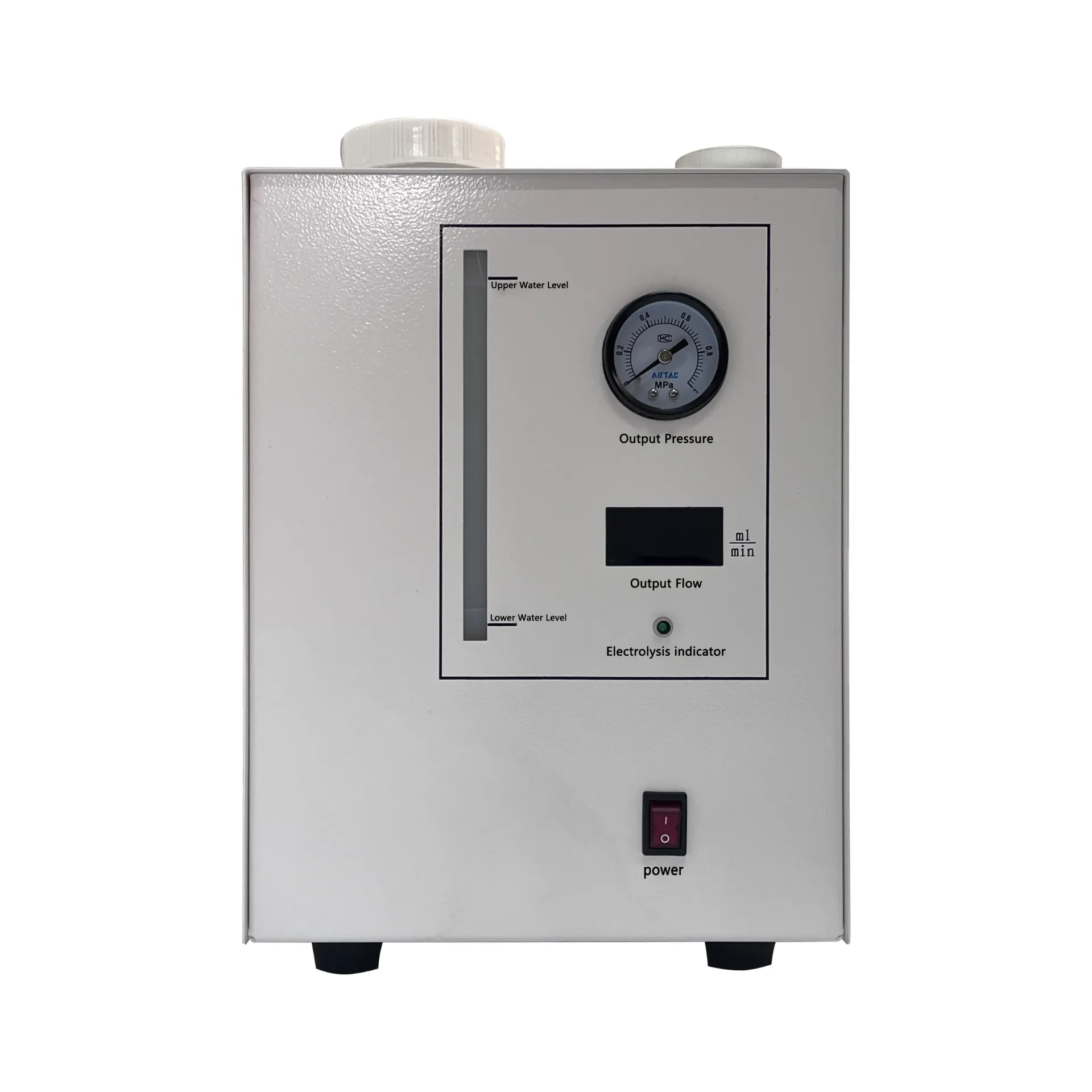
Feed in clean deionized water; the electrolytic cell splits it, then multi‑stage purification and dual filters strip out trace contaminants. Transition‑metal catalytic tech (that’s the clever bit) helps push oxygen content under 3 ppm. Dew point clocks in around −56°C, which, in real GC life, means steady baselines and fewer water‑tail surprises. To be honest, the magic is the stability loop: if your pressure wiggles, your retention times wander. Here, they don’t.
Use cases I keep seeing: high‑throughput FID methods (hydrocarbons, solvents), TCD work where hydrogen can pull double duty as carrier, and QA/QC where USP working of gas chromatography system suitability is non‑negotiable.
Product specs at a glance
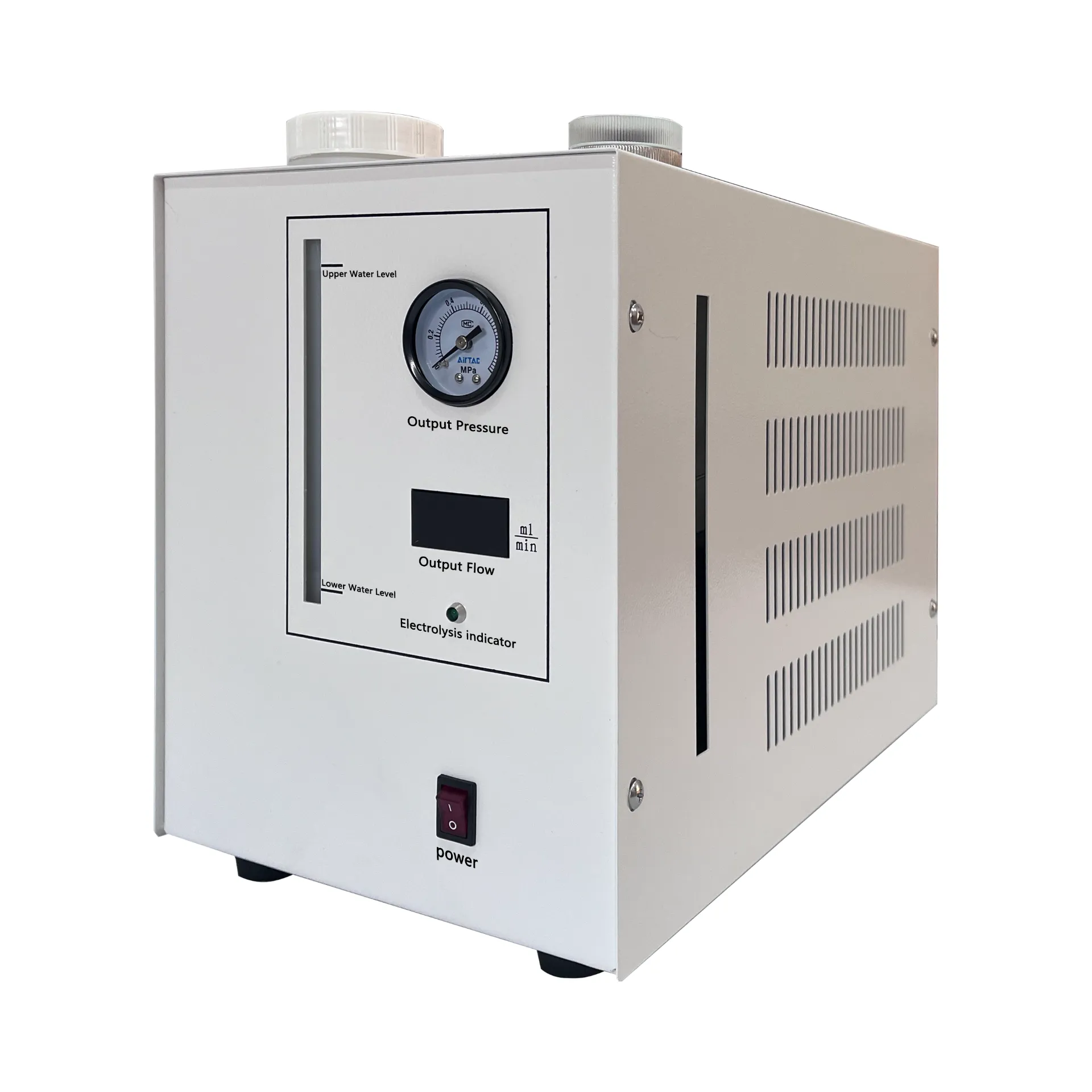
| Model | PS-300 Hydrogen Generator Gas Chromatography Test Kit |
| Pressure stability precision | ≤0.001 MPa (fuzzy control + auto tracking) |
| Purity indicators | O2 |
| Purification | Multi‑stage + dual filters; transition‑metal catalytic tech |
| Recommended use | Carrier and FID fuel for GC; supports diverse instrument brands |
| Origin | Room 302, Building 5, Baoding Zhongguancun Digital Economy Industrial Park, No. 777 Lixing Street, Jingxiu District, Baoding Hebei Province |
Process flow, methods, and standards
- Materials: DI water input; hydrogen output to GC inlet and detector (FID fuel or carrier).
- Method fit: validated against lab SOPs aligning to USP , ASTM D1945, ISO 6974; verify system suitability daily.
- Testing data: O2
- Service life: electrolytic cell typically several years with proper water quality; many customers schedule 5‑year overhauls (real‑world use may vary).
- Industries: pharma QC, petrochem (C1–C6), environmental VOCs, food aromas, specialty gases.
Vendor/option comparison (practical view)
| Option | Purity/Specs | Maintenance | OPEX | Notes |
|---|---|---|---|---|
| PS-300 Generator | O2 | Periodic filter checks; water top‑ups | Low, predictable | On‑demand H2; reduced delivery risk |
| Generic H2 Generator | Varies; check ppm O2 and dew point | Similar; depends on purification stages | Low to moderate | Verify pressure stability specs |
| Helium Cylinders | High purity, but supply dependent | Logistics, regulators, leak checks | High/volatile | Slower runs vs H2; delivery delays |
Customization, safety, and real‑lab feedback
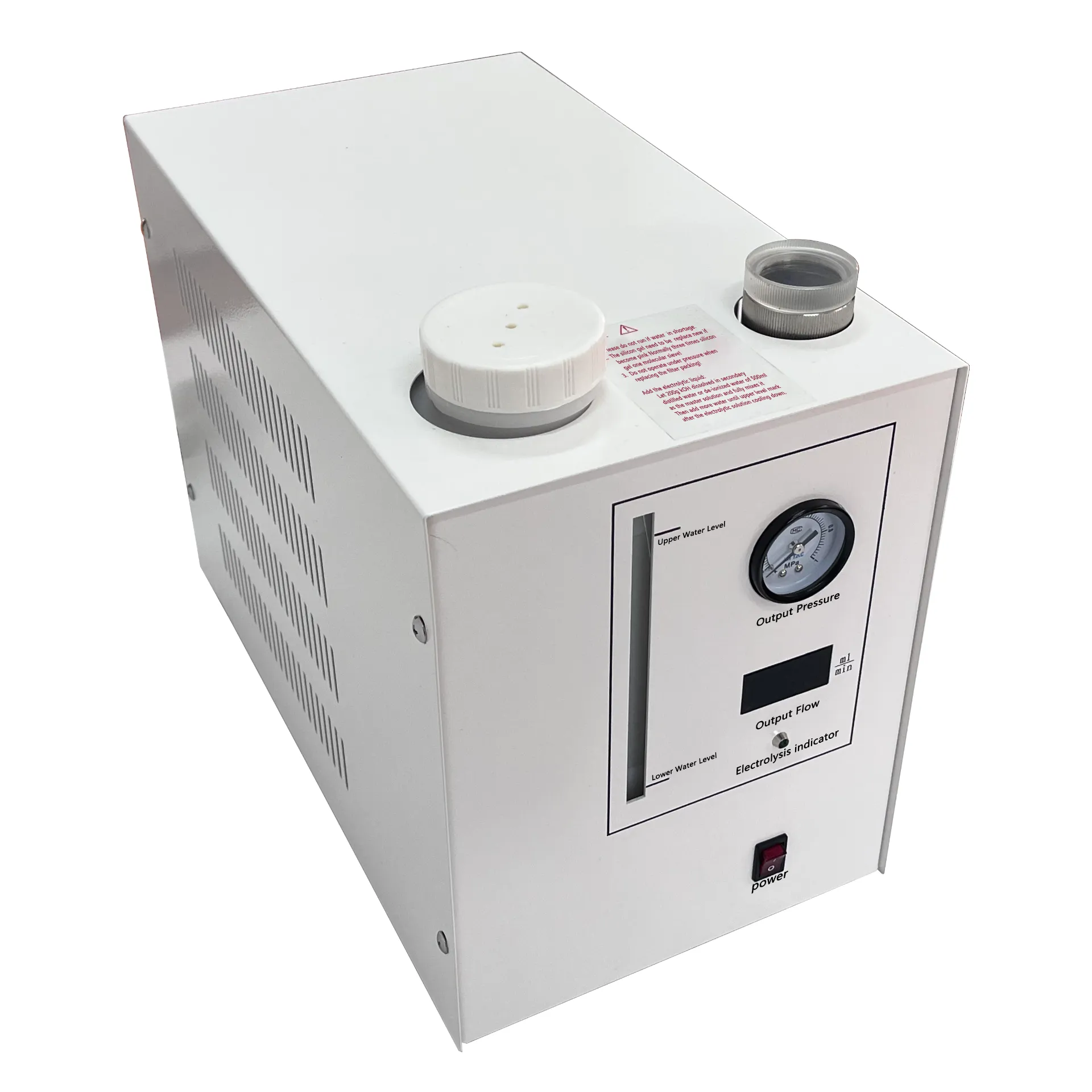
Customization options often requested: output flow range matching multi‑GC benches, remote alarms, rack‑mount kits, and integration with LIMS for uptime logs. Safety-wise, ask for conformance to IEC 61010‑1 and local gas codes (e.g., NFPA 55). Users tell me they see steadier baselines and easier method transfers. One mid‑size pharma QC team reported shaving ~25% off cycle time while keeping USP suitability comfortably in spec—nothing heroic, just consistent gas.
If your team is reviewing methods, map each step of the working of gas chromatography to gas quality controls: inlet leaks, oxygen ingress, water management, and pressure profiling. It seems obvious, but it’s the difference between a “maybe” chromatogram and one you can sign off without a second coffee.
Certifications and documentation checklist
- Request safety conformity (e.g., IEC 61010‑1) and CE documentation if applicable.
- Ask for factory test report confirming O2 ppm, dew point, and stability.
- Cross‑reference lab SOPs to USP , ASTM D1945, and ISO 6974 where relevant.
References:
- USP General Chapter Chromatography. United States Pharmacopeia.
- ASTM D1945 – Analysis of Natural Gas by Gas Chromatography. ASTM International.
- ISO 6974 (series) – Natural gas — Determination of composition with GC. International Organization for Standardization.
- Agilent Technologies. Considerations for Hydrogen as a Carrier Gas in GC (Application Note).
- NFPA 55 – Compressed Gases and Cryogenic Fluids Code. National Fire Protection Association.
- IEC 61010‑1 – Safety requirements for electrical equipment for measurement, control, and laboratory use.
-
Find the Best Loop Impedance Tester for Sale and Ensure Electrical SafetyNewsMar.31,2026
-
Comprehensive Guide to Loop Impedance Meter for Electrical SafetyNewsMar.28,2026
-
Understanding and Choosing a Line Impedance Tester for Optimal Network PerformanceNewsMar.26,2026
-
Comprehensive Guide to Line Earth Loop Impedance Test for Electrical SafetyNewsMar.24,2026
-
Comprehensive Guide to Fault Loop Impedance Meter and Electrical SafetyNewsMar.21,2026
-
Comprehensive Guide to External Loop Impedance Test for Electrical SafetyNewsMar.19,2026


