 English



Working of Gas Chromatography for Fast, Real-Time Analysis
How It Really Works: Gas Chromatography in the Lab, on the Bench, and in the Wild
If you’ve ever tried to explain the working of gas chromatography to a new analyst, you know the look: part curiosity, part “wait, what?” Actually, it’s not magic—just smart physics and chemistry. A carrier gas sweeps a vaporized sample into a capillary column, compounds separate based on interactions with the stationary phase, and a detector translates that dance into peaks you can trust.
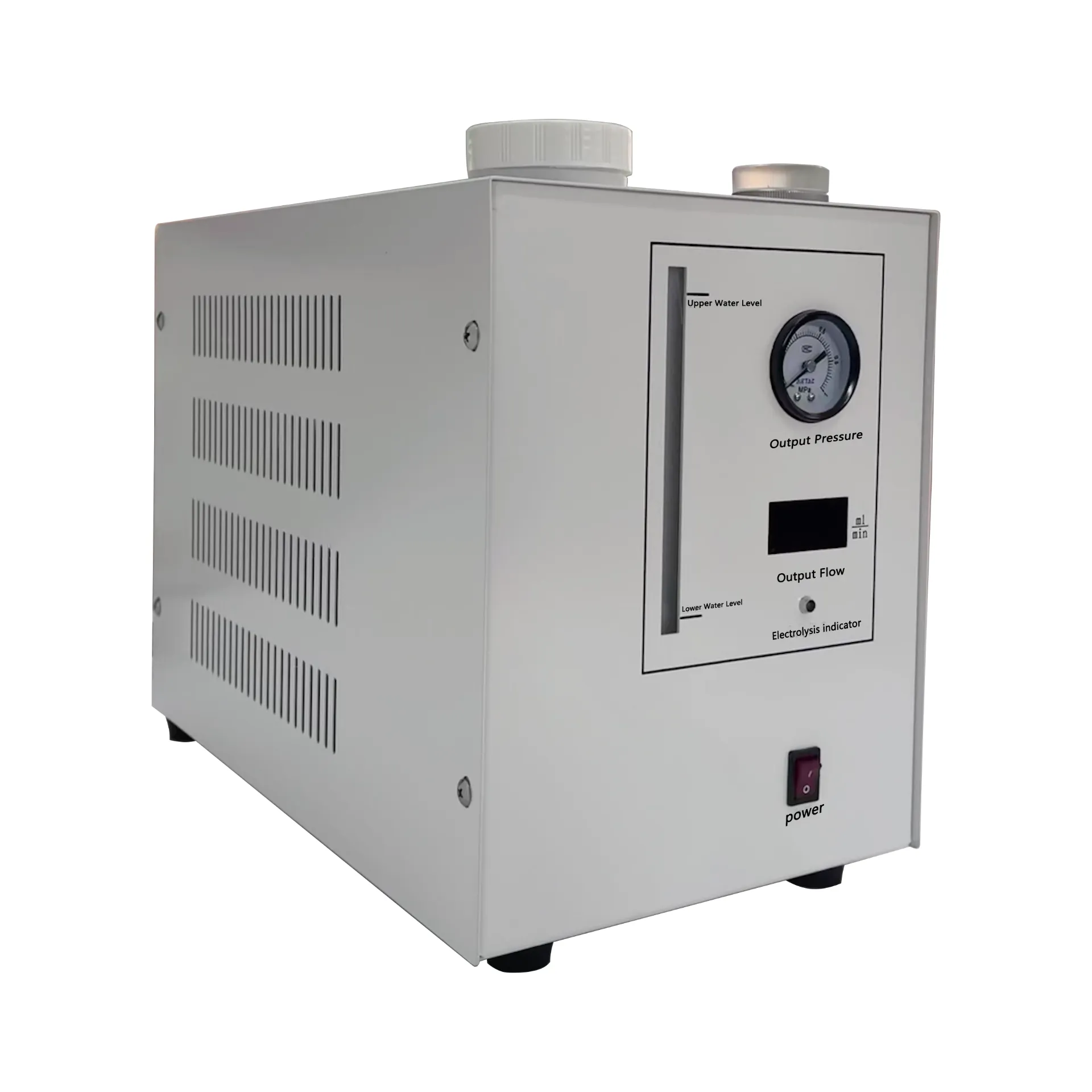
From carrier gas to clean peaks
In practice, the carrier gas (often hydrogen these days) moves your sample through a temperature-programmed oven and into detectors—FID for hydrocarbons, TCD for permanent gases, sometimes MS for the forensic-level stuff. To be honest, hydrogen has become the quiet hero here: faster separations, sharper peaks, and fewer bottlenecks. But only if it’s clean and pressure-stable. That’s where a modern generator matters.
PS-300 Hydrogen Generator: small box, big impact
The PS-300 Hydrogen Generator Gas Chromatography Test Kit is one of those instruments that quietly makes everything else better. It uses high-sensitive fuzzy pressure control with an automatic tracking system, keeping stability within less than 0.001 MPa. The electrolytic cell leverages transient-metal catalytic technology with multi‑stage purification and dual filters. Purity specs? Oxygen content less than 3 ppm; dew point around −56 °C. That combo not only supports flame ionization as fuel gas, it often improves the working of gas chromatography as a whole by protecting columns and detectors from contamination.
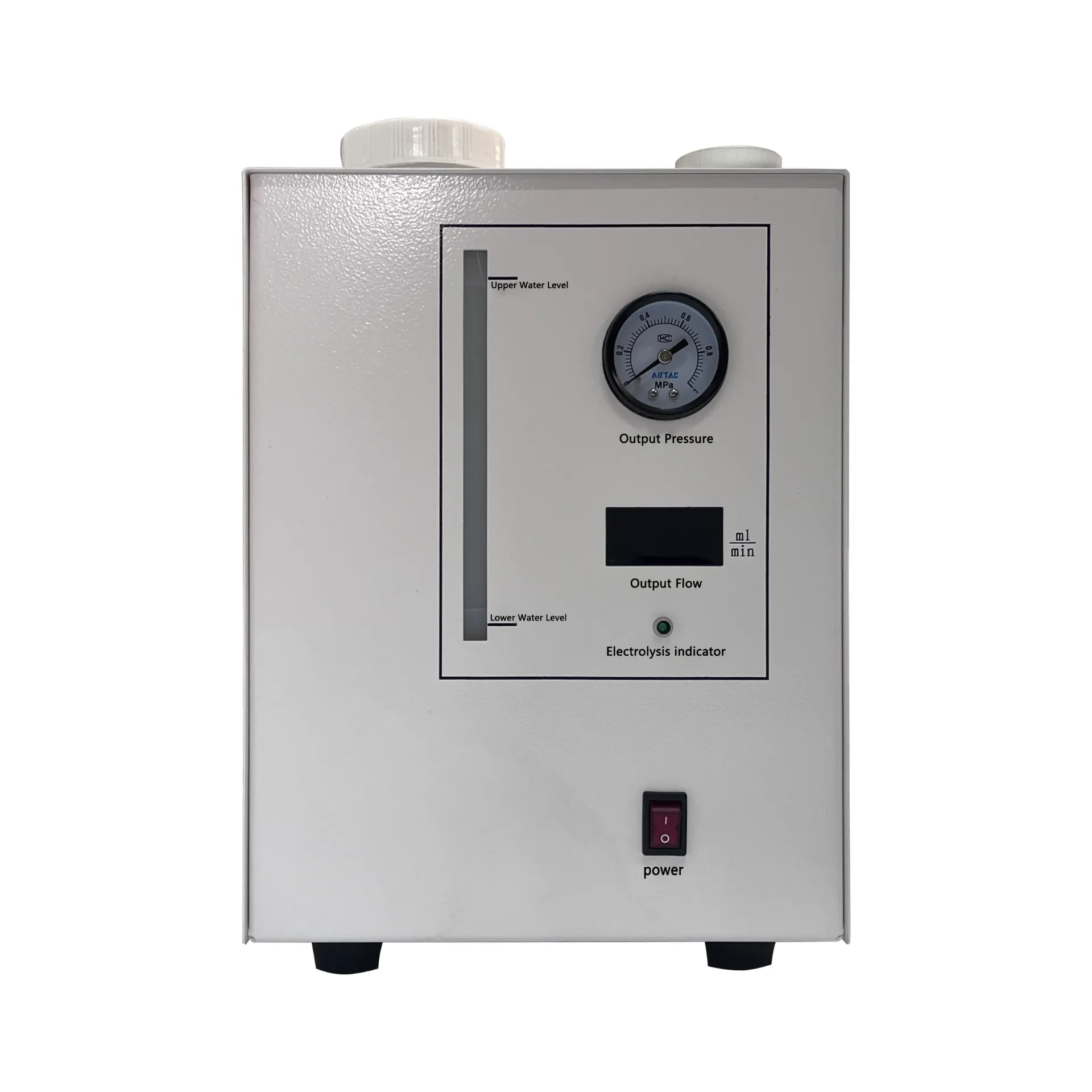
Product specifications (field-notes style)
| Model | PS-300 Hydrogen Generator Gas Chromatography Test Kit |
| Pressure stability | Precision range < 0.001 MPa (automatic tracking, fuzzy control) |
| Purification | Multi-stage + dual filters; transient-metal catalytic technology |
| Hydrogen purity | Oxygen content < 3 ppm; dew point ≈ −56 °C (real‑world use may vary) |
| Intended use | Carrier gas or FID fuel for GC (domestic and abroad models) |
| Service life | Electrolytic cell designed for long life; preventive maintenance extends instrument lifetime |
| Origin / Vendor | Room 302, Building 5, Baoding Zhongguancun Digital Economy Industrial Park, No. 777 Lixing Street, Jingxiu District, Baoding Hebei Province |
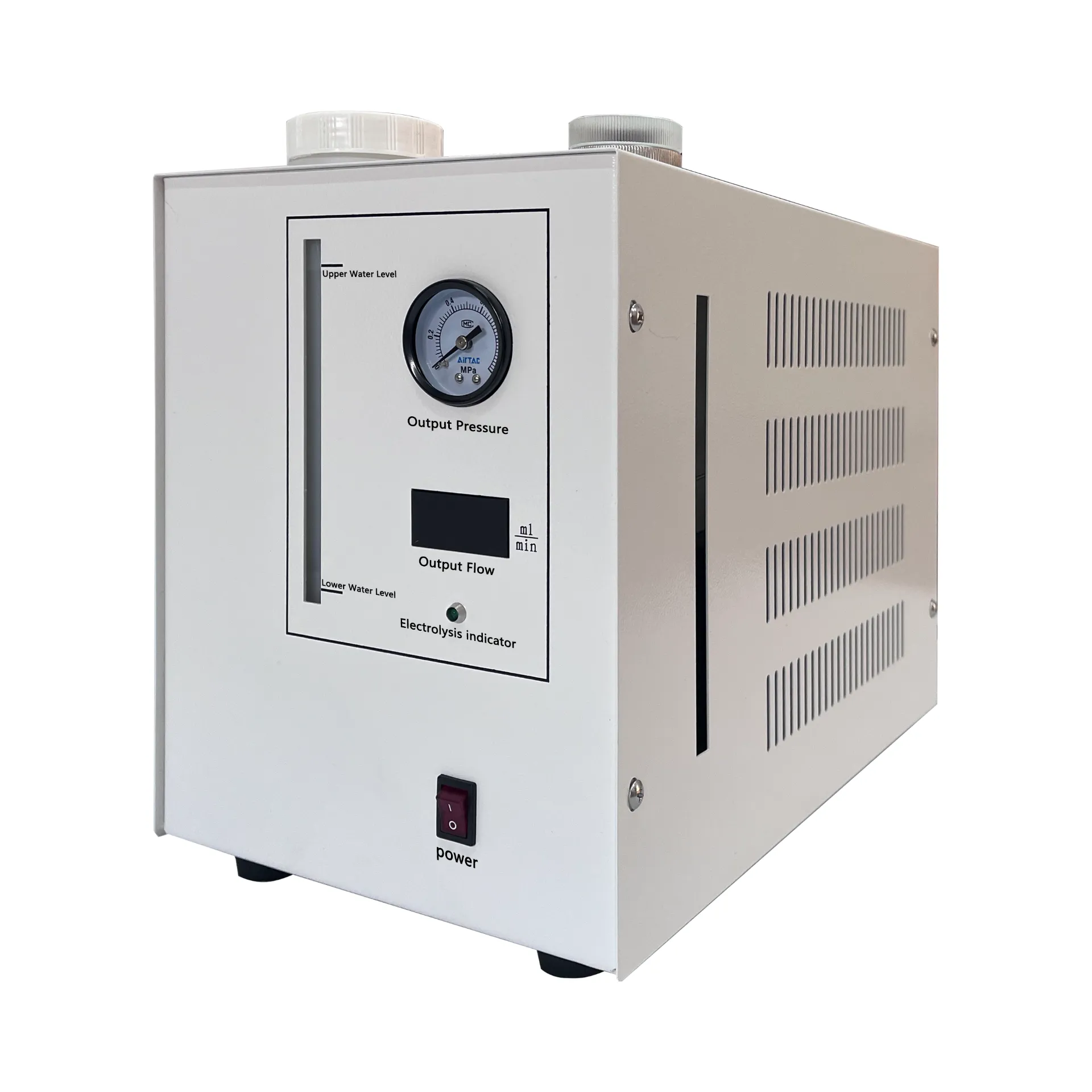
Where it fits: industries and methods
Typical users include petrochemical QA/QC, environmental labs (ambient VOCs), flavor & fragrance profiling, pharma method verification, and specialty gas providers. Standards you’ll see in the same conversation: USP <621> Chromatography, ASTM D1945/D6729 (light hydrocarbons), ASTM D6584 (FAME by GC), and ISO 6974 (natural gas). Labs often pair the PS‑300 with FID/TCD instruments to streamline the working of gas chromatography without cylinder logistics.
Process flow in the real world
Materials: deionized water feeds the electrolytic cell; hydrogen is generated on demand. Methods: routine GC with split/splitless injection; ramped oven programs. Testing standards: system suitability per USP <621>, detector linearity checks, leak tests, and dew point verification. Maintenance: periodic filter checks; cell inspection intervals based on hours and water quality. Many customers say pressure stability alone reduces re-runs—surprisingly more than they expected.
Vendor comparison (what buyers actually weigh)
| Option | Purity/Control | Safety/Logistics | Maintenance |
|---|---|---|---|
| PS‑300 Generator | O2 < 3 ppm; dew point ≈ −56 °C; pressure stability <0.001 MPa | On‑demand, minimal storage; reduces cylinder handling | Routine filter checks; long service life |
| High‑pressure cylinders | High purity but pressure decay; regulator drift | Deliveries, storage compliance | Regulator upkeep; changeouts |
| Generic generator (baseline) | Purity varies; control often ± “good enough” | Generally safe; specs vary by brand | Filter and cell costs depend on design |
Customization, feedback, and a quick case
Customization typically covers interface fittings, alarm thresholds, and integration with GC autosamplers. One food lab told us—informally—that switching to a PS‑300 cut their baseline noise for FID by “noticeably a lot,” which isn’t a unit but you get the idea. In a regional refinery QA lab, cycle time dropped because the sharpened peaks allowed a tighter oven program without sacrificing resolution. That’s the subtle value: the working of gas chromatography gets easier, and your SOPs breathe.
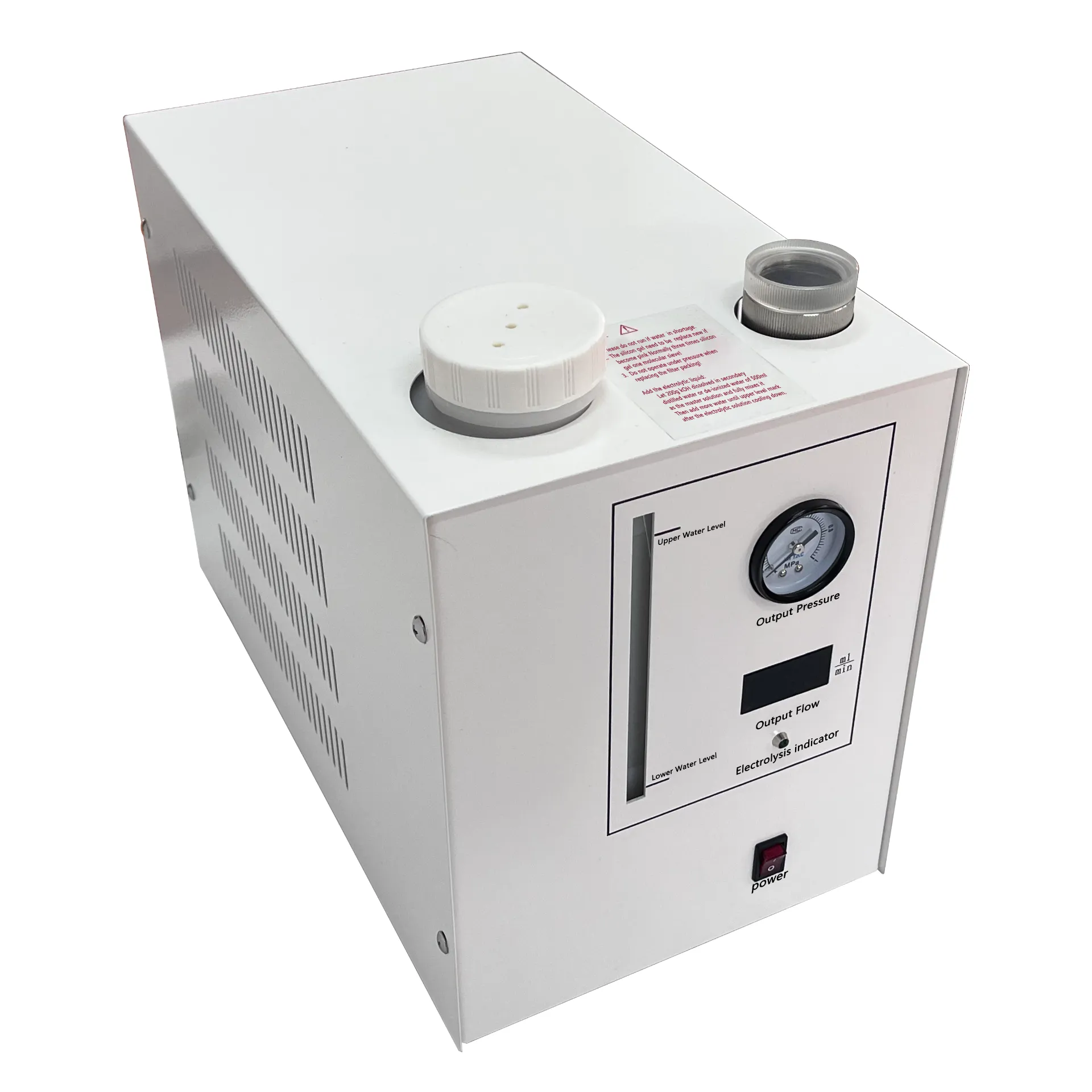
Certifications and data points to keep handy
Match your method to standards like USP <621>, ASTM D1945/D6729, and ISO 6974. Calibrate detectors with NIST‑traceable gas mixtures and verify dew point. If your compliance officer asks, log generator maintenance and pressure stability checks—auditors love that paper trail.
Authoritative citations:
- USP <621> Chromatography, United States Pharmacopeia.
- ASTM D1945, D6729: Analysis of Hydrocarbon Gases, ASTM International.
- ISO 6974 series: Natural gas—Determination of composition by GC, International Organization for Standardization.
- NIST Standard Reference Materials (SRMs) for Gas Mixtures, National Institute of Standards and Technology.
-
Find the Best Loop Impedance Tester for Sale and Ensure Electrical SafetyNewsMar.31,2026
-
Comprehensive Guide to Loop Impedance Meter for Electrical SafetyNewsMar.28,2026
-
Understanding and Choosing a Line Impedance Tester for Optimal Network PerformanceNewsMar.26,2026
-
Comprehensive Guide to Line Earth Loop Impedance Test for Electrical SafetyNewsMar.24,2026
-
Comprehensive Guide to Fault Loop Impedance Meter and Electrical SafetyNewsMar.21,2026
-
Comprehensive Guide to External Loop Impedance Test for Electrical SafetyNewsMar.19,2026


