 English



Comprehensive Guide to External Loop Impedance Test for Electrical Safety
Understanding the External Loop Impedance Test
The external loop impedance test is a critical safety check within electrical installations, ensuring the effectiveness of protective earth systems. It verifies the path for fault current back to the source, vital for triggering protective devices like circuit breakers and RCDs (Residual Current Devices) during a fault condition. A high impedance indicates a compromised earth path, posing a serious shock hazard. This article will provide a comprehensive overview of the test, its importance, procedure, interpretation, and how tools like those offered by Push Tester can simplify and enhance the process. Ensuring a safe electrical system is paramount, and the external loop impedance test is a cornerstone of that assurance.
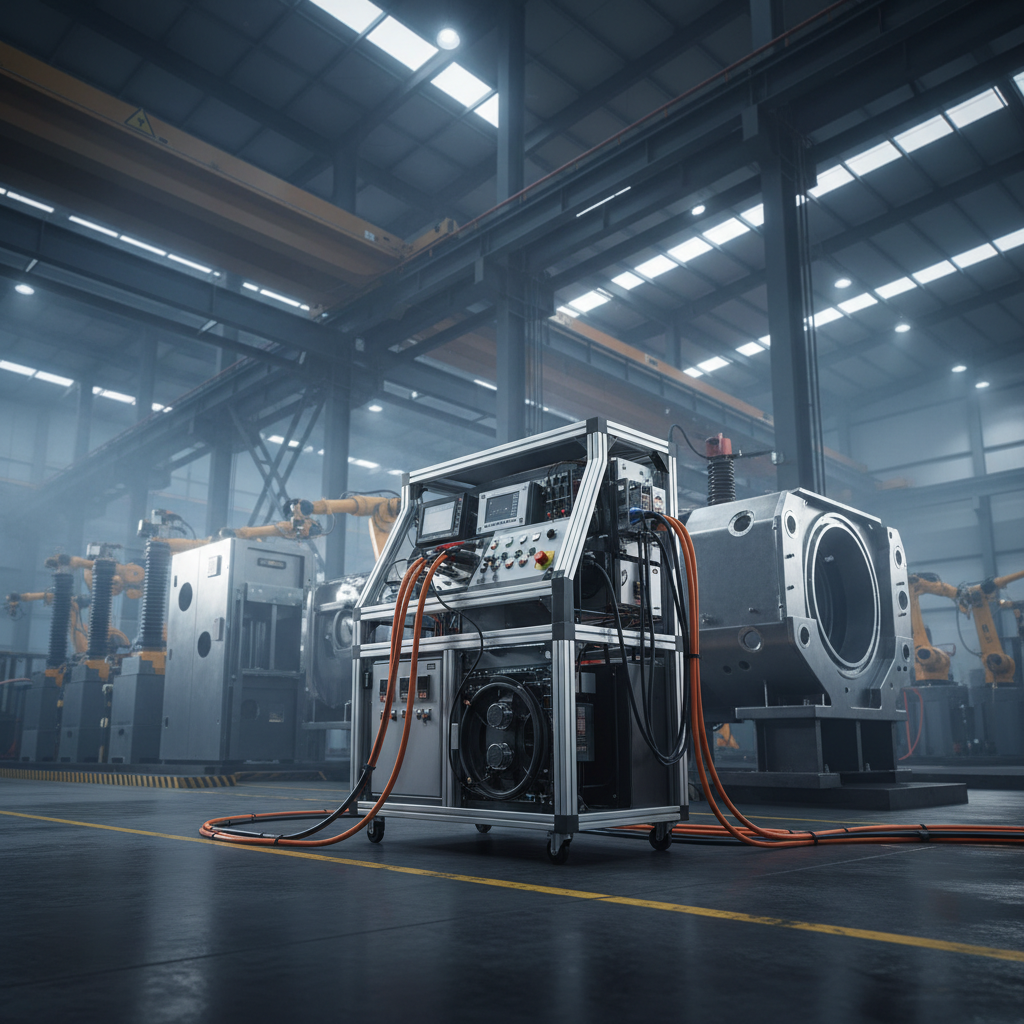
Why is the External Loop Impedance Test Important?
The primary purpose of this test is to confirm the effectiveness of the earth fault protection system. In the event of a fault where a live conductor comes into contact with a conductive part, a low-impedance path to earth is essential. This allows a sufficient fault current to flow, triggering the protective device (circuit breaker or RCD) to quickly disconnect the supply and minimize the risk of electric shock. A high loop impedance reduces the fault current, potentially leading to delayed disconnection or even failure of the protective device. Regular testing, as per regulations like the IET Wiring Regulations (BS 7671), is therefore mandatory to maintain electrical safety.
Key Benefit: Ensuring rapid disconnection of supply during a fault condition, significantly reducing the risk of electric shock and protecting personnel and equipment.
How to Perform an External Loop Impedance Test
Performing an external loop impedance test involves a dedicated testing instrument. Here’s a simplified procedure:
- Isolate the circuit: Ensure the circuit is de-energized and locked-off/tagged-out.
- Connect the tester: Connect the test leads to the line and earth terminals of the circuit under test.
- Select the test function: On the tester, select the appropriate loop impedance test function.
- Apply the test: Activate the test. The tester will inject a small current and measure the impedance of the loop.
- Record the results: Record the impedance value and compare it to the acceptable limits.
It’s crucial to use calibrated test equipment and follow the manufacturer's instructions carefully. Push Tester offers a range of testers designed to simplify this process.
Interpreting the Results of the External Loop Impedance Test
The measured impedance value must be compared against the maximum permissible impedance calculated according to the overcurrent protective device's rating and the cable characteristics. The acceptable impedance is determined by the circuit breaker/RCD tripping characteristics. If the measured impedance is higher than the calculated maximum, it indicates a problem with the earth fault path and requires investigation. Common causes include loose connections, corroded conductors, or damaged earthing conductors. It’s vital to rectify these issues before re-energizing the circuit.
Acceptable Impedance Guidelines:
• Low Impedance: Indicates a healthy earth fault path.
• High Impedance: Indicates a potential fault and requires investigation.
Factors Affecting External Loop Impedance & Testing Equipment
Several factors can influence the loop impedance, including cable length, cable size, and the type of earthing system. Longer cable runs naturally increase impedance. Smaller cable sizes also contribute to higher impedance. The type of earthing system (TN-S, TN-C-S, TT) affects the path for fault current and therefore the impedance. Choosing the correct testing equipment is crucial. Push Tester provides testers specifically designed for accurate loop impedance measurements, with features like auto-test sequences and clear digital displays.
The Role of Push Tester in Streamlining the Process
Push Tester offers a comprehensive range of electrical testing equipment, including advanced loop impedance testers. These testers feature auto-test functions, large clear displays, and data logging capabilities, making the testing process more efficient and accurate. Their robust construction and user-friendly interface make them suitable for both experienced electricians and those new to electrical testing. They help you ensure compliance with safety standards and provide peace of mind.
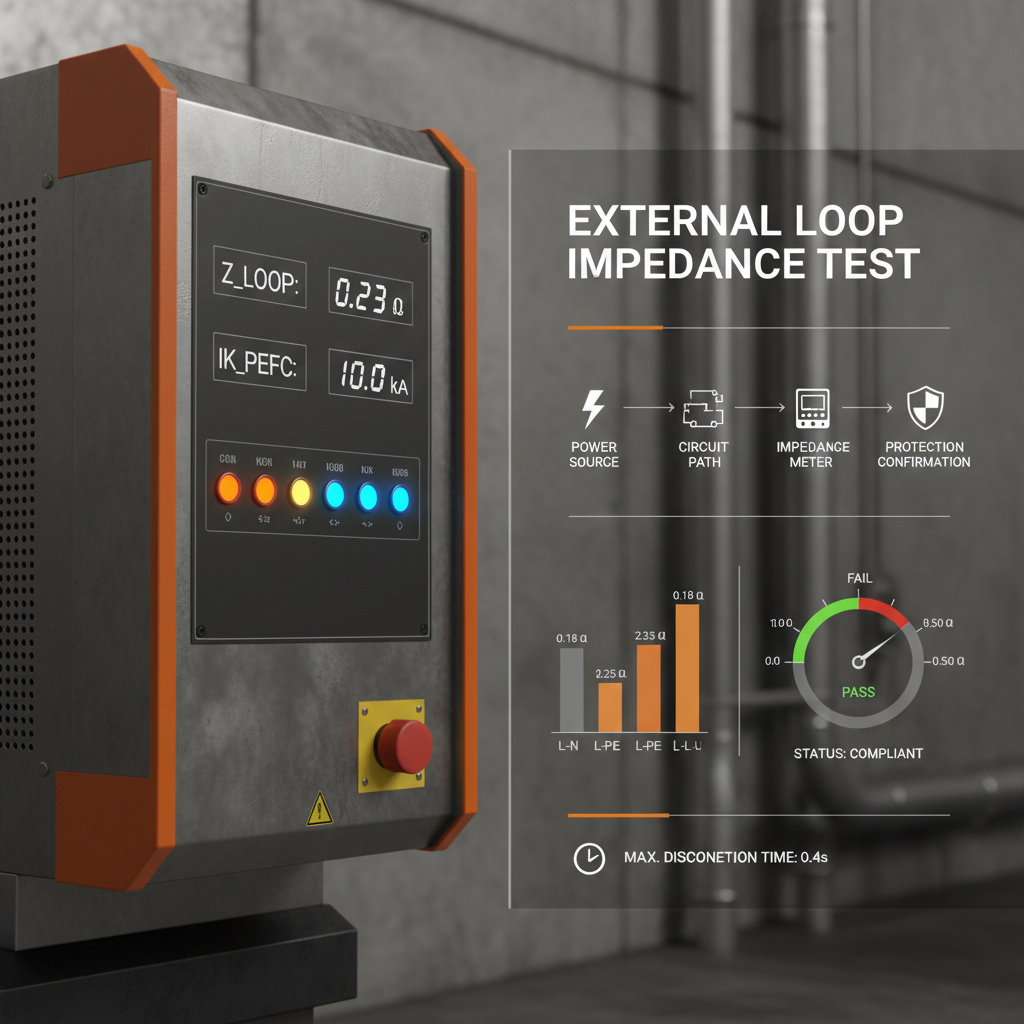
Conclusion: Prioritizing Safety with Accurate Testing
The external loop impedance test is a fundamental element of electrical safety. By accurately measuring the impedance of the earth fault path, we can ensure the effective operation of protective devices and protect against the dangers of electric shock. Investing in quality testing equipment from Push Tester is a proactive step towards maintaining a safe electrical environment.
Frequently Asked Questions (FAQs)
What is considered a high loop impedance value?
A 'high' loop impedance value is relative and depends on the protective device's rating and the cable size. Generally, any value exceeding the maximum permissible impedance calculated according to BS 7671 (or equivalent standards) is considered high. This calculation considers the breaker/RCD tripping curve and the desired disconnection time. A high impedance indicates a compromised earth fault path, potentially preventing the protective device from tripping quickly enough during a fault. It's crucial to calculate the maximum allowed impedance for each circuit and compare the measured value against that.
What should I do if I find a high loop impedance?
If you discover a high loop impedance, do not re-energize the circuit. Immediately investigate the cause. Common culprits include loose connections in the earth path, corrosion of conductors, damaged earthing conductors, or incorrect wiring. Carefully inspect all earth connections, ensuring they are tight and free from corrosion. If the issue is not easily identified, a qualified electrician should be consulted. Rectify the problem and re-test the loop impedance before restoring power to the circuit.
How often should external loop impedance tests be performed?
The frequency of testing depends on the type of installation and regulatory requirements. Generally, initial verification tests are required upon completion of a new installation or after significant alterations. Periodic inspections and testing, including loop impedance tests, are typically recommended every 5 years for domestic installations and more frequently for commercial and industrial installations, as stipulated by the IET Wiring Regulations (BS 7671) or local electrical codes. Regular testing helps identify potential issues before they become hazardous.
-
Find the Best Loop Impedance Tester for Sale and Ensure Electrical SafetyNewsMar.31,2026
-
Comprehensive Guide to Loop Impedance Meter for Electrical SafetyNewsMar.28,2026
-
Understanding and Choosing a Line Impedance Tester for Optimal Network PerformanceNewsMar.26,2026
-
Comprehensive Guide to Line Earth Loop Impedance Test for Electrical SafetyNewsMar.24,2026
-
Comprehensive Guide to Fault Loop Impedance Meter and Electrical SafetyNewsMar.21,2026
-
Comprehensive Guide to External Loop Impedance Test for Electrical SafetyNewsMar.19,2026


