 English



Comprehensive Guide to Fault Loop Impedance Meter and Electrical Safety
Understanding Fault Loop Impedance Meter: A Comprehensive Guide
Ensuring electrical safety is paramount in any setting, and a fault loop impedance meter is an essential tool for achieving this. This article provides a thorough overview of fault loop impedance testing, its importance, how it works, and considerations when choosing a meter. We will explore the application of this testing in maintaining electrical installations, protecting personnel, and preventing fire hazards. Proper testing is vital for complying with electrical safety regulations and ensuring a secure environment.
What is a Fault Loop Impedance Meter?
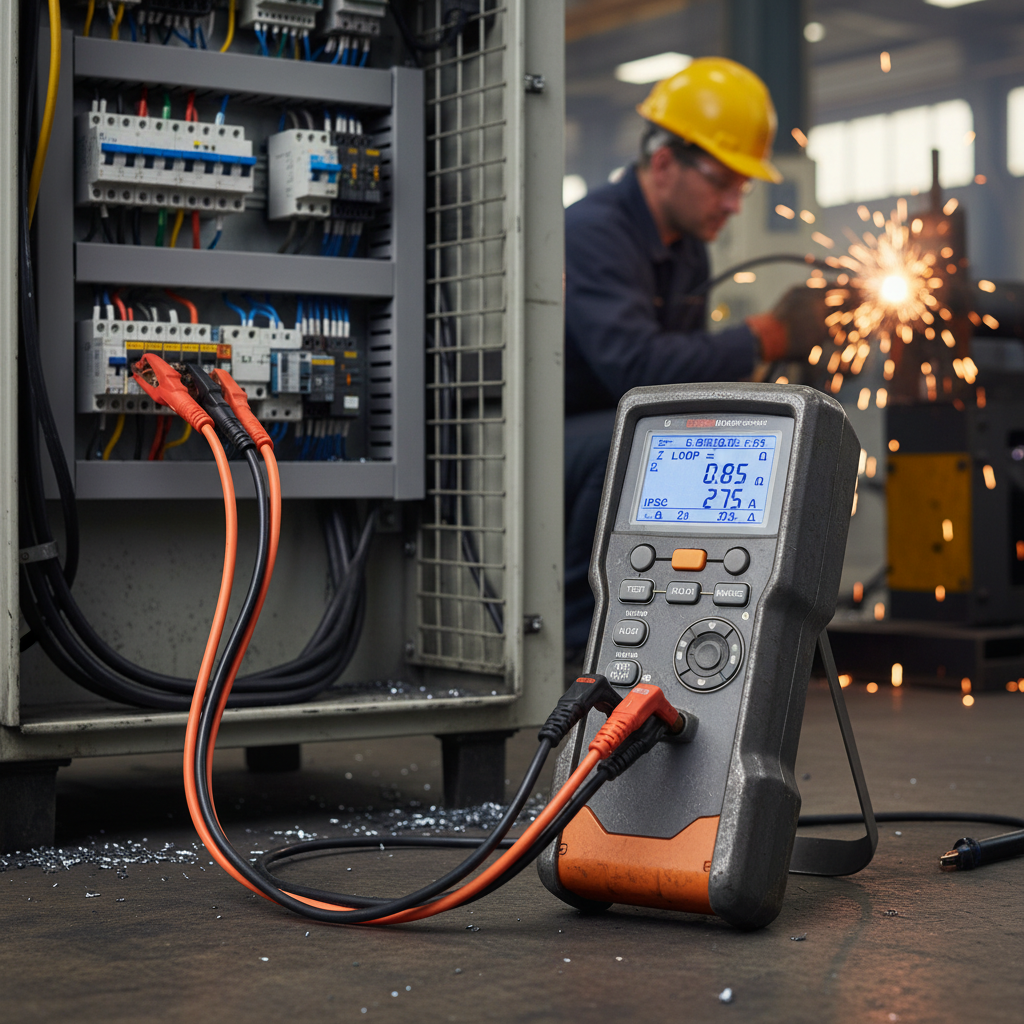
A fault loop impedance meter is a device used to measure the electrical impedance of the fault loop in an electrical installation. The fault loop consists of the live conductor, the protective device (e.g., circuit breaker or fuse), the earth conductor, and the fault path back to the source. Measuring this impedance helps determine if a fault current will be large enough to trip the protective device quickly enough to prevent a dangerous situation. A lower impedance indicates a faster trip time, increasing safety. Regular testing with a fault loop impedance meter is a fundamental aspect of electrical safety inspections.
Key Benefit: Regular fault loop impedance testing ensures the rapid operation of protective devices, minimizing the risk of electrical shock and fire hazards.
How Does a Fault Loop Impedance Meter Work?
The meter works by injecting a small test current into the circuit and measuring the voltage drop. Using Ohm's Law (Impedance = Voltage / Current), the meter calculates the impedance of the loop. Different meters employ various testing methods, including low-current testing and two-wire/three-wire methods. Low-current testing is preferred as it minimizes disturbance to connected equipment. The accuracy of the measurement is crucial and depends on the quality of the meter and the testing technique. A reliable fault loop impedance meter ensures dependable results.
Testing Principles:
• Injecting a small test current into the circuit.
• Measuring the voltage drop.
• Calculating impedance using Ohm’s Law.
Fault Loop Impedance Meter vs. RCD Tester: What’s the Difference?
While both fault loop impedance meters and Residual Current Device (RCD) testers are crucial for electrical safety, they assess different aspects. A fault loop impedance meter verifies the effectiveness of the overcurrent protection, while an RCD tester checks the functionality of the RCD, which provides additional protection against electric shock. Both tests are often required during electrical safety inspections. A comprehensive electrical safety testing regime includes both types of tests.
Choosing the Right Fault Loop Impedance Meter
When selecting a meter, consider factors like accuracy, ease of use, features (e.g., auto-test, backlight), and compliance with relevant standards. Look for meters with a clear display and intuitive controls. Consider the types of circuits you will be testing. Some meters are designed for specific applications. Investing in a quality fault loop impedance meter from a reputable manufacturer is crucial for reliable and accurate results.
Push Tester’s Range of Fault Loop Impedance Meters
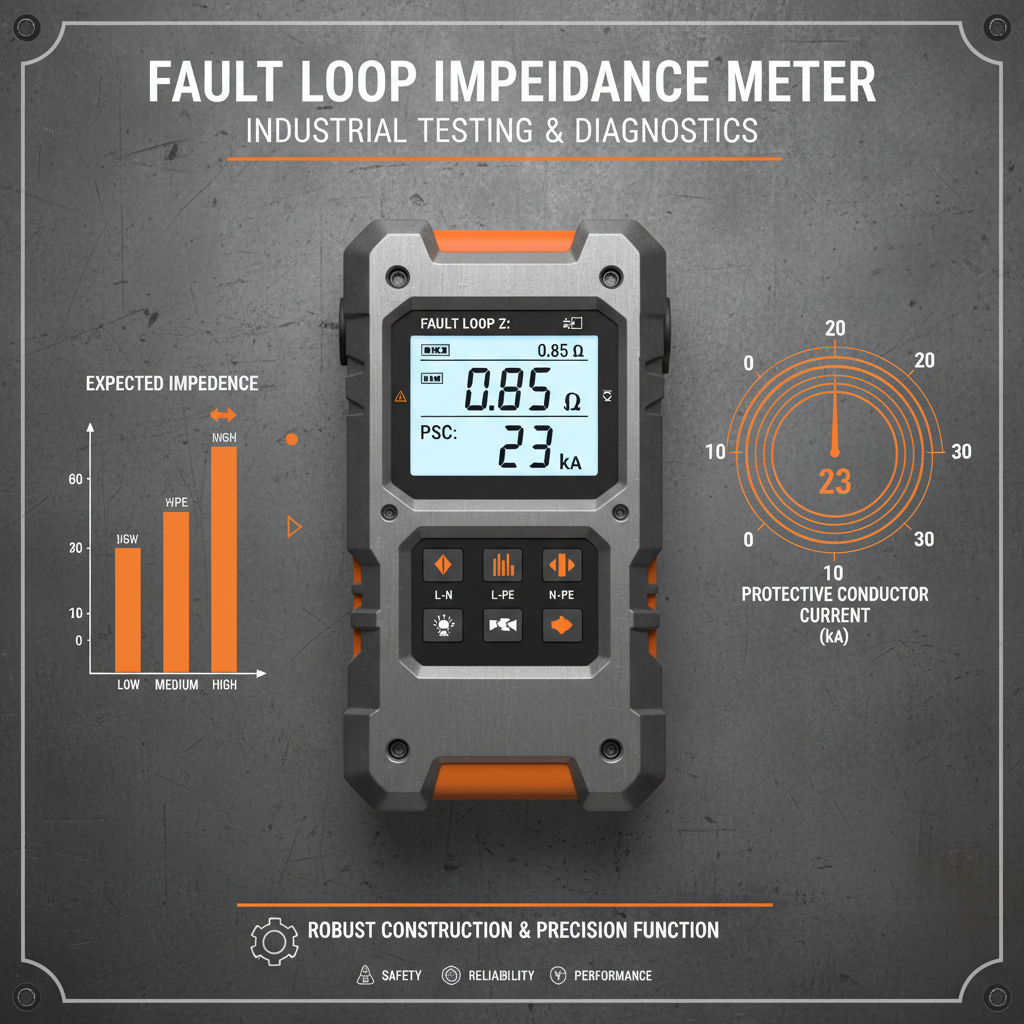
Push Tester offers a range of high-quality fault loop impedance meters designed for professional electricians and safety testers. Our meters are known for their accuracy, reliability, and user-friendly interfaces. We offer options suitable for various applications and budgets, all compliant with industry standards. Below is a snapshot of our key product features:
Conclusion: Ensuring Electrical Safety with Push Tester
Investing in a reliable fault loop impedance meter is a critical step in maintaining electrical safety. Regular testing and compliance with safety standards are essential for protecting personnel and preventing costly damage. Push Tester provides a range of high-quality meters to meet your specific needs. Don't compromise on safety - choose Push Tester for peace of mind.
Frequently Asked Questions (FAQs)
What is a typical acceptable fault loop impedance value?
The acceptable fault loop impedance value depends on the rating of the protective device (circuit breaker or fuse) and the supply voltage. Generally, for a 32A circuit breaker, the maximum acceptable impedance is around 0.8Ω. However, this value must be calculated based on the specific installation and relevant regulations (e.g., BS 7671 in the UK). It's crucial to verify that the calculated fault current at the maximum impedance is sufficient to trip the protective device within the required time. Consulting a qualified electrician is recommended for accurate calculations and interpretation of results.
How often should fault loop impedance testing be carried out?
The frequency of testing depends on the type of installation and applicable regulations. For domestic installations, testing is typically recommended every 10 years, or on change of occupancy. Commercial and industrial installations often require more frequent testing, typically every 5 years or as specified in the risk assessment. It’s also important to test after any alterations or additions to the electrical installation. Following the guidance of a qualified electrician and adhering to local regulations is vital.
What should I do if the fault loop impedance is too high?
If the measured impedance is too high, it indicates that the protective device may not operate quickly enough during a fault. This could be due to a loose connection, corrosion, or an undersized cable. Immediately investigate the cause and rectify the issue. Common solutions include tightening connections, replacing corroded conductors, or upgrading the cable size. Re-test after the repair to ensure the impedance is within acceptable limits. A qualified electrician should be involved in the investigation and rectification process.
-
Find the Best Loop Impedance Tester for Sale and Ensure Electrical SafetyNewsMar.31,2026
-
Comprehensive Guide to Loop Impedance Meter for Electrical SafetyNewsMar.28,2026
-
Understanding and Choosing a Line Impedance Tester for Optimal Network PerformanceNewsMar.26,2026
-
Comprehensive Guide to Line Earth Loop Impedance Test for Electrical SafetyNewsMar.24,2026
-
Comprehensive Guide to Fault Loop Impedance Meter and Electrical SafetyNewsMar.21,2026
-
Comprehensive Guide to External Loop Impedance Test for Electrical SafetyNewsMar.19,2026


