 English



Comprehensive Guide to Loop Impedance Meter for Electrical Safety
Understanding Loop Impedance Meter: A Comprehensive Guide
Ensuring electrical safety is paramount in any installation, and a loop impedance meter is a crucial tool for achieving this. This device measures the total impedance of the earth fault loop, helping to verify that protective devices will operate correctly under fault conditions. In this article, we'll explore what a loop impedance meter is, how it works, its applications, factors influencing measurements, choosing the right meter, and the importance of regular testing. Investing in a quality meter from Push Tester is a step towards safer electrical systems.
What is a Loop Impedance Meter?
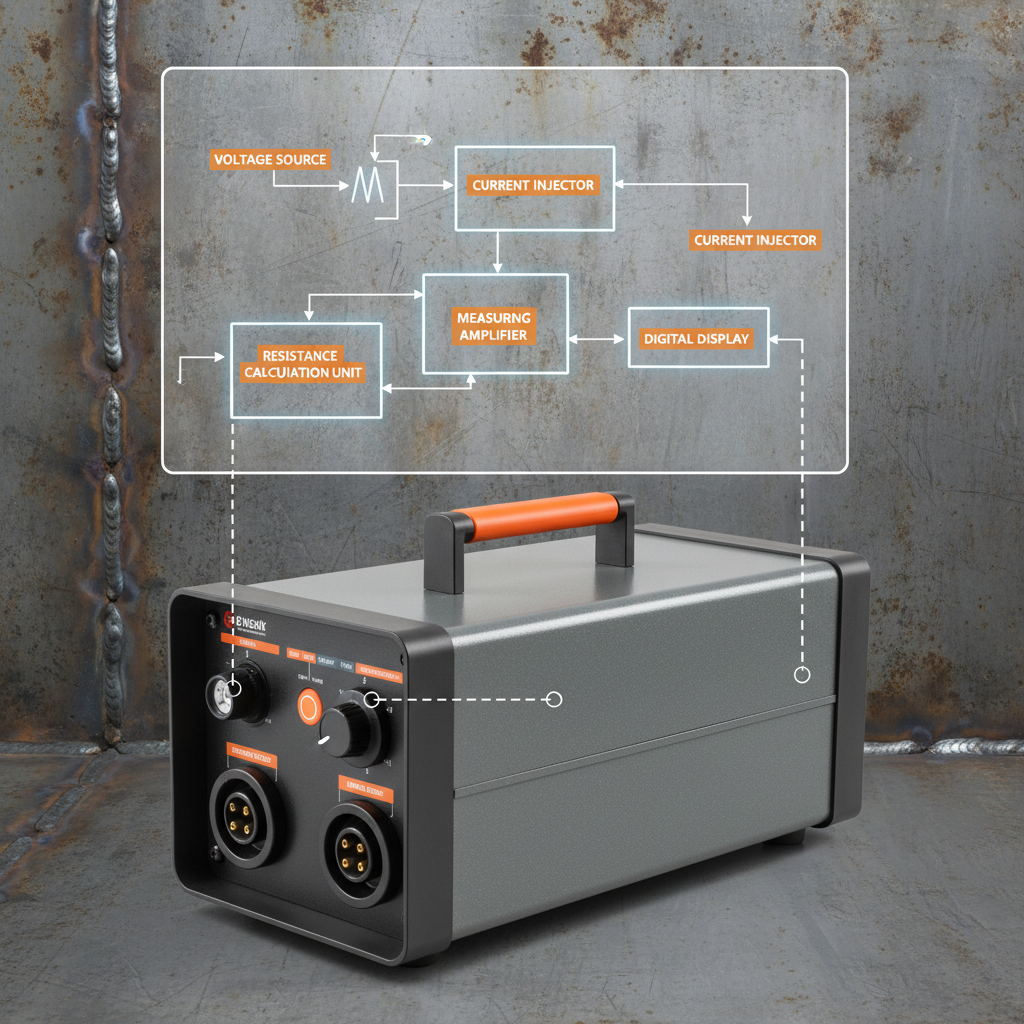
A loop impedance meter is a vital piece of test equipment used by electricians and electrical engineers to verify the safety of electrical installations. It doesn't directly measure the effectiveness of the RCD (Residual Current Device), but rather the impedance of the entire loop – from the live conductor, through the wiring, to the point of a fault, and back through the protective earth conductor. A low impedance reading indicates that sufficient fault current will flow to quickly trip the protective device (circuit breaker or fuse) in the event of a fault, preventing electrical shock and potential fire hazards. The meter applies a small test current and measures the resulting voltage drop, then calculates the impedance using Ohm's Law (Impedance = Voltage / Current).
Key Benefit: Verifies the effectiveness of protective devices and ensures a safe electrical installation.
How Does a Loop Impedance Meter Work?
The operation of a loop impedance meter is relatively straightforward. It injects a low-current test signal into the circuit and measures the resulting voltage drop. This allows the meter to calculate the loop impedance, which is the total resistance to the flow of fault current. Different meters employ different testing methods, including two-wire and three-wire testing. Two-wire testing is typically used for socket outlets, while three-wire testing is preferred for fixed circuits. Accurate readings depend on the meter's calibration, proper connection to the circuit, and understanding the specific testing procedure.
Testing Methods:
• Two-Wire Testing: For socket outlets and similar points.
• Three-Wire Testing: For fixed circuits, offering more accurate results.
• Phase-Neutral Loop Impedance: Measures impedance between live and neutral.
• Phase-Earth Loop Impedance: Measures impedance between live and earth.
Applications of Loop Impedance Testing
Loop impedance testing is essential in several scenarios. It's a mandatory requirement during Electrical Installation Condition Reports (EICRs) and New Electrical Installation Certificates. It’s also crucial after any modifications or additions to an electrical system to ensure the existing protection remains effective. Specifically, it’s used to verify that the earth fault loop impedance is low enough to ensure the protective device operates within the required time for disconnection under fault conditions, as specified by regulations like BS 7671 (IET Wiring Regulations). Regular testing helps identify potential hazards and prevent accidents.
Factors Influencing Loop Impedance Measurements
Several factors can influence the accuracy of loop impedance measurements. These include cable length, cable size, type of wiring (e.g., copper or aluminum), connection quality, and ambient temperature. Longer cable runs naturally have higher impedance. Smaller cable sizes also exhibit higher impedance. Loose or corroded connections can significantly increase impedance, creating a potential hazard. The temperature of the conductors can also affect resistance. Understanding these factors is crucial for interpreting test results correctly.
Choosing the Right Loop Impedance Meter
Selecting the appropriate loop impedance meter is crucial for accurate and reliable results. Consider the features offered, such as auto-test functions, digital displays, and memory for storing results. Look for meters that comply with relevant safety standards (e.g., IEC 61010). The Push Tester range offers a variety of meters to suit different needs and budgets, ensuring you have a reliable tool for your electrical testing requirements.
Conclusion: Prioritizing Electrical Safety with Loop Impedance Testing
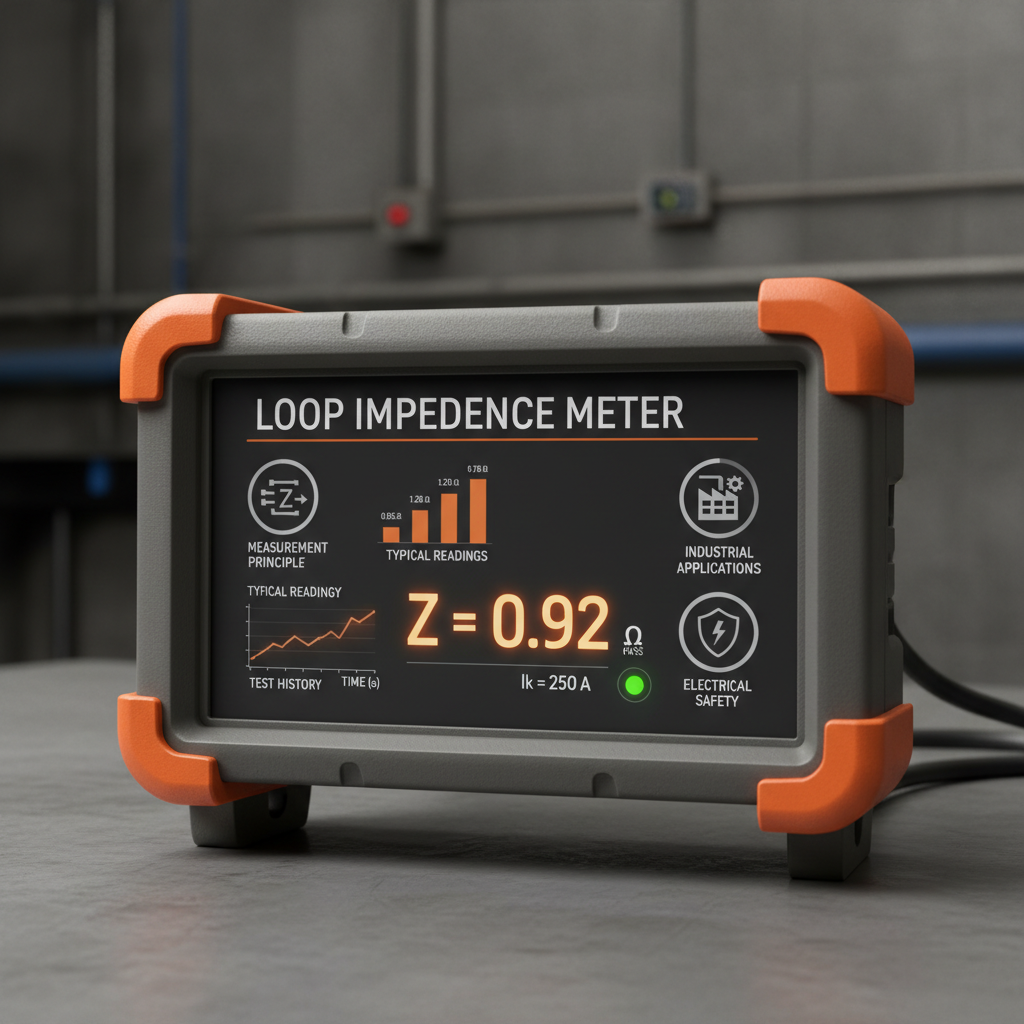
Regular loop impedance testing is an essential component of maintaining a safe electrical installation. By investing in a quality loop impedance meter from a reputable supplier like Push Tester and understanding the principles of testing, you can protect lives and prevent costly damage.
Frequently Asked Questions (FAQs)
What is considered a safe loop impedance reading?
A safe loop impedance reading depends on the protective device (fuse or circuit breaker) installed. Generally, the loop impedance must be low enough to ensure that the fault current will be high enough to cause the protective device to trip quickly. BS 7671 provides guidance on maximum loop impedance values based on the rating of the protective device and the length of the cable. A common rule of thumb is to keep the loop impedance below 50 ohms for a 32A circuit breaker, but always refer to the regulations and device specifications for precise values. Higher impedance values can indicate a potential hazard.
How often should loop impedance testing be performed?
Loop impedance testing should be performed during initial verification of a new installation and then periodically as part of an Electrical Installation Condition Report (EICR). EICRs are typically recommended every 5 years for domestic installations and more frequently for commercial and industrial installations, depending on the environment and usage. It is also essential to re-test after any alterations or additions to the electrical system.
What should I do if a loop impedance test fails?
If a loop impedance test fails, it indicates a potential safety hazard. Do not use the circuit until the issue has been identified and rectified. Investigate potential causes such as loose connections, corrosion, incorrect cable sizing, or a faulty protective device. A qualified electrician should perform the necessary repairs and re-test the circuit to ensure it meets safety standards. Document all findings and corrective actions taken.
Can a loop impedance meter test RCDs?
While a loop impedance meter doesn’t directly test the operation of an RCD, it confirms the integrity of the earth fault loop, which is crucial for the RCD to function effectively. Some multi-function testers combine loop impedance testing with RCD testing capabilities, allowing you to verify both aspects of electrical safety in a single device. However, a dedicated RCD tester is recommended for comprehensive RCD testing.
-
Find the Best Loop Impedance Tester for Sale and Ensure Electrical SafetyNewsMar.31,2026
-
Comprehensive Guide to Loop Impedance Meter for Electrical SafetyNewsMar.28,2026
-
Understanding and Choosing a Line Impedance Tester for Optimal Network PerformanceNewsMar.26,2026
-
Comprehensive Guide to Line Earth Loop Impedance Test for Electrical SafetyNewsMar.24,2026
-
Comprehensive Guide to Fault Loop Impedance Meter and Electrical SafetyNewsMar.21,2026
-
Comprehensive Guide to External Loop Impedance Test for Electrical SafetyNewsMar.19,2026


