 English



Accurate Breakdown Voltage Test Kit for Power Transformer Oil
Introduction to Power Transformer Oil Dielectric Strength Testing
In the realm of electrical power infrastructure, the reliability and longevity of power transformers are paramount. A critical diagnostic procedure to ensure operational integrity is the breakdown voltage test on power transformer oil. This test evaluates the dielectric strength of the insulating oil, a vital component that not only insulates live parts but also dissipates heat. Degraded oil can lead to insulation failure, flashovers, and catastrophic transformer damage, underscoring the necessity of routine monitoring with a high-quality insulating oil tester or transformer oil tester.
The performance of insulating oil directly impacts the safety and efficiency of power transmission and distribution. Factors such as moisture ingress, particulate contamination, and chemical degradation can significantly lower the oil's dielectric strength. Regular oil bdv test kit deployments are essential for proactive maintenance, preventing unscheduled downtime, and extending the operational lifespan of high-value assets. This article delves into the intricacies of this critical test, covering its process flow, technical specifications, application scenarios, and the advanced solutions available today.
Process Flow of Breakdown Voltage Test on Power Transformer Oil
The systematic execution of a breakdown voltage test on power transformer oil adheres to stringent international standards such as ASTM D1816, ASTM D877, IEC 60156, and IS 6792. This process ensures accurate and reproducible results for assessing the insulating oil's integrity.
Key Steps in the Testing Procedure:
- Sample Collection: A representative oil sample (typically 1-2 liters) is drawn from the transformer in accordance with IEC 60475 or ASTM D923 standards. Extreme care is taken to avoid contamination from air, moisture, or foreign particles. Specialized sampling bottles made of clean, dry glass or metal are used.
- Sample Preparation: The oil sample is gently stirred to ensure homogeneity, especially if it has been stored, to redistribute any suspended particles or moisture. However, excessive agitation causing air bubbles must be avoided. The sample should be at room temperature (e.g., 20-30°C) as per standards.
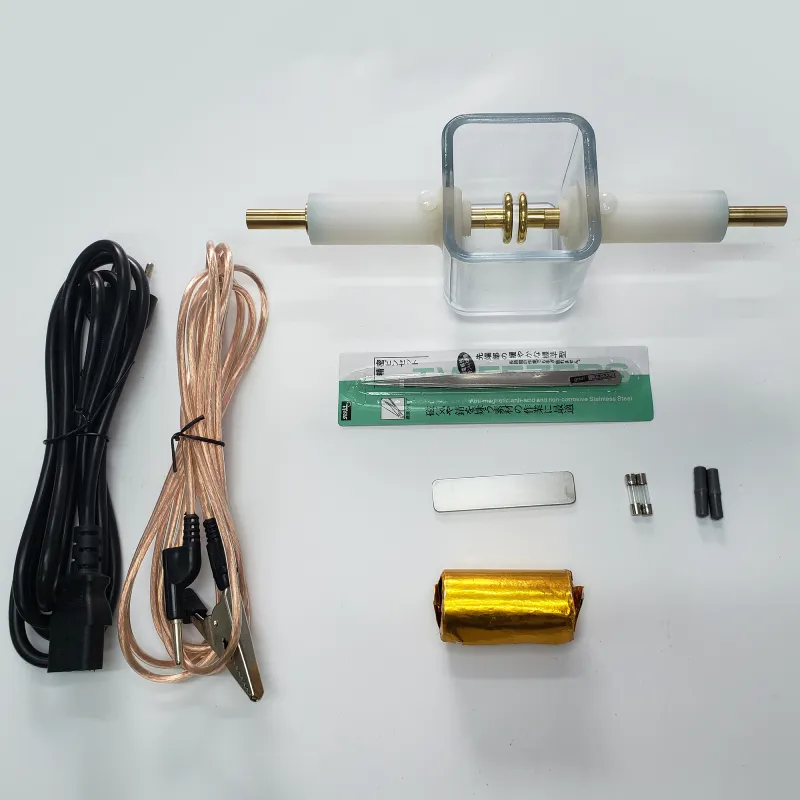
- Oil Cup Preparation: The test involves transferring the oil into an oil cup (also known as a test cell) which typically features two polished electrodes. These electrodes, often made of brass or stainless steel, are meticulously cleaned with a lint-free cloth and a suitable solvent (e.g., n-heptane, acetone) to remove any contaminants. The gap between the electrodes is precisely set (e.g., 2.5 mm for IEC 60156 or 1 mm for ASTM D1816) using a gauge, a critical step that directly influences test accuracy.
- Filling the Oil Cup: The prepared oil sample is poured into the clean, dry oil cup, ensuring the electrodes are fully submerged and the oil level is sufficient to prevent creepage flashover across the surface. Air bubbles are allowed to escape for a few minutes before testing.
- Test Execution: The oil tester machine or transformer oil tester then applies a continuously increasing AC voltage (typically 50 Hz or 60 Hz) at a uniform rate (e.g., 2 kV/s) across the electrodes until an electrical breakdown occurs. A breakdown is registered when a continuous discharge bridging the electrodes is observed, and the voltage immediately drops to zero.
- Recording and Repetition: The voltage at which breakdown occurs is recorded. The test is usually repeated 5 to 6 times on the same oil sample in the oil cup, with a short interval (e.g., 5 minutes) between successive breakdowns to allow gas bubbles to dissipate. The average of these breakdown voltage values (excluding any outliers as per standard guidelines) is taken as the dielectric strength of the oil.
- Analysis and Reporting: The average breakdown voltage is compared against specified minimum limits for the transformer's voltage class and operational conditions. For instance, new oil may require a BDV of >70 kV, while in-service oil in high voltage transformers might be acceptable at >30 kV, depending on local standards and OEM specifications.
The materials for the oil cup (e.g., acrylic, polycarbonate, glass, or ceramic) and electrode construction (e.g., copper, brass, stainless steel) are chosen for their dielectric properties, resistance to oil contamination, and durability. Manufacturing processes for these accessories involve precision CNC machining for electrode shaping and careful assembly to ensure accurate gap settings and insulation. Testing standards like ISO 9001 for quality management systems are crucial for manufacturers of oil tester kit components. The service life of a well-maintained oil bdv test kit can extend over many years, offering reliable performance for target industries such as petrochemical, metallurgy, power generation, and water supply & drainage. The primary advantage in typical application scenarios is ensuring the reliability and safety of electrical assets, leading to energy saving through reduced losses and enhanced corrosion resistance of transformer components due to optimal oil conditions.
Industry Trends and Technical Specifications
The demand for precise and automated oil bdv test kit solutions is growing rapidly. Industry trends point towards increased automation, integration with data analytics platforms, and enhanced portability for field testing. Modern oil tester machine units feature advanced microcontrollers for precise voltage control, rapid breakdown detection, and automatic data logging.
Key Technical Parameters for an Insulating Oil Tester:
| Parameter | Description | Typical Range / Specification |
|---|---|---|
| Output Voltage Range | Maximum test voltage achievable by the oil tester. | 60 kV, 80 kV, 100 kV, 120 kV |
| Voltage Rise Rate | Speed at which voltage increases, crucial for adhering to standards. | 0.5 kV/s to 5.0 kV/s (adjustable) |
| Measurement Accuracy | Precision of the breakdown voltage reading. | ±2% of reading ±0.2 kV |
| Number of Tests per Sample | Configurable cycles for calculating average BDV. | 1 to 6 (or more) |
| Oil Cup Capacity | Volume of oil required for one test. | 300 ml to 600 ml |
| Electrode Gap Adjustment | Ability to set electrode spacing according to standards. | 1 mm, 2 mm, 2.5 mm, 4 mm (adjustable) |
| Standards Supported | Compliance with international testing methodologies. | IEC 60156, ASTM D1816, ASTM D877, IS 6792, BS EN 60156 |
| User Interface | Ease of operation and data visualization. | LCD/Touchscreen display, printer, USB/RS232 for data export |
The evolution of transformer oil tester technology is driven by the need for enhanced accuracy, reduced testing time, and improved data management. Modern units incorporate advanced safety features, robust designs, and connectivity options for seamless integration into asset management systems. The transformer oil tester price varies significantly based on these features, voltage range, and brand reputation.
Application Scenarios and Technical Advantages
The applications for the breakdown voltage test on power transformer oil span across various critical sectors, ensuring the reliability of electrical infrastructure.
Key Application Scenarios:
- Power Utilities: Essential for routine maintenance of power transformers, distribution transformers, and switchgear in substations and generation plants.
- Industrial Facilities: Manufacturing plants, refineries, and heavy industries rely on continuous power supply, making regular oil tester usage vital for their step-down transformers.
- Transformer Manufacturers: Quality control and assurance for new transformers before deployment, ensuring the initial insulating oil meets specifications.
- Testing and Certification Laboratories: Providing third-party verification of oil quality for various industrial clients.
- Oil Recycling and Regeneration Plants: Monitoring the quality of reclaimed or regenerated transformer oil to ensure it meets acceptable standards.
- Renewable Energy Sector: Wind farms and solar power plants also utilize transformers that require regular oil quality checks.
Technical Advantages of Modern Oil BDV Test Kit:
- Enhanced Safety: Fully enclosed test chambers, automatic shutdown mechanisms, and advanced grounding systems protect operators.
- High Precision: Digital voltage control and measurement systems minimize human error and offer highly accurate breakdown voltage readings.
- Automation: Automated testing sequences, built-in standards, and automatic result calculation streamline the process, reducing test time and labor.
- Portability and Durability: Compact, rugged designs (often with IP-rated casings) enable field use in challenging environments, expanding the utility of the oil tester kit.
- Data Management: Onboard storage, USB connectivity, and integrated printers facilitate easy data logging, analysis, and report generation, critical for compliance and trend analysis.
- Multi-standard Compliance: Modern units can be pre-programmed with multiple international testing standards, offering versatility for global operations.

These technical advantages translate into significant operational benefits, including reduced maintenance costs, improved equipment reliability, prolonged asset life, and compliance with stringent regulatory requirements. Early detection of oil degradation through regular oil tester usage can prevent costly outages and major equipment failures.
Vendor Comparison and Customized Solutions
Choosing the right oil tester machine involves evaluating various vendors based on their product offerings, technical support, and customization capabilities. Key players in the market include Megger, Doble, Omicron, and locally specialized manufacturers offering competitive transformer oil tester price points.
Comparative Overview of Transformer Oil Tester Features:
| Feature/Vendor | Vendor A (e.g., European) | Vendor B (e.g., North American) | Vendor C (e.g., Asian Specialized) |
|---|---|---|---|
| Max Output Voltage | 100 kV | 80 kV | 100 kV, 120 kV (custom) |
| Voltage Ramp Rate | 0.5-5.0 kV/s | 2 kV/s (fixed) | 0.5-5.0 kV/s (custom profiles) |
| Standards Supported | IEC, ASTM D1816, D877 | ASTM D877, D1816 | IEC, ASTM, IS, BS EN (configurable) |
| Data Storage | 1000 results | 500 results | Unlimited via USB/Cloud |
| Connectivity | USB, RS232 | USB | USB, Ethernet, Wi-Fi, Bluetooth |
| Portability | Moderate (15 kg) | Good (12 kg) | Excellent (9 kg, rugged case) |
| Calibration Certs | ISO 17025 | Traceable to NIST | ISO 17025, NABL/CNAS |
| Price Range | High | Medium-High | Competitive |
Many reputable manufacturers of insulating oil tester equipment also offer customized solutions. These might include specific voltage ranges beyond standard offerings, integration with unique substation monitoring systems, specialized oil cup designs for non-standard samples, or software adaptations for proprietary data formats. For example, a client in a remote mining operation might require a more ruggedized unit with extended battery life and satellite communication capabilities for data transfer. Similarly, a high-volume laboratory might seek a fully automated system capable of testing multiple samples simultaneously with robotic handling of oil cups. Such tailored solutions ensure that the oil tester kit perfectly aligns with the operational demands and regulatory environment of the end-user.
Application Case Studies
Real-world applications demonstrate the tangible benefits of diligent breakdown voltage test on power transformer oil.
Case Study 1: Large Hydroelectric Power Plant
A major hydroelectric power producer in South America experienced unexplained tripping incidents in their 500 MVA step-up transformers. Routine monthly transformer oil tester measurements, performed with an advanced automated oil tester machine, consistently showed BDV readings of above 60 kV, well within acceptable limits. However, after implementing a comprehensive diagnostics approach including dissolved gas analysis (DGA) alongside BDV tests, it was discovered that while the BDV was adequate, DGA indicated incipient faults. A re-evaluation of the oil handling protocol revealed that moisture was entering the oil during sample collection due to high humidity in the environment, causing a localized reduction in dielectric strength at stress points. By upgrading to an oil bdv test kit with integrated humidity and temperature sensors and strictly adhering to revised sampling procedures, the plant was able to pinpoint the root cause, regenerate the oil, and prevent a potential catastrophic transformer failure, saving millions in replacement costs and avoiding significant downtime.
Case Study 2: Petrochemical Refinery
A large petrochemical refinery operating 100+ distribution transformers required a robust and rapid method for assessing insulating oil quality. Their existing manual oil tester kit was time-consuming and prone to operator variability. They adopted a fleet of portable, fully automated insulating oil tester units with a 100 kV range and integrated data logging. This enabled their field technicians to perform quick, reliable BDV tests on-site during routine inspections. Within six months, they identified a cluster of transformers showing significantly lower BDV values in a specific processing unit. Further investigation revealed a leak in the transformer cooling system, allowing process contaminants to slowly seep into the insulating oil. Proactive oil replacement and leak repair prevented costly outages and maintained continuous operations, demonstrating the value of precise, distributed testing. Customer feedback highlighted the ease of use and rapid results as key benefits, allowing for more frequent and effective monitoring without increasing labor costs.
Trustworthiness: FAQ, Lead Time, Warranty & Support
Frequently Asked Questions (FAQs)
- Q: How often should a breakdown voltage test on power transformer oil be performed?
- A: The frequency depends on the transformer's voltage level, age, load, and criticality. For critical high-voltage transformers, testing can be monthly or quarterly. For distribution transformers, annually or bi-annually is common. Refer to IEEE C57.106 or IEC 60422 guidelines.
- Q: What is a typical acceptable BDV for in-service transformer oil?
- A: For transformers above 69 kV, typically >30 kV. For transformers below 69 kV, >22 kV to >25 kV. However, these are general guidelines, and specific acceptable limits should be determined by the transformer's manufacturer and relevant national/international standards (e.g., IEC 60422) for the specific oil type and equipment class.
- Q: Can a low BDV reading always indicate a critical problem?
- A: A low BDV indicates a reduction in insulating capability, often due to moisture or particulate contamination. While serious, it doesn't always imply immediate failure. Further tests like DGA, furan analysis, and dielectric dissipation factor (tan delta) should be conducted to fully diagnose the issue and determine corrective actions.
- Q: How do environmental factors affect the BDV test?
- A: High humidity can introduce moisture during sampling. Extreme temperatures can affect oil viscosity and gas content. It's crucial to perform tests under controlled conditions or correct for temperature as per standards. Modern oil tester equipment often compensates for temperature variations.
Lead Time & Fulfillment
For standard oil bdv test kit units and accessories (like the oil cup), typical lead times range from 2 to 4 weeks, depending on stock availability and regional distribution centers. Customized solutions, requiring specific hardware modifications or software development, may extend lead times to 8-12 weeks. We maintain robust supply chain logistics to ensure timely delivery worldwide. Expedited shipping options are available upon request.
Warranty Commitments
Our transformer oil tester products are backed by a comprehensive 1 to 3-year limited warranty, covering manufacturing defects and operational failures under normal use. Specific warranty terms vary by product model and region, details of which are provided with each purchase. Extended warranty options and service contracts are also available for enhanced peace of mind.
Customer Support and After-Sales Service
We are committed to providing unparalleled customer support. Our dedicated technical support team offers assistance via phone, email, and online portal for troubleshooting, operational guidance, and maintenance queries. We provide training programs for oil tester machine operation and advanced diagnostic techniques. Our global network of certified service centers ensures prompt calibration, repair, and genuine spare parts availability, minimizing downtime and maximizing the service life of your investment.
Conclusion
The breakdown voltage test on power transformer oil remains a cornerstone of transformer asset management. Its significance in preventing costly failures and ensuring grid reliability cannot be overstated. With advancements in oil tester technology, including automation, enhanced accuracy, and sophisticated data management, organizations can implement more efficient and effective predictive maintenance strategies. Investing in a reliable transformer oil tester and adhering to best practices for oil sampling and testing are crucial steps towards safeguarding critical electrical infrastructure and ensuring continuous, safe power delivery.
References
- IEEE Std C57.106-2015 - IEEE Guide for Acceptance and Maintenance of Insulating Oil in Equipment.
- IEC 60156:2018 - Insulating liquids - Determination of the breakdown voltage at power frequency - Test method.
- ASTM D1816-12(2018) - Standard Test Method for Dielectric Breakdown Voltage of Insulating Liquids Using VDE Electrodes.
- Doble Engineering Company. (2020). Transformer Oil Testing Guide.
- Electrical Power Research Institute (EPRI). (2019). Guide for Insulating Oil Maintenance.
-
Find the Best Loop Impedance Tester for Sale and Ensure Electrical SafetyNewsMar.31,2026
-
Comprehensive Guide to Loop Impedance Meter for Electrical SafetyNewsMar.28,2026
-
Understanding and Choosing a Line Impedance Tester for Optimal Network PerformanceNewsMar.26,2026
-
Comprehensive Guide to Line Earth Loop Impedance Test for Electrical SafetyNewsMar.24,2026
-
Comprehensive Guide to Fault Loop Impedance Meter and Electrical SafetyNewsMar.21,2026
-
Comprehensive Guide to External Loop Impedance Test for Electrical SafetyNewsMar.19,2026


