 English



Comprehensive Guide to Digital PSC Loop Tester for Patient Safety
Understanding the Digital PSC Loop Tester
In the realm of protective services, ensuring the integrity of Personal Protective Equipment (PPE) is paramount. A crucial piece of this puzzle is the thorough testing of Patient Safety Circuits (PSCs), particularly loops within anesthesia machines. A digital PSC loop tester provides a reliable and accurate method to verify the electrical safety of these vital components. This article will delve into the importance of PSC loop testing, how a digital tester works, its benefits, and why Push Tester offers cutting-edge solutions for healthcare facilities. Regular testing isn’t simply a regulatory requirement; it’s a commitment to patient safety.
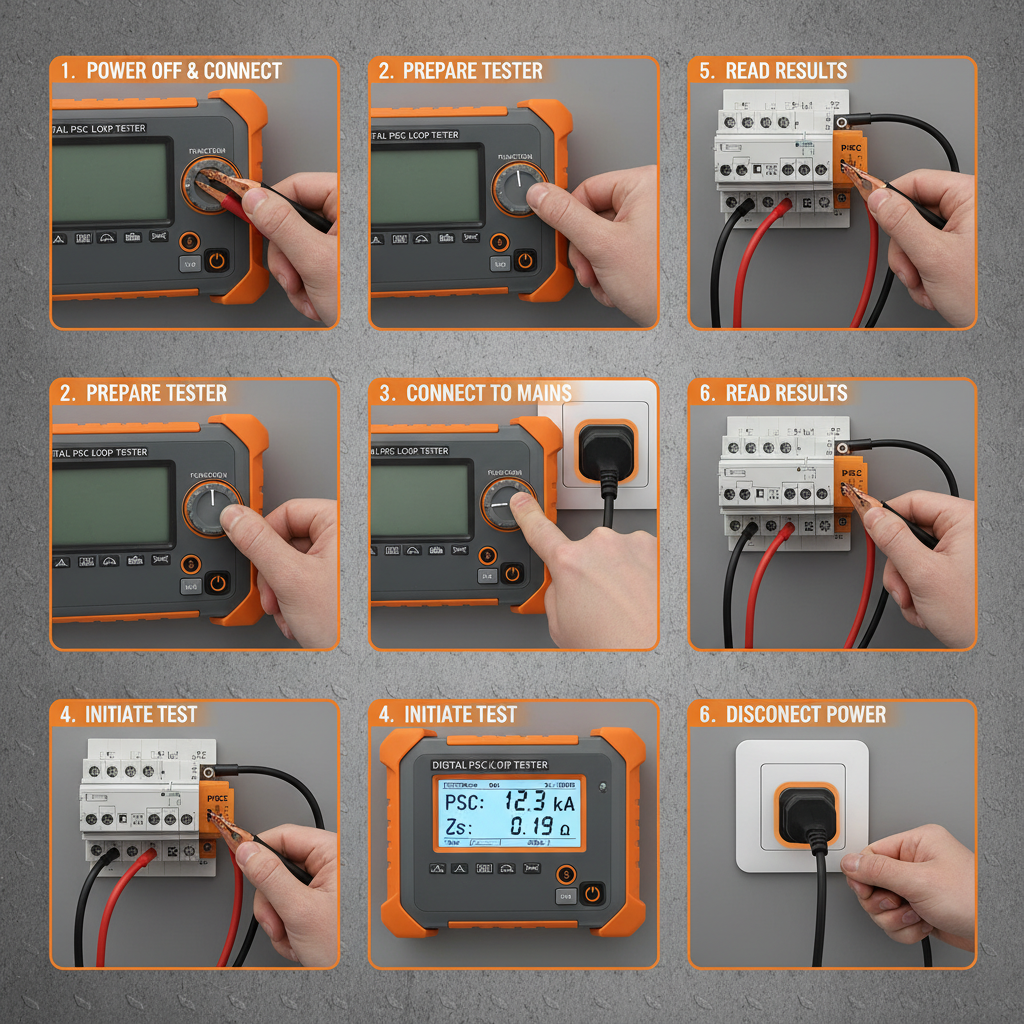
What is a PSC Loop and Why Test It?
A PSC loop, in the context of anesthesia, refers to the complete pathway of gases and air delivered to the patient. It includes components like vaporizers, breathing circuits, and oxygen supplies. Electrical safety is vital because a fault in any part of this loop could lead to patient burns or other harmful injuries. Leakage currents, even small ones, can pose a significant risk. Therefore, regular testing is essential to identify and rectify any potential electrical hazards. Testing ensures that insulation is intact and that the loop is properly grounded, minimizing the chance of dangerous current flow to the patient. Failure to maintain this safety measure can have serious consequences.
Key Benefit: Proactive identification of electrical faults prevents potential harm to patients during anesthesia procedures.
How Does a Digital PSC Loop Tester Work?
A digital PSC loop tester operates by injecting a small, known current into the PSC loop and measuring the resistance. A high resistance reading indicates good insulation, meaning minimal current leakage. Conversely, a low resistance reading suggests a fault, such as damaged insulation or a compromised ground connection. Modern testers display results digitally, providing precise and easy-to-read measurements. They often feature automatic self-tests and alarm functions to alert technicians to potentially dangerous readings. The accuracy and speed of digital testers significantly enhance the efficiency and reliability of safety checks.
Key Principles of Operation:
• Injecting a controlled current
• Measuring resistance
• Displaying results digitally
• Providing clear pass/fail indications
Digital vs. Analog PSC Loop Testers: A Comparison
While both digital and analog PSC loop testers serve the same purpose, digital testers offer significant advantages. Analog testers rely on needle movements on a scale, which can be subject to parallax error and difficulty in reading precise values. Digital testers provide clear, numerical readings, eliminating ambiguity. They often include data logging capabilities, allowing for tracking of testing history and trend analysis. Digital testers are also generally more accurate and reliable, and many offer advanced features such as automatic testing cycles and fault detection. The increased accuracy and efficiency make digital testers the preferred choice for modern healthcare facilities.
Why Choose Push Tester for Your PSC Loop Testing Needs?
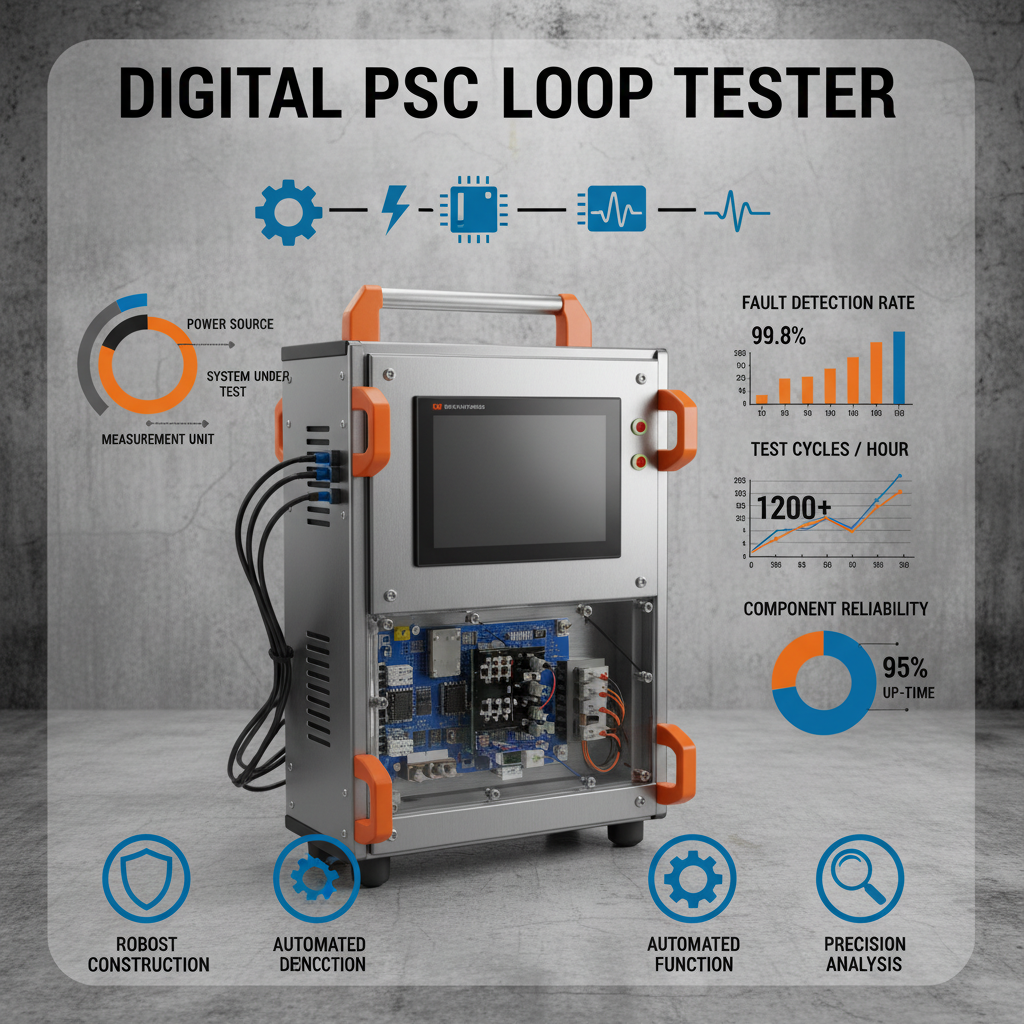
Push Tester specializes in providing advanced medical electrical safety testers, including a comprehensive range of digital PSC loop testers. Our testers are designed for accuracy, reliability, and ease of use, helping healthcare professionals maintain the highest standards of patient safety. We offer robust features, intuitive interfaces, and dedicated customer support. Investing in a Push Tester means investing in peace of mind, knowing that your equipment is thoroughly tested and your patients are protected.
Compliance and Regulatory Standards
PSC loop testing is often mandated by regulatory bodies and accreditation standards. Healthcare facilities are responsible for demonstrating compliance with these regulations to ensure patient safety. Utilizing a certified and accurate digital PSC loop tester like those offered by Push Tester is a crucial step in meeting these requirements. Documentation of testing results is also essential for audit purposes, and our testers facilitate easy data management and reporting.
Conclusion: Prioritizing Patient Safety with Reliable Testing
Investing in a high-quality digital PSC loop tester from Push Tester is a proactive step towards ensuring patient safety and complying with regulatory standards. Regular, accurate testing provides peace of mind, knowing that your anesthesia equipment is functioning safely and reliably. Don't compromise on the safety of your patients – choose Push Tester for your medical electrical safety testing needs.
Frequently Asked Questions (FAQs)
How often should PSC loops be tested?
The frequency of PSC loop testing depends on the regulations in your specific jurisdiction and the usage of the equipment. Generally, it is recommended to test PSC loops at least annually, and more frequently if the equipment is used heavily or is subject to rough handling. Some facilities may choose to test quarterly or even monthly for added assurance. Always consult your local regulations and the manufacturer's recommendations for specific guidance.
What training is required to perform PSC loop testing?
Proper training is crucial to ensure accurate and reliable testing results. Personnel performing PSC loop testing should receive comprehensive training on the operation of the tester, the interpretation of results, and the relevant safety regulations. Push Tester offers training resources and support to help your team become proficient in using our equipment. Certification programs are also available to demonstrate competency.
What do I do if a PSC loop fails the test?
If a PSC loop fails the test, it should be taken out of service immediately. A qualified biomedical technician should be contacted to investigate the cause of the failure and perform any necessary repairs. Do not attempt to use the equipment until it has been repaired and re-tested to ensure it meets safety standards. Thorough documentation of the failure and repair process is essential.
What is the role of grounding in PSC loop safety?
Proper grounding is fundamental to PSC loop safety. A robust ground connection provides a low-resistance path for fault currents to flow, minimizing the risk of electric shock to the patient. The PSC loop tester verifies the integrity of the ground connection, ensuring that it is effective in diverting potentially harmful currents. Regular testing of the ground connection is therefore a critical component of the overall safety program.
-
Find the Best Loop Impedance Tester for Sale and Ensure Electrical SafetyNewsMar.31,2026
-
Comprehensive Guide to Loop Impedance Meter for Electrical SafetyNewsMar.28,2026
-
Understanding and Choosing a Line Impedance Tester for Optimal Network PerformanceNewsMar.26,2026
-
Comprehensive Guide to Line Earth Loop Impedance Test for Electrical SafetyNewsMar.24,2026
-
Comprehensive Guide to Fault Loop Impedance Meter and Electrical SafetyNewsMar.21,2026
-
Comprehensive Guide to External Loop Impedance Test for Electrical SafetyNewsMar.19,2026


