 English



Comprehensive Guide to Fault Loop Testers for Electrical Safety Verification
Understanding the Fault Loop Tester: A Comprehensive Guide
Ensuring electrical safety is paramount in any industrial or commercial setting. A fault loop tester is a crucial piece of equipment for verifying the effectiveness of protective measures against electrical faults. This article will provide a comprehensive overview of fault loop testers, their functionality, applications, and how to choose the right one for your needs. We'll also highlight the importance of regular testing for maintaining a safe electrical environment.
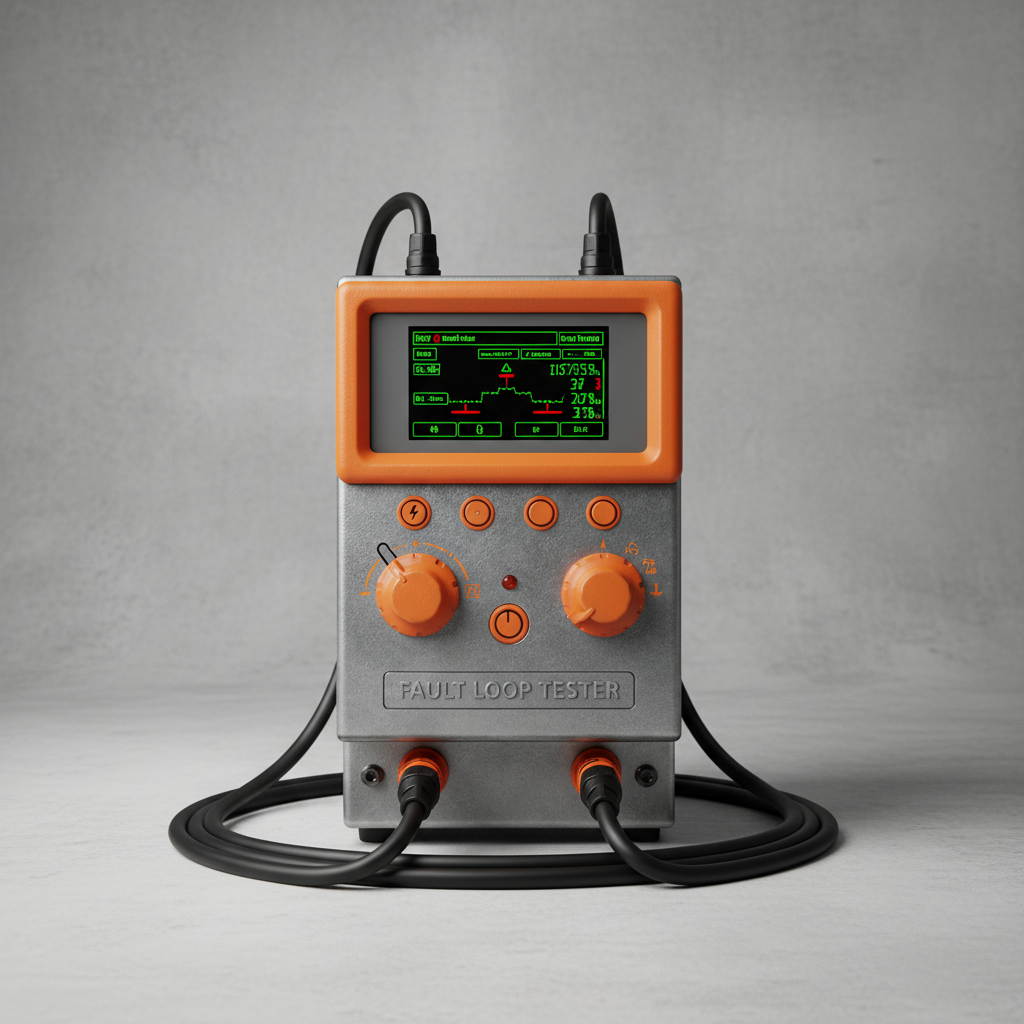
What is a Fault Loop Tester and Why is it Important?
A fault loop tester measures the total loop impedance of an electrical circuit, including the phase conductor, protective conductor (earth), and the fault current path back to the source. This measurement is essential because it determines the prospective fault current (PFC) - the amount of current that would flow in the event of a fault. A sufficiently high PFC is vital for the protective devices (fuses or circuit breakers) to operate quickly and safely disconnect the faulty circuit, preventing electric shock and fire hazards. Regular testing with a fault loop tester is a key requirement of electrical safety regulations and standards.
Key Takeaway: By accurately measuring loop impedance, these testers verify that protective devices will trip within the required time, safeguarding personnel and equipment.
Types of Fault Loop Testers
There are several types of fault loop testers available, each suited for different applications. The main categories include:
- Two-Wire Testers: These are the most basic type and measure loop impedance without disconnecting the phase conductor. They are suitable for initial verification and routine testing.
- Three-Wire Testers: Provide a more accurate measurement by simulating a fault condition using a third wire. They are often preferred for more critical applications.
- Combined Tester/RCD Testers: These versatile instruments combine fault loop testing with Residual Current Device (RCD) testing, offering comprehensive safety verification.
Choosing the Right Fault Loop Tester: Key Considerations
Selecting the right fault loop tester requires careful consideration of several factors. Here's a breakdown of important aspects:
- Test Range: Ensure the tester's test range covers the expected loop impedance values in your installation.
- Accuracy: Higher accuracy is crucial for critical applications and compliance with standards.
- Features: Consider features like auto test sequences, data storage, and PC connectivity for efficient reporting.
- Safety Rating: The tester should have the appropriate safety rating (CAT rating) for the voltage levels you'll be working with.
- Ease of Use: A user-friendly interface and clear display are essential for quick and accurate testing.
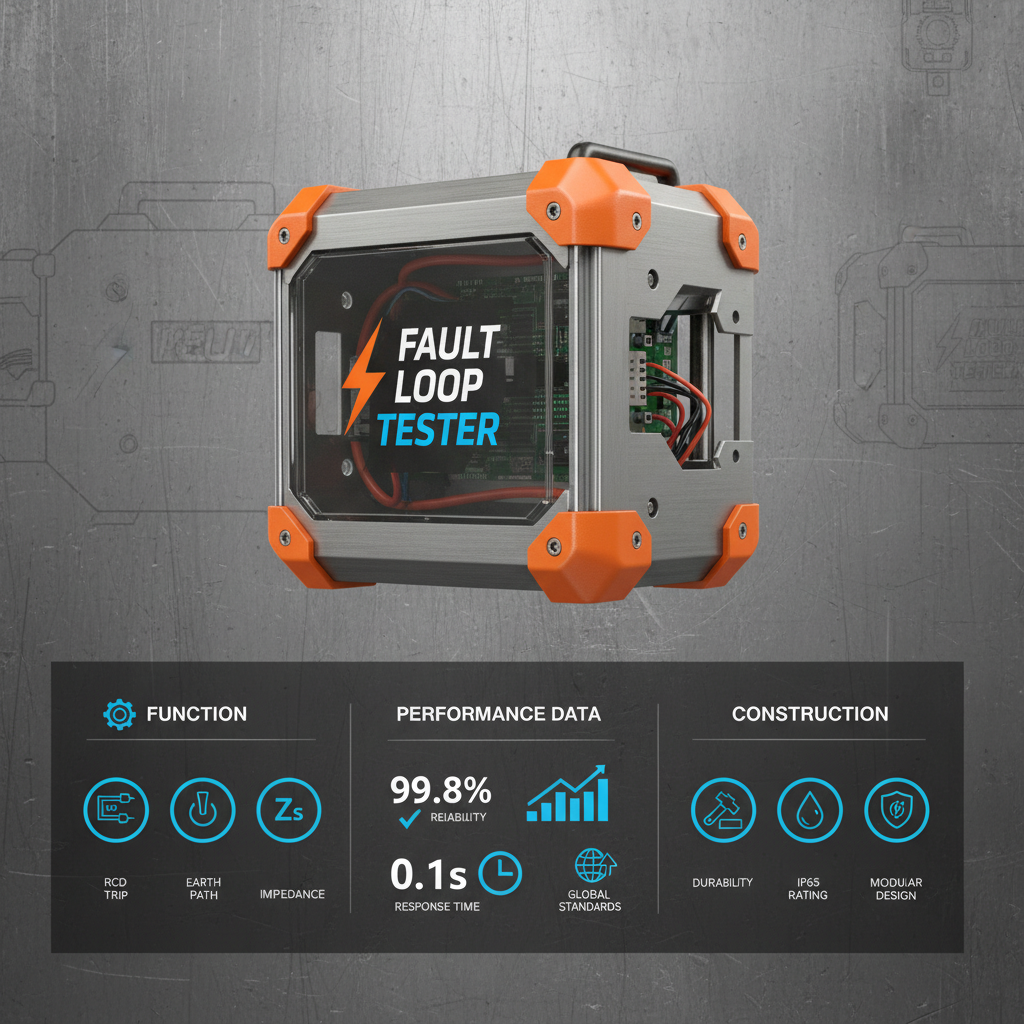
Fault Loop Tester vs. Earth Impedance Tester: A Comparison
While both fault loop testers and earth impedance testers are used in electrical safety testing, they measure different parameters. A fault loop tester measures the total loop impedance, while an earth impedance tester measures the resistance of the earth path. The fault loop impedance includes the earth impedance, but also includes the impedance of the phase conductor and any protective devices. Therefore, a fault loop test provides a more comprehensive assessment of the safety of the electrical system.
Applications of Fault Loop Testers
Fault loop testers are essential in a wide range of applications, including:
- Electrical Installation Testing: Verifying the safety of new installations before commissioning.
- Periodic Inspection and Testing (PIT): Routine testing of existing electrical installations to identify potential hazards.
- Maintenance and Repair: Confirming the effectiveness of repairs and modifications to electrical systems.
- Compliance with Regulations: Meeting the requirements of electrical safety standards like IEC 60364.
Conclusion: Investing in Electrical Safety with a Reliable Tester
Investing in a high-quality fault loop tester is a crucial step in ensuring electrical safety in any environment. Regular testing and adherence to safety standards are essential for protecting personnel and preventing costly damage. Push Tester offers a wide range of reliable and accurate testers to meet your specific needs. Don't compromise on safety – choose a trusted partner for your electrical testing requirements.
Frequently Asked Questions (FAQs)
What is considered a safe fault loop impedance value?
A safe fault loop impedance value depends on the rating of the protective device (fuse or circuit breaker). Generally, the impedance must be low enough to allow sufficient fault current to flow, triggering the protective device to operate within the specified tripping time (typically 0.4 seconds for 30mA RCDs and 2 seconds for MCBs). Refer to relevant electrical standards (like BS 7671 in the UK) and the manufacturer's data for specific values. It is important to calculate the maximum permissible impedance based on the circuit's protective device characteristics.
How often should I test fault loop impedance?
The frequency of fault loop impedance testing depends on the type of installation and its intended use. For initial verification, testing is required upon completion of the installation. For Periodic Inspection and Testing (PIT), the recommended interval is typically every 5 years for commercial properties and 10 years for domestic properties. However, more frequent testing may be necessary in high-risk environments or where there are concerns about the integrity of the electrical system.
Can I test fault loop impedance on a TT system?
Yes, you can test fault loop impedance on a TT system. However, the method differs slightly. On a TT system, the fault current path is through the earth electrode, so the tester will measure the earth fault loop impedance. The key is to ensure that the earth electrode resistance is low enough to allow sufficient fault current to flow. It's crucial to follow the testing procedures outlined in relevant standards, such as BS 7671, for TT systems.
What safety precautions should I take when performing fault loop testing?
Safety is paramount when performing fault loop testing. Always wear appropriate Personal Protective Equipment (PPE), including insulated gloves and safety glasses. Ensure the tester is properly calibrated and in good working order. Follow the manufacturer's instructions carefully. Isolate the circuit before testing whenever possible. Be aware of potential hazards and avoid contact with live parts. If you are not qualified to perform electrical testing, it is essential to engage a competent and certified electrician.
-
Find the Best Loop Impedance Tester for Sale and Ensure Electrical SafetyNewsMar.31,2026
-
Comprehensive Guide to Loop Impedance Meter for Electrical SafetyNewsMar.28,2026
-
Understanding and Choosing a Line Impedance Tester for Optimal Network PerformanceNewsMar.26,2026
-
Comprehensive Guide to Line Earth Loop Impedance Test for Electrical SafetyNewsMar.24,2026
-
Comprehensive Guide to Fault Loop Impedance Meter and Electrical SafetyNewsMar.21,2026
-
Comprehensive Guide to External Loop Impedance Test for Electrical SafetyNewsMar.19,2026


