 English



Find the Best Loop Impedance Tester for Sale and Ensure Electrical Safety
Finding the Right Loop Impedance Tester for Sale
When ensuring electrical safety, accurate loop impedance testing is crucial. Whether you’re an electrician, a facilities manager, or a safety inspector, having a reliable loop impedance tester for sale is essential. This article will guide you through the key considerations when purchasing a loop impedance tester, explore the different types available, and highlight the benefits of choosing a high-quality instrument. Understanding the nuances of these testers will help you make an informed decision and ensure compliance with safety regulations.
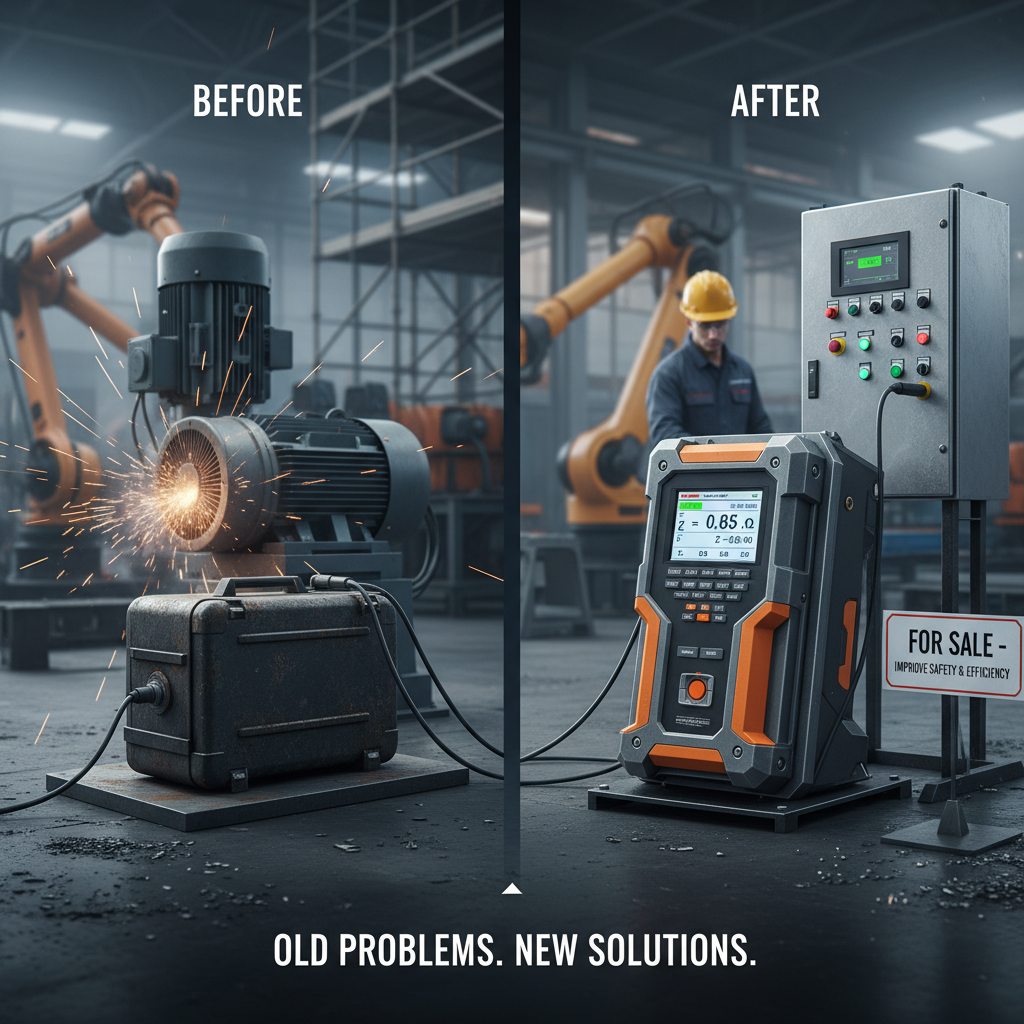
What is a Loop Impedance Tester and Why is it Important?
A loop impedance tester measures the total impedance of the earth fault loop. This loop includes the phase conductor, the protective device (circuit breaker or fuse), the earth conductor, and the fault path back to the supply. Accurate measurement is critical because it determines how quickly a protective device will operate in the event of a fault, protecting individuals from electric shock. Regular testing verifies that the earth fault protection is functioning correctly and complies with regulations like BS 7671 (IET Wiring Regulations). A faulty earth loop can create a dangerous situation, and regular testing helps prevent this.
Key Benefit: Ensuring a functioning earth fault loop is a vital safety measure that protects personnel and equipment from electrical hazards.
Types of Loop Impedance Testers for Sale
There are several types of loop impedance testers available, each suited to different applications and budgets. Common types include:
- Micro-ohm Meters: Used for testing the impedance of conductors and connections.
- Two-Wire Testers: Basic testers, often used for initial circuit checks.
- Three-Wire Testers: Provide more accurate results by eliminating the influence of test lead resistance.
- Four-Wire Testers (Kelvin): Offer the highest accuracy and are ideal for low-resistance measurements.
- Multi-function Testers: Combine loop impedance testing with other functions like RCD testing, earth continuity testing, and voltage measurements.
Choosing the right type depends on the complexity of the testing required and the level of accuracy needed.
Key Considerations When Choosing a Tester:
• Accuracy and resolution
• Ease of use and display readability
• Compliance with relevant standards (BS 7671, IEC 60364)
• Battery life and portability
Comparing Popular Loop Impedance Testers
Selecting a loop impedance tester can be daunting given the many options available. Here’s a comparison of some popular models:
Where to Buy Loop Impedance Testers
When considering a loop impedance tester for sale, it’s important to choose a reputable supplier. Push Tester offers a range of high-quality testers at competitive prices, with excellent customer support. We are committed to providing reliable tools that meet the needs of professional electricians and safety engineers.
Benefits of Choosing Push Tester
Choosing Push Tester for your loop impedance testing needs offers several advantages:
- Competitive Pricing: We offer excellent value for money without compromising on quality.
- Reliable Performance: Our testers are manufactured to the highest standards and are rigorously tested.
- User-Friendly Design: Our testers are easy to use, even for those with limited experience.
- Excellent Customer Support: We provide responsive and helpful customer support to assist with any questions or issues.
Conclusion: Invest in Electrical Safety
Investing in a quality loop impedance tester is a crucial step in ensuring electrical safety. Choose a tester that meets your specific needs and budget, and prioritize reliability and accuracy. Push Tester provides dependable tools and exceptional support to help you maintain a safe electrical environment.
Frequently Asked Questions (FAQs)
What is considered a safe loop impedance reading?
A safe loop impedance reading depends on the rating of the protective device (circuit breaker or fuse) and the system voltage. Generally, the loop impedance must be low enough to allow the protective device to operate within the disconnection time specified by BS 7671. For a 32A breaker and a 230V supply, a loop impedance below 0.8 ohms is typically considered safe. However, it’s crucial to calculate the maximum permissible loop impedance for each circuit based on the protective device's characteristics and the supply voltage. Always refer to the IET Wiring Regulations for specific guidance.
How often should loop impedance testing be carried out?
Loop impedance testing should be carried out during initial installation, after any alterations or additions to the electrical installation, and periodically to ensure ongoing safety. The IET Wiring Regulations recommend that loop impedance testing is carried out every 5 years for domestic installations and more frequently for commercial and industrial installations, depending on the risk assessment. Regular testing helps identify potential problems before they become hazardous.
Can I test loop impedance without disconnecting the power?
Yes, most modern loop impedance testers are designed for non-trip testing, meaning they can measure loop impedance without causing the protective device to trip. However, it's essential to use a tester that is specifically designed for this purpose and to follow the manufacturer's instructions carefully. Non-trip testing minimizes disruption to power supply and is a convenient way to perform routine checks. Always prioritize safety and ensure the tester is appropriately rated for the voltage and current of the circuit being tested.
What safety precautions should I take when performing loop impedance testing?
Always follow these safety precautions: Wear appropriate personal protective equipment (PPE), including insulated gloves and safety glasses. Ensure the tester is in good working order and calibrated correctly. Read and understand the manufacturer’s instructions before use. Avoid touching live conductors. If you are unsure about any aspect of the testing process, consult a qualified electrician. Treat all electrical circuits as live until proven otherwise. Disconnect sensitive electronic equipment before testing to prevent damage.
-
Find the Best Loop Impedance Tester for Sale and Ensure Electrical SafetyNewsMar.31,2026
-
Comprehensive Guide to Loop Impedance Meter for Electrical SafetyNewsMar.28,2026
-
Understanding and Choosing a Line Impedance Tester for Optimal Network PerformanceNewsMar.26,2026
-
Comprehensive Guide to Line Earth Loop Impedance Test for Electrical SafetyNewsMar.24,2026
-
Comprehensive Guide to Fault Loop Impedance Meter and Electrical SafetyNewsMar.21,2026
-
Comprehensive Guide to External Loop Impedance Test for Electrical SafetyNewsMar.19,2026


