 Inglés



-
 Afrikaans
 -
 Albanian
 -
 Amharic
 -
 Arabic
 -
 Armenian
 -
 Azerbaijani
 -
 Basque
 -
 Belarusian
 -
 Bengali
 -
 Bosnian
 -
 Bulgarian
 -
 Catalan
 -
 Cebuano
 -
 China
China -
 China (Taiwan)
 -
 Corsican
 -
 Croatian
 -
 Czech
Czech -
 Danish
 -
 Dutch
Dutch -
 English
 -
 Esperanto
 -
 Estonian
 -
 Finnish
 -
 French
 -
 Frisian
 -
 Galician
 -
 Georgian
 -
 German
 -
 Greek
Greek -
 Gujarati
 -
 Haitian Creole
 -
 hausa
hausa -
 hawaiian
 -
 Hebrew
 -
 Hindi
Hindi -
 Miao
Miao -
 Hungarian
 -
 Icelandic
 -
 igbo
igbo -
 Indonesian
 -
 irish
irish -
 Italian
 -
 Japanese
 -
 Javanese
 -
 Kannada
 -
 kazakh
 -
 Khmer
Khmer -
 Rwandese
 -
 Korean
 -
 Kurdish
 -
 Kyrgyz
 -
 Lao
Lao -
 Latin
Latin -
 Latvian
 -
 Lithuanian
 -
 Luxembourgish
 -
 Macedonian
 -
 Malgashi
 -
 Malay
Malay -
 Malayalam
 -
 Maltese
 -
 Maori
Maori -
 Marathi
 -
 Mongolian
 -
 Myanmar
 -
 Nepali
 -
 Norwegian
 -
 Norwegian
 -
 Occitan
 -
 Pashto
 -
 Persian
 -
 Polish
 -
 Portuguese
 -
 Punjabi
 -
 Romanian
 -
 Russian
 -
 Samoan
 -
 Scottish Gaelic
 -
 Serbian
 -
 Sesotho
 -
 Shona
Shona -
 Sindhi
 -
 Sinhala
 -
 Slovak
 -
 Slovenian
 -
 Somali
 -
 Spanish
 -
 Sundanese
 -
 Swahili
 -
 Swedish
 -
 Tagalog
 -
 Tajik
Tajik -
 Tamil
Tamil -
 Tatar
Tatar -
 Telugu
 -
 Thai
Thai -
 Turkish
 -
 Turkmen
 -
 Ukrainian
 -
 Urdu
Urdu -
 Uighur
 -
 Uzbek
Uzbek -
 Vietnamese
 -
 Welsh
Welsh -
 Bantu
Bantu -
 Yiddish
 -
 Yoruba
 -
 Zulu
Zulu
Understanding Transformer Testing
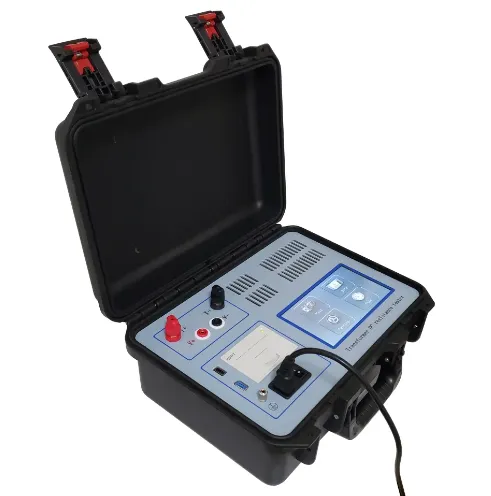
Transformers are critical components in electrical systems, ensuring the safe and efficient transfer of power. To maintain reliability, transformer testing is essential. Whether it's for a CT transformer testing or other transformer types, understanding transformer test types helps ensure performance and safety.
What is Transformer Testing?
Transformer testing involves a series of procedures designed to assess the health, efficiency, and functionality of a transformer. These tests identify faults, measure performance, and ensure compliance with safety standards.
Common Types of Transformer Tests
Transformer tests can be categorized into two main types: routine tests and special tests.
1. Routine Tests
Routine tests are standard procedures conducted on every transformer before it leaves the factory. These tests verify the transformer’s compliance with design specifications.
- Insulation Resistance Test
Ensures that the insulation between windings and the core is intact. - Voltage Ratio Test
Confirms the transformer's output voltage matches the design specifications. - Winding Resistance Test
Measures the resistance of windings to detect faults like open circuits. - Polarity Test
Determines the polarity of the transformer, critical for proper connection in the network.
2. Special Tests
Special tests are performed based on specific requirements or unusual operating conditions.
- Short-Circuit Test
Simulates a fault condition to evaluate the transformer's thermal and mechanical strength. - Temperature Rise Test
Monitors the transformer's heat-handling capability during prolonged operation. - Impulse Test
Assesses the transformer's ability to withstand high voltage surges, such as lightning strikes.
CT Transformer Testing
CT transformers (Current Transformers) require precise testing to ensure accurate current measurement and safe operation in high-voltage systems.
Key CT Transformer Tests
- Excitation Test
Determines the core's magnetization characteristics. - Ratio Test
Verifies the accuracy of the transformation ratio, essential for metering and protection. - Polarity Test
Ensures the secondary winding polarity aligns with the primary winding for proper function.
Why Conduct Transformer Tests?
1. Prevent Equipment Failures
Routine testing helps detect potential faults before they escalate into catastrophic failures.
2. Ensure Safety
Transformers operate at high voltages. Regular testing minimizes risks of electrical accidents.
3. Maintain Efficiency
Testing ensures transformers perform efficiently, reducing energy losses and operational costs.
4. Regulatory Compliance
Transformer testing ensures adherence to industry standards, including IEC and IEEE guidelines.
Transformer Test Equipment
Conducting transformer tests requires specialized equipment:
- Insulation Testers
Measure the insulation resistance between windings and core. - Turns Ratio Testers
Verify the voltage ratio of primary to secondary windings. - Tan Delta Test Kits
Assess insulation health by measuring dielectric losses. - Power Quality Analyzers
Monitor harmonic distortion and efficiency levels.
Best Practices for Transformer Testing
- Regular Maintenance: Schedule routine checks to ensure ongoing reliability.
- Skilled Personnel: Tests should be performed by trained professionals using appropriate equipment.
- Detailed Records: Maintain logs of test results for future reference and trend analysis.
- Proper Environment: Conduct tests in safe, controlled conditions to avoid damage or accidents.
Transformer testing is an indispensable part of ensuring the longevity, efficiency, and safety of electrical systems. Whether performing CT transformer testing or other types, understanding the various transformer test types equips you with the knowledge to maintain optimal transformer performance. Regular testing not only prevents costly failures but also upholds safety and compliance in critical power systems.
-
Find the Best Loop Impedance Tester for Sale and Ensure Electrical SafetyNoticiasMar.31,2026
-
Comprehensive Guide to Loop Impedance Meter for Electrical SafetyNoticiasMar.28,2026
-
Understanding and Choosing a Line Impedance Tester for Optimal Network PerformanceNoticiasMar.26,2026
-
Comprehensive Guide to Line Earth Loop Impedance Test for Electrical SafetyNoticiasMar.24,2026
-
Comprehensive Guide to Fault Loop Impedance Meter and Electrical SafetyNoticiasMar.21,2026
-
Comprehensive Guide to External Loop Impedance Test for Electrical SafetyNoticiasMar.19,2026


