TEL:
+86-0312-3189593
 Inglise


Telefon:0312-3189593

E-post:sales@oil-tester.com
-
 Afrikaans
 -
 Albanian
 -
 Amharic
 -
 Arabic
 -
 Armenian
 -
 Azerbaijani
 -
 Basque
 -
 Belarusian
 -
 Bengali
 -
 Bosnian
 -
 Bulgarian
 -
 Catalan
 -
 Cebuano
 -
 China
China -
 China (Taiwan)
 -
 Corsican
 -
 Croatian
 -
 Czech
Czech -
 Danish
 -
 Dutch
Dutch -
 English
 -
 Esperanto
 -
 Estonian
 -
 Finnish
 -
 French
 -
 Frisian
 -
 Galician
 -
 Georgian
 -
 German
 -
 Greek
Greek -
 Gujarati
 -
 Haitian Creole
 -
 hausa
hausa -
 hawaiian
 -
 Hebrew
 -
 Hindi
Hindi -
 Miao
Miao -
 Hungarian
 -
 Icelandic
 -
 igbo
igbo -
 Indonesian
 -
 irish
irish -
 Italian
 -
 Japanese
 -
 Javanese
 -
 Kannada
 -
 kazakh
 -
 Khmer
Khmer -
 Rwandese
 -
 Korean
 -
 Kurdish
 -
 Kyrgyz
 -
 Lao
Lao -
 Latin
Latin -
 Latvian
 -
 Lithuanian
 -
 Luxembourgish
 -
 Macedonian
 -
 Malgashi
 -
 Malay
Malay -
 Malayalam
 -
 Maltese
 -
 Maori
Maori -
 Marathi
 -
 Mongolian
 -
 Myanmar
 -
 Nepali
 -
 Norwegian
 -
 Norwegian
 -
 Occitan
 -
 Pashto
 -
 Persian
 -
 Polish
 -
 Portuguese
 -
 Punjabi
 -
 Romanian
 -
 Russian
 -
 Samoan
 -
 Scottish Gaelic
 -
 Serbian
 -
 Sesotho
 -
 Shona
Shona -
 Sindhi
 -
 Sinhala
 -
 Slovak
 -
 Slovenian
 -
 Somali
 -
 Spanish
 -
 Sundanese
 -
 Swahili
 -
 Swedish
 -
 Tagalog
 -
 Tajik
Tajik -
 Tamil
Tamil -
 Tatar
Tatar -
 Telugu
 -
 Thai
Thai -
 Turkish
 -
 Turkmen
 -
 Ukrainian
 -
 Urdu
Urdu -
 Uighur
 -
 Uzbek
Uzbek -
 Vietnamese
 -
 Welsh
Welsh -
 Bantu
Bantu -
 Yiddish
 -
 Yoruba
 -
 Zulu
Zulu
NEWS
-
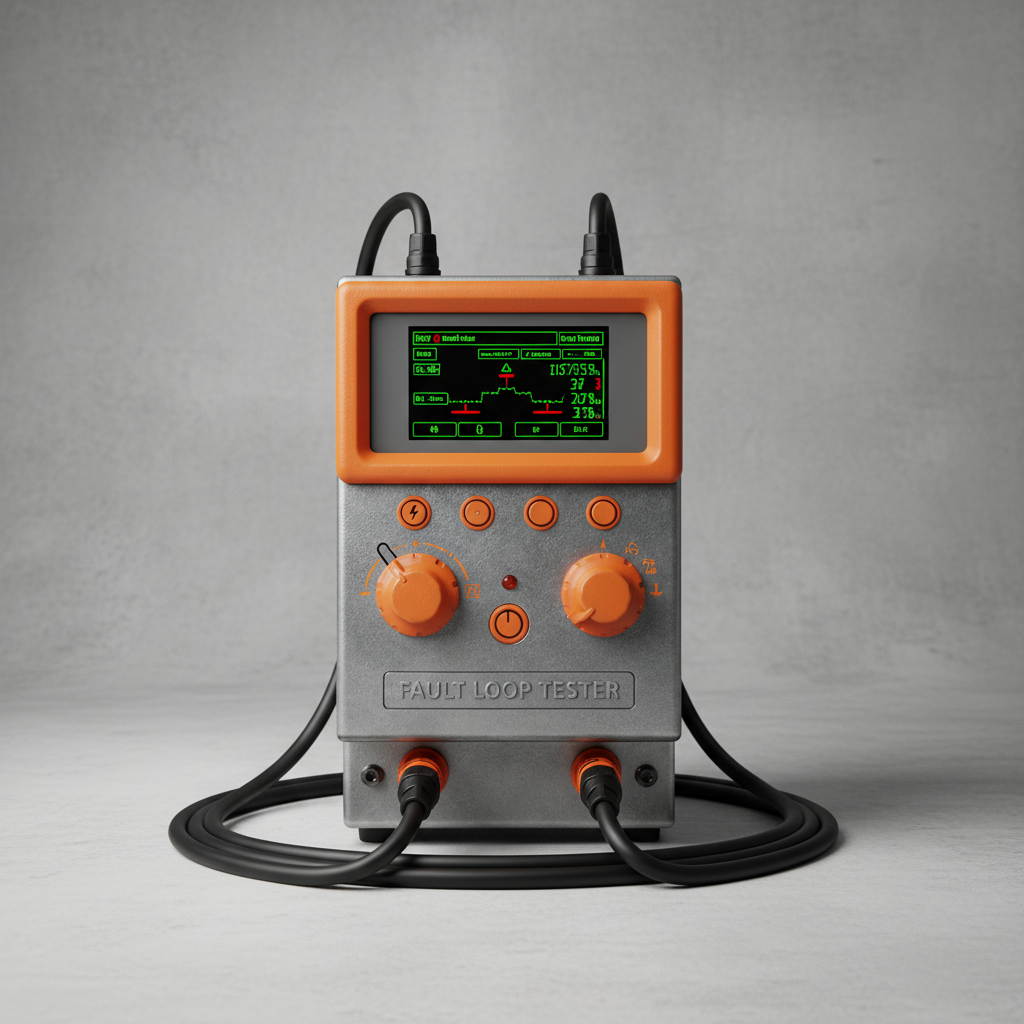 Ensuring electrical safety is paramount in any industrial or commercial setting. A fault loop tester is a crucial piece of equipment for verifying the effectiveness of protective measures against electrical faults. This article will provide a comprehensive overview of fault loop testers, their functionality, applications, and how to choose the right one for your needs. We'll also highlight the importance of regular testing for maintaining a safe electrical environment. A fault loop tester measures the total loop impedance of an electrical circuit, including the phase conductor, protective conductor (earth), and the fault current path back to the source. This measurement is essential because it determines the prospective fault current (PFC) - the amount of current that would flow in the event of a fault. A sufficiently high PFC is vital for the protective devices (fuses or circuit breakers) to operate quickly and safely disconnect the faulty circuit, preventing electric shock and fire hazards. Regular testing with a fault loop tester is a key requirement of electrical safety regulations and standards.Read more
 -
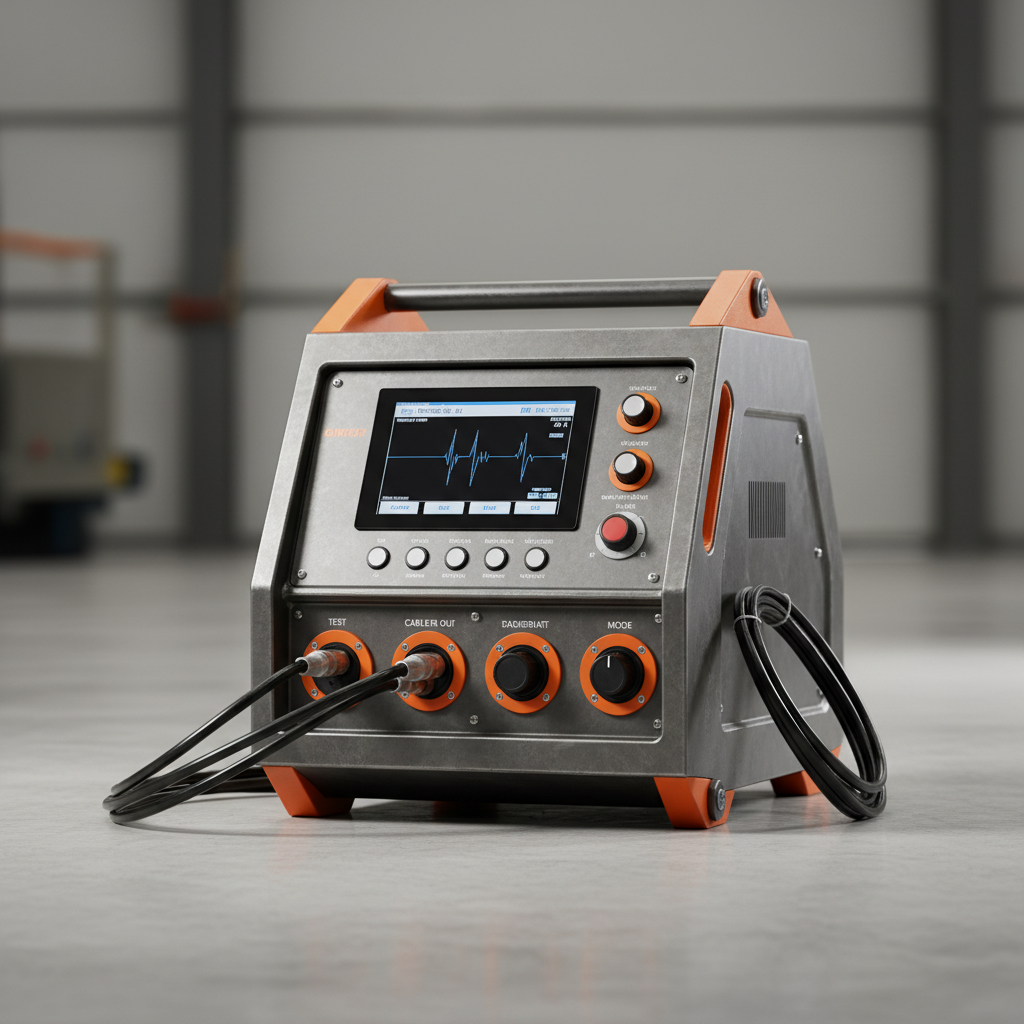 In the world of telecommunications, networking, and electrical engineering, maintaining signal integrity is crucial. A key factor in achieving this is proper cable impedance testing. This article delves into the importance of cable impedance, the function of impedance testers, the different types available, and how to choose the right tester for your needs. We will also highlight how Push Tester's solutions can help ensure optimal cable performance. Ensuring accurate impedance matching prevents signal reflections, maximizes power transfer, and minimizes signal loss. Cable impedance is the effective resistance of a cable to alternating current (AC). It’s measured in Ohms (Ω) and is a critical parameter for matching the cable to the transmitting and receiving devices. Mismatched impedance leads to signal reflections, standing waves, and ultimately, reduced signal quality. This is especially important in high-frequency applications like broadband internet, video transmission, and RF systems. The goal is to have a consistent impedance throughout the entire signal path, including the cable, connectors, and termination devices.Read more
 -
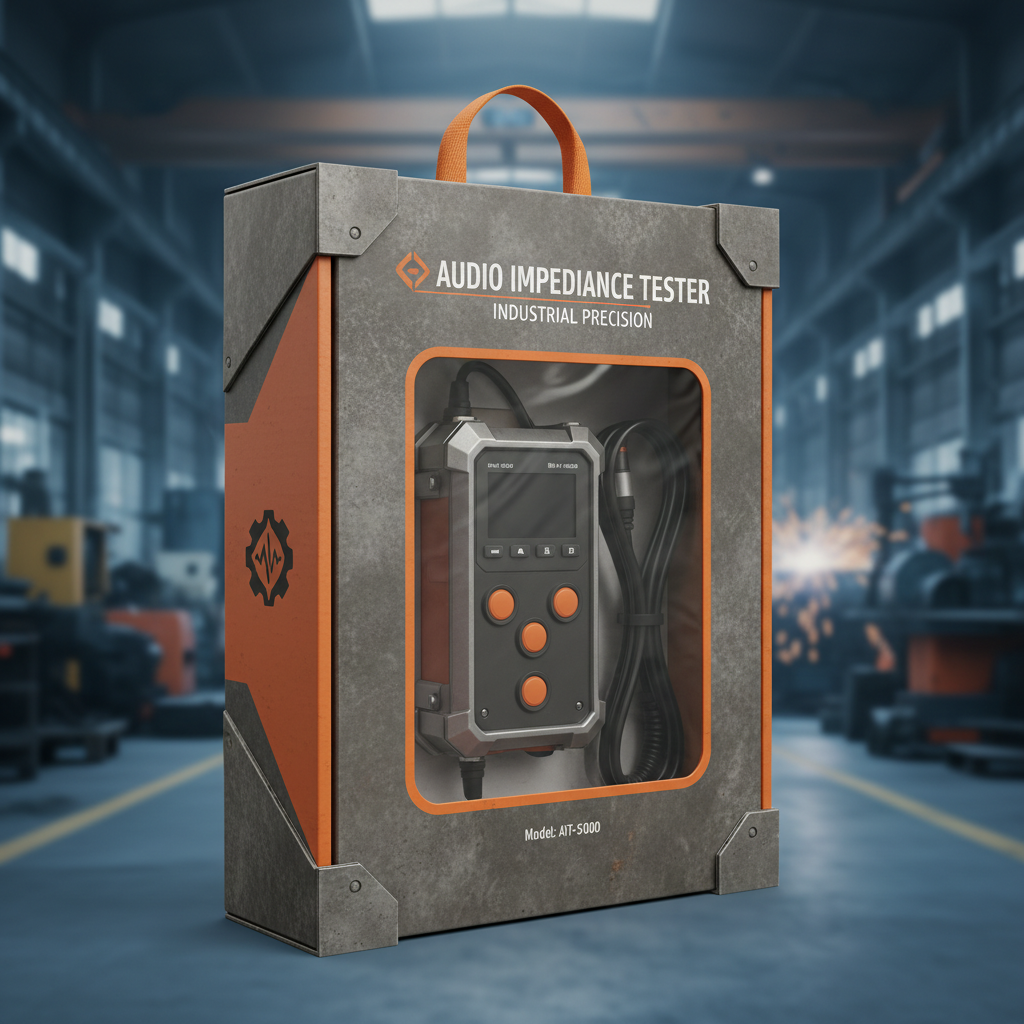 In the world of audio engineering, quality control, and speaker design, accurately measuring impedance is paramount. An audio impedance tester is an essential tool for ensuring optimal performance and identifying potential issues. This article provides a comprehensive guide to understanding audio impedance, the types of testers available, key features to look for, and how to choose the right tester for your specific needs. Whether you're a seasoned professional or just starting out, this guide will equip you with the knowledge to make an informed decision. Proper impedance measurement ensures the safety and longevity of audio equipment. Audio impedance, measured in ohms (Ω), represents the opposition to the flow of alternating current (AC) through an audio circuit. It's a complex measurement because impedance varies with frequency. Understanding impedance is crucial for several reasons. Firstly, it ensures proper power transfer between components, such as amplifiers and speakers.Read more
 -
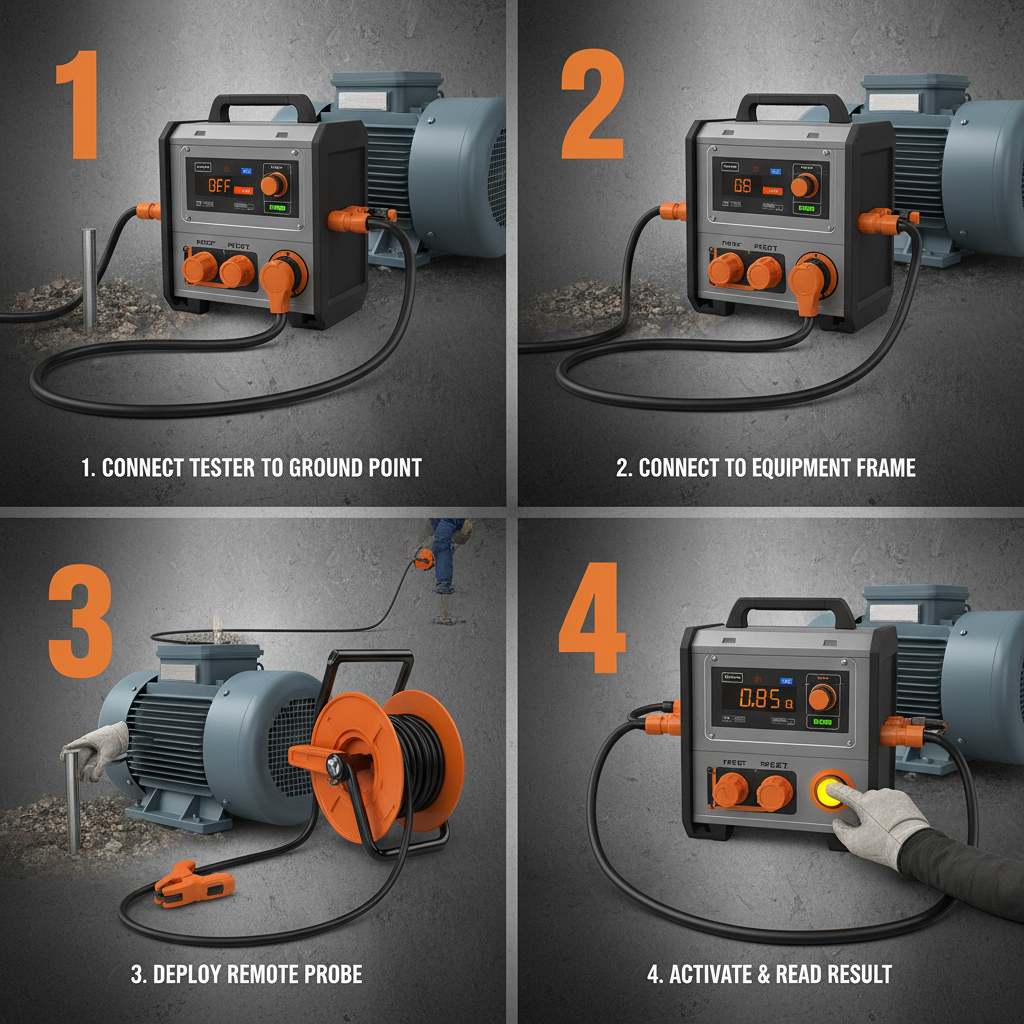 An earth impedance test is a critical safety procedure used to verify the effectiveness of earthing (grounding) systems. These tests ensure that fault currents can safely flow to ground in the event of an electrical fault, minimizing the risk of electric shock and fire. This article provides a comprehensive overview of earth impedance testing, its importance, methodologies, and the equipment used. Proper earthing is paramount for electrical safety, and regular testing is essential to maintain compliance and protect personnel and equipment. Push Tester provides innovative testing solutions for optimal safety. The primary purpose of an earth impedance test is to confirm that the resistance of the earth path is low enough to allow sufficient fault current to flow, triggering protective devices (like circuit breakers or fuses) to operate quickly and safely.Read more
 -
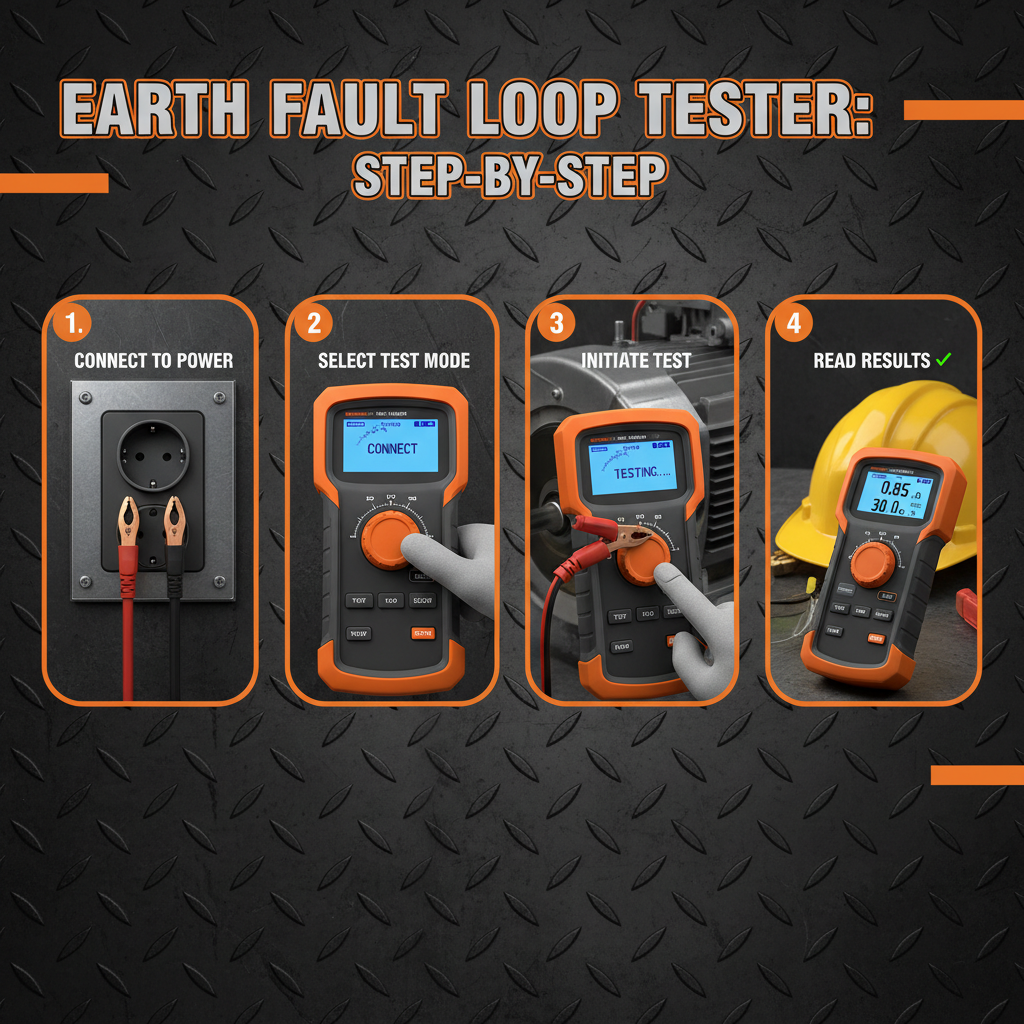 Electrical safety is paramount in any installation, and the earth fault loop tester is a crucial tool for verifying this safety. This article provides a comprehensive overview of earth fault loop testers, their importance in ensuring electrical safety, how they function, the types available, and factors to consider when choosing one. We'll cover the benefits, applications, and proper usage to help you maintain safe electrical systems. Proper testing can prevent serious hazards and ensure compliance with regulations. An earth fault loop tester is a safety device used by electricians and electrical engineers to verify the integrity of the earth fault protection system in electrical installations. This system is designed to quickly disconnect power in the event of a fault, such as a live conductor coming into contact with an earthed surface. The tester measures the total loop impedance – the resistance of the live conductor, the protective device (fuse or circuit breaker), and the earth conductor – to determine how quickly the protective device will operate.Read more
 -
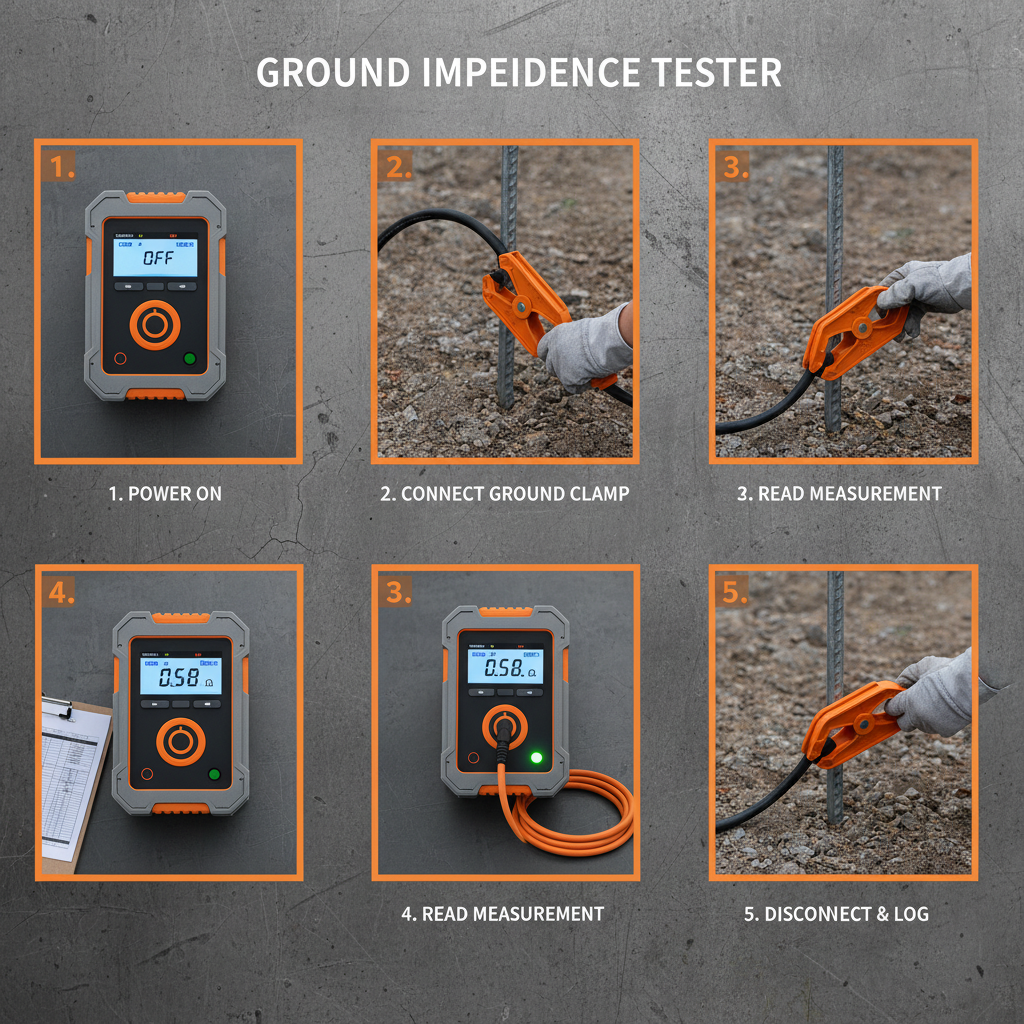 Ground impedance is a critical factor in ensuring the safety and effectiveness of electrical systems. High ground impedance can lead to dangerous voltages, ineffective grounding, and potential equipment failure. A ground impedance tester is an essential tool for verifying the integrity of grounding connections. This article will delve into the importance of ground impedance testing, the types of testers available, applications across various industries, and how to choose the right tester for your needs. Protecting your systems and personnel starts with accurate ground impedance measurements. Ground impedance testing verifies the effectiveness of the path to ground in an electrical system. Low impedance is desirable, ensuring that fault currents can safely return to the source, activating protective devices like circuit breakers and fuses. High impedance can cause voltage to build up on equipment enclosures, creating a shock hazard. Regular testing is crucial for maintaining safety standards, complying with regulations, and preventing costly downtime.Read more
 -
Ensuring electrical safety is paramount in any industrial or commercial setting. A crucial tool for achieving this is the loop impedance tester. This article will provide a detailed overview of loop impedance testing, its importance, how it works, and the benefits of choosing a reliable tester like those offered by Push Tester. Proper loop impedance testing is a vital component of a comprehensive electrical safety program and helps prevent potentially dangerous situations. We will explore its application in various settings, along with the features to look for when selecting a tester. Loop impedance refers to the total impedance of the fault current loop within an electrical installation. This loop consists of the live conductor, the protective device (fuse or circuit breaker), the earth conductor, and the fault path back to the source. Measuring loop impedance is critical because it determines whether a fault current will be high enough to quickly trip the protective device, thus minimizing the risk of electric shock or fire.Read more
-
Maintaining battery health is crucial for a wide range of applications, from electric vehicles to energy storage systems. A battery impedance tester is an indispensable tool for assessing battery quality and predicting its performance. This article provides a comprehensive overview of battery impedance testing, its importance, different types of testers, and how to select the right one for your needs. Accurate impedance measurement leads to informed battery management decisions, ultimately extending battery life and reducing operational costs. Battery impedance is a measure of a battery’s opposition to the flow of alternating current (AC). It’s not simply resistance; it encompasses both resistance and reactance. High impedance indicates a deteriorating battery, often due to factors like corrosion, electrode degradation, or electrolyte dryness. Monitoring impedance provides valuable insights into a battery’s state of health (SOH), remaining useful life, and potential for failure. Regular impedance testing allows for proactive maintenance, preventing unexpected downtime and costly replacements.Read more
-
Ensuring electrical safety is paramount in any setting, and a crucial tool for this is the earth loop impedance tester. This device measures the total impedance of the earth fault loop, helping identify potential hazards and ensuring protective devices operate correctly. This article will delve into the workings of these testers, their importance, applications, and how to choose the right one for your needs. A properly functioning earth loop is vital for preventing electric shock and ensuring compliance with safety regulations. Earth loop impedance is the total resistance to the flow of fault current in the earth fault loop. This loop consists of the live conductor, the fault path (through the equipment’s enclosure), the protective conductor (earth wire), and the supply’s earthing system. A high impedance means a larger voltage drop during a fault, potentially reducing the fault current below the level required to operate protective devices like circuit breakers or fuses. This delay can lead to dangerous touch voltages and increased risk of electric shock. Regular testing with an earth loop impedance tester ensures this impedance remains within acceptable limits, safeguarding personnel and equipment.Read more
-
The test tan delta, often abbreviated as tan δ, is a critical parameter in evaluating the dielectric properties of materials, especially polymers and insulation. It indicates the energy dissipation within a material when subjected to an alternating electric field. A low tan delta signifies minimal energy loss and is crucial for high-performance applications. This article will delve into the intricacies of tan delta, its significance in various industries, how it is measured, and how Push Tester provides advanced solutions for accurate measurements. Understanding this parameter is vital for ensuring the reliability and longevity of electrical components and systems. Tan delta is the ratio of the imaginary part of a material's permittivity (representing energy loss) to the real part (representing energy storage). Essentially, it quantifies how much energy is ‘lost’ as heat within a dielectric material when an alternating voltage is applied. A low tan delta is highly desirable because it means the material is efficient at storing energy rather than dissipating it as heat. High tan delta values indicate significant energy loss, which can lead to overheating, reduced efficiency, and potential failure of components.Read more
-
The tangent delta test is crucial for assessing the condition of transformer insulation. Understanding this test, and the equipment used – the tangent delta test transformer – is vital for reliable power grid operation and preventative maintenance. This article will delve into the principles, applications, and considerations when choosing a tangent delta test transformer, helping you optimize transformer performance and prevent costly failures. Regular testing with a high-quality transformer is an investment in longevity and safety. The tangent delta (tan δ) test, also known as dissipation factor test, measures the dielectric loss of electrical insulation. This loss represents the energy dissipated as heat within the insulation material when subjected to an alternating electric field. A higher tangent delta value indicates increased dielectric losses, which can signify insulation degradation due to contamination, moisture, overheating, or aging. Performing a tangent delta test with a specialized transformer provides vital insights into the health of the insulation and allows for proactive maintenance.Read more
-
 Discover high-precision dielectric loss measurement and volume resistivity testing with PS-2000A. Combining automated heating, three-electrode design, and advanced DSP technology, Baoding Push ensures accurate industrial oil analysis. Explore: https://www.pushtester.comRead more


