 Béarla



-
 Afrikaans
 -
 Albanian
 -
 Amharic
 -
 Arabic
 -
 Armenian
 -
 Azerbaijani
 -
 Basque
 -
 Belarusian
 -
 Bengali
 -
 Bosnian
 -
 Bulgarian
 -
 Catalan
 -
 Cebuano
 -
 China
China -
 China (Taiwan)
 -
 Corsican
 -
 Croatian
 -
 Czech
Czech -
 Danish
 -
 Dutch
Dutch -
 English
 -
 Esperanto
 -
 Estonian
 -
 Finnish
 -
 French
 -
 Frisian
 -
 Galician
 -
 Georgian
 -
 German
 -
 Greek
Greek -
 Gujarati
 -
 Haitian Creole
 -
 hausa
hausa -
 hawaiian
 -
 Hebrew
 -
 Hindi
Hindi -
 Miao
Miao -
 Hungarian
 -
 Icelandic
 -
 igbo
igbo -
 Indonesian
 -
 irish
irish -
 Italian
 -
 Japanese
 -
 Javanese
 -
 Kannada
 -
 kazakh
 -
 Khmer
Khmer -
 Rwandese
 -
 Korean
 -
 Kurdish
 -
 Kyrgyz
 -
 Lao
Lao -
 Latin
Latin -
 Latvian
 -
 Lithuanian
 -
 Luxembourgish
 -
 Macedonian
 -
 Malgashi
 -
 Malay
Malay -
 Malayalam
 -
 Maltese
 -
 Maori
Maori -
 Marathi
 -
 Mongolian
 -
 Myanmar
 -
 Nepali
 -
 Norwegian
 -
 Norwegian
 -
 Occitan
 -
 Pashto
 -
 Persian
 -
 Polish
 -
 Portuguese
 -
 Punjabi
 -
 Romanian
 -
 Russian
 -
 Samoan
 -
 Scottish Gaelic
 -
 Serbian
 -
 Sesotho
 -
 Shona
Shona -
 Sindhi
 -
 Sinhala
 -
 Slovak
 -
 Slovenian
 -
 Somali
 -
 Spanish
 -
 Sundanese
 -
 Swahili
 -
 Swedish
 -
 Tagalog
 -
 Tajik
Tajik -
 Tamil
Tamil -
 Tatar
Tatar -
 Telugu
 -
 Thai
Thai -
 Turkish
 -
 Turkmen
 -
 Ukrainian
 -
 Urdu
Urdu -
 Uighur
 -
 Uzbek
Uzbek -
 Vietnamese
 -
 Welsh
Welsh -
 Bantu
Bantu -
 Yiddish
 -
 Yoruba
 -
 Zulu
Zulu
First Line of Defense in Lubricant Quality Control
In industries that rely heavily on machinery, the importance of lubricant quality can’t be overstated. A grease tester is one of the most efficient tools to ensure the lubricating grease you use is up to standard. It plays a vital role in identifying early signs of contamination, consistency breakdown, and other chemical instabilities that could compromise the performance of your assets.
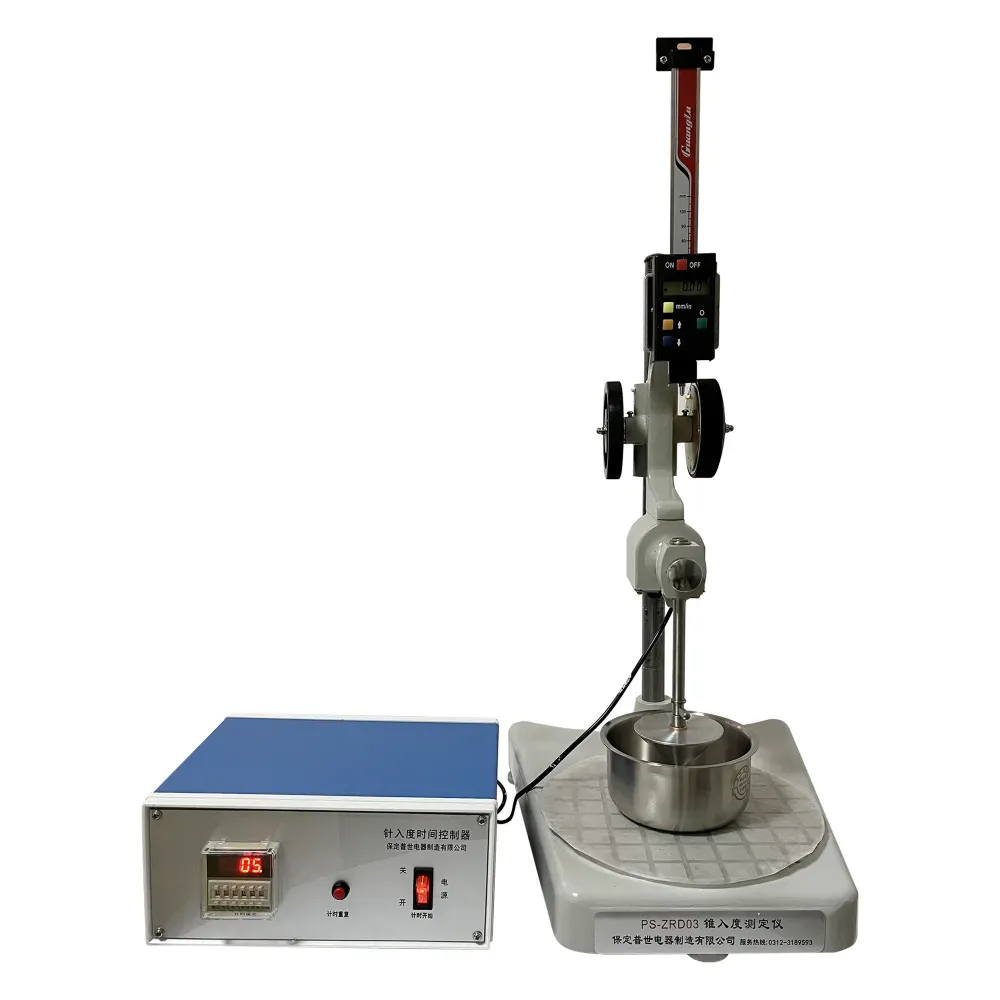
A grease tester is designed to evaluate the physical and chemical properties of grease, such as penetration, oxidation stability, dropping point, and consistency. These properties are crucial to understanding how well a grease will perform under pressure, temperature fluctuations, or exposure to contaminants. The earlier these issues are detected, the faster preventative measures can be taken.
Modern grease testers are compact, easy to operate, and often come with automated features. Whether you're in a field service role or managing maintenance in a factory, having a reliable tester ensures you're not just assuming grease performance—you’re proving it. That precision leads to better equipment health, optimized lubrication schedules, and reduced mechanical failures.
Advanced Technology in Grease Tester Devices for Industrial Use
Today’s grease tester devices are far from the bulky, lab-only instruments of the past. Thanks to advancements in sensor technology, digital interfaces, and automation, users can now benefit from high-accuracy results even in tough industrial environments.
Some testers focus on penetration and consistency, which are essential to know if grease can maintain its structure under load. Others measure oxidation stability—telling you how likely the grease is to degrade under heat and oxygen exposure. And advanced testers even analyze the grease’s dielectric properties to detect water contamination or monitor wear particles using infrared sensors.
With these tools, you can implement condition-based maintenance rather than reactive maintenance. The result is fewer breakdowns, longer equipment life, and ultimately—lower operational costs. Whether you’re testing greases for bearings, gearboxes, or open gears, a digital grease tester gives your maintenance plan scientific accuracy.
Determination of Oil and Grease: Ensuring Environmental Compliance and Operational Efficiency
The determination of oil and grease is critical in both industrial operations and environmental monitoring. This procedure measures the concentration of hydrocarbons and fatty substances in water, soil, or discharged effluents. Whether you're checking wastewater before discharge or validating a lubricant’s integrity, this analysis is vital for staying compliant and efficient.
In environmental applications, the determination of oil and grease helps ensure that industrial discharge doesn’t exceed legal pollutant thresholds. It’s typically performed using techniques like gravimetric analysis, infrared spectroscopy, or gas chromatography. These methods separate and quantify organic compounds that pose ecological risks if not treated correctly.
On the industrial side, oil and grease testing helps identify contamination in lubricants. Excessive water, dirt, or metallic particles can severely hinder lubrication, resulting in increased wear and unplanned downtime. By regularly conducting the determination of oil and grease, engineers can optimize filtration systems, adjust change intervals, and ensure that critical machinery continues to run smoothly.
Portable Solutions for Grease Tester and Field-Based Analysis
While lab testing is precise, on-site solutions are fast. That’s why portable grease tester kits are becoming more popular in mining, construction, transportation, and energy sectors. These field-ready kits let technicians run vital diagnostics in real-time without the need to ship samples to a central lab.
Handheld grease testers typically offer tests for water content, mechanical stability, and sometimes even wear metals when combined with oil analysis tools. Some include sample cups, digital displays, and Bluetooth syncing, enabling instant data sharing with centralized maintenance systems or mobile apps.
Field-based determination of oil and grease can also be performed using compact infrared spectrophotometers. These tools allow engineers to check for hydrocarbon contamination in stormwater, cooling towers, or production lines. With regulations tightening across industries, portable testing helps companies stay compliant and avoid hefty environmental fines.
Streamlining Predictive Maintenance with Oil and Grease Analysis
Combining the precision of the grease tester with regular determination of oil and grease procedures offers a powerful approach to predictive maintenance. By continuously analyzing lubrication conditions, maintenance managers can forecast failures and take action before minor issues become major problems.
A comprehensive strategy includes both physical grease testing (for penetration, dropping point, etc.) and chemical analysis (for oxidation, metal wear, water, etc.). Pair this with IoT sensors and cloud-based analytics, and you can set up automated alerts based on viscosity shifts, contamination levels, or consumption rates.
These tools are not just about protecting machines—they’re about protecting productivity. A machine failure could cost thousands per hour. But with real-time data from your grease tester and robust oil analysis records, you’ll always be a step ahead of unscheduled downtime. Grease and oil become assets to monitor, not just consumables to replace.
Grease tester FAQs
What is a grease tester used for?
A grease tester evaluates the quality and performance characteristics of lubricating grease, including penetration, dropping point, and oxidation stability. It helps determine whether the grease is suitable for continued use or needs to be replaced. By testing grease regularly, maintenance teams can prevent lubrication failures and optimize machinery lifespan.
How is the determination of oil and grease carried out?
The determination of oil and grease is typically conducted using gravimetric or infrared methods. In gravimetric analysis, a solvent extracts oil and grease from a sample, which is then evaporated and weighed. Infrared spectroscopy measures absorbance of carbon-hydrogen bonds in oil and grease. These methods are used in labs or portable setups to measure hydrocarbon concentration in water, soil, or lubricants.
Can I use grease testers in the field?
Yes, many modern grease testers are designed for field use. Portable models are lightweight, battery-powered, and built for harsh environments. They often provide fast readings for parameters like water content and consistency, allowing technicians to make on-site decisions without sending samples to a lab.
Why is it important to determine oil and grease levels in wastewater?
Monitoring oil and grease determination in wastewater ensures environmental compliance. High levels can harm aquatic life and violate discharge permits. Regular testing helps industrial facilities monitor pollution levels, meet environmental regulations, and avoid legal or financial penalties.
What are the benefits of combining grease testing with oil analysis?
Combining grease tester insights with oil and grease determination creates a full picture of lubricant health. It enables predictive maintenance, helps detect early signs of wear or contamination, and supports better decision-making about lubrication schedules. The result is increased reliability, longer equipment life, and reduced operating costs.
-
Find the Best Loop Impedance Tester for Sale and Ensure Electrical SafetyNuachtMar.31,2026
-
Comprehensive Guide to Loop Impedance Meter for Electrical SafetyNuachtMar.28,2026
-
Understanding and Choosing a Line Impedance Tester for Optimal Network PerformanceNuachtMar.26,2026
-
Comprehensive Guide to Line Earth Loop Impedance Test for Electrical SafetyNuachtMar.24,2026
-
Comprehensive Guide to Fault Loop Impedance Meter and Electrical SafetyNuachtMar.21,2026
-
Comprehensive Guide to External Loop Impedance Test for Electrical SafetyNuachtMar.19,2026


