 English



Understanding and Utilizing an Earth Fault Loop Tester for Electrical Safety
Understanding and Utilizing an Earth Fault Loop Tester
Electrical safety is paramount in any installation, and the earth fault loop tester is a crucial tool for verifying this safety. This article provides a comprehensive overview of earth fault loop testers, their importance in ensuring electrical safety, how they function, the types available, and factors to consider when choosing one. We'll cover the benefits, applications, and proper usage to help you maintain safe electrical systems. Proper testing can prevent serious hazards and ensure compliance with regulations.
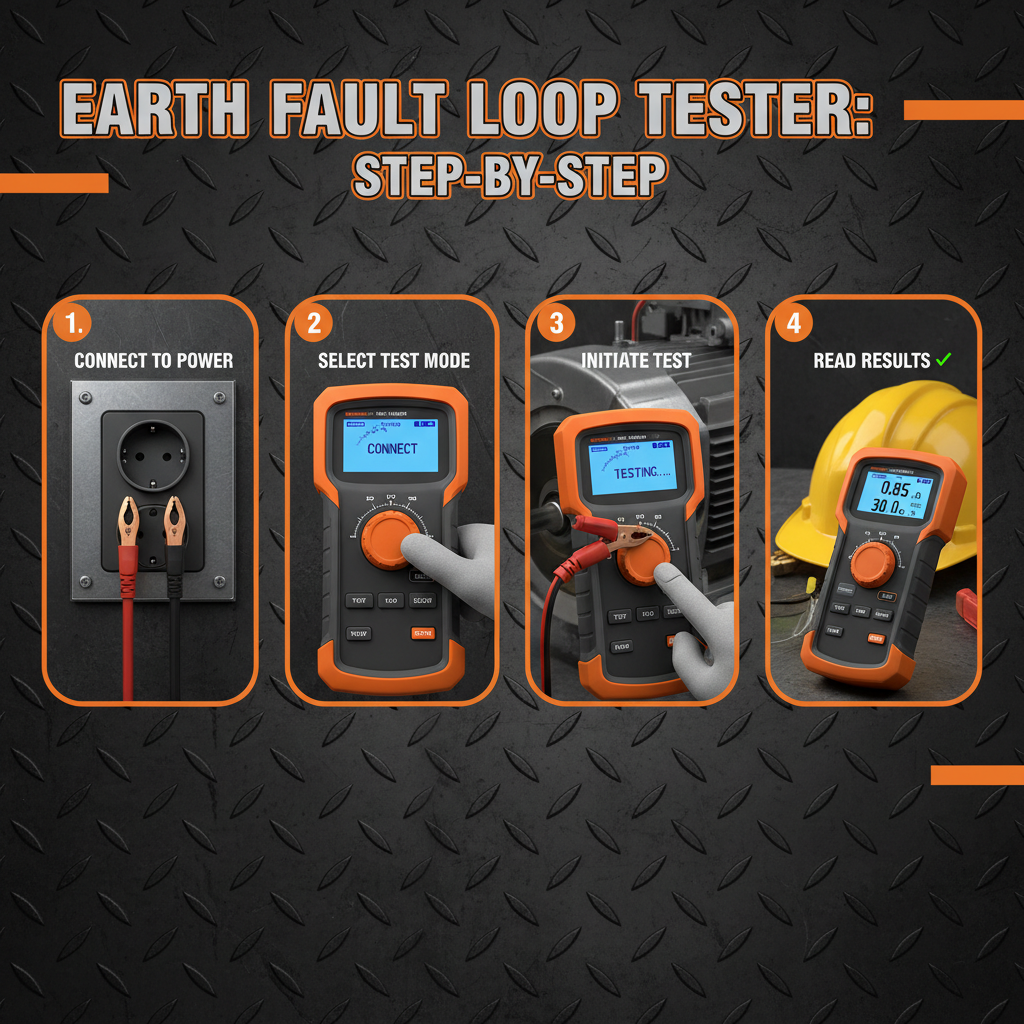
What is an Earth Fault Loop Tester?
An earth fault loop tester is a safety device used by electricians and electrical engineers to verify the integrity of the earth fault protection system in electrical installations. This system is designed to quickly disconnect power in the event of a fault, such as a live conductor coming into contact with an earthed surface. The tester measures the total loop impedance – the resistance of the live conductor, the protective device (fuse or circuit breaker), and the earth conductor – to determine how quickly the protective device will operate. A low loop impedance indicates a fast and effective disconnection, ensuring safety. You can explore a wide range of reliable testers at Push Tester.
Key Highlights: Verifies the integrity of the earth fault protection system. Measures total loop impedance to ensure fast disconnection in case of a fault. A critical tool for ensuring electrical safety and compliance with regulations.
How Does an Earth Fault Loop Tester Work?
The tester works by injecting a small test current into the circuit and measuring the resulting voltage drop. From this, it calculates the loop impedance using Ohm’s Law (Impedance = Voltage / Current). Different testers use different methods to achieve this. Some apply a test current while others simulate a fault condition. The reading obtained is compared against the maximum permitted loop impedance specified in relevant electrical safety standards (like IEC 60364). If the measured impedance is higher than the allowed limit, it indicates a potential safety hazard and requires investigation and correction. Proper training is crucial for accurate interpretation of results.
Key Principles:
• Injects a small test current.
• Measures the voltage drop.
• Calculates loop impedance using Ohm’s Law.
• Compares result to safety standards.
Types of Earth Fault Loop Testers
There are several types of earth fault loop testers available, each with its own advantages and features. These include:
Factors to Consider When Choosing an Earth Fault Loop Tester
Selecting the right tester requires careful consideration. Key factors include the type of installations you typically work on, the features you need, the accuracy required, and your budget. Look for testers that comply with relevant safety standards and offer a clear and easy-to-read display. Consider the robustness of the tester, especially if you work in harsh environments. Push Tester offers a range of testers to meet various needs and budgets.
Applications of Earth Fault Loop Testing
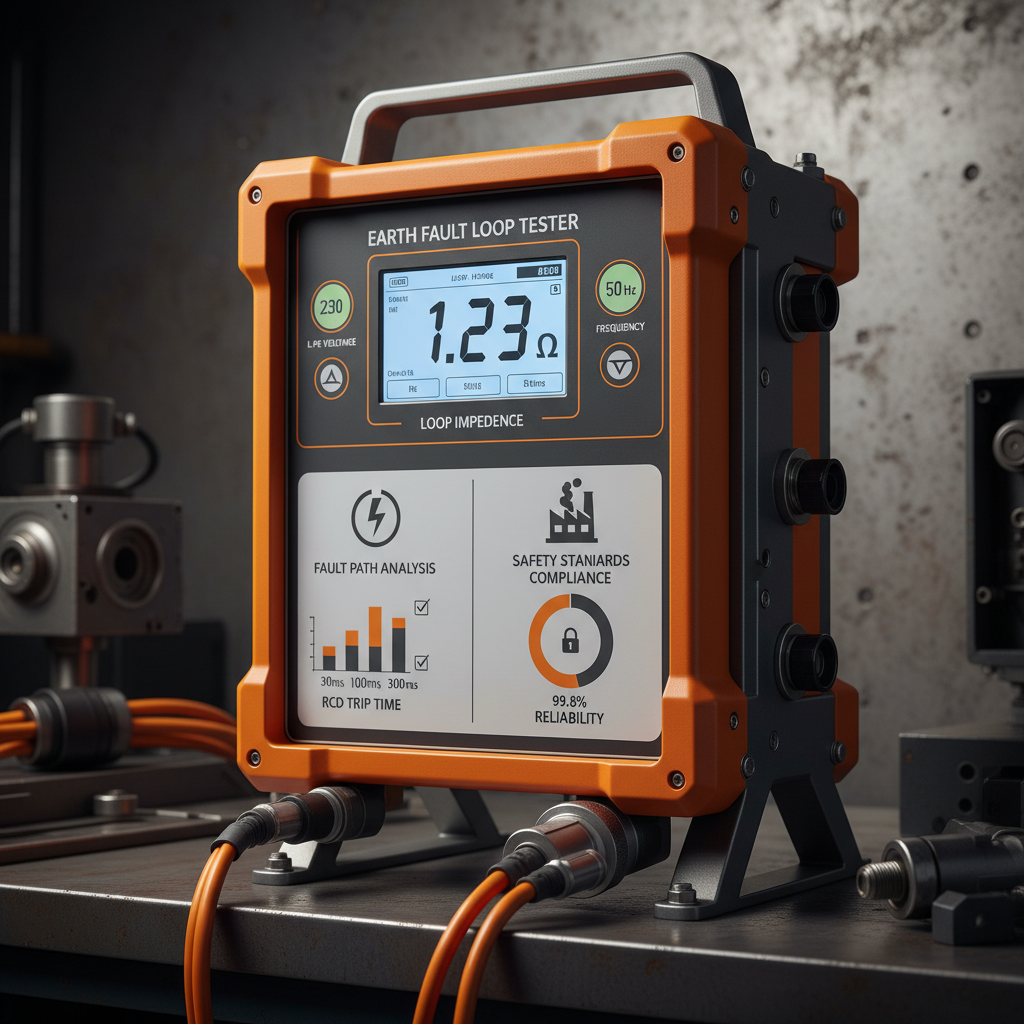
Earth fault loop testing is essential in several situations, including initial verification of new installations, periodic inspection and testing of existing electrical systems, and after any modifications or repairs have been made. It is a legal requirement in many countries to ensure electrical safety in workplaces and residential buildings. Regular testing helps identify potential hazards before they can cause harm.
Conclusion: Ensuring Electrical Safety with Proper Testing
Investing in a reliable earth fault loop tester and performing regular testing are crucial steps in maintaining electrical safety. By understanding the principles of loop impedance testing and choosing the right tool for the job, you can protect yourself, your colleagues, and the public from the dangers of electrical faults. Prioritize safety and ensure compliance with relevant regulations.
Frequently Asked Questions (FAQs)
What is considered a safe earth fault loop impedance value?
A safe earth fault loop impedance value depends on the protective device (fuse or circuit breaker) installed in the circuit. Generally, the impedance must be low enough to ensure that the protective device will operate within the required disconnection time (typically 0.4 seconds) in the event of a fault. Specific limits are defined in electrical safety standards (e.g., BS 7671 in the UK). For a 32A circuit protected by a Type B circuit breaker, the maximum loop impedance is typically around 2.3 ohms. Always refer to the relevant regulations and the device’s datasheet.
How often should earth fault loop testing be performed?
The frequency of earth fault loop testing depends on the type of installation and its intended use. For new installations, testing is required as part of the initial verification process. For existing installations, periodic inspection and testing are recommended, typically every 5 years for domestic installations and 1-3 years for commercial and industrial installations. Testing should also be performed after any alterations or repairs have been made to the electrical system.
What should I do if the earth fault loop impedance is too high?
If the earth fault loop impedance is too high, it indicates a potential safety hazard. Possible causes include loose connections, corroded conductors, or an undersized earth conductor. You should immediately investigate the cause of the high impedance and rectify the problem. This may involve tightening connections, replacing corroded conductors, or upgrading the earth conductor. Always retest after making repairs to ensure the impedance is within acceptable limits. Never energize a circuit with a high loop impedance.
Can an earth fault loop tester detect other faults?
While primarily designed for loop impedance testing, some multi-function testers can also detect other electrical faults, such as insulation resistance, continuity, and earth electrode resistance. However, dedicated testers are often more accurate and reliable for these specific tests. An earth fault loop tester primarily confirms the effectiveness of the earth fault protection system, but doesn't comprehensively diagnose all potential electrical issues.
-
Find the Best Loop Impedance Tester for Sale and Ensure Electrical SafetyNewsMar.31,2026
-
Comprehensive Guide to Loop Impedance Meter for Electrical SafetyNewsMar.28,2026
-
Understanding and Choosing a Line Impedance Tester for Optimal Network PerformanceNewsMar.26,2026
-
Comprehensive Guide to Line Earth Loop Impedance Test for Electrical SafetyNewsMar.24,2026
-
Comprehensive Guide to Fault Loop Impedance Meter and Electrical SafetyNewsMar.21,2026
-
Comprehensive Guide to External Loop Impedance Test for Electrical SafetyNewsMar.19,2026


