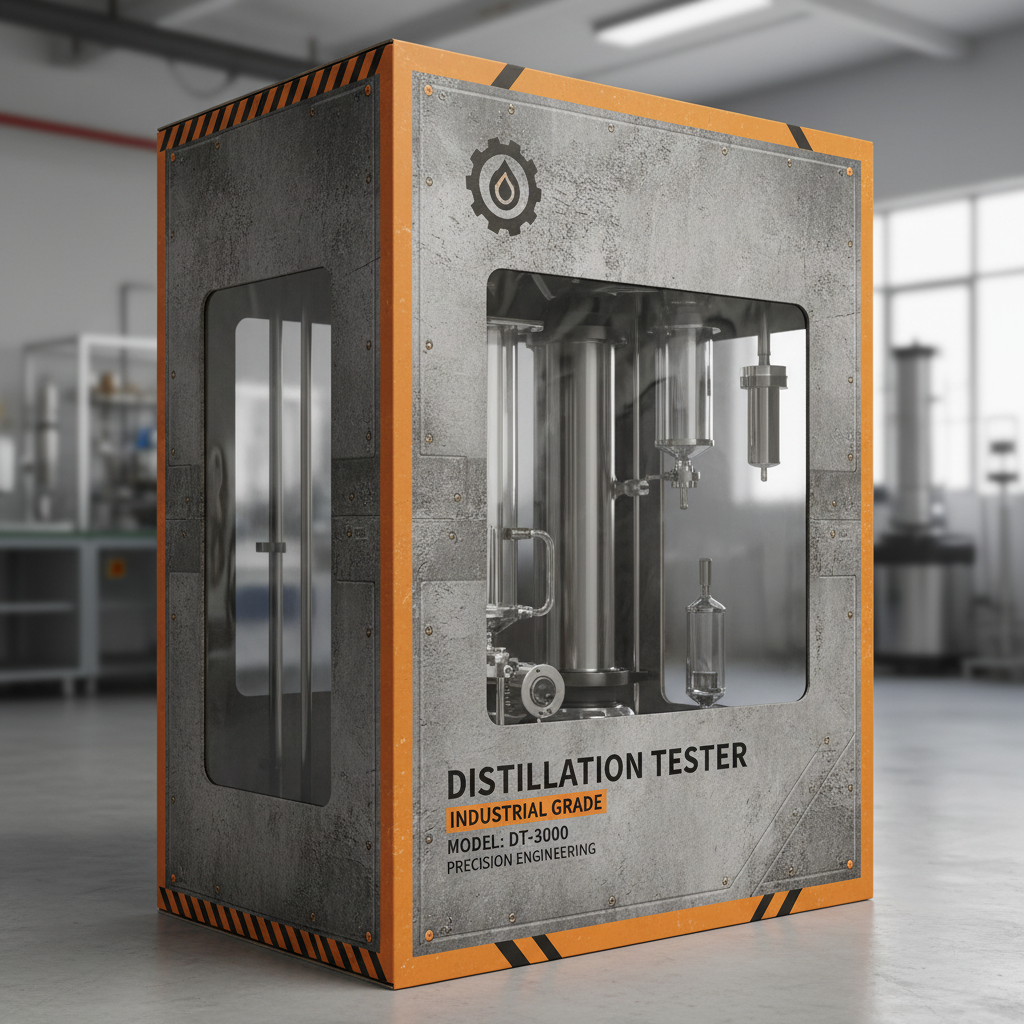
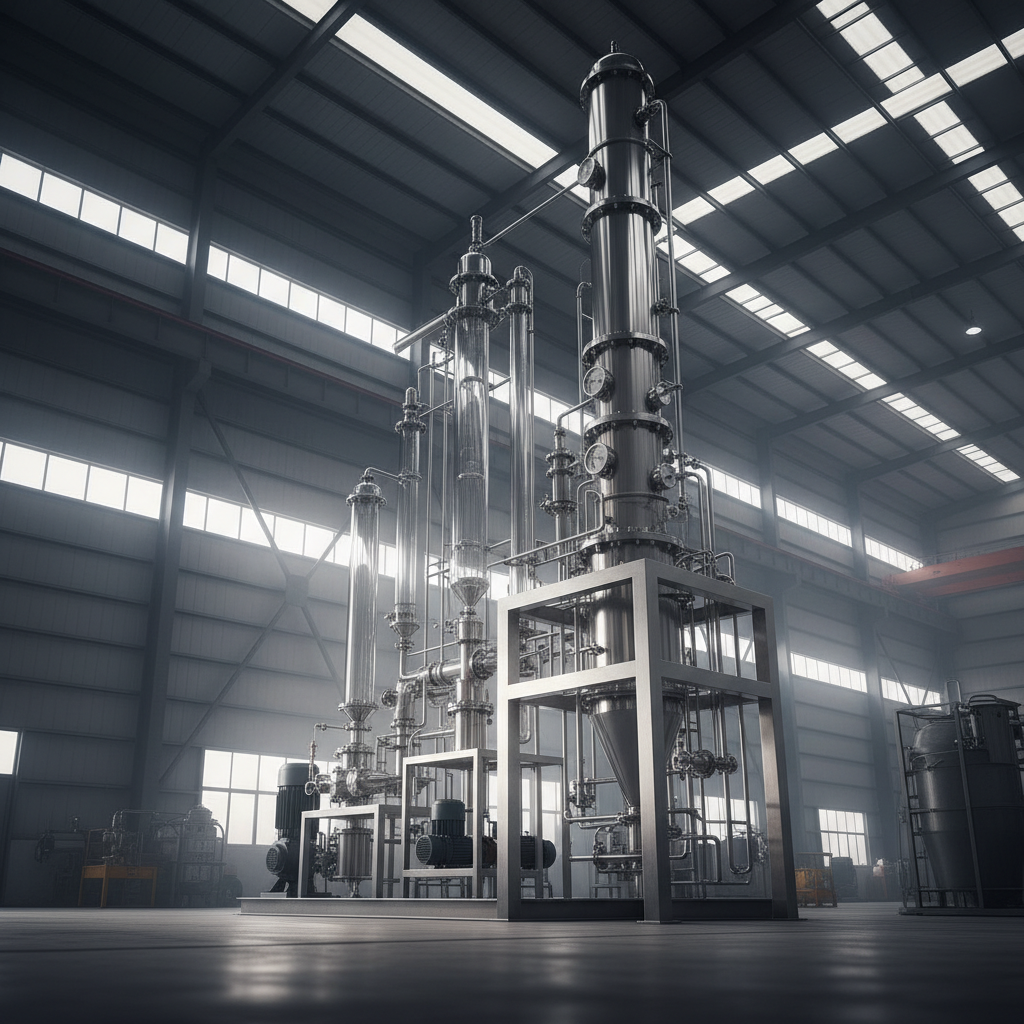
The world relies heavily on refined products derived from crude oil, making the process of oil distillation fundamentally crucial to modern life. From the fuels that power our transportation to the plastics that form countless everyday objects, oil distillation is the cornerstone of a vast and complex industry. Understanding the nuances of an oil distillation plant – its components, efficiencies, and future trends – is essential for professionals in the energy sector, policymakers, and anyone seeking to comprehend the global energy landscape.
The demand for refined petroleum products continues to grow alongside global population and economic development. However, this demand is coupled with increasing scrutiny regarding environmental impact and sustainability. This necessitates advancements in oil distillation plant technology, focusing on enhanced efficiency, reduced emissions, and the ability to process increasingly diverse and challenging feedstocks. Innovation in this area directly impacts energy security and economic stability worldwide.
Investing in knowledge about oil distillation plant operations allows for informed decision-making, fostering responsible resource management and driving advancements toward a more sustainable future. This understanding is critical for optimizing processes, mitigating risks, and ensuring the continued supply of vital energy resources.
The Importance of Oil Distillation Plant Efficiency
Efficiency within an oil distillation plant directly translates to reduced energy consumption, lower operating costs, and a smaller environmental footprint. Maximizing the yield of valuable products from each barrel of crude oil is paramount. Optimizing the distillation process, minimizing waste, and implementing advanced control systems are all key elements in achieving this efficiency.
A highly efficient plant not only boosts profitability but also contributes to greater energy security by making the most of available resources. This efficiency often involves continuous monitoring, predictive maintenance, and the integration of data analytics to identify and address potential bottlenecks in the oil distillation plant process.
Defining Oil Distillation Plant Processes
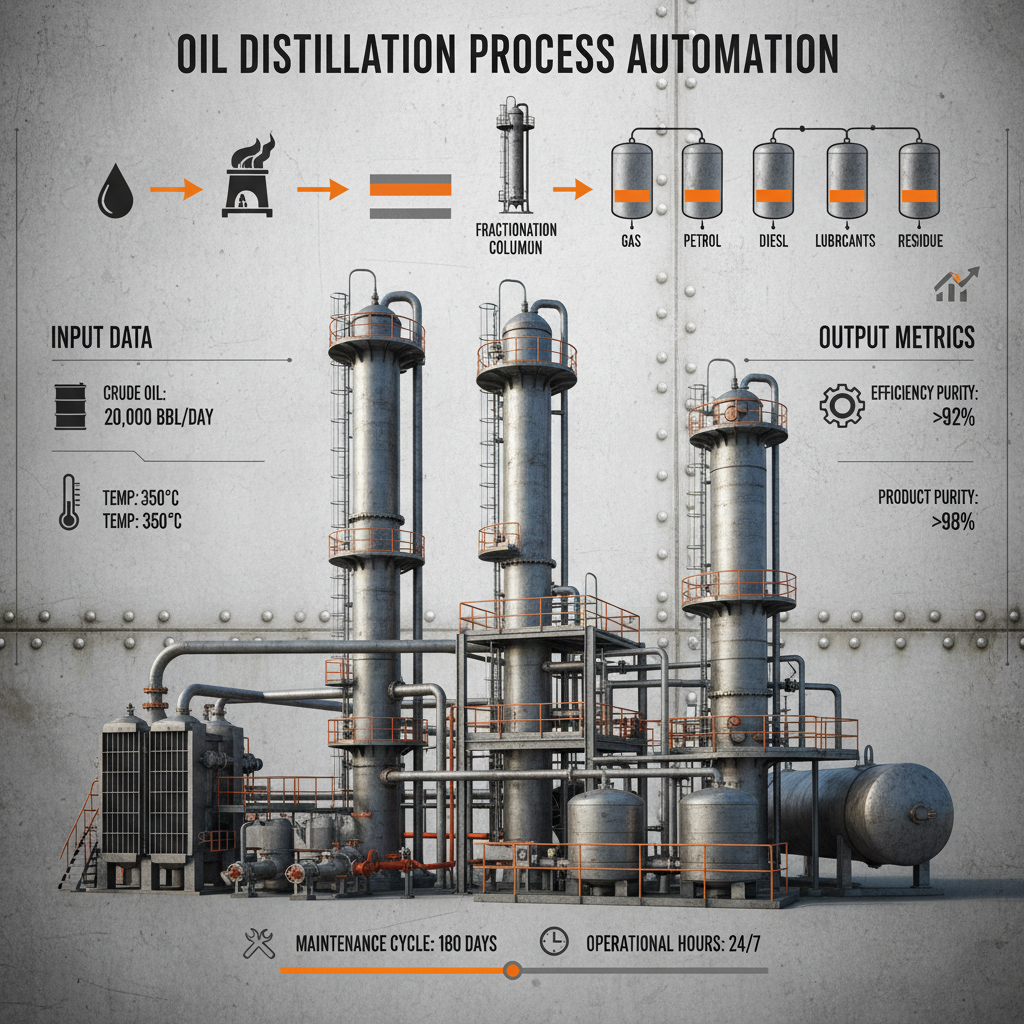
An oil distillation plant is a complex facility designed to separate crude oil into its constituent components, or fractions, based on their boiling points. This process, known as fractional distillation, is the primary method used in refineries worldwide. Crude oil is heated, and the resulting vapors are passed through a distillation column.
As the vapors rise, they cool and condense at different levels within the column, separating into various fractions like gasoline, kerosene, diesel fuel, and heavier oils. The careful control of temperature and pressure is vital to achieving a clean and efficient separation of these valuable components. This separation process is fundamental to the production of the fuels and materials modern society depends on.
The process isn't limited to a single distillation column. Often, multiple columns and secondary processes like catalytic cracking and reforming are employed to further refine the fractions and enhance the quality and yield of desired products, making the oil distillation plant a truly intricate system.
Core Components of a Modern Oil Distillation Plant
A modern oil distillation plant comprises several key components working in concert. The crude oil distillation unit (CDU) is the heart of the facility, responsible for the initial separation of crude oil into fractions. This is coupled with stabilization columns which remove lighter hydrocarbons from gasoline and other products.
Beyond the CDU, crucial components include preheating furnaces, which bring the crude oil to the necessary temperature for distillation; fractionator columns, where the separation occurs; and sophisticated control systems that monitor and regulate the entire process. Effective heat integration systems, such as heat exchangers, are also vital for maximizing energy efficiency within the plant.
Finally, storage tanks are essential for holding both the crude oil feedstock and the refined product fractions. Safety systems, including emergency shutdown systems and fire suppression equipment, are integral to ensuring the safe and reliable operation of the oil distillation plant.
Scalability and Operational Costs
The scalability of an oil distillation plant is a crucial consideration, dictated by the anticipated demand for refined products and the availability of crude oil feedstock. Plants can range in capacity from relatively small modular units processing a few thousand barrels per day to massive integrated complexes capable of processing over a million barrels per day.
Operational costs are significantly influenced by energy consumption, maintenance requirements, and labor expenses. Implementing advanced control systems, predictive maintenance programs, and energy-efficient technologies can substantially reduce these costs, enhancing the plant's profitability and competitiveness.
Oil Distillation Plant Efficiency Comparison
Global Applications and Industry Impact
Oil distillation plants are strategically located globally, typically near crude oil production regions or major transportation hubs. Key regions include the Middle East, North America, Asia (particularly China and India), and Europe. These plants fuel diverse industries, including transportation, petrochemicals, plastics manufacturing, and power generation.
The petrochemical industry is heavily reliant on the outputs of oil distillation plants, using these fractions as feedstocks for producing a wide range of chemicals, polymers, and materials. Furthermore, oil distillation plants often integrate with other refining processes, creating complex petrochemical complexes that maximize value and resource utilization.
Long-Term Benefits and Sustainability
Investing in advanced oil distillation plant technologies provides long-term benefits beyond economic gains. Increased energy efficiency reduces greenhouse gas emissions, contributing to a more sustainable energy future. Optimizing feedstock utilization minimizes waste and maximizes resource recovery, further enhancing environmental performance.
Improved safety systems and reliable operation instill confidence in stakeholders and ensure the long-term viability of the plant. By embracing sustainable practices, oil distillation plants can demonstrate a commitment to environmental stewardship and social responsibility, fostering positive relationships with communities and regulatory bodies.
Moreover, continuous innovation drives the development of cleaner fuels and more efficient processes, preparing the industry for a future with evolving energy demands and environmental standards.
Future Innovations in Oil Distillation Plant Technology
The future of oil distillation plants is focused on digitalization, automation, and integration of renewable energy sources. Advanced process control systems, powered by artificial intelligence and machine learning, will optimize operations and predict potential issues before they arise.
The integration of carbon capture and storage (CCS) technologies will play a crucial role in reducing greenhouse gas emissions. Exploring alternative feedstocks, such as bio-crude and recycled plastics, will further enhance sustainability. Modular distillation units are also gaining traction, offering flexibility and scalability for smaller-scale operations.
Further research into membrane technology and advanced separation processes promises to enhance the efficiency and reduce the energy intensity of oil distillation plants, paving the way for a cleaner and more sustainable energy future.
Summarizing Key Challenges and Potential Solutions for Oil Distillation Plant Operations
| Challenge Area |
Impact on Plant Performance |
Potential Solution |
Implementation Difficulty (1-10) |
| Energy Consumption |
High operating costs, increased emissions |
Heat integration systems, advanced process control |
6 |
| Feedstock Variability |
Reduced product quality, operational instability |
Flexible process configurations, advanced monitoring |
7 |
| Equipment Maintenance |
Unplanned downtime, increased repair costs |
Predictive maintenance programs, sensor networks |
5 |
| Emissions Control |
Environmental impact, regulatory compliance |
Carbon capture and storage, improved combustion |
8 |
| Process Optimization |
Suboptimal yields, reduced efficiency |
AI-driven process control, data analytics |
4 |
| Water Usage |
Resource depletion, waste management challenges |
Water recycling systems, optimized cooling processes |
6 |
FAQS
Upgrading to a more energy-efficient oil distillation plant delivers substantial benefits, including reduced operating costs due to lower energy consumption. It also significantly lowers greenhouse gas emissions, improving environmental performance and regulatory compliance. Furthermore, modern, efficient plants often experience increased reliability and reduced maintenance requirements, translating to longer operational lifespans and enhanced profitability.
Automation profoundly impacts the performance of an oil distillation plant by improving process control, increasing efficiency, and reducing human error. Automated systems can continuously monitor key parameters, make real-time adjustments, and optimize operations for maximum yield and product quality. This leads to lower operating costs, enhanced safety, and improved overall plant reliability.
Predictive maintenance is crucial for ensuring the reliability of an oil distillation plant. By using sensors and data analytics, potential equipment failures can be identified before they occur, allowing for proactive maintenance and preventing costly downtime. This approach minimizes disruptions to production, extends the lifespan of critical equipment, and reduces overall maintenance expenses.
When selecting a feedstock, key considerations include its quality, availability, cost, and compatibility with the plant's processing capabilities. Different crude oil types have varying compositions and require specific refining processes. Environmental regulations and sustainability concerns are also becoming increasingly important factors in feedstock selection. Optimizing feedstock choices maximizes product yield and minimizes environmental impact.
Oil distillation plants can reduce their carbon footprint through a variety of measures. Implementing energy efficiency improvements, utilizing carbon capture and storage (CCS) technologies, and switching to lower-carbon feedstocks are all effective strategies. Optimizing combustion processes, reducing flaring, and investing in renewable energy sources can further minimize emissions and promote environmental sustainability.
Future trends in oil distillation technology include increased digitalization and automation, the integration of artificial intelligence and machine learning, and the development of more sustainable processes. Expect to see greater emphasis on advanced process control, predictive maintenance, and the use of alternative feedstocks. The incorporation of carbon capture technologies and the pursuit of circular economy principles will also be central to future innovation.
Conclusion
In conclusion, the oil distillation plant remains a cornerstone of the global energy infrastructure. Its continued efficiency and evolution are critical for meeting growing energy demands while minimizing environmental impact. By embracing innovation in areas like automation, process optimization, and sustainable technologies, the industry can ensure a more secure and responsible energy future.
Looking ahead, continued investment in research and development, coupled with supportive policies and collaborative efforts, will be essential to unlock the full potential of oil distillation plants. These advancements will not only drive economic growth but also contribute to a cleaner, more sustainable world for generations to come. Visit our website to learn more about optimizing your plant: www.pushtester.com
 English