EnglishEnglish
0%

Table of Contents

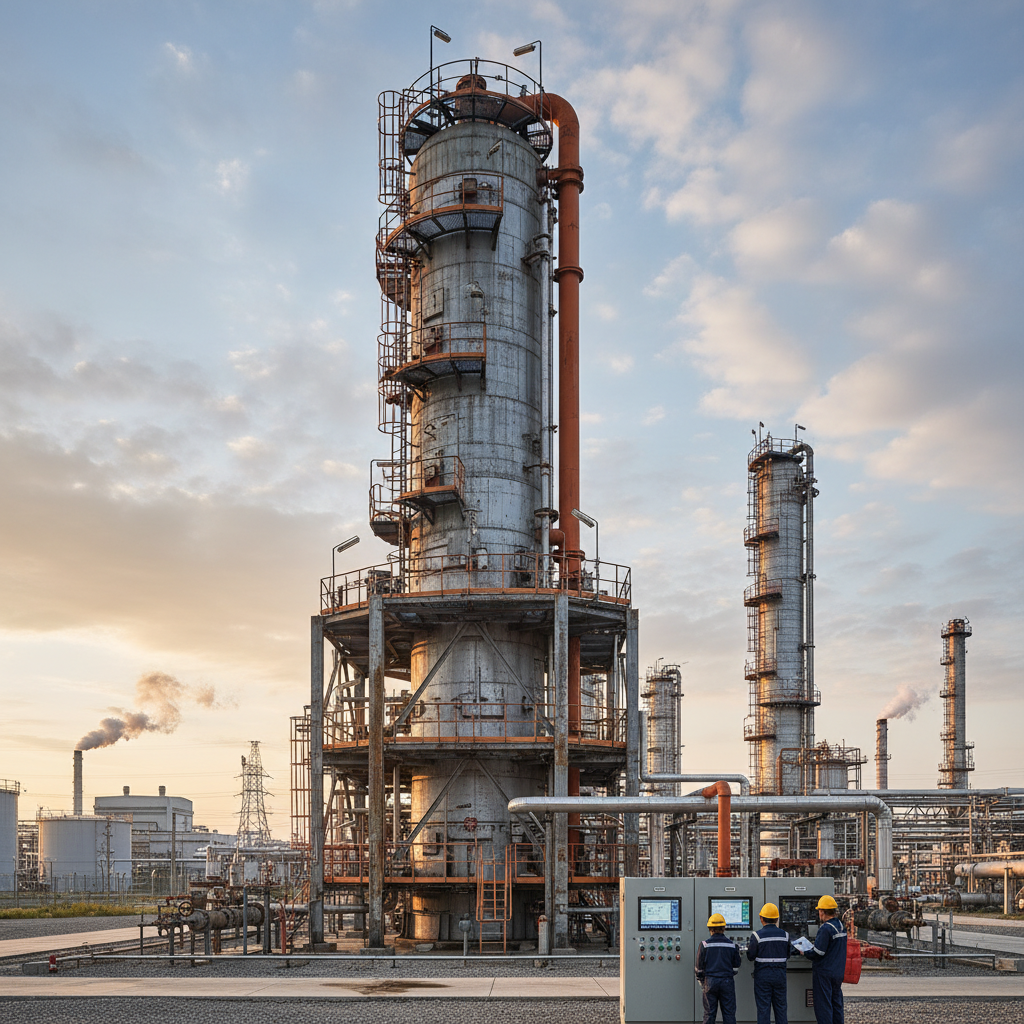
The global energy landscape heavily relies on the efficient separation of crude oil into its valuable components, a process largely facilitated by the crude oil distillation column. These towering structures are the cornerstone of refineries worldwide, transforming raw crude oil into the fuels, plastics, and other essential products that power modern society. Understanding their design, operation, and ongoing innovations is crucial for professionals in the energy sector, chemical engineers, and anyone seeking to comprehend the complexities of the oil and gas industry.

The demand for refined petroleum products continues to rise alongside global population growth and economic development. However, increasing environmental concerns and the push for sustainability are driving a need for more efficient and environmentally friendly distillation processes. Modern crude oil distillation column designs are focusing on energy conservation, reduced emissions, and improved feedstock flexibility to meet these evolving demands. This makes a thorough understanding of this technology not just academically important, but practically vital for a sustainable future.

Investing in the knowledge surrounding crude oil distillation column technology translates directly into optimized refinery operations, reduced costs, and a lower environmental footprint. From process optimization to predictive maintenance, the benefits of a comprehensive understanding are significant, impacting energy security and economic stability on a global scale.
Advancements in Crude Oil Distillation Column Technology and Refinery Operations

The Fundamental Principles of crude oil distillation column

Advancements in Crude Oil Distillation Column Technology and Refinery Operations

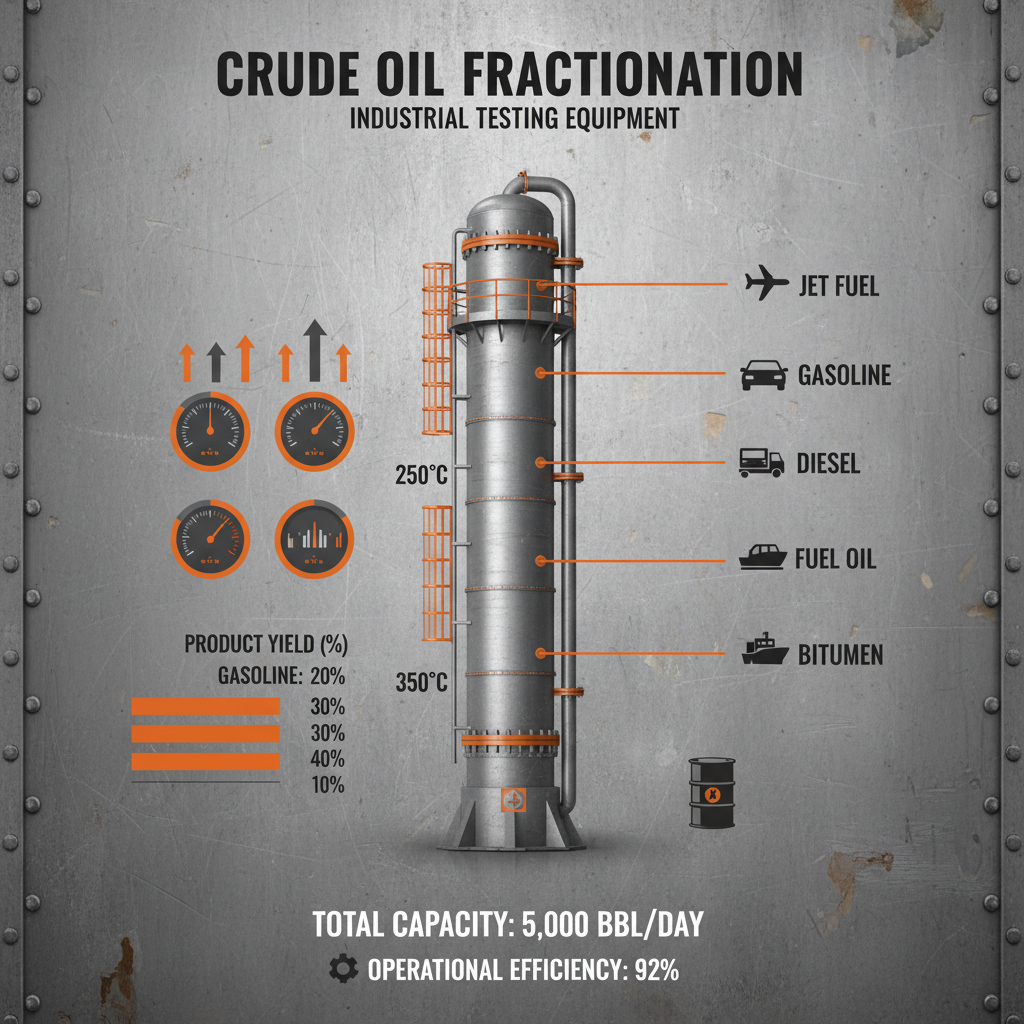
At its core, the crude oil distillation column operates on the principle of fractional distillation, leveraging the different boiling points of hydrocarbons within crude oil. As crude oil is heated, the components with lower boiling points vaporize first, rising through the column. These vapors are then condensed at different levels based on their boiling points, separating the crude oil into fractions like gasoline, kerosene, and diesel.

This separation process isn’t simply about boiling points; factors like molecular weight, intermolecular forces, and pressure also influence the outcome. Engineers carefully control these parameters within the column to optimize the yield and purity of each fraction, maximizing the value extracted from the crude oil feedstock.

Historical Development of crude oil distillation column

The early forms of distillation were rudimentary, utilized for centuries to refine crude substances. However, the modern crude oil distillation column truly emerged with the rise of the petroleum industry in the late 19th and early 20th centuries. Early designs were significantly less efficient, requiring multiple distillations to achieve desired product specifications.

Significant advancements came with the development of the atmospheric and vacuum distillation towers, enabling the separation of a wider range of hydrocarbons. The integration of advanced control systems and improved packing materials throughout the 20th century further optimized performance, leading to the highly sophisticated columns seen in refineries today.

Continuous improvements in materials science and process engineering have consistently driven enhancements in distillation efficiency, product quality, and environmental performance, showcasing a dynamic evolution over the decades.

Core Components of a crude oil distillation column

A crude oil distillation column is comprised of several key components working in synergy. The furnace heats the crude oil to the necessary temperature. The column itself, a tall cylindrical vessel, provides the space for vapor-liquid separation. Internal trays or packing materials increase the surface area for efficient contact between the rising vapors and descending liquids.

Reflux drums and reboilers play crucial roles in maintaining stable operation and controlling the product composition. Reflux drums collect condensed vapors and return a portion back down the column to enhance separation. Reboilers provide the heat needed to vaporize the liquid at the bottom of the column, facilitating continued distillation.

Finally, condenser systems cool and condense the vapors at the top of the column, while draw-off arms at various heights allow for the collection of different hydrocarbon fractions. Effective operation relies on precise control and monitoring of each of these components.

Performance Metrics in crude oil distillation column Operation

Assessing the performance of a crude oil distillation column involves several key metrics. Separation efficiency, measured by the purity of the separated fractions, is paramount. Throughput, the volume of crude oil processed per unit time, determines the column’s capacity.

Energy consumption is another critical factor, with refineries constantly striving to minimize heat input and reduce operating costs. Pressure drop across the column impacts energy efficiency and needs careful monitoring.

Crude Oil Distillation Column Efficiency Comparison


Global Applications and Industry Impact of crude oil distillation column

crude oil distillation column are integral to refining operations globally, forming the backbone of petroleum product supply chains in regions like North America, Europe, and Asia. Their presence is fundamental to meeting the energy demands of these continents.

The petrochemical industry heavily relies on the outputs of these columns as feedstock for the production of plastics, synthetic fibers, and a vast array of other chemical products. The transportation sector, dependent on gasoline, diesel, and jet fuel, is also directly linked to the efficient operation of distillation units.

Advantages and Economic Value of crude oil distillation column

The economic value of a well-maintained and optimized crude oil distillation column is substantial. Higher product yields translate into increased revenue, while reduced energy consumption lowers operating costs. Improved separation efficiency minimizes waste and maximizes the recovery of valuable components.

Furthermore, the reliability of distillation units is critical for preventing costly downtime and disruptions to supply. Investing in advanced monitoring and maintenance technologies enhances operational longevity and ensures consistent performance.

Beyond economics, proper operation contributes to environmental sustainability by reducing emissions and minimizing the need for further processing of waste streams.

Future Trends and Innovations in crude oil distillation column

Future developments in crude oil distillation column technology are focused on enhanced efficiency, flexibility, and sustainability. Advanced process control systems utilizing artificial intelligence and machine learning are being implemented to optimize operations in real-time.

Innovative packing materials with increased surface area and improved separation capabilities are also gaining traction. The integration of renewable energy sources to power distillation units is a key area of research, aiming to reduce the carbon footprint of refining operations.

The development of columns capable of processing a wider range of feedstocks, including unconventional oils and bio-crude, is also a growing trend, increasing the adaptability and resilience of the refining industry.

Summary of Trends in crude oil distillation column Technology

Trend Category Technology Focus Impact on Efficiency Implementation Cost
Process Control AI & Machine Learning 8/10 Medium
Packing Materials High-Surface Area Structures 7/10 Low to Medium
Energy Integration Renewable Energy Sources 6/10 High
Feedstock Flexibility Unconventional Oil Processing 5/10 Medium to High
Monitoring Advanced Sensors 9/10 Medium
Maintenance Predictive Algorithms 7/10 Low

FAQS

What are the primary factors influencing the efficiency of a crude oil distillation column?

Several factors impact efficiency, including the feed composition, operating pressure, reflux ratio, and the design of internal components like trays or packing. Maintaining optimal temperature profiles throughout the column is also crucial. Proper insulation and minimizing heat loss are important for energy efficiency, and regular maintenance prevents fouling and ensures optimal performance of the crude oil distillation column.

How does vacuum distillation differ from atmospheric distillation in a crude oil refinery?

Atmospheric distillation separates crude oil components at atmospheric pressure, ideal for lighter fractions. Vacuum distillation, however, operates at significantly reduced pressure, lowering the boiling points of heavier components. This prevents thermal cracking and allows for the recovery of valuable heavy oils and residues that would decompose at higher temperatures. Using a crude oil distillation column in a vacuum significantly improves recovery.

What are common fouling issues in distillation columns and how are they addressed?

Fouling, caused by polymerization, corrosion, or solid deposits, reduces heat transfer and flow efficiency. Common solutions include regular cleaning using chemical solvents or mechanical methods like scraping. Implementing anti-foulant additives in the crude oil feed and optimizing operating conditions can also minimize fouling. Monitoring pressure drop across the crude oil distillation column is a key indicator of fouling build-up.

What role do trays and packing play in a distillation column's performance?

Trays and packing provide surface area for vapor-liquid contact, enhancing separation efficiency. Trays are structured plates with openings that promote mixing, while packing consists of random or structured materials that offer a large surface area. The choice between trays and packing depends on factors like feed rate, pressure drop requirements, and the desired level of separation within the crude oil distillation column.

How can advanced process control systems improve distillation column operations?

Advanced process control (APC) systems use real-time data and sophisticated algorithms to optimize column performance. APC can dynamically adjust operating parameters like reflux ratio, feed rate, and temperature profiles to maximize product yield, minimize energy consumption, and maintain stable operation. They often incorporate model predictive control (MPC) to anticipate process changes and proactively adjust control variables for efficient crude oil distillation column performance.

What are the environmental considerations associated with crude oil distillation?

Crude oil distillation can release volatile organic compounds (VOCs) and greenhouse gases. Minimizing emissions through vapor recovery systems, leak detection and repair (LDAR) programs, and efficient combustion technologies is crucial. Optimizing energy consumption reduces the carbon footprint. Proper wastewater treatment and waste management practices are also essential for environmental sustainability in crude oil distillation column operations.

Conclusion

In conclusion, the crude oil distillation column remains a cornerstone of the global energy industry. Its ability to efficiently separate crude oil into valuable fractions underpins the production of fuels, chemicals, and a vast range of essential products. Continuous innovation in process control, materials science, and energy efficiency is driving improvements in performance and sustainability.

Looking ahead, the integration of renewable energy sources, advanced monitoring systems, and flexible feedstock processing capabilities will be crucial for adapting to evolving energy demands and environmental regulations. Investing in research and development, and fostering a skilled workforce, will be essential for maintaining the vital role of the distillation column in a sustainable future. Visit our website: www.pushtester.com to learn more.
Christopher Wilson

Christopher Wilson

Christopher Wilson is a Project Manager at Baoding Push, overseeing the development and launch of new products. He’s responsible for coordinating cross-functional teams, ensuring projects are completed on time and within budget. Christopher is a strong believer in ‘Social Responsibility’ and actively participates in the company’s charitable initiatives. He focuses
Previous Understanding Oil Distillation Machine Price and Market Dynamics for Optimal Investment
Next Understanding Oil Distillation Plant Operations for a Sustainable Future