TEL:
+86-0312-3189593
 English
 English


You know, it’s funny. Been spending all year at construction sites, and you start to notice things. Everyone’s talking about prefabrication now, right? Modular stuff, off-site construction. It’s the buzz. But honestly, I'm seeing a lot of companies rushing into it without really understanding the basics. They think they can just slap some stuff together in a factory and ship it out. It's not that simple.
The biggest problem? Details. Tiny details. Like, have you noticed how many suppliers are still using those cheap, brittle plastic connectors? It's a disaster waiting to happen. I encountered that at the Changzhou auto parts factory last time – entire batch rejected because the connectors snapped during assembly. And it's always the little things that cause the biggest headaches.
And it all comes down to materials, doesn’t it? We're primarily working with high-strength steel, naturally. The S355J2 is pretty standard now – good weldability, decent corrosion resistance. Feels solid, smells… well, like steel. You get used to it. We've also started using a lot more aluminum alloys, particularly the 6061-T6 for lighter components. Strangely, the smell of aluminum shavings always reminds me of my grandfather’s workshop. Anyway, the key is getting the right grade for the right application. Don’t skimp on material costs, trust me. You’ll pay for it later.

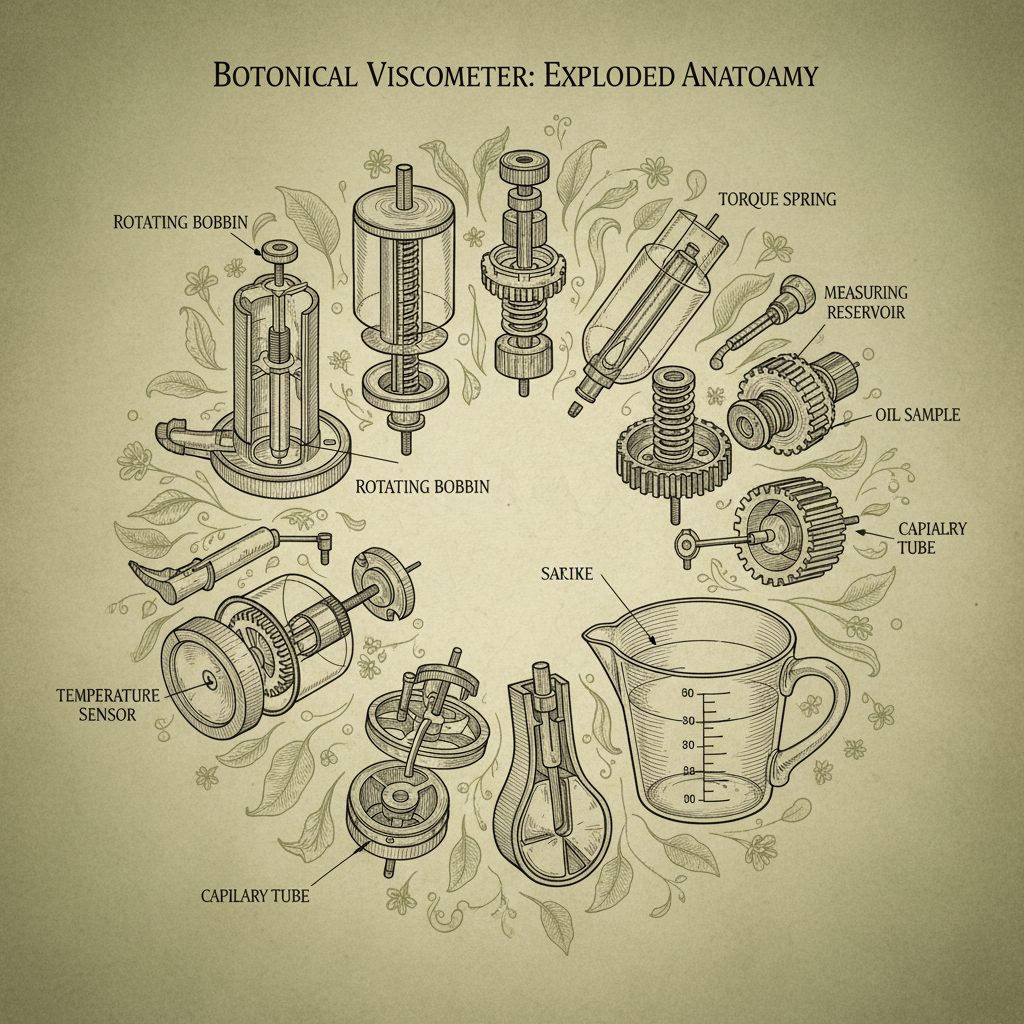
To be honest, the biggest trend I’m seeing is miniaturization. Everyone wants smaller, lighter instruments. Especially for field work. We used to lug around these massive, clunky devices. Now, they're trying to pack the same functionality into something you can hold in your hand. It’s good, in theory, but sometimes it feels like they sacrifice robustness for portability.
Another thing is the move towards digital displays and data logging. Used to be, you had to squint at an analog gauge and scribble the readings down in a notebook. Now, it’s all on a screen, and you can download the data to a computer. Makes life a lot easier, but you still need someone who understands what those numbers actually mean. It doesn’t replace experience, you know?
A good quality oil viscosity measuring instrument, if properly maintained and calibrated, should last around 5-7 years in a demanding industrial environment. However, factors like frequency of use, exposure to harsh chemicals, and physical impacts can significantly reduce its lifespan. Regular checks and prompt repairs are essential for maximizing its longevity. We’ve seen some units last over a decade with meticulous care, but that's rare.
Temperature has a significant impact on oil viscosity. Viscosity decreases as temperature increases, and vice versa. Most modern instruments have built-in temperature compensation features to correct for this effect. However, it’s still important to ensure the oil is at a stable and known temperature before taking a measurement. Ideally, measurements should be taken at 40°C or 100°C, as these are standard reference temperatures.
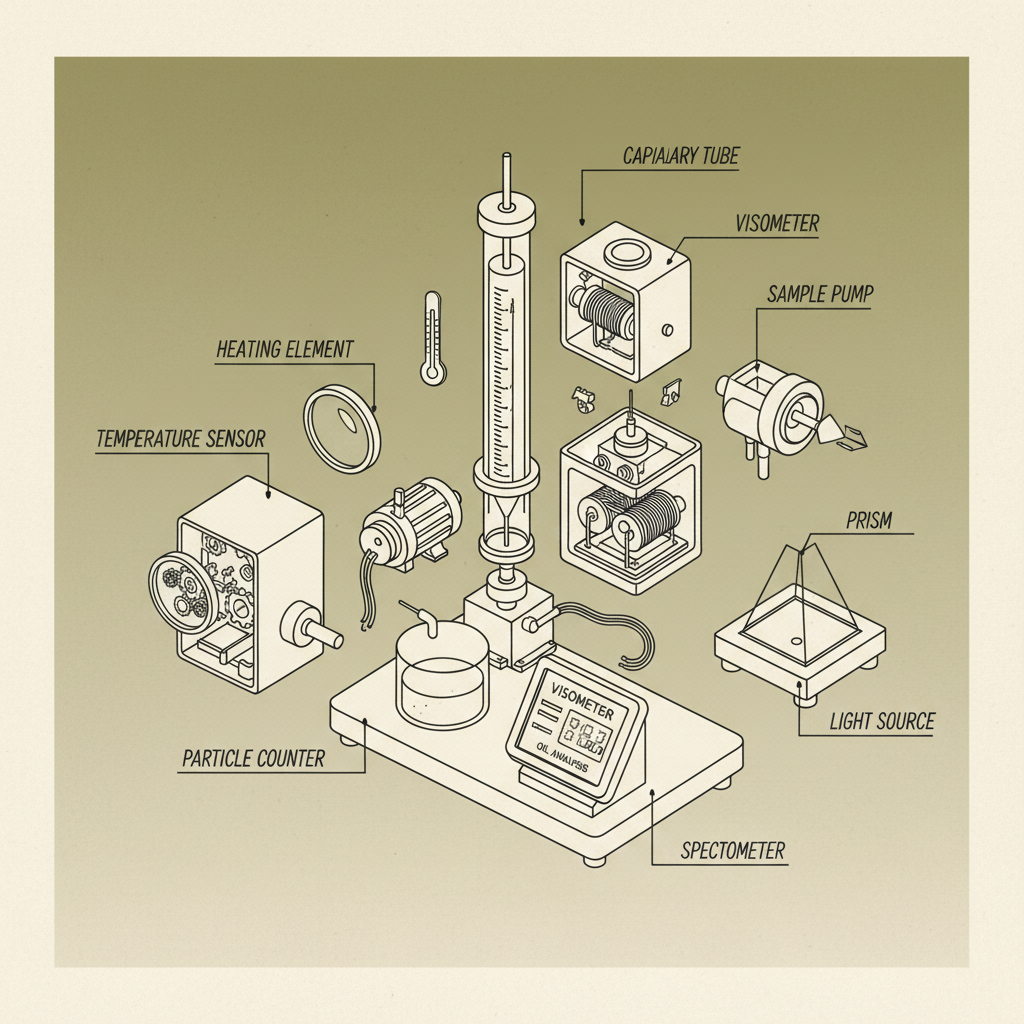
Each method has its strengths and weaknesses. Capillary viscometers are accurate but slow and require a significant sample volume. Rotational viscometers are versatile and can handle a wide range of viscosities, but can be affected by non-Newtonian fluids. Vibrational viscometers are fast and require a small sample size, but are typically less accurate. The best method depends on the specific application and the type of oil being measured.
Calibration frequency depends on the instrument’s usage and the required accuracy. As a general rule, we recommend calibrating instruments at least once a year, or more frequently if they are used heavily or in critical applications. Regular calibration ensures the measurements remain reliable and traceable to national standards. Using certified reference materials during calibration is also crucial for maintaining accuracy.
Always wear appropriate personal protective equipment (PPE), such as gloves and safety glasses, when handling oil samples. Avoid contact with hot or flammable liquids. Ensure the instrument is properly grounded to prevent static electricity buildup. Dispose of used oil samples according to local regulations. And, of course, always read and follow the manufacturer’s instructions.
Yes, wireless oil viscosity measuring instruments are becoming increasingly popular, particularly for remote monitoring applications. These instruments typically use Bluetooth or Wi-Fi to transmit data to a central monitoring system. This allows for real-time tracking of oil viscosity and can help identify potential problems before they lead to equipment failures. However, wireless instruments can be more expensive and require reliable network connectivity.
So, where does all this leave us? We’ve talked about the trends, the pitfalls, the materials, the testing, and the customization options. At the end of the day, a good oil viscosity measuring instrument is a vital tool for anyone who wants to keep their machinery running smoothly. But it’s not just about the instrument itself. It’s about understanding the oil, the application, and the limitations of the technology.
Ultimately, whether this thing works or not, the worker will know the moment he tightens the screw. And that's what really matters. If you're looking for a reliable instrument and expert advice, visit our website at www.pushtester.com