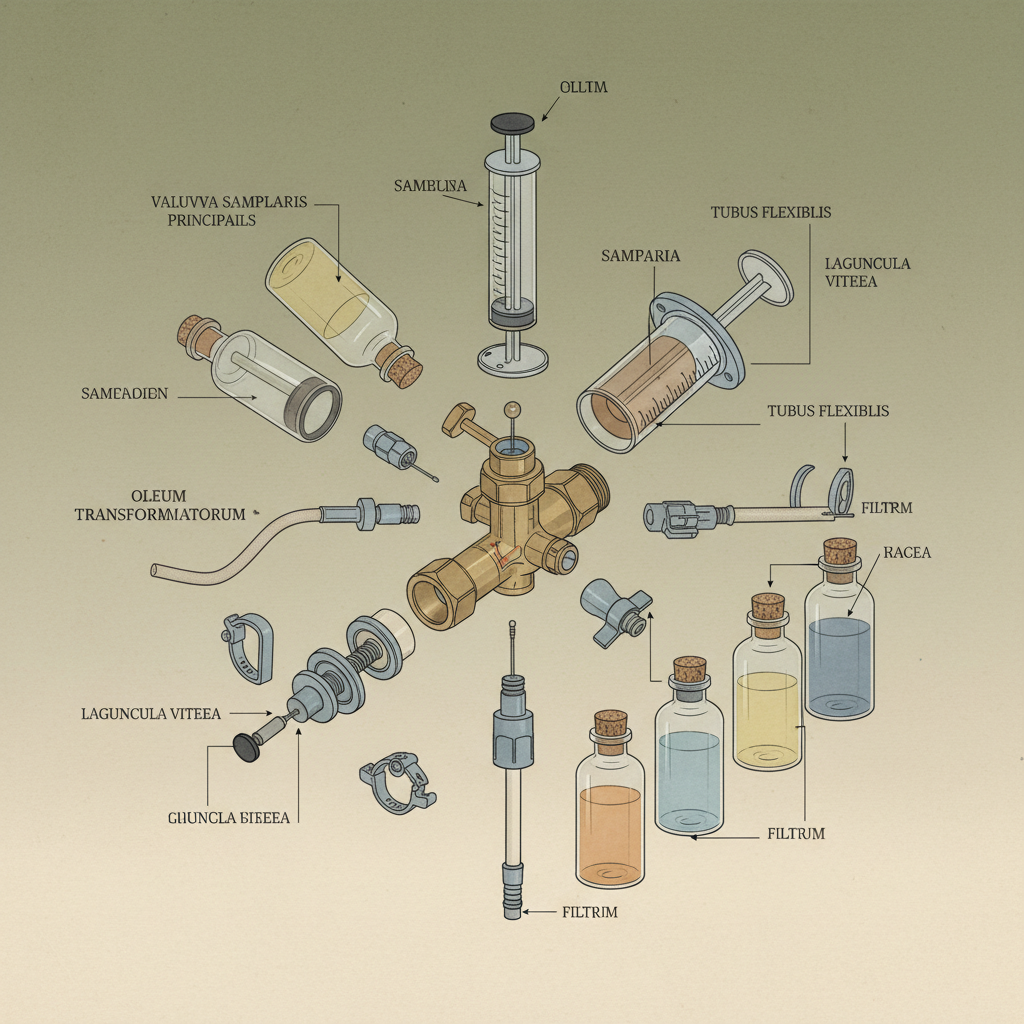
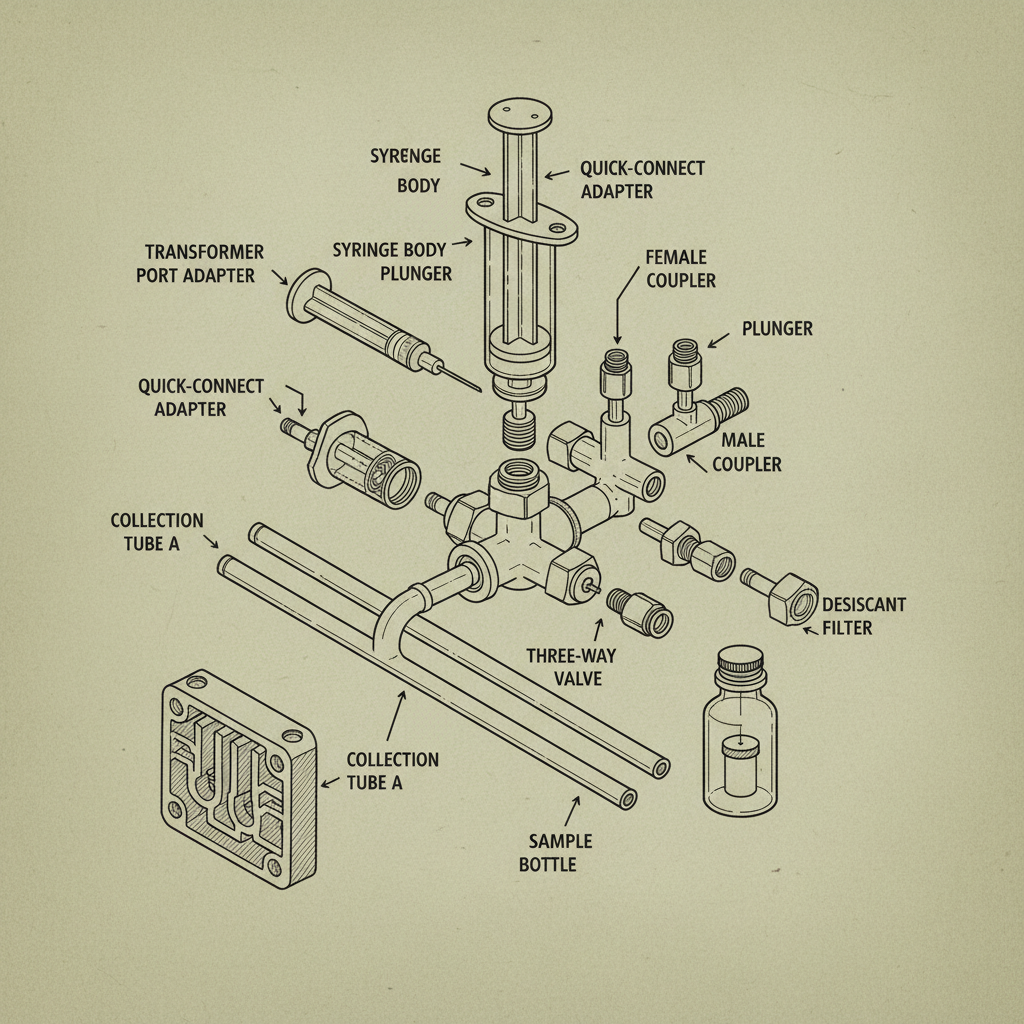
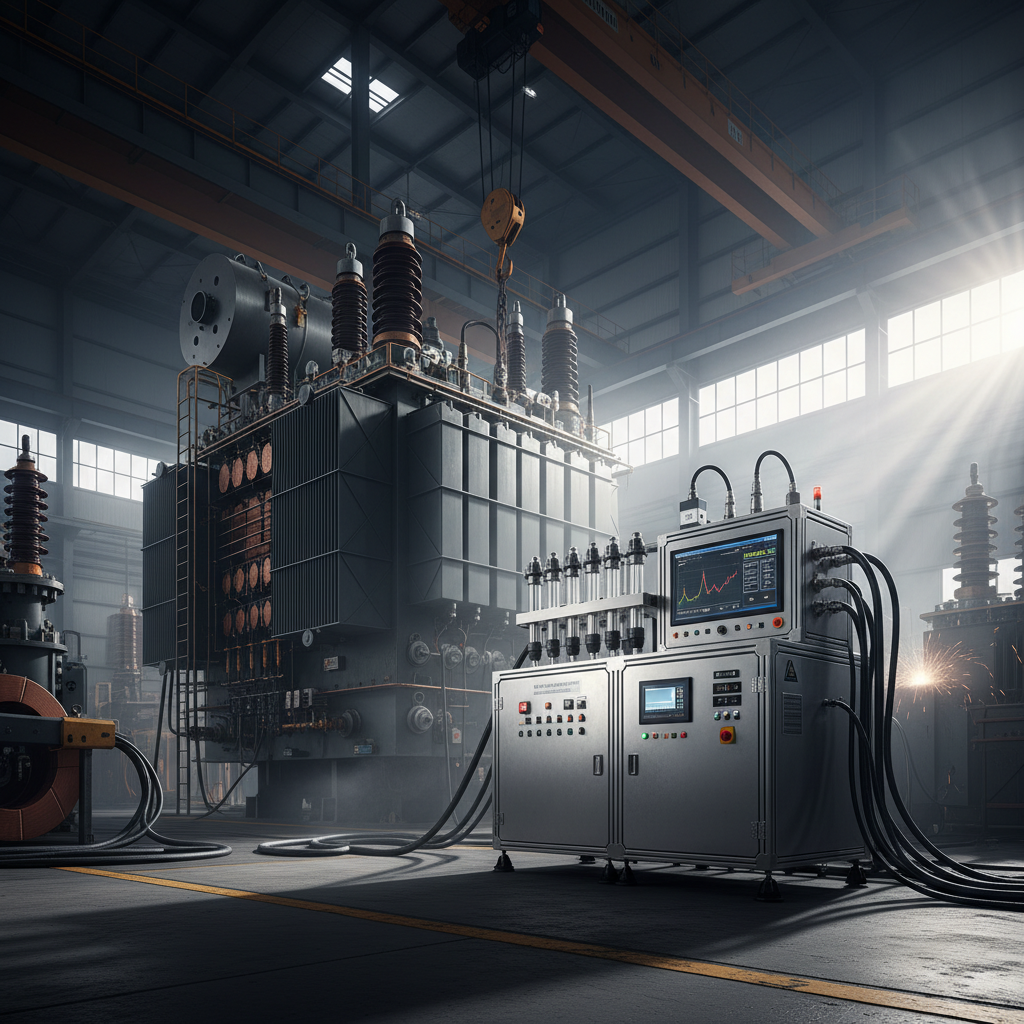
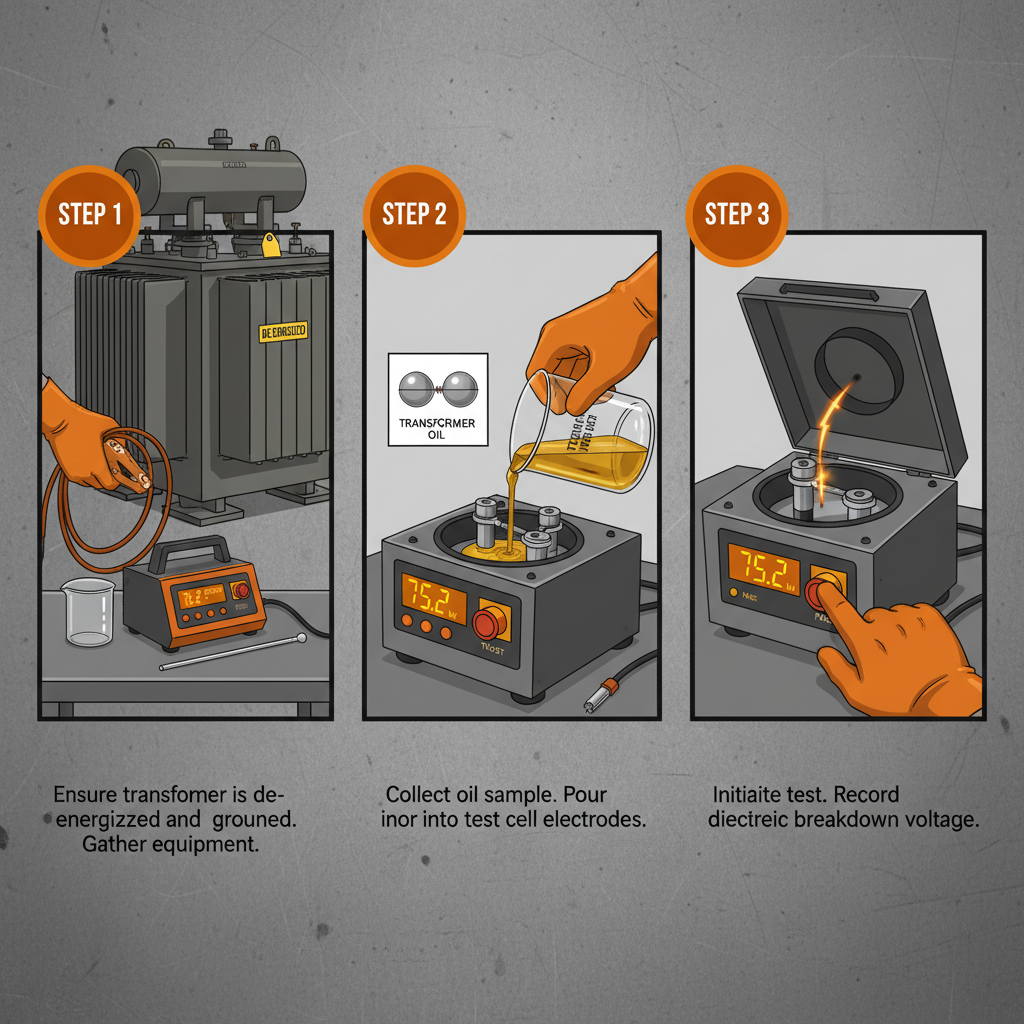
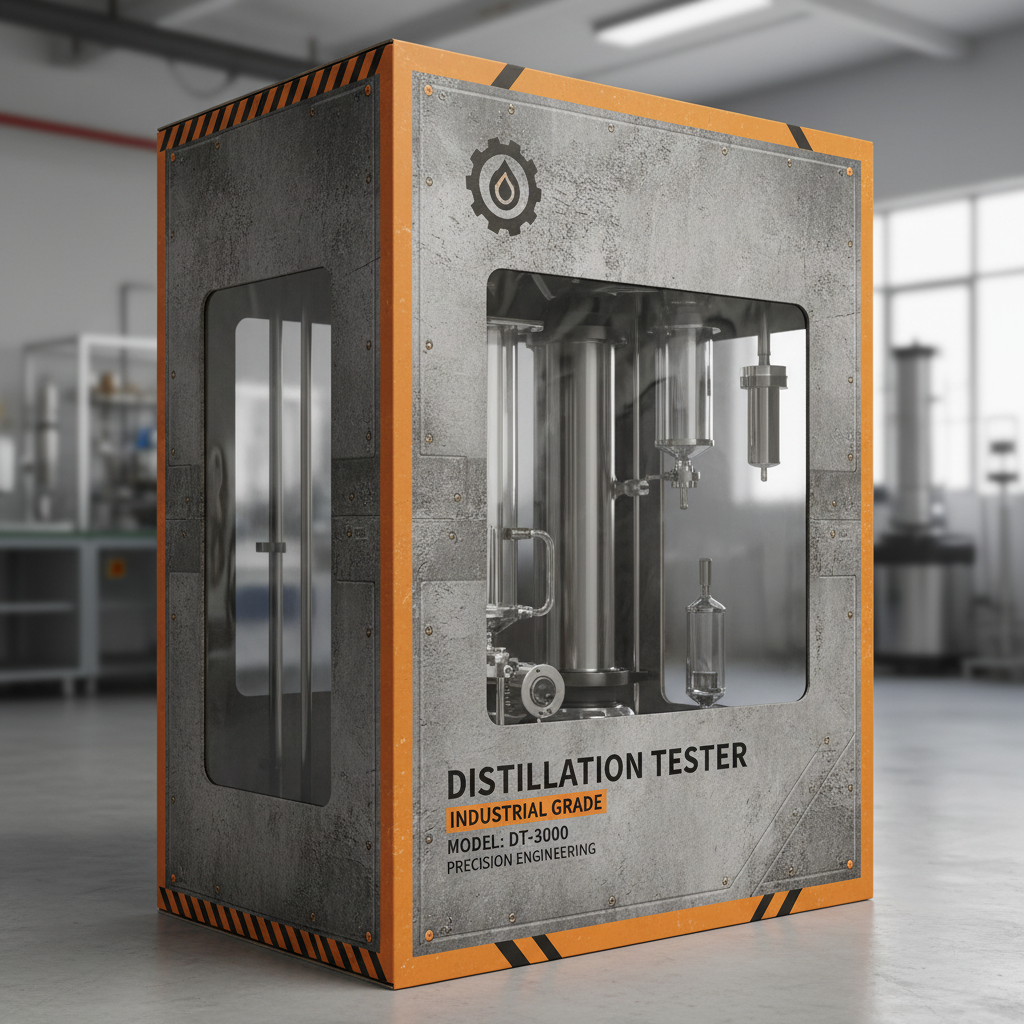
You know, these days everyone’s talking about predictive maintenance, right? It’s all the rage. But honestly, after years of crawling around inside transformer substations, I’ve seen a lot of fancy gadgets that promised the world and delivered… well, not much. It always comes down to the oil. If you can’t get a good sample, everything else is just noise. That's where a reliable transformer oil sampling kit really shines. It's a bit old-school, sure, but it’s the foundation.
What gets me is, people spend fortunes on sensors, on data analytics… but skimp on the sampling itself. Have you noticed? Like, what's the point of analyzing perfectly good data if the sample is contaminated or doesn’t represent what’s actually happening inside the transformer? I swear, I once saw a guy try to use a garden hose to get an oil sample. A garden hose! It's not just about getting oil out of the transformer, it’s about getting a representative sample.
And it’s not glamorous work, let me tell you. It’s hot, it’s dirty, and sometimes you’re dealing with oil that smells like… well, burnt dinosaurs. But it’s critical. The whole power grid depends on this stuff, and when it fails, people notice. Anyway, I think a good sampling kit should be viewed as a vital investment, not some expense to cut corners on.
The Importance of Accurate Transformer Oil Sampling
Look, it all boils down to this: the oil is the lifeblood of the transformer. You need to know what's really going on inside. A good transformer oil sampling kit isn’t just a tool; it’s a window into the health of a very expensive piece of equipment. Strangely enough, people sometimes think it's just a simple task – stick a tube in, suck some oil out. It’s much more complex than that.
It's about minimizing contamination, ensuring representative sampling at different levels within the tank, and documenting everything meticulously. I’ve seen issues arise from seemingly insignificant things – a dirty valve, a slightly damaged seal. These things can skew the results and lead to incorrect diagnoses and costly repairs.
Common Pitfalls in Transformer Oil Sampling Kit Design
To be honest, I’ve seen a lot of kits with flimsy tubing. Seriously, plastic that cracks after a few uses? What's the point? And the seals! The seals are crucial. If they don’t create a tight fit, you're introducing air and moisture, and that messes everything up. I encountered this at a power plant in Inner Mongolia last time – they were using a kit with a substandard seal, and their DGA readings were all over the place.
Another thing – the sample ports themselves. Sometimes they're in awkward locations, making it difficult to access them safely. And some kits don’t come with adequate extension tubes or adaptors. That's just poor design, in my opinion. It shows they didn’t talk to the guys who actually have to use the thing in the field.
Then there’s the issue of purge volume. You need to purge enough oil to get a representative sample, but not so much that you waste a ton of expensive dielectric fluid. Finding that sweet spot is critical, and a lot of kits don’t give you the control you need to do that.
Materials and Their Real-World Properties
Now, about the materials. You want stainless steel for anything that comes into contact with the oil. Period. No exceptions. It needs to be corrosion-resistant and compatible with the dielectric fluid. The tubing, I prefer a reinforced PTFE – it’s flexible enough to maneuver around tight spaces, but durable enough to withstand repeated use. You can actually smell the difference in quality, if you've handled enough of this stuff.
The valves… that’s where things get tricky. I've seen some made with cheap brass that corrodes quickly. You end up with tiny metal particles in the oil sample, which throws off your analysis. I always check for the material grade stamped on the valve body – it's a small detail, but it can save you a lot of headaches. And the handle – it needs to be comfortable to grip, even with gloves on. Simple, but important.
And the carrying case? It needs to be rugged, waterproof, and well-organized. A flimsy plastic case won't cut it when you’re lugging this stuff around in the back of a truck. I remember one kit I used that came in a cardboard box... cardboard! Later... Forget it, I won't mention it.
Rigorous Testing: Beyond the Lab
Lab testing is important, sure, but it doesn’t always replicate real-world conditions. We need to test these kits in the field. I like to see how they perform in different temperatures, with different types of oil, and with varying degrees of contamination.
We’ve done tests where we deliberately introduce small amounts of water and particulate matter into the oil and then use the kit to see how effectively it can collect a representative sample. It’s not glamorous, but it gives us valuable insights into the kit’s performance.
Transformer Oil Sampling Kit Performance Metrics
How Operators Actually Use Transformer Oil Sampling Kits
This is where things get interesting. You design a kit to be used a certain way, but operators will always find their own methods. I've seen guys using duct tape to secure the tubing, using rags to wipe down the sample ports, and even using their teeth to tighten valves (don’t ask!).
They often prioritize speed and convenience over strict adherence to the procedure. That's why the kit needs to be intuitive and easy to use, even for someone who’s not a trained technician. The instruction manual needs to be clear, concise, and illustrated with pictures. Nobody wants to read a 50-page manual when they're standing in a dusty substation.
Advantages and Limitations of Current Kits
The biggest advantage of a good transformer oil sampling kit is its portability and ease of use. You can take it anywhere and get a sample quickly and efficiently. But they're not perfect. They rely on the skill and diligence of the operator, and they can be susceptible to contamination if not used properly.
Another limitation is the reliance on manual sampling. It’s time-consuming and can be physically demanding. There’s a growing trend towards automated sampling systems, but those are expensive and require specialized training to operate. Honestly, I'm not sure they're worth the investment for most applications.
Customization Options and Practical Examples
I'm a big believer in customization. One size doesn’t fit all. Last month, that small boss in Shenzhen who makes smart home devices insisted on changing the interface to , and the result was… a nightmare. The connector kept falling off, and he wasted a whole day troubleshooting it. But hey, at least he learned a lesson.
We can adapt kits with different tubing lengths, valve configurations, and sample port adaptors to meet specific customer needs. We even had a request for a kit with a built-in GPS tracker, so the operator could easily locate the sampling points. It seemed a bit overkill, but hey, if the customer wants it…
For example, for a particularly sensitive application, we designed a kit with a double-sealed valve and a purge volume indicator to minimize the risk of contamination. It cost more, but it gave the customer peace of mind.
A Simple Comparison of Transformer Oil Sampling Kit Features
| Kit Model |
Portability |
Contamination Control |
Ease of Use |
| Kit Alpha |
8/10 |
6/10 |
7/10 |
| Kit Beta |
7/10 |
9/10 |
6/10 |
| Kit Gamma |
9/10 |
7/10 |
8/10 |
| Kit Delta |
6/10 |
8/10 |
5/10 |
| Kit Epsilon |
7/10 |
7/10 |
7/10 |
| Kit Zeta |
8/10 |
8/10 |
9/10 |
FAQS
Honestly, it’s not purging enough oil. They take a quick sample without flushing out the old stuff, and then wonder why their analysis is inaccurate. You need to get a representative sample from within the transformer, not just the oil sitting in the tap. It’s vital to completely purge the sample port before drawing a sample, and the amount needed depends on the size of the port and the transformer. A quick grab is never enough.
That depends on a lot of factors – the age of the transformer, the load it’s carrying, the environmental conditions. But as a general rule of thumb, I’d say at least once a year. If you have a critical transformer or one that’s operating under heavy load, you might want to sample it more frequently. It's better to be proactive than reactive, you know?
You absolutely need to use clean, amber glass bottles. Plastic can leach contaminants into the oil, and clear glass will allow UV light to degrade the sample. The bottles should be airtight to prevent oxidation and moisture ingress. And always label them clearly with the transformer ID, date, and time of sampling. Don't skimp on the containers, seriously.
If you suspect contamination, discard the sample and take another one. There's no point in analyzing a compromised sample. Pay close attention to cleanliness throughout the entire process – wipe down the sample port, use clean tubing, and avoid touching the inside of the sample container. Contamination can lead to inaccurate results and incorrect diagnoses.
It's possible, but not ideal. You need to thoroughly clean and decontaminate the kit between each use to prevent cross-contamination. That means disassembling it, washing all the components with a suitable solvent, and then drying it completely. If you're not diligent about cleaning, you risk introducing contaminants from one transformer to another.
Transformer oil can be hazardous. Wear appropriate personal protective equipment (PPE) – gloves, safety glasses, and a lab coat. Avoid contact with skin and eyes. Work in a well-ventilated area. And be mindful of electrical hazards – always follow proper lockout/tagout procedures before sampling. Safety first, always.
Conclusion
So, there you have it. A transformer oil sampling kit is much more than just a collection of tubes and valves. It’s a vital tool for ensuring the reliability and longevity of your transformers. It’s about attention to detail, understanding the materials, and following best practices. The trends in predictive maintenance are great, but they're useless without a solid foundation.
Ultimately, whether this thing works or not, the worker will know the moment he tightens the screw. If it feels right, the sample is good. If it feels wrong, he knows something isn't right, and he’ll take another shot. That’s the real test. And that’s why experience matters. Visit our website at www.pushtester.com to learn more about our range of transformer oil sampling kits and services.
 English