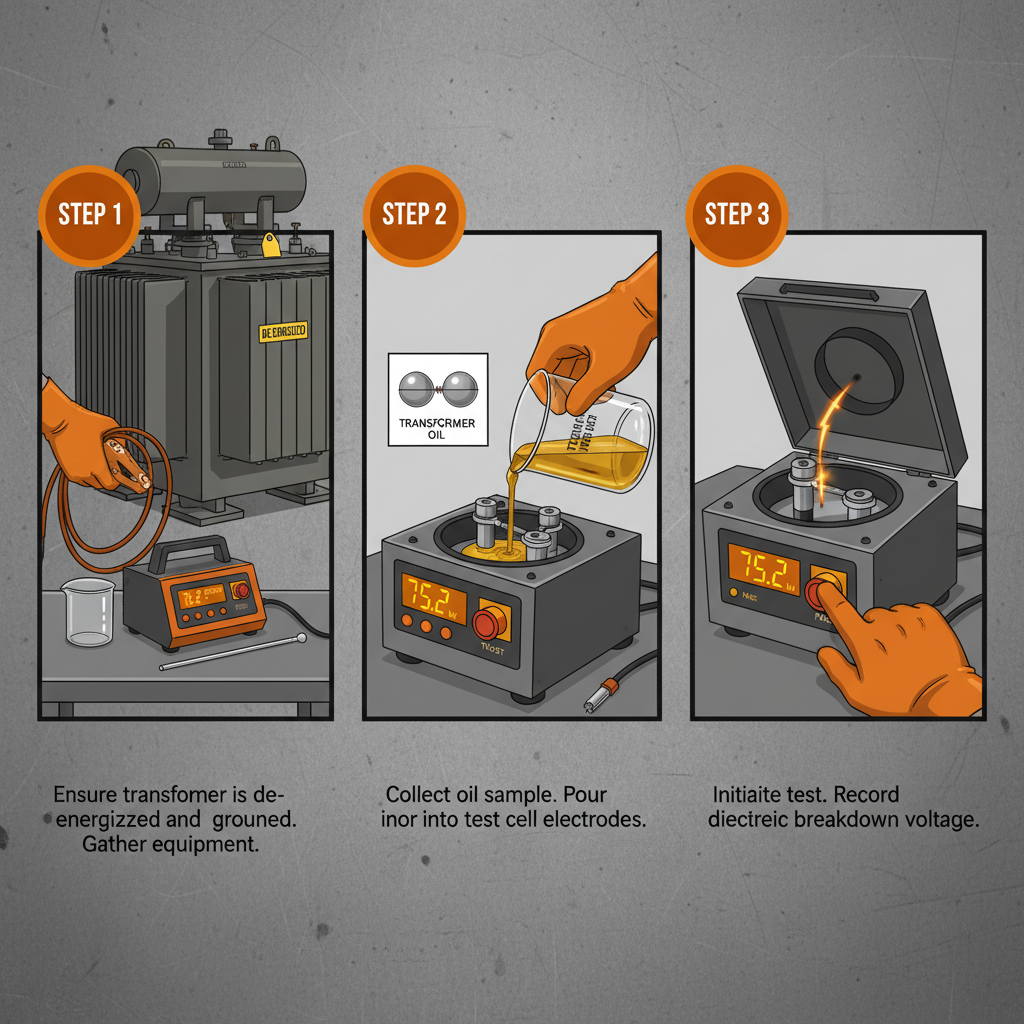
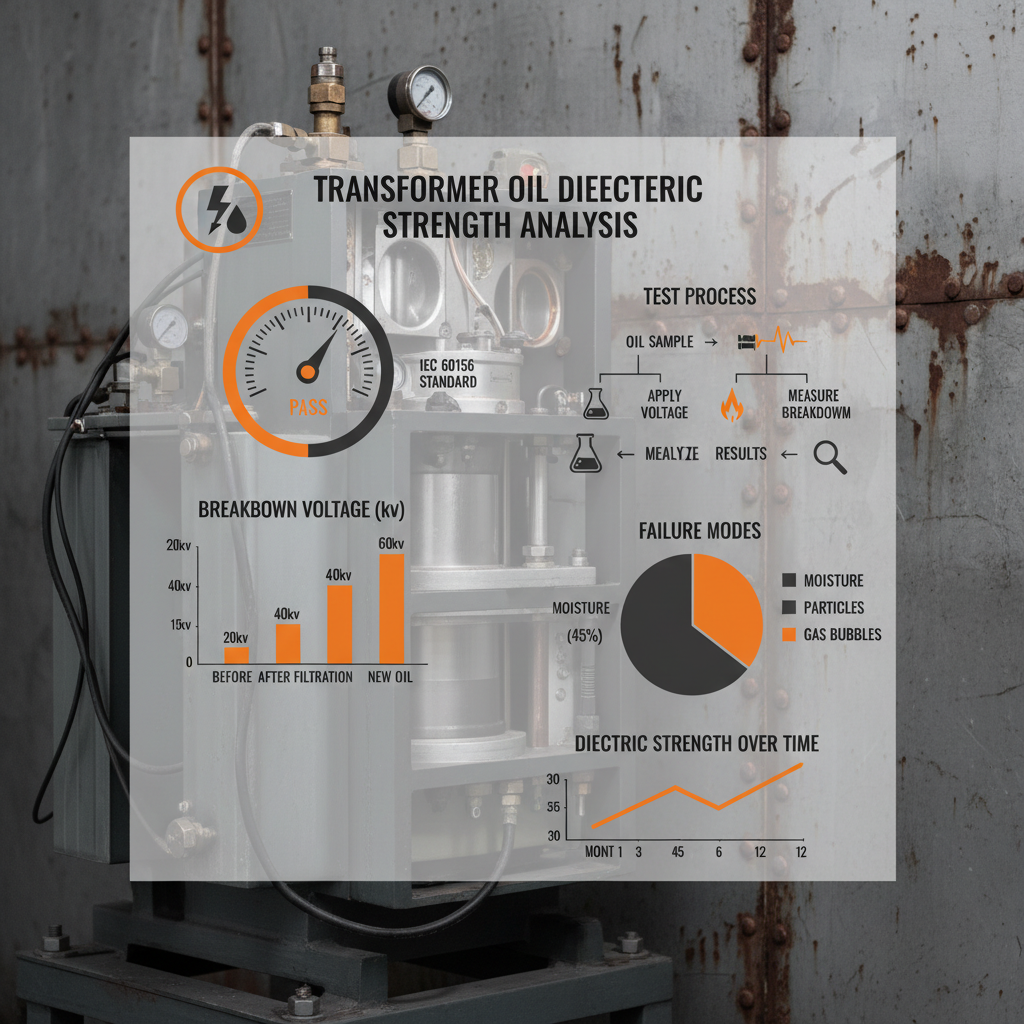
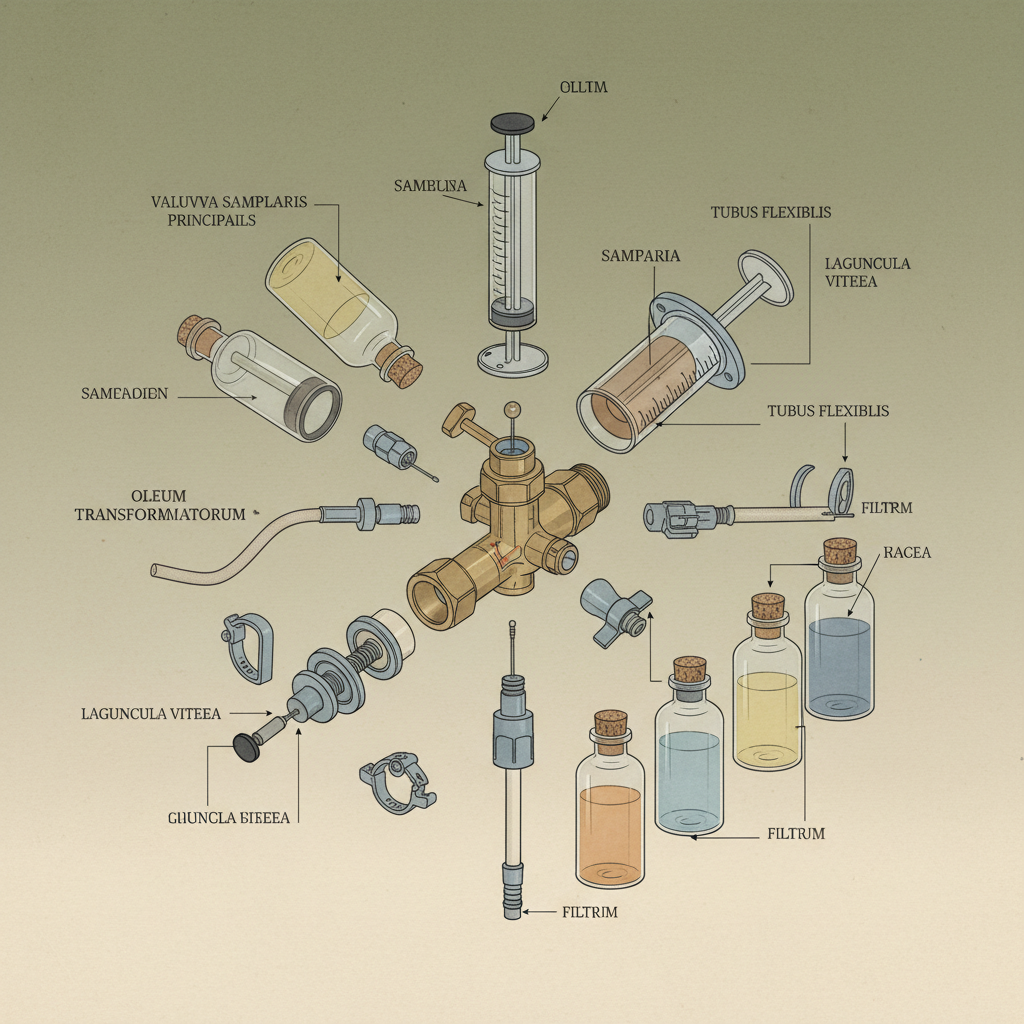
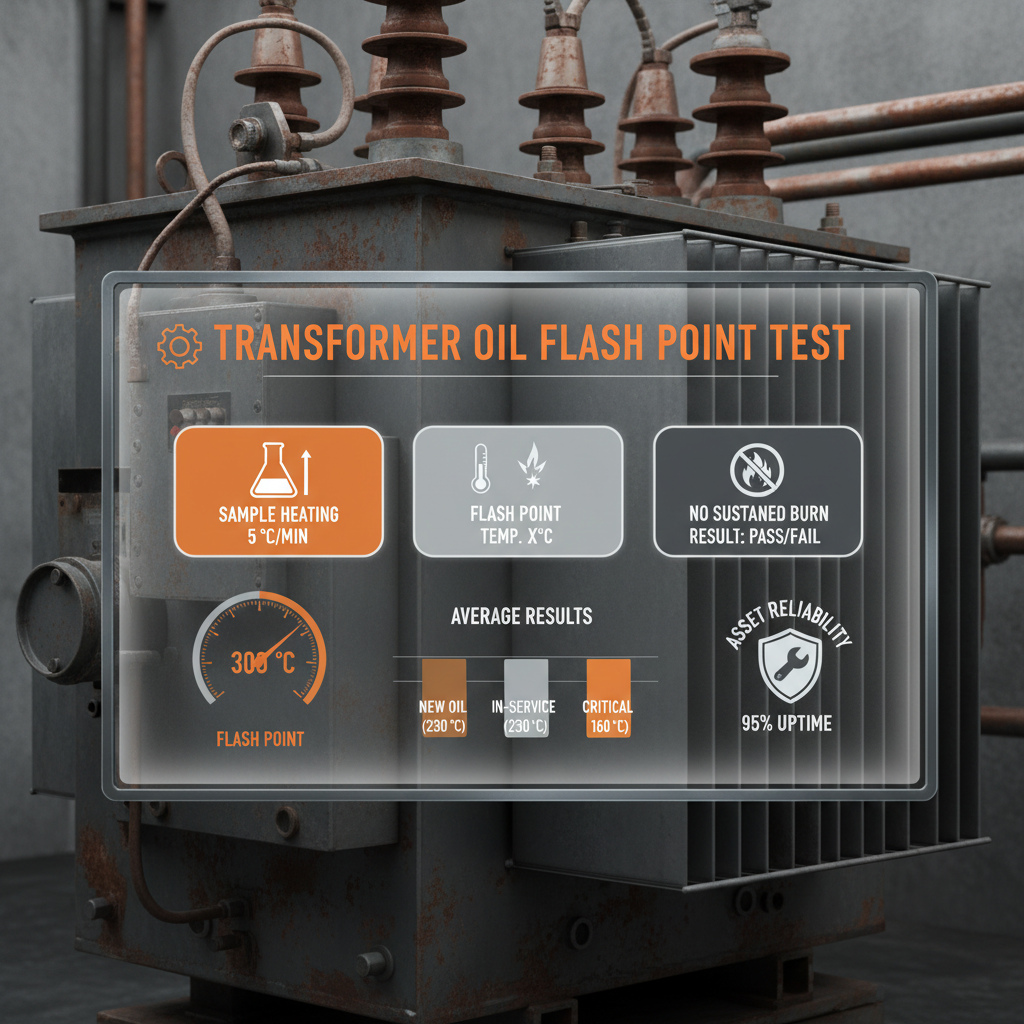
Transformer oil dielectric testing is a crucial maintenance practice for ensuring the reliable operation of electrical transformers. This testing assesses the insulating properties of the oil, which is essential for preventing electrical breakdowns and extending the lifespan of these critical power grid components. The significance of transformer oil dielectric test lies in its ability to detect contamination, moisture, and the presence of dissolved gases within the oil, all indicators of potential issues that could lead to catastrophic failure.
Globally, the demand for efficient and dependable power transmission is constantly increasing. As power grids modernize and expand, the role of robust transformer maintenance becomes even more vital. Failure of a transformer can lead to significant economic losses, widespread power outages, and potential safety hazards. Therefore, regular transformer oil dielectric test are a cornerstone of preventative maintenance programs across industries worldwide.
The implementation of robust transformer oil dielectric test programs is increasingly driven by regulatory standards and the need to optimize asset management. This proactive approach not only minimizes downtime but also contributes to the long-term sustainability and efficiency of power infrastructure. Effective testing allows for timely interventions, reducing the risk of costly repairs or replacements.
Introduction to Transformer Oil Dielectric Test
Regular transformer oil dielectric testing is paramount for maintaining the health and extending the life of electrical transformers. The test provides a critical assessment of the oil's ability to insulate and dissipate heat, preventing internal arcing and insulation failure. This proactive maintenance practice is an essential component of any comprehensive electrical asset management strategy.
The process helps identify the presence of contaminants, moisture, and dissolved gases within the oil, which can significantly compromise its dielectric strength. Early detection of these issues allows for timely interventions such as oil filtration, drying, or replacement, preventing costly repairs or potentially catastrophic equipment failures.
Defining Transformer Oil Dielectric Testing
Transformer oil dielectric testing refers to a series of tests performed on the insulating oil used in transformers to determine its ability to withstand electrical stress without breaking down. This involves measuring parameters such as dielectric strength, dissipation factor (tan delta), and resistivity. These tests indicate the oil's insulating capacity and the potential for electrical failures.
The purpose of these tests is to ensure that the oil maintains its protective properties, preventing short circuits and arcing within the transformer. A compromised dielectric strength can lead to partial discharge, overheating, and ultimately, transformer failure. A consistent transformer oil dielectric test program is, therefore, vital for protecting valuable electrical assets.
This is directly linked to modern industrial needs as power demands grow and the consequences of outages become more significant. Efficient and reliable power delivery is the backbone of numerous industries, and consistent transformer performance, verified through dielectric testing, is indispensable.
Core Components of Dielectric Testing
Several key factors influence the effectiveness of transformer oil dielectric test and the interpretation of results. These components work together to provide a comprehensive assessment of the oil’s condition and the transformer’s overall health. The most vital parameter is the Breakdown Voltage, which measures the maximum voltage the oil can withstand before failing.
The Dissipation Factor (tan delta) indicates the energy lost within the oil due to polarization and conductivity. Elevated values can signify contamination or moisture. Resistivity measures the oil’s resistance to electrical current and is a key indicator of oil purity. Finally, the water content is also crucial; even small amounts of water can dramatically reduce dielectric strength.
These parameters directly relate to practical applications. For instance, a low breakdown voltage necessitates oil filtration or replacement, preventing immediate failure. An elevated dissipation factor might prompt further investigation into the source of contamination. Accurate interpretation of these results is critical for informed maintenance decisions. transformer oil dielectric test
Proper testing procedures, calibrated equipment, and adherence to industry standards (such as IEC 60422) are also critical components. The quality of the test results hinges on the precision and reliability of the testing process itself. A well-defined testing protocol ensures consistent and comparable data over time.
Global Applications and Use Cases
Transformer oil dielectric test is universally applied across all sectors that rely on electrical transformers. This includes power generation plants, transmission and distribution utilities, industrial facilities, and even renewable energy installations. In the power generation sector, testing ensures the reliability of step-up and step-down transformers.
Transmission and distribution utilities utilize these tests to maintain the integrity of their high-voltage networks, preventing widespread outages. Industrial facilities, particularly those with continuous manufacturing processes, rely on transformers for uninterrupted power supply, and therefore, invest heavily in regular dielectric testing.
Transformer Oil Dielectric Test Methods Comparison
Advantages and Long-Term Value
The advantages of regular transformer oil dielectric test are significant. Reduced downtime is a key benefit, as proactive maintenance prevents unexpected failures. This translates to cost savings by avoiding expensive emergency repairs and lost production time. Furthermore, extending the lifespan of transformers through consistent maintenance represents a substantial long-term financial advantage.
From a sustainability perspective, maintaining existing equipment is inherently more environmentally friendly than replacing it. This reduces the demand for new manufacturing, conserving resources and minimizing waste. These tests enhance grid reliability, improving the safety and quality of power supply for consumers and industrial users.
Future Trends and Innovations
Future trends in transformer oil dielectric test are geared towards increased automation, real-time monitoring, and advanced data analytics. The integration of sensors and IoT devices allows for continuous oil condition monitoring, providing early warnings of potential issues. Artificial intelligence (AI) and machine learning (ML) are being applied to analyze test data, predict future failures, and optimize maintenance schedules.
New oil formulations with enhanced dielectric properties and improved biodegradability are also being developed. These innovations contribute to both the sustainability and reliability of transformer operations, aligning with the growing emphasis on green energy and environmental responsibility.
Challenges and Solutions
One common challenge is ensuring consistent testing procedures and accurate data interpretation across different facilities and personnel. Standardization of testing protocols and comprehensive training programs are essential to address this issue. Another challenge is the cost of specialized testing equipment and qualified technicians.
Solutions include the development of more affordable and portable testing devices, as well as remote diagnostics services that leverage expertise from centralized locations. Furthermore, cloud-based data management platforms can facilitate data sharing and collaboration, improving the overall efficiency of transformer maintenance programs.
Summary of Challenges and Solutions in Transformer Oil Dielectric Testing
| Challenge |
Impact on Testing |
Proposed Solution |
Implementation Cost (1-10) |
| Inconsistent Testing Protocols |
Variable Data Accuracy |
Standardized IEC 60422 Protocols |
3 |
| Lack of Qualified Personnel |
Misinterpretation of Results |
Comprehensive Training Programs |
6 |
| High Equipment Costs |
Limited Access to Testing |
Portable & Affordable Devices |
7 |
| Data Management Complexity |
Difficult Trend Analysis |
Cloud-Based Data Platforms |
5 |
| Oil Contamination Sources |
Reduced Dielectric Strength |
Regular Oil Filtration |
4 |
| Aging Transformer Components |
Increased Failure Risk |
Predictive Maintenance using AI |
8 |
FAQS
The frequency of transformer oil dielectric testing depends on factors such as transformer age, operating conditions, and industry regulations. Generally, a first test is recommended within the first year of operation, followed by periodic testing every 12-36 months. Critical transformers or those operating under stressful conditions may require more frequent testing. Regularly scheduled tests help identify deterioration trends and prevent unexpected failures.
A low dielectric strength reading signifies a compromised ability of the oil to insulate against electrical stress. This is often caused by contamination from moisture, particulate matter, or the presence of dissolved gases. It can also indicate oil degradation or the presence of internal arcing within the transformer. A low reading necessitates further investigation and potential oil replacement.
Dielectric strength measures the maximum voltage the oil can withstand before breakdown, while dissipation factor (tan delta) indicates the energy lost within the oil due to polarization and conductivity. Low dielectric strength means the oil is close to failure, while a high dissipation factor suggests contamination or degradation. Both parameters provide valuable insights into oil condition, but they measure different aspects of its performance.
Transformer oil dielectric testing involves high voltages, requiring strict adherence to safety protocols. Qualified personnel should perform the tests, wearing appropriate personal protective equipment (PPE), including insulated gloves and footwear. The testing area must be clearly demarcated and access restricted. Proper grounding procedures are essential to prevent electrical hazards. Always follow manufacturer’s instructions and industry safety standards.
Moisture significantly reduces transformer oil dielectric strength. Water molecules have a lower dielectric strength than oil and create conductive paths, increasing the risk of electrical breakdown. Even small amounts of moisture can drastically lower the oil's insulating capacity. Regular testing for water content and drying the oil when necessary are crucial for maintaining reliable transformer operation.
Transformer oil can often be reconditioned through filtration, drying, and degassing processes to remove contaminants and restore its dielectric properties. However, if the oil is severely degraded or contaminated beyond repair, replacement is necessary. The decision to recondition or replace depends on the severity of the oil's condition and the cost-effectiveness of each option. A thorough oil analysis is crucial for making an informed decision.
Conclusion
Transformer oil dielectric testing stands as a critical component of modern power system maintenance, ensuring the reliability and longevity of vital electrical infrastructure. By consistently monitoring the insulating properties of transformer oil, potential issues are identified and addressed proactively, preventing costly failures and maintaining grid stability. This proactive approach contributes to both economic efficiency and improved safety.
Looking ahead, advancements in automated testing and data analytics will continue to enhance the effectiveness of dielectric testing programs. Investing in these technologies, coupled with comprehensive training for personnel, will be crucial for navigating the evolving demands of the power industry and ensuring a sustainable and resilient energy future. To learn more about our comprehensive dielectric testing services, visit our website: www.pushtester.com
 English