Transformer oil dielectric strength testing is a critical maintenance procedure for ensuring the reliable operation of electrical transformers. This test assesses the oil's ability to withstand electrical stress, identifying potential insulation failures before they lead to costly downtime or equipment damage. The increasing demand for stable and efficient power grids globally makes accurate and regular transformer oil dielectric strength test procedures paramount.
Globally, the power sector is undergoing significant expansion, driven by population growth, industrialization, and the integration of renewable energy sources. This expansion necessitates a robust and dependable infrastructure, and transformer oil plays a crucial role in ensuring that dependability. Degradation of transformer oil can have significant economic consequences, including power outages, equipment failure, and the need for costly repairs.
Regular transformer oil dielectric strength testing, along with other oil quality analyses, contributes to grid stability, minimizes operational risks, and extends the lifespan of expensive transformer assets. The benefits extend beyond purely economic factors, impacting public safety and the continuity of essential services.
Introduction to Transformer Oil Dielectric Strength Testing
The importance of maintaining the integrity of transformer oil cannot be overstated. Its primary function is to insulate and cool the transformer’s core and windings, preventing short circuits and overheating. A comprehensive transformer oil dielectric strength test program is essential for proactively identifying and addressing oil degradation, contamination, and potential failure points.
Regular testing provides valuable insights into the oil's condition and allows for timely interventions, such as oil filtration, replacement, or refurbishment. This preventative approach significantly reduces the risk of unplanned outages, minimizes repair costs, and extends the operational life of the transformer, contributing to a more reliable and sustainable power supply.
Defining Transformer Oil Dielectric Strength Test
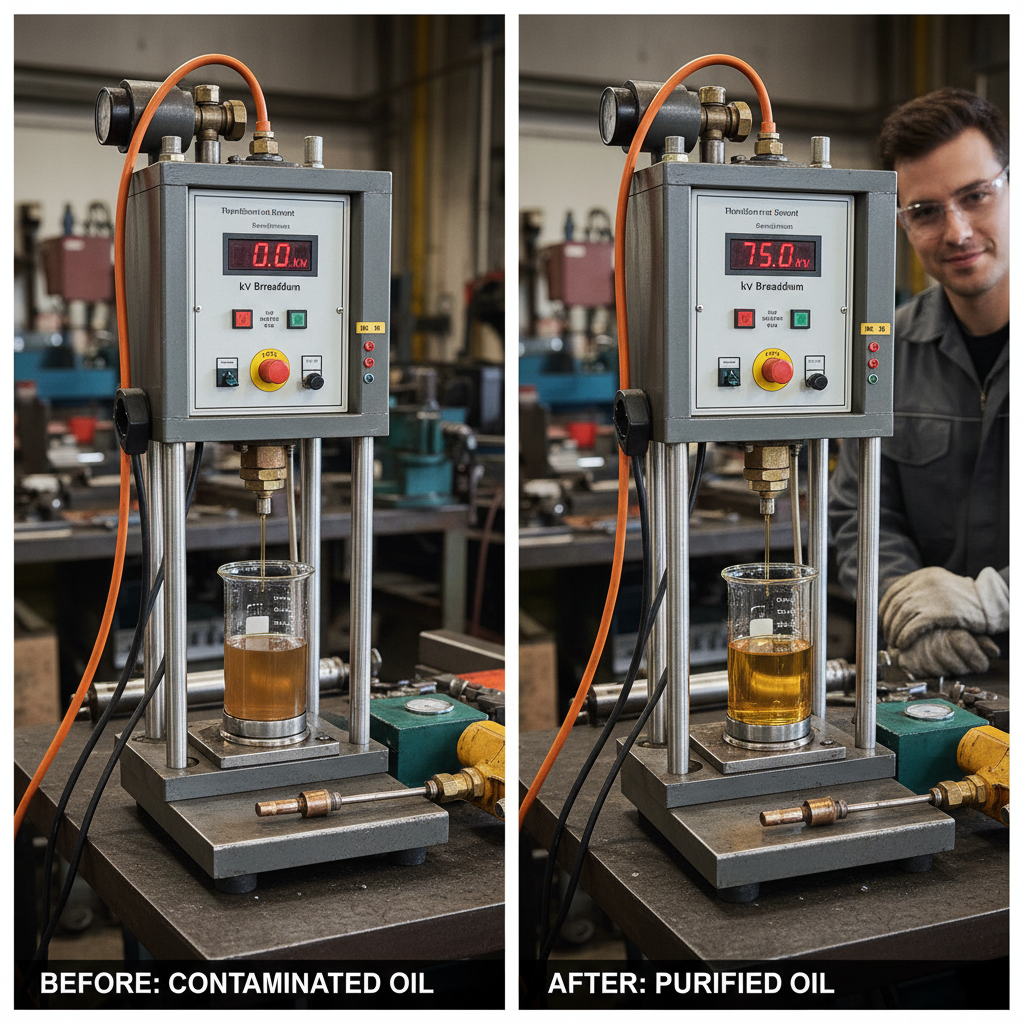
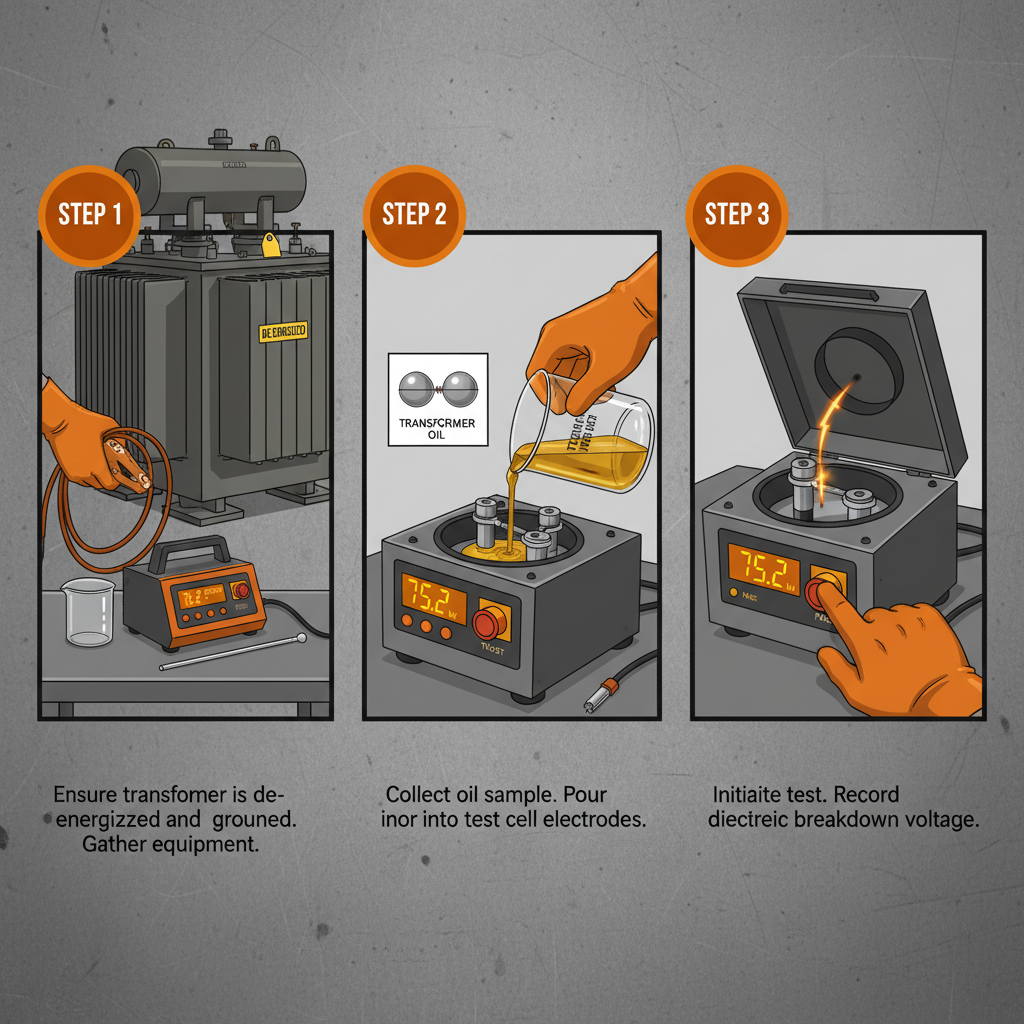
A transformer oil dielectric strength test is a standardized procedure used to determine the voltage that transformer oil can withstand before breakdown occurs. This breakdown is characterized by the formation of an arc across a standardized gap within the oil, indicating a loss of its insulating properties. The test is typically performed using a standardized test cell and high-voltage equipment.
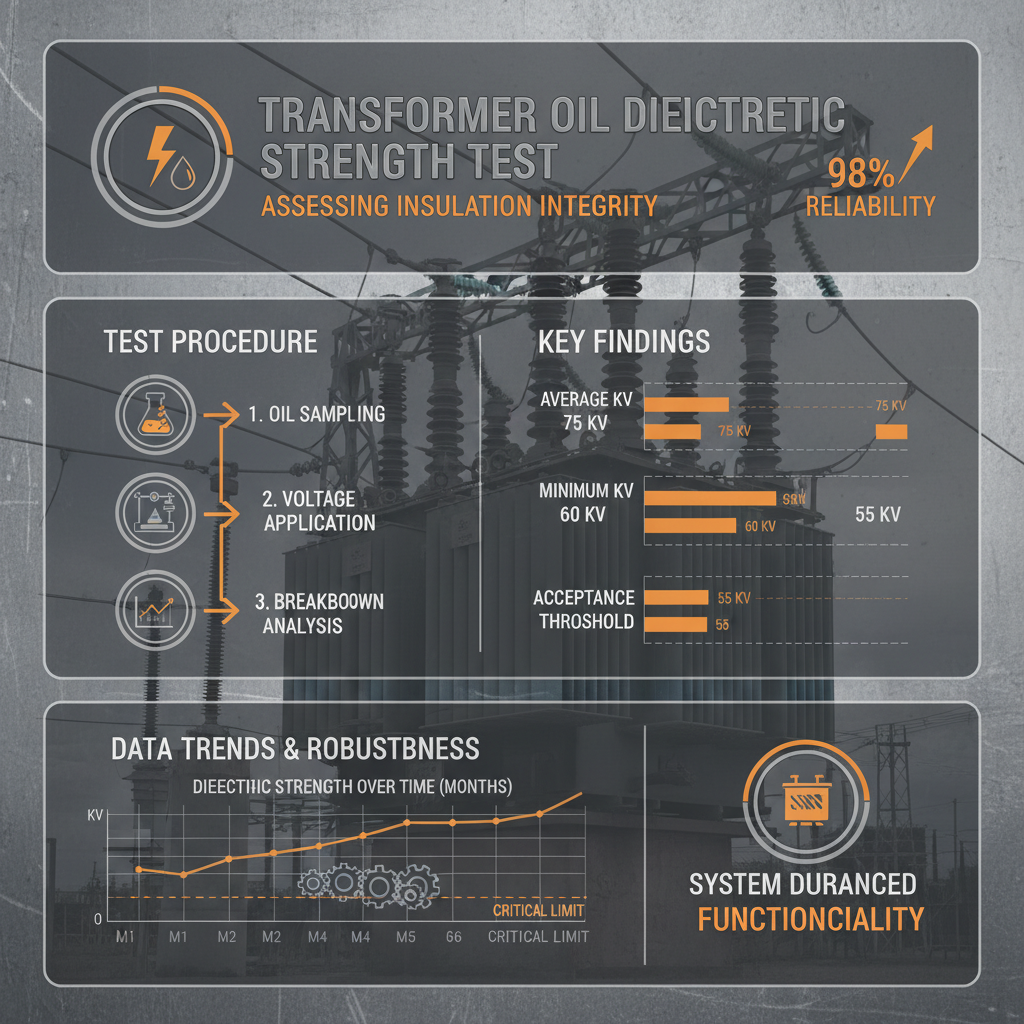
The results are expressed in kilovolts (kV) and represent the oil’s ability to resist electrical stress. A higher dielectric strength indicates better insulating properties. The test provides a crucial benchmark for assessing the oil's suitability for continued service and identifying potential contamination or degradation.
This test directly connects to modern industrial needs, ensuring the efficient and safe delivery of electricity to homes and businesses. In an increasingly interconnected world, reliability of power infrastructure is paramount for economic stability and the functioning of critical services.
Key Factors Influencing Dielectric Strength
Several factors can influence the dielectric strength of transformer oil. Moisture content is arguably the most significant, as even small amounts of water can dramatically reduce the oil’s ability to withstand voltage stress. Contaminants like particulate matter, oxidation byproducts, and dissolved gases also contribute to a decrease in dielectric strength.
Oil age and oxidation levels are also critical. Over time, oil degrades due to thermal and electrical stress, forming sludge and acids that compromise its insulating properties. The type of oil itself—mineral oil, synthetic esters, or silicone oil—affects its inherent dielectric strength, with synthetic oils generally offering superior performance.
Temperature plays a role; dielectric strength typically decreases as temperature increases. Finally, the presence of dissolved gases, like oxygen and nitrogen, can contribute to oil degradation and reduce its ability to withstand electrical stress. Regularly monitoring these factors is vital for effective transformer oil dielectric strength test analysis.
Global Applications and Use Cases
Transformer oil dielectric strength testing is universally applied across all sectors utilizing high-voltage transformers. This includes power generation facilities (hydro, thermal, nuclear, renewable), transmission and distribution networks, industrial plants, and even large commercial buildings with dedicated substations.
In regions with aging infrastructure, such as parts of Europe and North America, regular testing is crucial for preventing widespread outages and maintaining grid reliability. Developing nations, experiencing rapid industrial growth, rely heavily on accurate testing to ensure the efficient and safe operation of their expanding power systems.
Organizations like utilities, independent power producers (IPPs), and industrial facilities all benefit from robust testing programs. In remote industrial zones, where access to specialized repair services is limited, proactive testing becomes even more critical, minimizing downtime and ensuring operational continuity.
Transformer Oil Dielectric Strength Test Methods Comparison
Advantages and Long-Term Value
Implementing a robust transformer oil dielectric strength test program offers significant cost savings by preventing catastrophic failures and extending the lifespan of transformers. This reduces capital expenditure on replacement equipment and minimizes production losses due to unplanned outages.
From a sustainability perspective, proactive maintenance reduces the environmental impact associated with transformer failures, such as oil spills and the release of greenhouse gases. The increased reliability translates into a more stable and secure power supply, contributing to public safety and economic growth.
Future Trends & Innovations
Future trends include the development of more sophisticated online monitoring systems that continuously assess oil dielectric strength and other critical parameters. These systems provide real-time data and enable predictive maintenance, optimizing transformer performance and preventing failures.
Automation and data analytics are playing an increasingly important role, with algorithms used to identify patterns and predict potential issues. The use of alternative insulating fluids, such as ester oils and synthetic fluids, is also gaining traction due to their superior environmental characteristics and improved dielectric properties.
Challenges & Solutions in Dielectric Testing
One challenge is ensuring accurate and consistent test results, as variations in testing procedures and equipment can lead to discrepancies. Standardization and regular calibration of testing equipment are essential to address this issue.
Another challenge is interpreting test results in the context of other oil quality parameters. A low dielectric strength reading may indicate multiple underlying problems, requiring further investigation. Expert analysis and a holistic approach to oil condition monitoring are crucial.
The increasing complexity of transformer designs also poses a challenge, requiring specialized testing techniques and expertise. Investment in training and the adoption of advanced testing methodologies are necessary to overcome these obstacles.
Summary of Transformer Oil Dielectric Strength Test Analysis Parameters
| Parameter |
Unit |
Acceptable Range |
Impact of Deviation |
| Dielectric Strength |
kV |
>30 |
Increased risk of breakdown and failure. |
| Moisture Content |
ppm |
|
Reduced dielectric strength, increased corrosion. |
| Dissolved Gas Levels (Total) |
ppm |
|
Indicates oil degradation or winding issues. |
| Acidity (Neutralization Number) |
mg KOH/g |
|
Indicates oxidation and oil degradation. |
| Interfacial Tension |
mN/m |
>30 |
Indicates presence of contaminants and degradation products. |
| Color |
ASTM Scale |
|
Indicates oxidation and contamination. |
FAQS
The frequency of testing depends on the transformer's age, loading, and operating environment. Typically, new transformers are tested upon commissioning. Subsequently, annual testing is recommended for critical transformers, while less critical units may be tested every 2-3 years. Changes in load or unusual operating conditions may necessitate more frequent testing. Regular analysis ensures that potential issues are identified before they escalate.
A low dielectric strength reading often indicates the presence of moisture, contaminants (particulate matter, oxidation byproducts), or degraded oil. It can also signal internal arcing or winding insulation breakdown. Further investigation, including dissolved gas analysis and other oil quality tests, is crucial to determine the root cause. Addressing the underlying issue is vital to prevent transformer failure.
Yes, transformer oil can often be reconditioned to restore its dielectric strength. Oil filtration removes particulate matter and moisture, while degassing removes dissolved gases. For severely degraded oil, regeneration processes can remove oxidation byproducts and restore the oil's original properties. Reconditioning can be a cost-effective alternative to complete oil replacement.
High voltages are involved in dielectric strength testing, so strict safety precautions must be followed. Only qualified personnel should perform the test, ensuring proper grounding, insulation, and adherence to safety protocols. The test area must be clearly marked and access restricted during the test. Personal protective equipment (PPE), including insulated gloves and safety glasses, is essential.
Breakdown voltage is the actual voltage at which the oil fails during a test, while dielectric strength is a standardized value representing the oil’s insulating capability under specific conditions. Dielectric strength is determined through standardized tests, while breakdown voltage is a direct measurement from a single test. The dielectric strength is generally a more reliable indicator of oil quality.
Different oil types exhibit varying inherent dielectric strengths. Mineral oil is the most common, with a typical dielectric strength around 30-40 kV. Synthetic ester oils generally offer higher dielectric strength (40-60kV) and improved oxidation resistance. Silicone oils have even higher dielectric strengths but are more expensive and used in specialized applications. Selecting the appropriate oil type is crucial for optimal performance.
Conclusion
In conclusion, regular transformer oil dielectric strength test procedures are a cornerstone of reliable power system operation. By proactively assessing the oil’s insulating capabilities, utilities and industries can prevent costly failures, extend equipment lifespan, and ensure a stable energy supply. The benefits extend beyond economic considerations to encompass environmental sustainability and public safety.
Looking ahead, the integration of advanced monitoring technologies, data analytics, and innovative oil formulations will further enhance the effectiveness of transformer oil management. Investing in these advancements is crucial for maintaining a resilient and efficient power grid in the face of increasing demand and evolving energy landscapes. Visit our website at www.pushtester.com to learn more about our comprehensive transformer oil testing solutions.
 English