TEL:
+86-0312-3189593
 English
 English


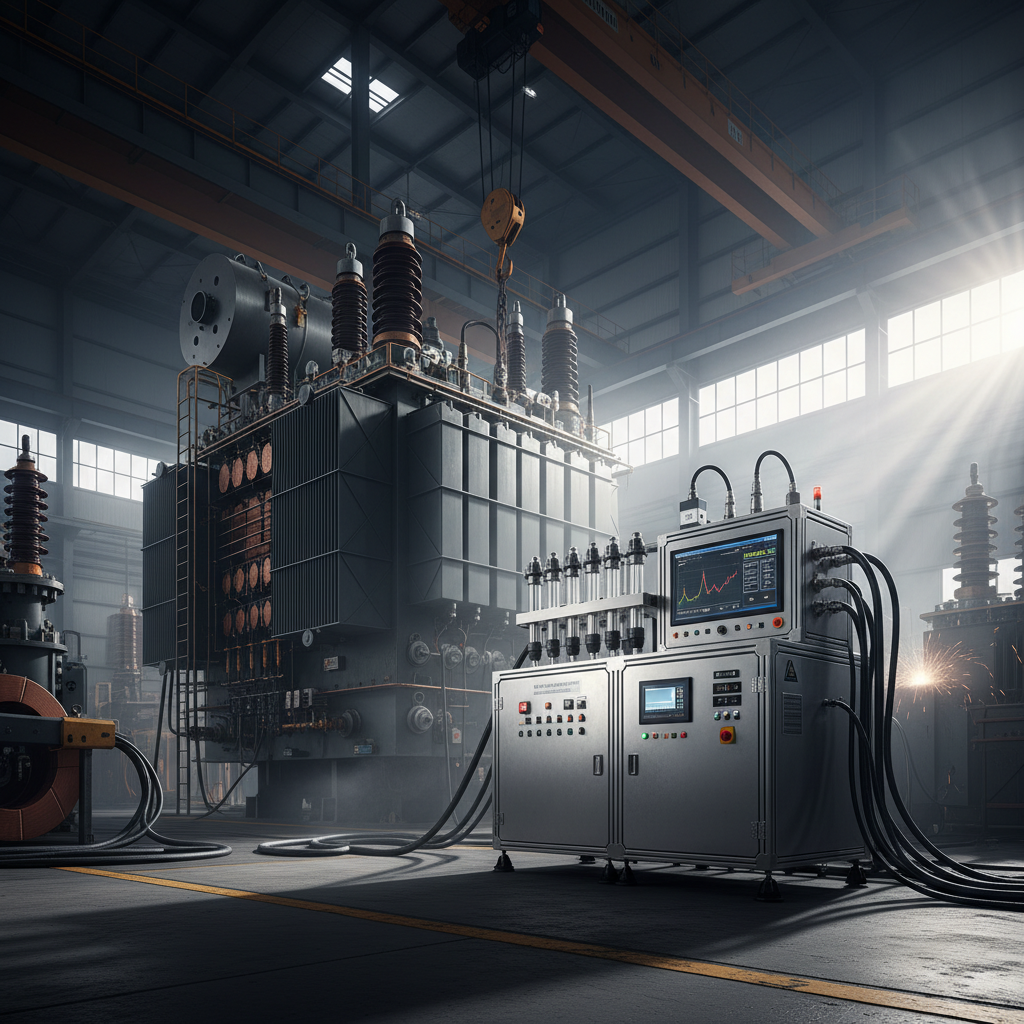
Look, transformer oil analysis… it’s not glamorous, right? But it’s the lifeblood of keeping everything running. I mean, everything. Power grids, substations, even some industrial plants. We’re talking about billions, maybe trillions, of dollars of infrastructure depending on this stuff. It used to be, you’d just drain a sample, send it to a lab, wait a week for results… now? It’s getting complicated – in a good way, mostly. Everyone’s pushing for condition-based maintenance, predictive analytics, that kind of thing. But it all starts with understanding what’s happening inside those transformers.
To be honest, the amount of money spent replacing transformers unnecessarily is insane. Folks just reacting to alarms, not actually understanding why the alarm’s going off. That’s where proper oil analysis comes in. And it’s not just about avoiding breakdowns; it’s about extending the life of the equipment, improving efficiency, and, frankly, keeping the lights on. It’s bigger than just us, you know? Think about developing countries – reliable power is crucial for everything.
It’s a surprisingly old field, really. Been around for decades. But the methods, the sensitivity of the testing… that’s where the innovation is happening. We’ve got to move beyond just looking for the obvious, like water and particles. Now, we’re talking about dissolved gases, oxidation byproducts, even trace metals. It’s a constant game of cat and mouse with the degradation processes.
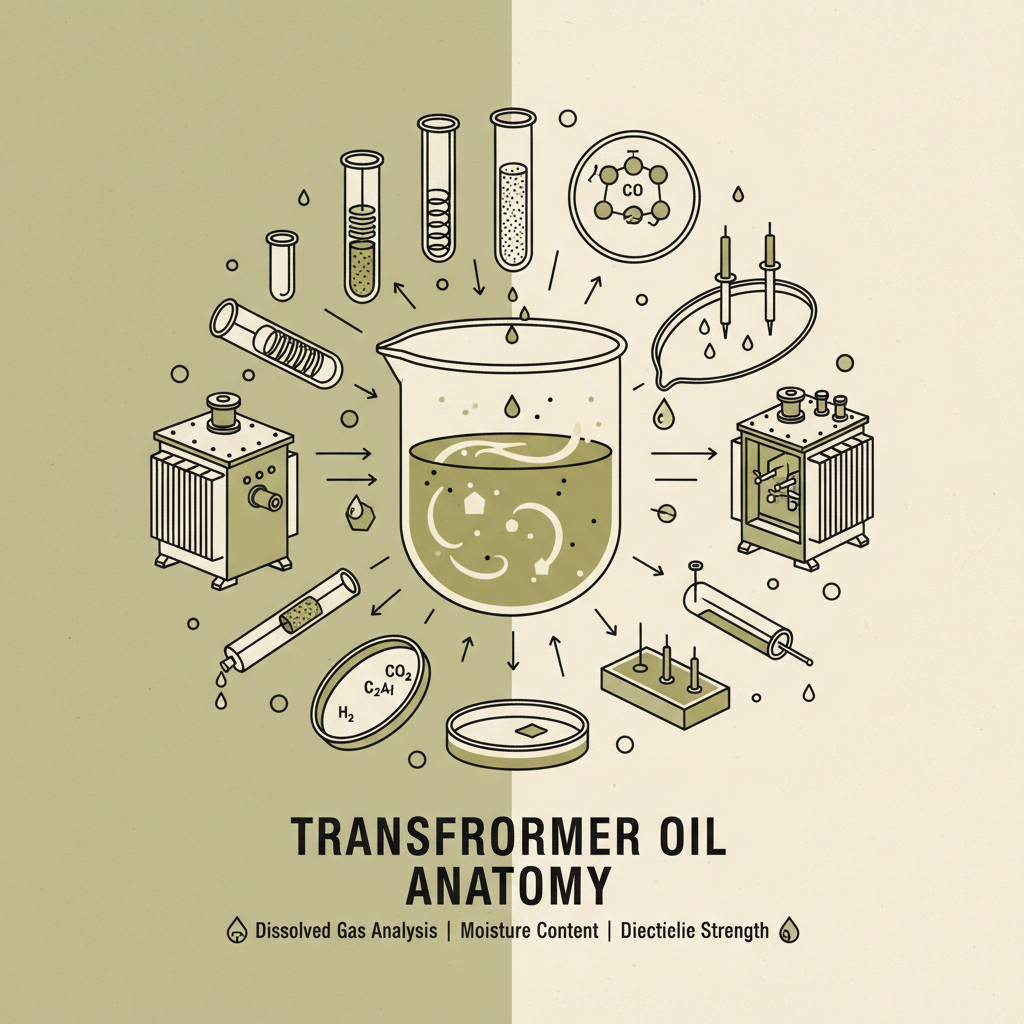
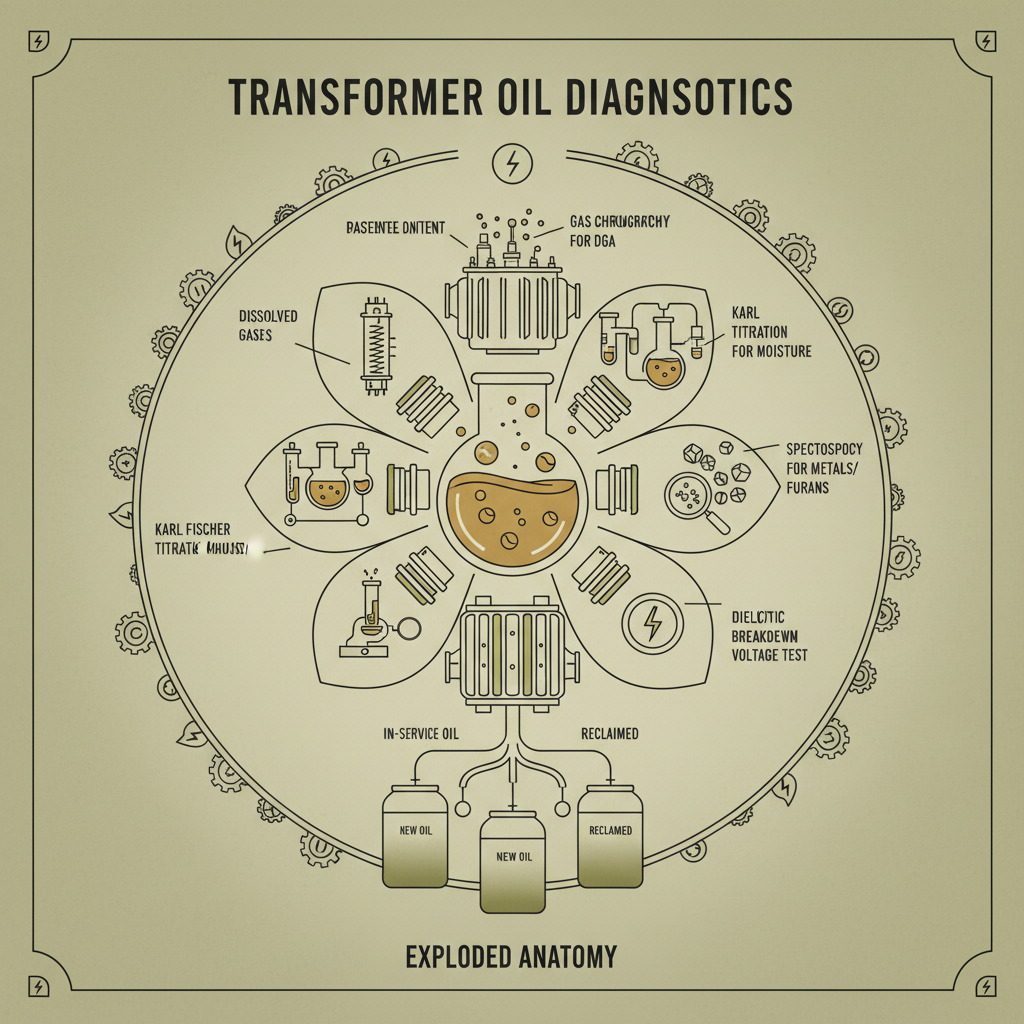
You wouldn't believe the variety of oils out there. Mineral oil is the standard, of course. Smells like… well, oil. Kind of a heavy, industrial scent. You can tell a good mineral oil just by looking at it – clear, bright. But we’re seeing more and more synthetic esters, silicone oils, even biodegradable fluids. Those have their own quirks. The esters, for example, they can be a bit sticky, and they absorb moisture differently. It changes how you interpret the tests.
Have you noticed how some labs still rely on old-school methods? Dissolved Gas Analysis (DGA) is the big one, right? But the sampling techniques… that’s where things can get hairy. If you don't get a representative sample, all the fancy lab work is worthless. I encountered this at a power plant in India last time. They were drawing samples from the top of the tank, which only showed the lighter gases. Completely missed the serious problems brewing at the bottom.
The frequency depends on the transformer's age, load, and operating environment. Generally, a first analysis is recommended after commissioning, then annually for new transformers. Older transformers or those with heavy loads may require semi-annual or even quarterly analysis. The goal is to establish a baseline and track changes over time. It's better to be proactive than reactive, trust me.
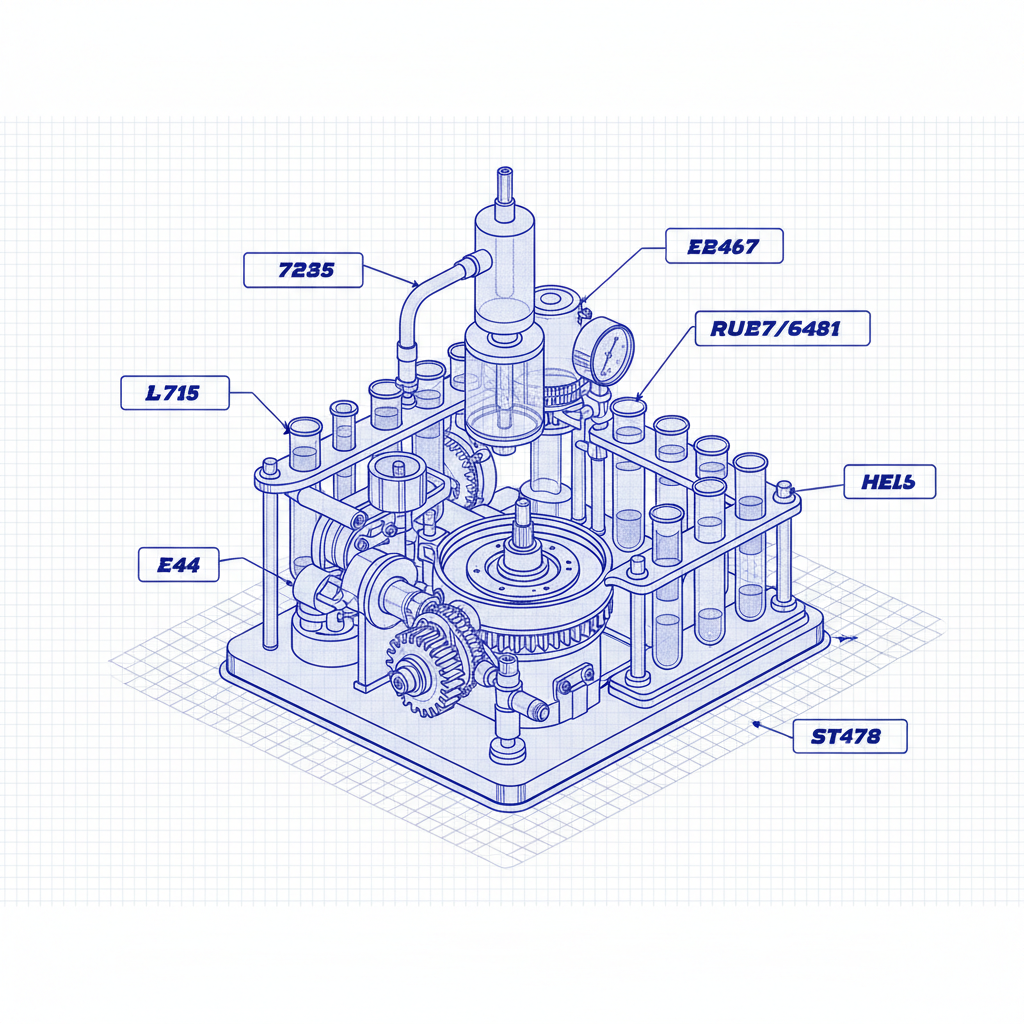
Dissolved Gas Analysis (DGA) is the cornerstone, giving insights into internal faults. Dielectric breakdown voltage indicates the oil's insulating strength. Acidity measurements help detect oxidation. Interfacial Tension reveals water contamination. And furan analysis gives you an idea of the paper insulation’s condition. I usually recommend starting with a comprehensive suite, then tailoring the tests based on the results.
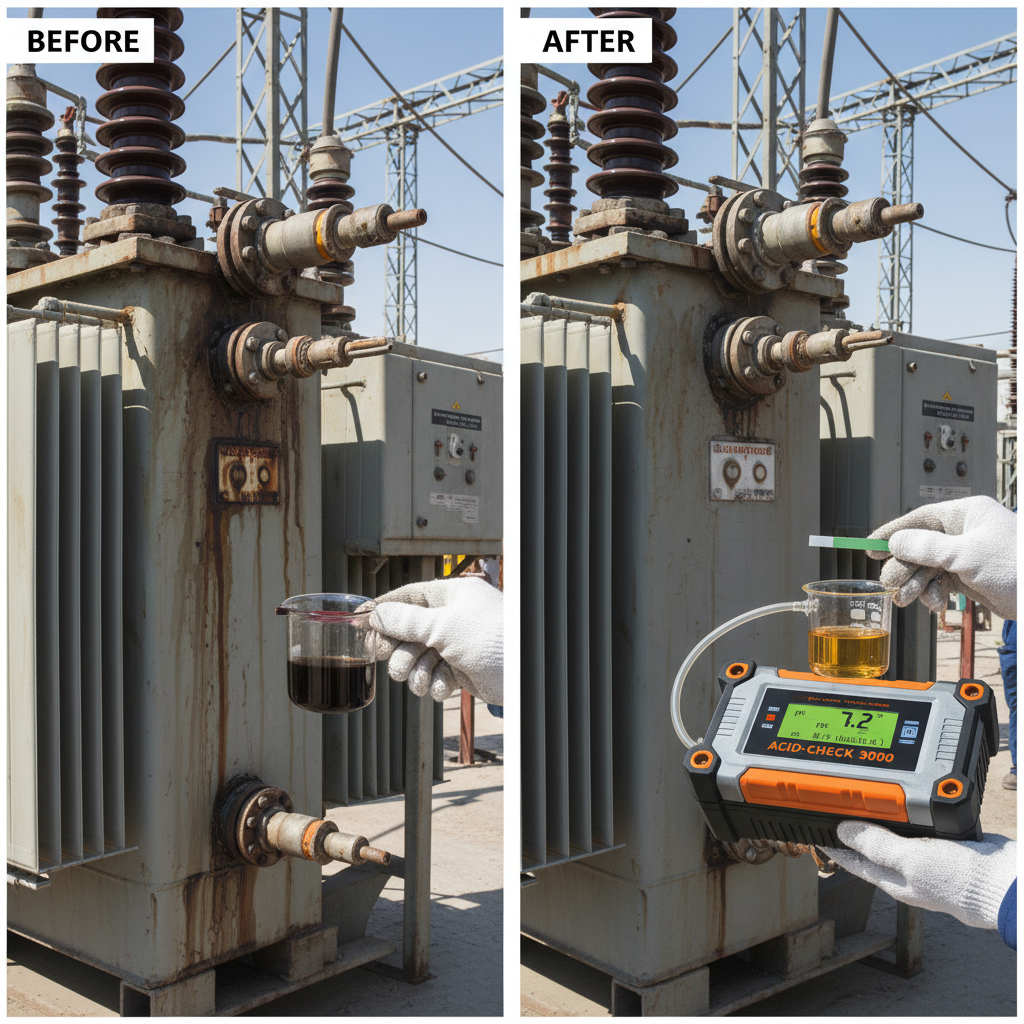
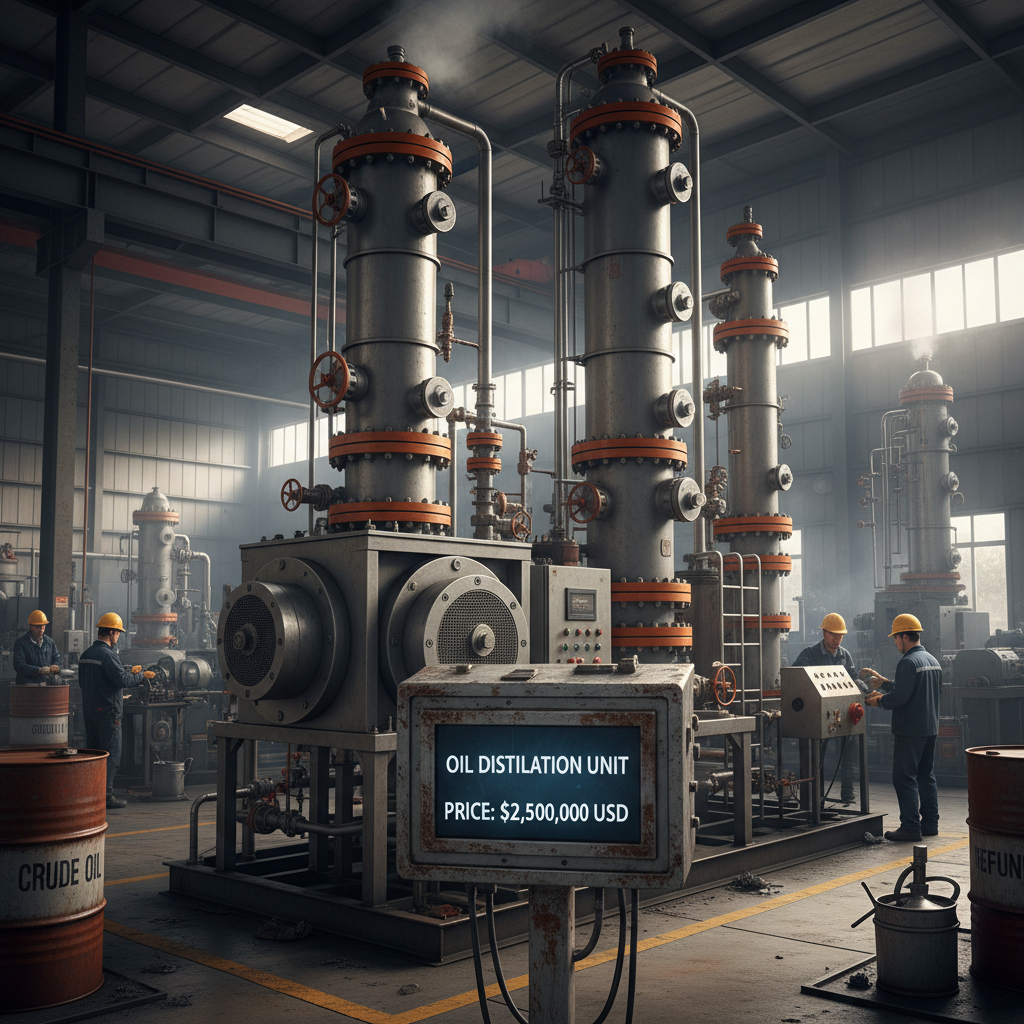
Absolutely! Oil reprocessing removes contaminants like water, particles, and oxidation byproducts, restoring its original properties. Reclamation goes a step further, rebuilding the oil’s molecular structure. It's a cost-effective and environmentally responsible alternative to replacing the oil entirely. However, you need to be careful about who you choose to do the reprocessing.
High moisture content significantly reduces the oil's dielectric strength, increasing the risk of breakdown. It also accelerates the degradation of the paper insulation. The water can dissolve acids, leading to corrosion. It's a serious issue that needs to be addressed promptly, usually through oil drying or filtration. I've seen a few transformers almost go down because of simple water contamination.
Increasing hydrogen levels in DGA usually indicate a general overheating issue or a low-energy arcing fault. It's not necessarily a catastrophic failure, but it warrants investigation. You need to look at the other gases – methane, ethane, ethylene – to pinpoint the source of the problem. A follow-up inspection and potentially more frequent testing are crucial.
Online systems are getting better, but they’re not perfect. They can provide real-time data on key parameters like moisture, temperature, and dissolved gases. But they often lack the sensitivity of a full lab analysis. Think of them as an early warning system, alerting you to potential problems that need further investigation. They're great for remote assets but still need to be combined with regular lab testing.
Ultimately, transformer oil analysis is about more than just numbers and charts. It’s about understanding the health of critical infrastructure, preventing costly failures, and keeping the power flowing. It's about balancing the cost of testing with the risk of downtime, and about staying ahead of the curve with new technologies and monitoring techniques. It's not glamorous work, but it’s vital work.
And look, despite all the fancy algorithms and sensors, a lot of it still comes down to good old-fashioned experience and common sense. So, invest in training your technicians, stay up-to-date on the latest standards, and don’t be afraid to get your hands dirty. Ultimately, whether this thing works or not, the worker will know the moment he tightens the screw.