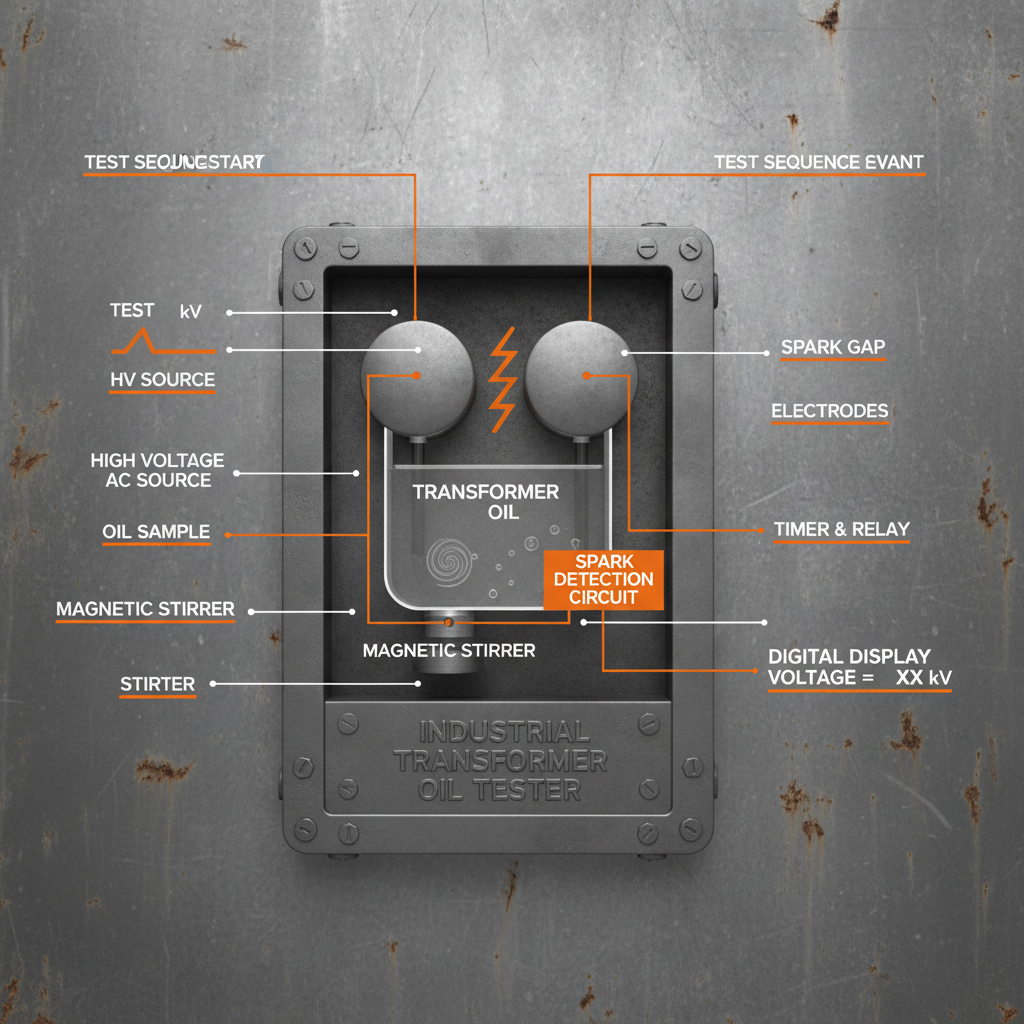
Transformer oil testing... honestly, it’s a world of its own. Been doing this for 15 years, trekking through substations, and you start to see patterns. It’s not just about following standards; it’s about understanding what that oil tells you about what’s happening inside those massive machines. It’s changed a lot, though. Used to be, you’d just check the dielectric strength and acidity. Now, it's a whole chemical breakdown analysis, particle counts… things are getting complex. But that's good, right? Means we’re catching problems earlier.
You see so much variation out there, depending on the manufacturer, the load profile, the environment. Coastal stations? Salt intrusion is a constant battle. Inland, it’s more about oxidation due to heat cycling. It really boils down to preventative maintenance – finding those subtle changes before they become catastrophic failures. Because believe me, replacing a transformer isn't a fun day for anyone.
And frankly, it's a bit of a safety net for all of us. Everything relies on these things - hospitals, data centers, even just keeping the lights on at home. A failure isn't just an inconvenience; it can have serious consequences. That’s why good transformer oil testing isn’t something you cut corners on. It’s…well, it’s just common sense.
The Importance of Consistent Transformer Oil Testing
To be honest, people underestimate how much information is packed into that oil. It’s not just about insulation. It’s a coolant, it carries away debris, and it’s a really good indicator of what’s going on with the windings and core. I've seen transformers that looked perfectly fine externally, but the oil analysis showed they were on the verge of a breakdown. It's that early detection that saves companies a ton of money, and prevents power outages.
Have you noticed how much more complex transformers are getting? All those solid insulation systems... they change the game. You can't rely on just the traditional tests anymore. You really need to look at the dissolved gases, furans, particle counts… a holistic view. And it’s not just the oil itself; it’s the consistency of the testing. You need to establish a baseline and track changes over time. That's where things get really interesting.
Defining Transformer Oil Testing: More Than Just a Dipstick
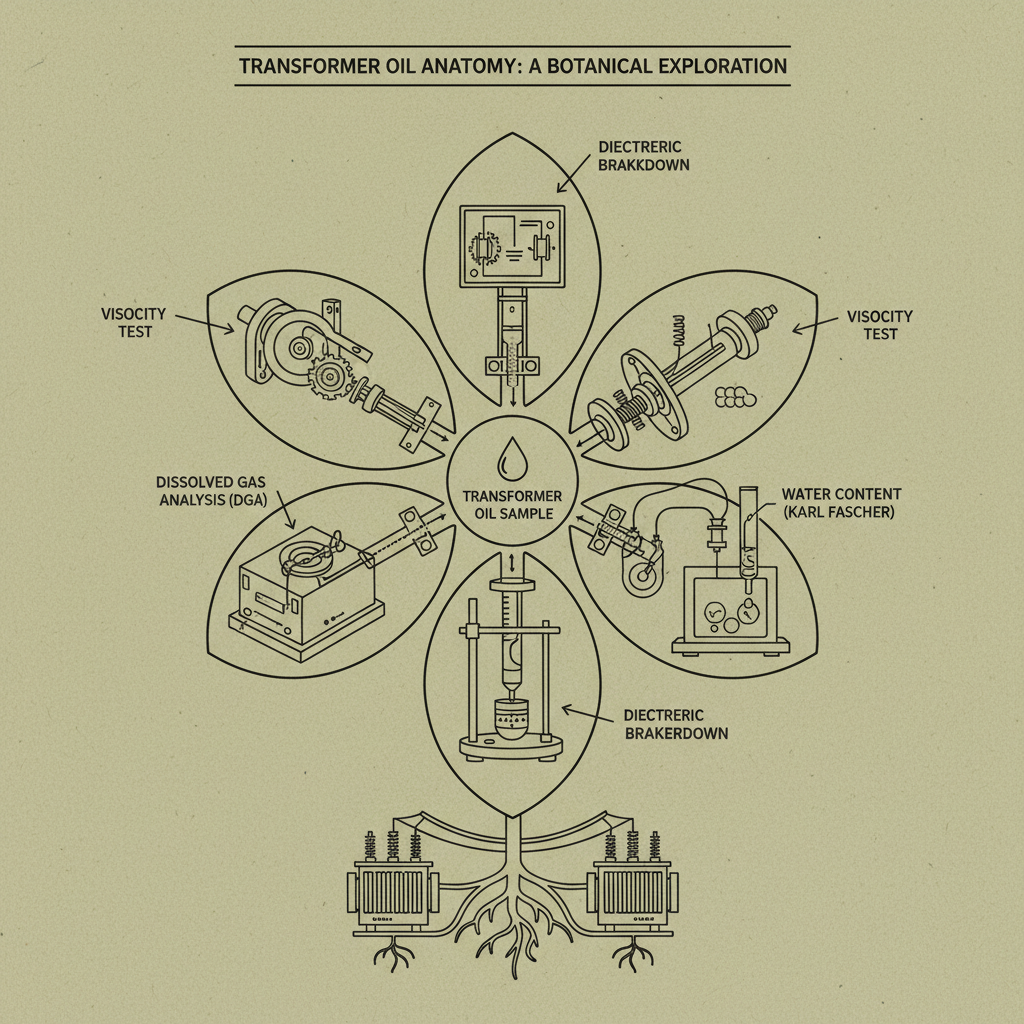
People think it's just checking if the oil looks clean. It’s… way more than that. Transformer oil testing is a comprehensive assessment of the oil's physical and chemical properties to determine the condition of the transformer itself. We're talking dielectric breakdown voltage, acidity, water content, dissolved gas analysis (DGA), furan analysis, particulate contamination, and interfacial tension. It's about understanding the oil's ability to continue performing its functions—insulation, cooling, and arc quenching. It's all tied together.
It's relevant because everything relies on power. Hospitals, data centers, manufacturing plants… you name it. Unplanned outages are costly, disruptive, and sometimes even dangerous. Regular transformer oil testing is a key component of a reliability-centered maintenance program, ensuring the continued operation of critical infrastructure. And, honestly, the ISO standards are there for a reason. Following those guidelines gives you a solid foundation for a good testing program.
It connects to modern needs because we’re pushing transformers harder and harder. Increased demand, renewable energy integration… it all puts stress on these machines. We need to be able to monitor their health proactively to avoid failures and maintain grid stability. It's not a luxury; it’s a necessity.
Key Factors Influencing Transformer Oil Condition
The biggest culprit is oxidation, no doubt. Heat, oxygen, and metal particles – they all contribute to the breakdown of the oil. I encountered this at a paper mill last time, where the transformers were operating at incredibly high temperatures. The oil was sludging up something fierce. Then there's contamination – water, particles, even acids formed from oil degradation.
Dielectric strength is huge, obviously. If that drops, your transformer is at risk of a flashover. But it's not the whole story. You can have good dielectric strength but still have a lot of internal degradation happening. Dissolved gas analysis (DGA) is critical for detecting incipient faults. Different gases tell you different things – hydrogen indicates insulation breakdown, methane suggests cellulose decomposition.
And don’t forget about the oil's acidity. Increased acidity accelerates corrosion and can damage the windings. It's a slow process, but it can have devastating consequences over time. Strangely, sometimes even the type of sealant used in the transformer can impact the oil’s condition. It's a complex system, really.
Global Applications and the Demand for Reliable Testing
It's everywhere. Power grids across North America, Europe, Asia… every substation has transformers, and every transformer needs oil testing. Developing countries are particularly reliant on it, where maintaining grid reliability is crucial for economic growth. I worked on a project in India a few years ago where they were upgrading their transmission infrastructure, and transformer oil testing was a huge part of it.
Renewable energy integration is driving demand, too. Solar and wind farms often use transformers to step up the voltage for transmission, and those transformers need to be monitored closely. Plus, in remote industrial zones – think mining operations, oil rigs – reliable power is absolutely critical.
And it's not just large-scale applications. Even smaller businesses rely on transformers for their operations. A local brewery I worked with lost a ton of product when their transformer failed because they hadn't been doing regular oil testing. It highlighted the importance for everyone, not just big utilities.
Dissolved Gas Analysis Results - Transformer Oil Testing
Advantages of Proactive Transformer Oil Testing Programs
Cost savings are huge. Fixing a small problem now is way cheaper than replacing a transformer later. Increased reliability, of course – fewer outages, more uptime. That translates to increased productivity and customer satisfaction.
And the environmental impact is often overlooked. Preventing transformer failures reduces the risk of oil spills and minimizes the need for emergency repairs. It's a win-win. Anyway, I think that demonstrating due diligence and complying with regulations is also a major benefit. No one wants to be the reason for a power outage.
Future Trends and Innovations in Transformer Oil Analysis
I'm seeing a lot of interest in online monitoring systems. Sensors that continuously track oil parameters and provide real-time data. It’s expensive, but the benefits can be substantial. Also, new oil formulations are being developed with improved oxidation resistance and biodegradability.
Data analytics and machine learning are also going to play a bigger role. Being able to predict failures based on historical data and oil analysis results will be a game-changer. And I think we’ll see more automation in the testing process itself. Less manual labor, faster results, and reduced errors.
Common Challenges and Solutions in Transformer Oil Testing
Getting consistent sampling is a big one. You need to make sure you're taking samples from the same location and at the same time each year. Otherwise, you're comparing apples to oranges. Also, interpreting the results can be tricky. It takes a lot of experience to know what the data really means.
Training qualified personnel is another challenge. It's not just about running the tests; it's about understanding the underlying chemistry and physics. I think using standardized testing procedures and investing in advanced analytical equipment can help. Later... Forget it, I won't mention the lab that gave us completely bogus results last year.
And finally, dealing with the logistics of getting samples from remote locations can be a nightmare. Sometimes you have to charter a helicopter just to get to the substation. But that’s life, right?
Summary of Transformer Oil Testing Challenges and Solutions
| Challenge |
Impact on Testing |
Solution |
Implementation Cost |
| Inconsistent Sampling |
Unreliable Trend Analysis |
Standardized Sampling Procedures |
Low |
| Data Interpretation Complexity |
Misdiagnosis of Transformer Health |
Expert Training and Consultation |
Medium |
| Lack of Qualified Personnel |
Incorrect Test Execution |
Investing in Personnel Development |
Medium |
| Remote Location Logistics |
Delayed Testing Schedules |
Strategic Partnering with Local Labs |
High |
| Laboratory Accuracy Issues |
False Positives/Negatives |
Regular Lab Audits and Certification |
Medium |
| Budget Constraints |
Reduced Testing Frequency |
Prioritizing Critical Assets & Phased Implementation |
Low-Medium |
FAQS
Usually, for a standard panel – acidity, dielectric strength, water content, DGA – you're looking at about 5-7 business days. It can vary depending on the lab’s workload and the complexity of the analysis. If you need expedited results, you can usually pay extra, but it's not always worth it if you've planned ahead. I’ve found that good communication with the lab is key to managing expectations.
That depends on a lot of factors – the transformer’s age, its load profile, the environment, and its criticality. As a general rule, I recommend at least an annual test for most transformers. For critical assets or those operating under harsh conditions, you might want to test every six months or even quarterly. Basically, you want to establish a baseline and then track changes over time.
High DGA levels are a red flag, indicating a potential problem inside the transformer. The first step is to consult with a qualified engineer to interpret the results and determine the source of the gas generation. It could be anything from a minor overheating issue to a serious winding fault. Further investigation, such as an online partial discharge test, might be necessary.
Absolutely! Oil reprocessing is a common practice, and it can save you a lot of money compared to replacing the oil. The process removes contaminants like water, particles, and oxidation byproducts. However, it's important to choose a reputable oil reprocessing company that can guarantee the quality of the reclaimed oil. Not all reprocessing is created equal.
Ester fluids are biodegradable and have a higher flashpoint than mineral oil, making them a safer and more environmentally friendly option. However, they're also more expensive and can be more susceptible to hydrolysis, meaning they absorb water more easily. Mineral oil is still the most common choice, but ester fluids are gaining popularity, especially in environmentally sensitive areas.
Last month, a small boss in Shenzhen who makes smart home devices insisted on changing the interface of a power transformer to for "aesthetic reasons." I told him it wasn't a good idea - the connector wasn't rated for the voltage and current. He didn't listen. Two weeks later, he called me, frantic, because the transformer had fried during a product demo. Cost him a ton of money and delayed his launch. Sometimes you just have to let people learn the hard way, I guess.
Conclusion
Ultimately, transformer oil testing is about proactively managing risk and ensuring the reliable operation of critical infrastructure. It's not glamorous work, but it's essential. Understanding the nuances of oil analysis – from the basic tests to the more advanced techniques – allows us to detect problems early, prevent failures, and keep the lights on.
And in the end, whether this thing works or not, the worker will know the moment he tightens the screw. It's about getting the information to the right people, enabling them to make informed decisions, and trusting their expertise. It's a team effort, and a little bit of preventative maintenance goes a long way. If you’re looking for expert transformer oil testing services, don't hesitate to reach out to us.
 English