Transformer oil testing kit price is a critical factor in ensuring the reliable operation and longevity of electrical transformers. Globally, the demand for efficient and reliable power infrastructure is constantly increasing, driving the need for proactive maintenance strategies. Regularly monitoring the condition of transformer oil – and thus, effectively managing transformer oil testing kit price – directly correlates with reduced downtime, extended equipment life, and lower operational costs for power utilities and industrial facilities. Investing in quality testing kits, despite the initial transformer oil testing kit price, yields significant long-term economic and safety benefits.
The global energy sector is experiencing a period of rapid transformation, fueled by the growth of renewable energy sources and the increasing digitalization of grids. This transformation places greater stress on existing infrastructure, making effective maintenance even more crucial. The cost of transformer failure, including potential outages and equipment damage, far exceeds the expenditure on preventative maintenance like utilizing a transformer oil testing kit. Therefore, a realistic assessment of transformer oil testing kit price must incorporate the potential costs of inaction.
Understanding transformer oil testing kit price also extends beyond just the initial purchase. It encompasses the ongoing costs of consumables, calibration, training, and data analysis. A comprehensive approach considers the total cost of ownership, helping organizations make informed decisions about their maintenance programs. The benefits of preventative maintenance, enabled by accessible transformer oil testing kits, are increasingly recognized as vital to grid stability and economic growth.
The Importance of Transformer Oil Testing Kit Price
The importance of understanding transformer oil testing kit price stems from its direct impact on asset management and operational expenditure. A lower upfront transformer oil testing kit price doesn’t always equate to cost savings; reliability, accuracy, and the range of tests performed are equally vital considerations. Selecting a kit based solely on price can lead to inaccurate readings, missed issues, and ultimately, more costly repairs or transformer replacements.
Effective transformer oil analysis, facilitated by a suitable testing kit, is the cornerstone of a condition-based maintenance (CBM) program. This proactive approach, in contrast to reactive maintenance, significantly reduces unplanned outages and extends the operational lifespan of transformers. The cost of implementing a CBM program – including the transformer oil testing kit price – is consistently outweighed by the avoidance of catastrophic failures and associated downtime.
Global Context and Industry Relevance
The global electricity demand is projected to increase substantially in the coming decades, driven by economic growth and population increases, particularly in developing nations. This escalating demand puts immense pressure on existing power grids and necessitates robust maintenance strategies to ensure reliability. Consequently, the market for transformer oil testing kits is experiencing steady growth, reflecting the increasing awareness of the importance of preventative maintenance and the rising transformer oil testing kit price driven by advancements in technology.
According to data from the International Energy Agency (IEA), investment in electricity grid infrastructure is crucial to meet future energy needs. A significant portion of this investment is directed towards preventative maintenance programs, where transformer oil analysis plays a pivotal role. Regulatory standards, such as those established by the IEEE and IEC, also emphasize the importance of regular transformer oil testing, further driving demand for reliable testing solutions and influencing transformer oil testing kit price.
The need for accurate and efficient transformer oil testing is particularly acute in industries with critical power requirements, such as petrochemicals, manufacturing, and healthcare. Unexpected power outages can result in significant financial losses, safety hazards, and disruptions to essential services. Therefore, organizations in these sectors are willing to invest in high-quality transformer oil testing kits, accepting a potentially higher transformer oil testing kit price for greater peace of mind and operational resilience.
Defining Transformer Oil Testing Kit Price
Transformer oil testing kit price is not simply the monetary cost of the equipment itself. It encompasses a broader range of factors, including the features offered, the accuracy of the measurements, the ease of use, and the availability of support and consumables. A comprehensive understanding of these components is essential when evaluating different kits and determining the best value for a specific application. This price also includes the ongoing cost of maintaining the kit, like calibration.
The term refers to the total expenditure associated with procuring and utilizing a kit designed to assess the physical and chemical properties of transformer oil. These properties, such as dielectric strength, acidity, moisture content, and dissolved gas analysis (DGA), provide valuable insights into the condition of the transformer and potential faults. A careful evaluation of transformer oil testing kit price must factor in the long-term benefits of preventative maintenance and the avoidance of costly failures.
Essentially, transformer oil testing kit price is an investment in the longevity and reliability of valuable electrical infrastructure. While the initial outlay might seem significant, it’s often a small fraction of the cost associated with replacing a failed transformer or dealing with prolonged power outages. Choosing the appropriate kit – and understanding its true price – is a critical step in protecting this investment.
Key Components Influencing Transformer Oil Testing Kit Price
Several key components significantly impact transformer oil testing kit price. The level of automation is a primary driver; manual kits are typically less expensive but require more operator time and skill, while automated kits offer faster, more accurate results with minimal operator intervention. The range of tests a kit can perform also affects the price – kits offering comprehensive DGA analysis will be more costly than those limited to basic dielectric strength testing.
Another critical factor is the accuracy and precision of the measurement instruments. High-quality sensors and calibration standards are essential for reliable results, and these contribute to a higher transformer oil testing kit price. Durability and portability also play a role, with rugged, field-portable kits commanding a premium. Finally, the reputation and support offered by the manufacturer influence the price, with established brands providing greater confidence in product quality and after-sales service.
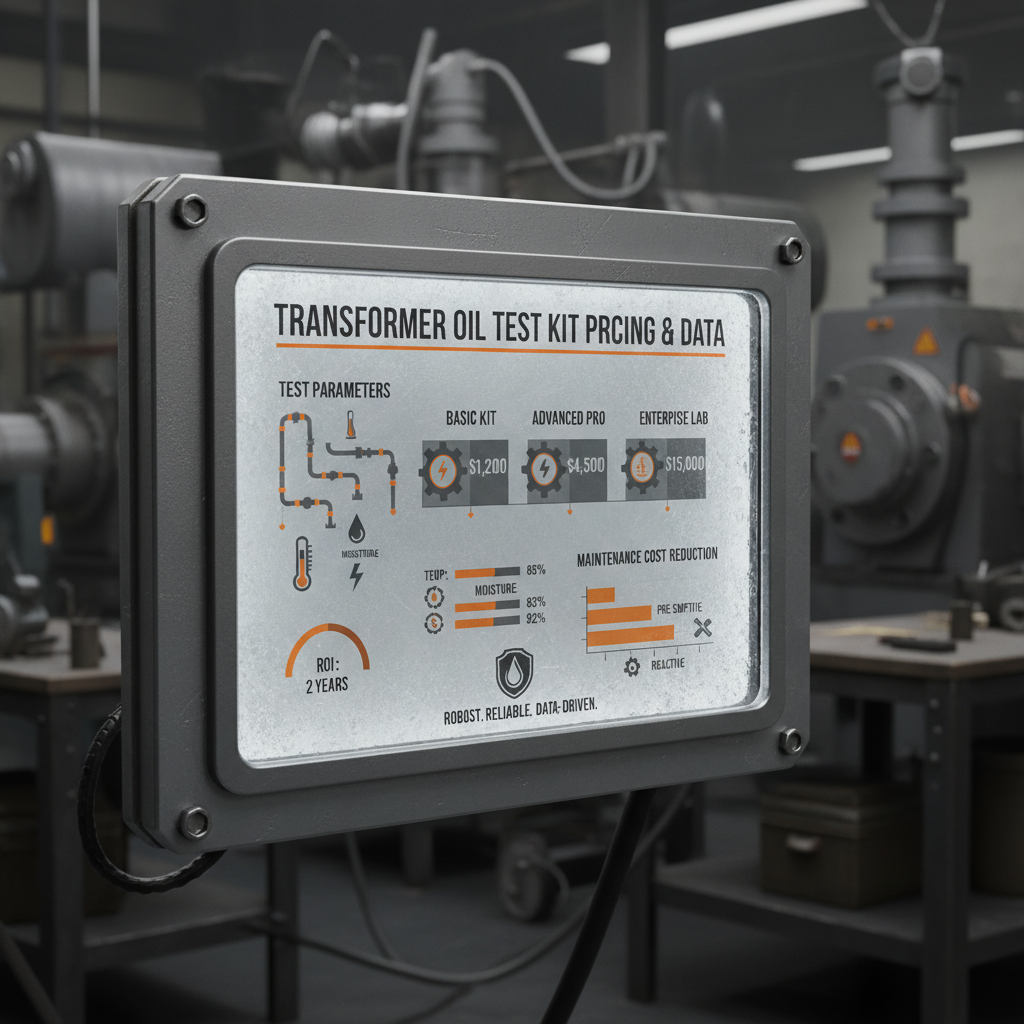
Transformer Oil Testing Kit Price Comparison by Feature
Global Applications and Use Cases
Transformer oil testing kits find widespread application across a diverse range of industries and geographical locations. Power utilities globally utilize these kits for routine maintenance of transmission and distribution transformers, ensuring grid stability and minimizing outages. Industrial facilities, such as manufacturing plants and petrochemical complexes, rely on transformer oil testing to maintain continuous power supply to critical processes.
In remote and challenging environments, such as offshore oil platforms and isolated mining operations, portable transformer oil testing kits are essential for on-site condition monitoring. These kits enable technicians to quickly assess the health of transformers without the need for sending samples to external laboratories, reducing downtime and transportation costs. Even in post-disaster relief operations, rapid assessment of transformer oil condition can be critical for restoring power to affected areas.
Advantages and Long-Term Value
The advantages of investing in a transformer oil testing kit extend far beyond simply identifying potential problems. The primary benefit is the ability to proactively address issues before they escalate into costly failures. This preventative approach minimizes unplanned downtime, reduces repair expenses, and extends the lifespan of transformers, delivering significant long-term financial savings.
Furthermore, regular transformer oil analysis contributes to enhanced safety and environmental protection. Early detection of oil contamination or degradation can prevent transformer explosions or oil leaks, safeguarding personnel and minimizing environmental impact. By optimizing transformer performance and reducing energy losses, transformer oil testing also contributes to greater sustainability and a smaller carbon footprint.
Future Trends and Innovations
The future of transformer oil testing is being shaped by several key trends. Miniaturization and increased portability are driving the development of more compact and user-friendly testing kits. Integration with digital technologies, such as cloud-based data storage and remote monitoring systems, is enabling real-time analysis and predictive maintenance capabilities. Furthermore, advancements in sensor technology and analytical techniques are leading to more accurate and comprehensive assessments of transformer oil condition.
The growing emphasis on sustainability is also influencing innovation in this field. Researchers are exploring the development of eco-friendly transformer oils and testing methods that minimize waste and environmental impact. Automation and artificial intelligence (AI) are being integrated into transformer oil testing kits to automate data analysis and provide more insightful recommendations for maintenance and repair, ultimately optimizing transformer oil testing kit price in the long run.
Challenges & Solutions
Despite the numerous benefits, challenges remain in the effective implementation of transformer oil testing programs. The initial transformer oil testing kit price can be a barrier for smaller organizations or those with limited budgets. Furthermore, proper training and expertise are required to accurately interpret the test results and take appropriate action. Data management and analysis can also be complex, particularly for large-scale operations.
To overcome these challenges, manufacturers are offering more affordable and user-friendly testing kits, along with comprehensive training programs and data analysis services. Cloud-based platforms are simplifying data management and providing access to expert insights. Furthermore, the development of standardized testing procedures and data formats is improving the interoperability of different kits and facilitating data exchange.
Innovative financing models, such as leasing or subscription-based services, are also emerging to make transformer oil testing more accessible to a wider range of organizations. Investing in these solutions, and acknowledging the true return on investment offered by preventative maintenance, is critical for ensuring the long-term reliability and sustainability of power grids worldwide.
Summary of Key Factors in Selecting a Transformer Oil Testing Kit
| Test Parameters |
Automation Level |
Portability & Durability |
Overall Cost (Including Consumables) |
| Dielectric Strength, Moisture Content, Acidity |
Manual |
Low |
$500 - $1,500 |
| Dielectric Strength, Moisture Content, Acidity, Interfacial Tension |
Semi-Automated |
Medium |
$2,000 - $5,000 |
| Comprehensive DGA, Dielectric Strength, Moisture, Acidity |
Fully Automated |
High |
$8,000 - $20,000+ |
| Basic Parameters (Dielectric, Moisture) |
Manual |
High |
$800 - $2,000 |
| DGA with limited gases |
Semi-Automated |
Medium |
$4,000 - $7,000 |
| Full DGA, Oil Quality, Degradation Analysis |
Fully Automated |
Medium |
$15,000 - $30,000+ |
FAQS
The lifespan of a transformer oil testing kit varies significantly depending on the quality of construction, frequency of use, and environmental conditions. Generally, a well-maintained kit can last between 5 to 10 years, but certain components, like sensors and electrodes, may require periodic replacement. Regularly calibrating the kit and storing it properly will extend its useful life. Consider the long-term cost of ownership when evaluating transformer oil testing kit price.
The frequency of transformer oil testing depends on factors such as the transformer's age, load, operating environment, and the recommendations of the manufacturer. As a general guideline, routine testing should be performed at least annually, with more frequent testing (e.g., every six months or quarterly) for critical transformers or those operating under stressful conditions. Consider that even a seemingly high transformer oil testing kit price is cost-effective when compared to the cost of failure.
Essential tests include dielectric breakdown voltage, moisture content, acidity, dissolved gas analysis (DGA), and interfacial tension. These tests provide a comprehensive assessment of the oil's condition and can identify potential problems such as oxidation, contamination, and insulation degradation. The range of tests a kit offers heavily influences the transformer oil testing kit price, but prioritizing essential tests is key.
While some basic kits are relatively easy to use, proper training is crucial for accurate results and reliable interpretation. Training should cover the principles of transformer oil testing, the correct procedures for performing each test, and the interpretation of the results. Many manufacturers offer training courses, and qualified personnel should be responsible for conducting the tests. A lower initial transformer oil testing kit price shouldn't compromise on the investment in adequate training.
Yes, numerous portable transformer oil testing kits are available, designed for on-site analysis in remote or difficult-to-access locations. These kits vary in size, weight, and the range of tests they can perform. Portability often comes at a higher transformer oil testing kit price, but the convenience and reduced downtime can justify the investment.
Choosing the right kit requires careful consideration of your specific needs and budget. Factors to consider include the types of transformers you maintain, the required testing parameters, the frequency of testing, and the level of automation needed. Prioritize accuracy, reliability, and ease of use, and don’t solely focus on the initial transformer oil testing kit price. Consult with industry experts or experienced technicians to get personalized recommendations.
Conclusion
In conclusion, understanding transformer oil testing kit price extends beyond the initial purchase cost and encompasses the long-term benefits of preventative maintenance, including reduced downtime, extended equipment lifespan, and enhanced safety. Investing in a quality testing kit, combined with proper training and data analysis, is a critical component of a robust asset management program. Effective transformer oil testing is paramount to ensuring the reliable and sustainable operation of power grids and industrial facilities worldwide.
Looking ahead, the future of transformer oil testing will be shaped by advancements in digital technologies and a growing emphasis on sustainability. Proactive adoption of these innovations will enable more efficient and effective maintenance strategies, ultimately contributing to a more resilient and reliable energy infrastructure. For more information about transformer oil testing kits and solutions, visit our website: www.pushtester.com.
 English