Transformer test kits are essential tools for ensuring the reliable and safe operation of electrical power systems. Globally, transformers are critical components of electricity transmission and distribution networks, enabling efficient power delivery to homes, businesses, and industries. Regular testing, facilitated by a comprehensive transformer test kit, is paramount to prevent costly failures, extend asset life, and maintain grid stability. The increasing demand for electricity, coupled with the aging infrastructure in many parts of the world, underscores the growing importance of robust transformer testing procedures.
The economic impact of transformer failures is significant, leading to power outages, production losses, and potentially hazardous situations. Standardization and improved testing methodologies are driven by organizations like the IEC and IEEE, impacting global energy infrastructure. Investing in high-quality transformer test kits is a proactive approach to mitigating these risks and enhancing the resilience of power grids. This is especially crucial in developing nations where reliable energy access is vital for economic growth.
Understanding the functionality and application of a transformer test kit allows engineers and technicians to proactively identify and address potential issues before they escalate into major problems. From routine maintenance to pre-commissioning checks, these kits provide the necessary data for informed decision-making, maximizing the lifespan and efficiency of these critical assets. The advancement in technology continues to improve the precision and ease of use of these tools.
The Importance of Transformer Testing
Transformers are vital to modern power systems, and their proper functioning is crucial for a stable and reliable electricity supply. Regular testing, using a transformer test kit, allows for early detection of insulation degradation, winding faults, and other potential issues. Without routine checks, the risk of unexpected failures significantly increases.
The financial and operational consequences of transformer failure can be severe. Downtime, repair costs, and potential damage to connected equipment all contribute to substantial losses. Proactive testing, therefore, is a cost-effective investment that minimizes these risks and ensures the longevity of these critical assets.
Defining a Transformer Test Kit
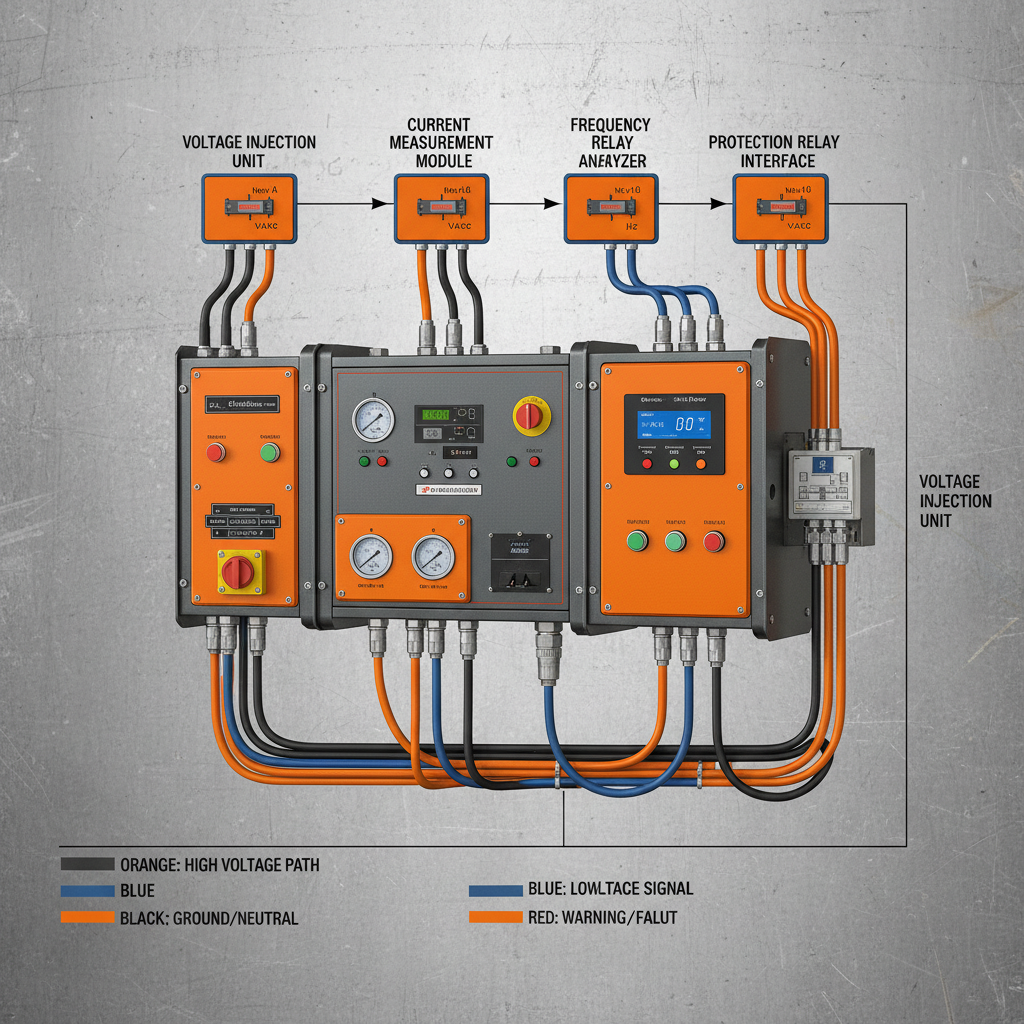
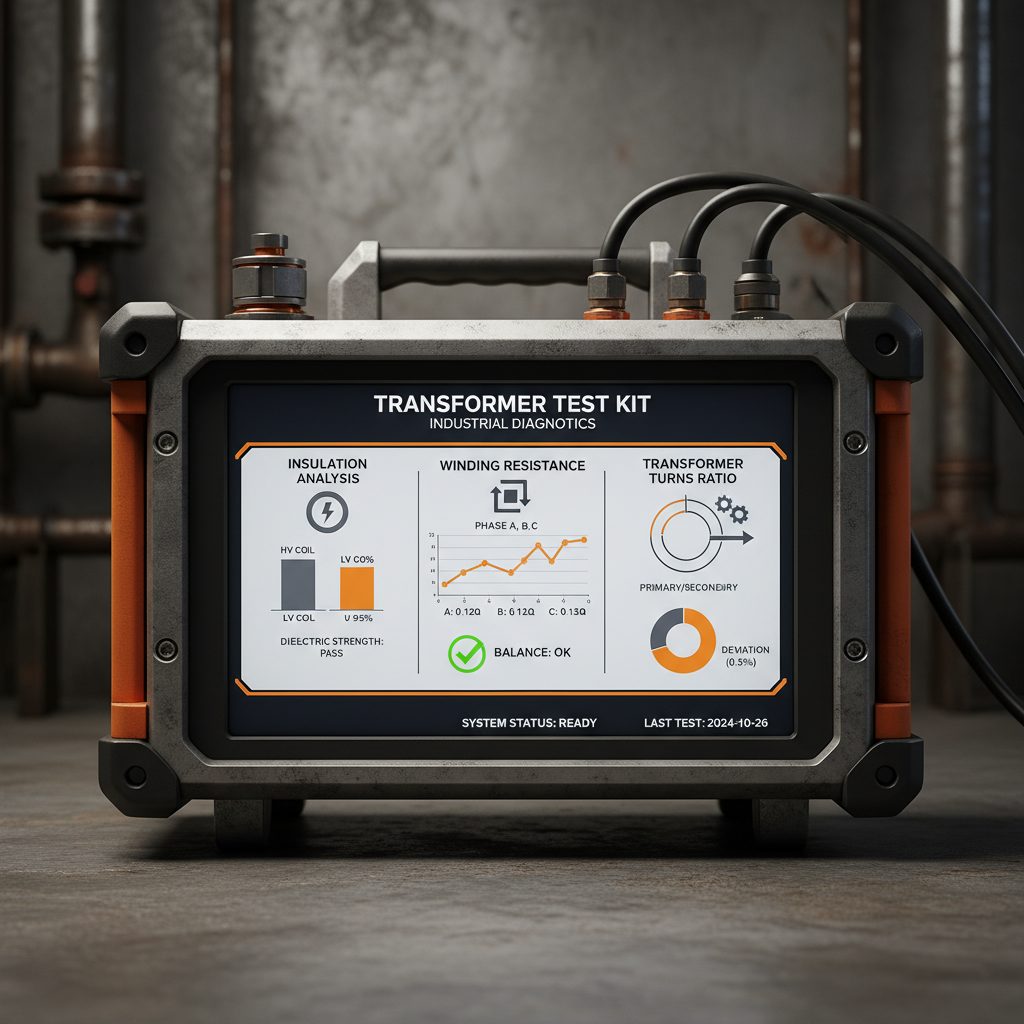
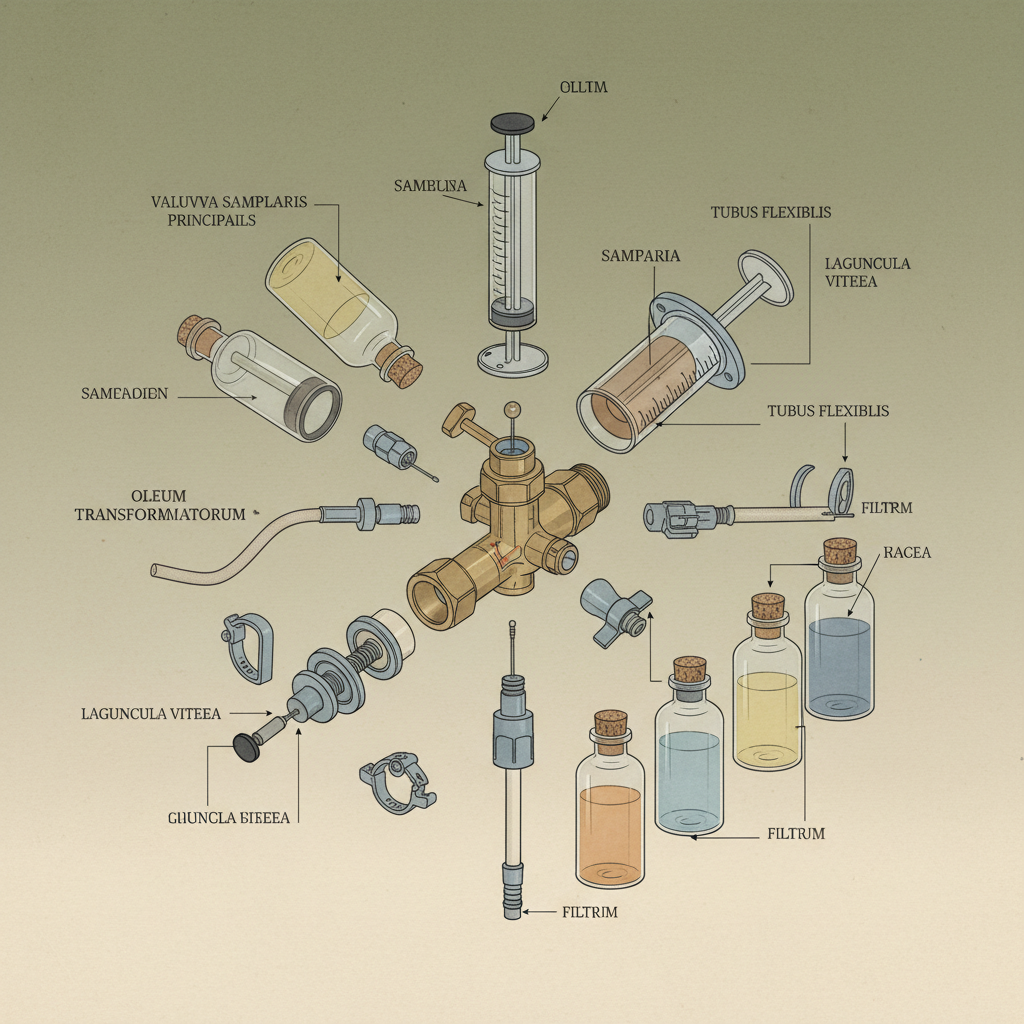
A transformer test kit is a collection of instruments and equipment designed to evaluate the electrical characteristics and physical condition of transformers. These kits typically include instruments for measuring parameters such as winding resistance, insulation resistance, turns ratio, excitation current, and oil quality. The specific components of a kit will vary depending on the type of transformer and the scope of testing required.
Modern transformer test kits are increasingly incorporating digital technology, providing automated testing procedures, data logging, and advanced diagnostic capabilities. This allows technicians to perform more accurate and efficient tests, and to identify subtle anomalies that might otherwise go unnoticed. The data collected provides a historical record of transformer performance, which can be used to track degradation trends and predict potential failures.
Ultimately, a transformer test kit serves as a comprehensive diagnostic tool, enabling engineers and technicians to assess the health of a transformer and make informed decisions regarding maintenance, repair, or replacement. These kits are essential for utilities, industrial facilities, and anyone responsible for maintaining a reliable power supply.
Key Components of a Transformer Test Kit
Effective transformer testing relies on several core components working in harmony. A crucial element is the insulation resistance tester (megohmmeter), which assesses the integrity of the insulation between windings and ground. Low resistance readings indicate potential insulation breakdown.
Winding resistance measurement is another key aspect, using a milli-ohmmeter to identify loose connections or shorted turns. Turns ratio tests ensure the correct voltage transformation is occurring, while excitation current measurements help detect core issues. Finally, oil analysis, often utilizing dielectric breakdown voltage tests, assesses the condition of the insulating oil.
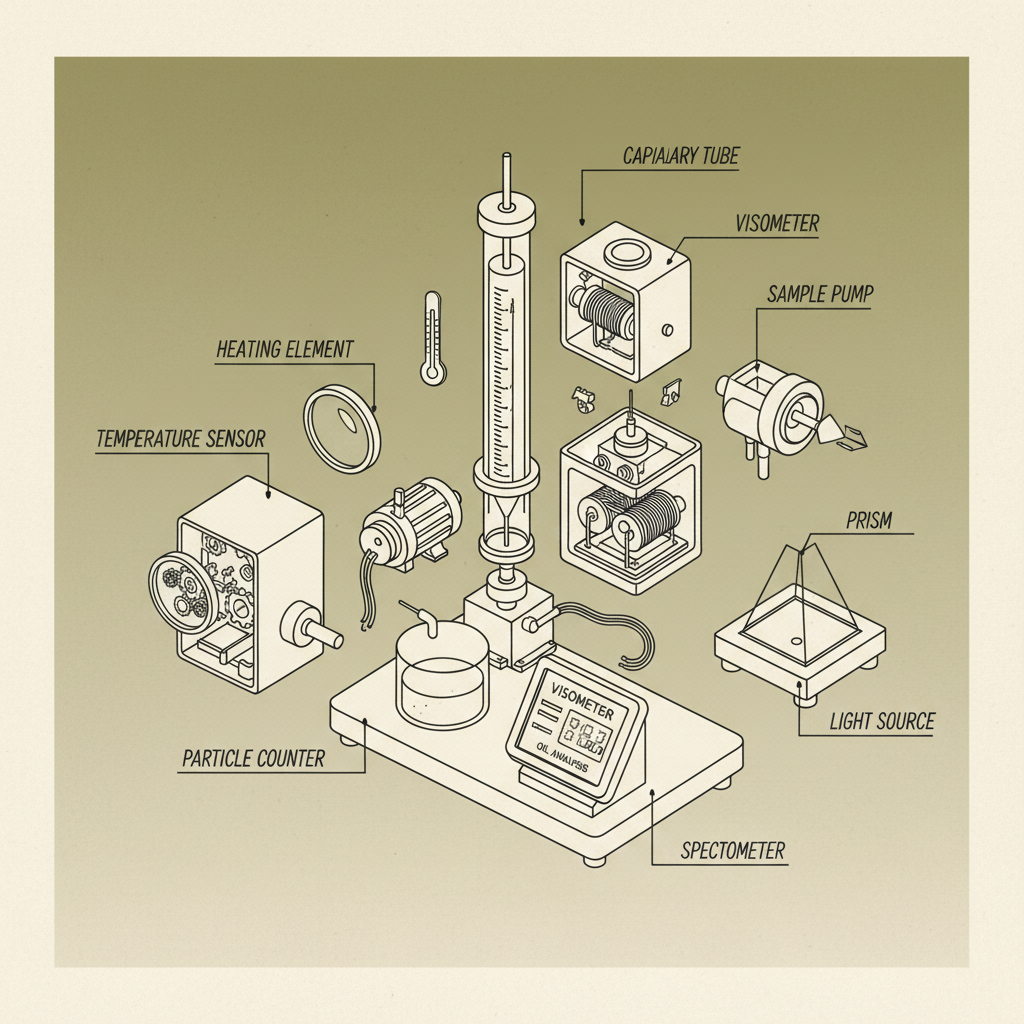
Oil quality testing, often included in a transformer test kit, is critical as oil not only provides cooling but also contributes to insulation. Analyzing the oil for moisture, acidity, and dissolved gases helps identify internal faults and potential problems within the transformer core and windings.
Applications Across Industries
Transformer test kits find widespread application across diverse industries. In the power utility sector, they are indispensable for commissioning new transformers, performing routine maintenance, and diagnosing faults in existing equipment. Industrial facilities rely on these kits to ensure the reliable operation of transformers that power their manufacturing processes.
The transportation sector, particularly railways and electric vehicle charging infrastructure, utilizes transformer test kits to maintain the integrity of power supply systems. Furthermore, renewable energy installations, such as solar and wind farms, require regular transformer testing to maximize energy production and minimize downtime. Even data centers and hospitals depend on consistently functioning transformers, making testing crucial for uninterrupted operation.
Geographically, the demand for transformer testing is increasing globally, especially in rapidly developing economies investing in infrastructure upgrades. From post-disaster relief operations requiring swift power restoration to remote industrial zones needing reliable energy access, the versatility of a transformer test kit proves invaluable.
Transformer Test Kit Method Effectiveness
Advantages and Long-Term Value
Investing in a high-quality transformer test kit yields significant long-term benefits. Reduced downtime and minimized repair costs directly contribute to improved profitability. Proactive testing allows for the identification and correction of minor issues before they escalate into major failures, extending the operational lifespan of transformers.
From a sustainability perspective, regular testing and maintenance reduce the need for premature transformer replacement, conserving resources and minimizing environmental impact. The enhanced safety provided by a well-maintained transformer network protects personnel and prevents potentially hazardous incidents. Reliable power supply fosters economic growth and improves the quality of life for communities.
Future Trends in Transformer Testing
The future of transformer testing is characterized by increasing automation and data analytics. Remote monitoring capabilities, utilizing IoT sensors and cloud-based platforms, are enabling real-time condition assessment and predictive maintenance. This allows utilities and industrial facilities to proactively address potential issues before they impact operations.
Advancements in oil analysis techniques, including dissolved gas analysis (DGA) and oil quality sensors, are providing deeper insights into transformer health. The integration of artificial intelligence (AI) and machine learning (ML) algorithms is enabling more accurate fault diagnosis and predictive modeling. Furthermore, the demand for more portable and user-friendly transformer test kit solutions will continue to grow.
Challenges and Solutions in Transformer Testing
Despite the advancements in transformer testing technology, several challenges remain. The complexity of modern power systems and the increasing number of connected devices create a greater demand for comprehensive testing solutions. Ensuring the accuracy and reliability of test results requires skilled technicians and well-maintained equipment.
Another challenge is the cost of sophisticated testing equipment and the need for ongoing training and calibration. To address these issues, manufacturers are developing more affordable and user-friendly kits, while educational institutions are offering specialized training programs. Cloud-based data analytics platforms are also helping to streamline the testing process and improve data interpretation.
Furthermore, the standardization of testing procedures and the sharing of best practices are essential for ensuring the consistency and comparability of test results across different organizations and regions.
Key Considerations for Selecting a Transformer Test Kit
| Transformer Type Compatibility |
Testing Capabilities |
Ease of Use & Portability |
Data Management & Reporting |
| Suitable for oil-filled, dry-type, and cast resin transformers |
Winding resistance, insulation resistance, turns ratio, oil dielectric strength |
Lightweight, rugged design, intuitive interface |
Automated data logging, report generation, and cloud connectivity |
| Adaptable to various voltage levels and transformer sizes |
Frequency response analysis, partial discharge detection, and core loss measurement |
Integrated software for guided testing procedures |
Secure data storage and remote access capabilities |
| Compliant with relevant industry standards (IEC, IEEE) |
DGA analysis, Tan Delta testing, and impulse testing |
Battery-powered operation for field use |
Exportable data formats (CSV, Excel, PDF) |
| Compatible with different transformer winding configurations |
Automated test sequencing and fault location |
Large display screen for easy viewing of results |
Real-time data visualization and trend analysis |
| Supports various transformer protection schemes |
Advanced diagnostic algorithms for accurate fault identification |
Built-in safety features for operator protection |
Integration with asset management systems |
| Offers comprehensive testing for transformer bushings and tap changers |
Advanced power quality analysis capabilities |
Wireless communication for remote control and monitoring |
Customizable reporting templates |
FAQS
Regular transformer testing, employing a transformer test kit, can extend the operational lifespan of a transformer by 20-30% or more. By identifying and addressing minor issues before they escalate into catastrophic failures, proactive maintenance prevents costly replacements and ensures continued reliable performance. The lifespan extension depends greatly on the initial condition of the transformer, environmental factors, and the frequency and thoroughness of the testing program.
The frequency of full transformer testing depends on several factors, including the transformer's age, load profile, and operating environment. Generally, a comprehensive test should be performed every 3-5 years. However, for critical transformers or those operating in harsh conditions, annual testing may be necessary. Routine oil sampling and basic electrical tests can be conducted more frequently (e.g., quarterly or semi-annually) to monitor trends.
Transformer testing involves working with high voltages and potentially hazardous equipment. Always follow the manufacturer's safety guidelines and wear appropriate personal protective equipment (PPE), including insulated gloves, safety glasses, and arc flash protection. Ensure the transformer is de-energized and properly grounded before connecting any test equipment. Proper training and adherence to established safety procedures are crucial.
Yes, a transformer test kit, particularly those equipped with advanced diagnostic capabilities like frequency response analysis (FRA), can detect internal winding faults such as shorted turns, open circuits, and deformation. FRA analyzes the transformer's response to a swept frequency signal, revealing subtle changes that indicate mechanical or electrical issues within the windings. Turns ratio testing can also help identify shorted turns.
Oil analysis is a critical component of transformer testing, providing valuable insights into the condition of the transformer's internal components. Testing for moisture, acidity, dielectric strength, and dissolved gases reveals potential problems such as insulation degradation, overheating, and arcing. Analyzing these parameters helps predict potential failures and allows for timely maintenance interventions.
While some basic transformer test kits are relatively easy to operate, utilizing more advanced features and interpreting the results accurately requires a degree of electrical engineering expertise. Formal training on transformer testing procedures, data analysis, and safety protocols is highly recommended. Skilled technicians can effectively diagnose problems and make informed decisions regarding maintenance and repair.
Conclusion
In conclusion, a transformer test kit is an indispensable tool for ensuring the reliable, safe, and efficient operation of electrical power systems. From extending transformer lifespan and reducing downtime to preventing catastrophic failures and supporting sustainable energy practices, the benefits are undeniable. Regular testing, combined with skilled technicians and advanced data analytics, is crucial for maintaining the integrity of our electrical infrastructure.
Looking ahead, the integration of automation, remote monitoring, and AI-powered diagnostics will further enhance the capabilities of transformer testing. Investing in these technologies and prioritizing proactive maintenance will be essential for meeting the growing demands of a modernizing world and ensuring a secure and sustainable energy future. Visit our website at www.pushtester.com to learn more about our comprehensive range of transformer test solutions.
 English