TEL:
+86-0312-3189593
 English
 English


Viscometer oil, crucial for maintaining the precision and longevity of viscometers, plays a vital role across numerous industries. From petroleum refinement and automotive engineering to food processing and pharmaceutical development, accurate viscosity measurements are paramount for quality control, research, and development. The consistent performance of viscometers directly impacts the reliability of these processes, and the quality of the viscometer oil directly impacts the viscometer's accuracy and lifespan.
The global market for viscosity measurement equipment, and by extension, viscometer oil, is experiencing steady growth driven by increasing industrialization, stricter regulatory standards, and the demand for higher quality products. Reports indicate a multi-billion dollar market, with continued expansion anticipated in emerging economies. Ensuring access to high-quality viscometer oil is therefore not merely a technical concern, but also a factor in maintaining global supply chains and economic stability.
The need for reliable viscosity measurements extends beyond industrial applications. In areas like medical diagnostics and environmental monitoring, accurate viscosity data is essential for accurate assessments and informed decision-making. Understanding the properties of viscometer oil and its impact on measurement accuracy is therefore crucial for professionals across a broad spectrum of disciplines.
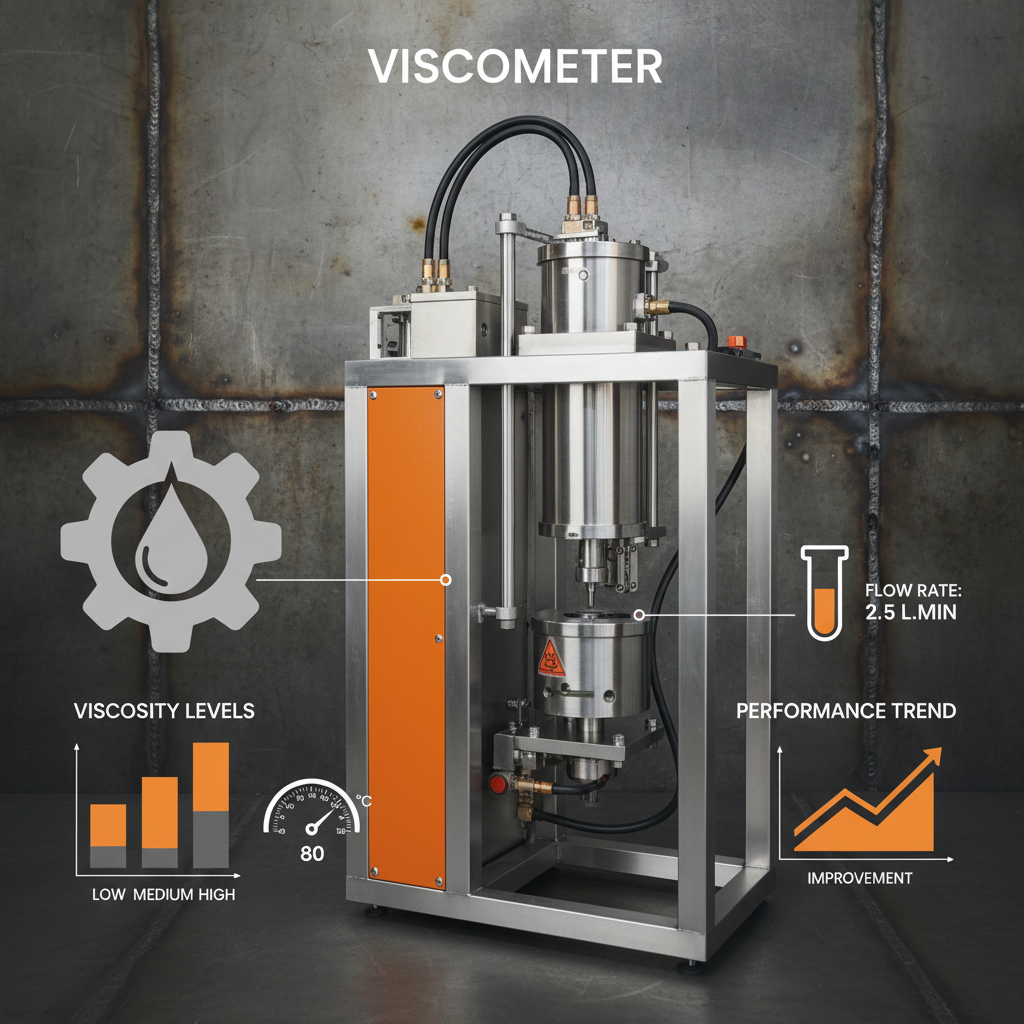
The proper functioning of a viscometer is heavily reliant on the quality of the viscometer oil used within it. This oil acts as a lubricant, reducing friction between moving parts, and a thermal transfer medium, ensuring consistent temperature control during measurements. Without appropriate oil, viscometer readings can become inaccurate, leading to flawed data and potentially costly errors.
Beyond lubrication and thermal control, the viscometer oil’s own viscosity and chemical stability play critical roles. Changes in the oil's properties over time can directly influence the viscosity readings obtained, highlighting the need for regular oil maintenance and replacement. Selecting the right type of viscometer oil for the specific instrument and application is therefore a crucial consideration.
The optimal viscosity range for viscometer oil depends heavily on the type of viscometer and the fluids being measured. Generally, a low viscosity oil is preferred to minimize its contribution to the overall measurement. However, it must be sufficient to provide adequate lubrication and thermal transfer. Consulting the viscometer manufacturer’s specifications is crucial for determining the correct range, typically between 5 and 20 cSt at the operating temperature. Using an oil outside this range can lead to inaccurate readings and potential instrument damage.
The frequency of viscometer oil replacement varies depending on usage and environmental conditions. As a general guideline, the oil should be replaced every 6-12 months with regular use. However, frequent use, exposure to contaminants, or operation at high temperatures may necessitate more frequent changes. Performing regular oil analysis can help determine the actual condition of the oil and optimize the replacement schedule. Monitoring for changes in viscosity, color, and contamination levels are key indicators.
Mixing different types of viscometer oil is generally not recommended. Different oils have different chemical compositions and properties. Mixing them can lead to incompatibility, potentially forming sludge or altering the oil’s viscosity. This can compromise the accuracy of measurements and damage the viscometer. Always ensure that only the recommended oil type is used and that any old oil is completely removed before refilling.
Several indicators suggest that viscometer oil needs changing. These include a noticeable change in the oil’s color, an increase in viscosity, the presence of particles or sediment, and a decline in measurement accuracy. If you observe any of these signs, or if the oil has been in use for an extended period, it’s best to replace it promptly to maintain the instrument’s performance.
For rotational viscometers, a low-viscosity, shear-stable oil is typically recommended. Mineral oils or synthetic oils with a viscosity index (VI) of 100 or higher are often preferred, as they maintain their viscosity even under shear stress. The exact specification will depend on the viscometer model, but a viscosity of around 10-15 cSt at 40°C is a common starting point. Always consult the viscometer manufacturer’s recommendations for the most appropriate oil.
Temperature significantly impacts viscometer oil performance. As temperature increases, viscosity generally decreases, and as temperature decreases, viscosity increases. This is why it's crucial to select an oil with a high viscosity index (VI), which indicates its ability to maintain a relatively stable viscosity across a range of temperatures. Precise temperature control within the viscometer is also essential for accurate measurements. The oil's thermal stability also plays a vital role in preventing degradation at higher temperatures.
In conclusion, the importance of viscometer oil often gets overlooked, yet it’s a cornerstone of accurate and reliable viscosity measurements across a wide range of industries. Proper oil selection, regular maintenance, and an understanding of its critical properties directly translate to improved product quality, reduced costs, and enhanced operational efficiency. Utilizing high-quality viscometer oil is not merely a technical detail, but a strategic investment.
Looking ahead, the industry is poised for innovation with the development of sustainable, “smart” oils that offer enhanced performance and real-time monitoring capabilities. By embracing these advancements and prioritizing meticulous oil management practices, professionals can unlock the full potential of their viscometers and drive continued success in their respective fields.