TEL:
+86-0312-3189593
 English
 English


Honestly, this transformer oil testing kit business... it’s changed a lot in the last few years. Used to be, you just checked the dielectric strength and acidity, slapped a sticker on it, and moved on. Now everyone's obsessed with dissolved gas analysis, furan analysis, particle count… it’s a whole different beast. A lot of it is driven by those big utilities wanting to squeeze every last bit of life out of their equipment, you know? Gotta meet those regulations.
And it’s not just about the testing itself. It’s getting the results back fast. Nobody wants to wait three weeks for a lab report when a transformer’s tripping offline. That’s where these portable kits really shine. But… and this is a big but… a lot of them are just… flimsy. I encountered one at a substation in Shandong province last time that felt like it was made of plastic, seriously.
The whole point, though, is keeping the grid running. The cost of downtime is insane.
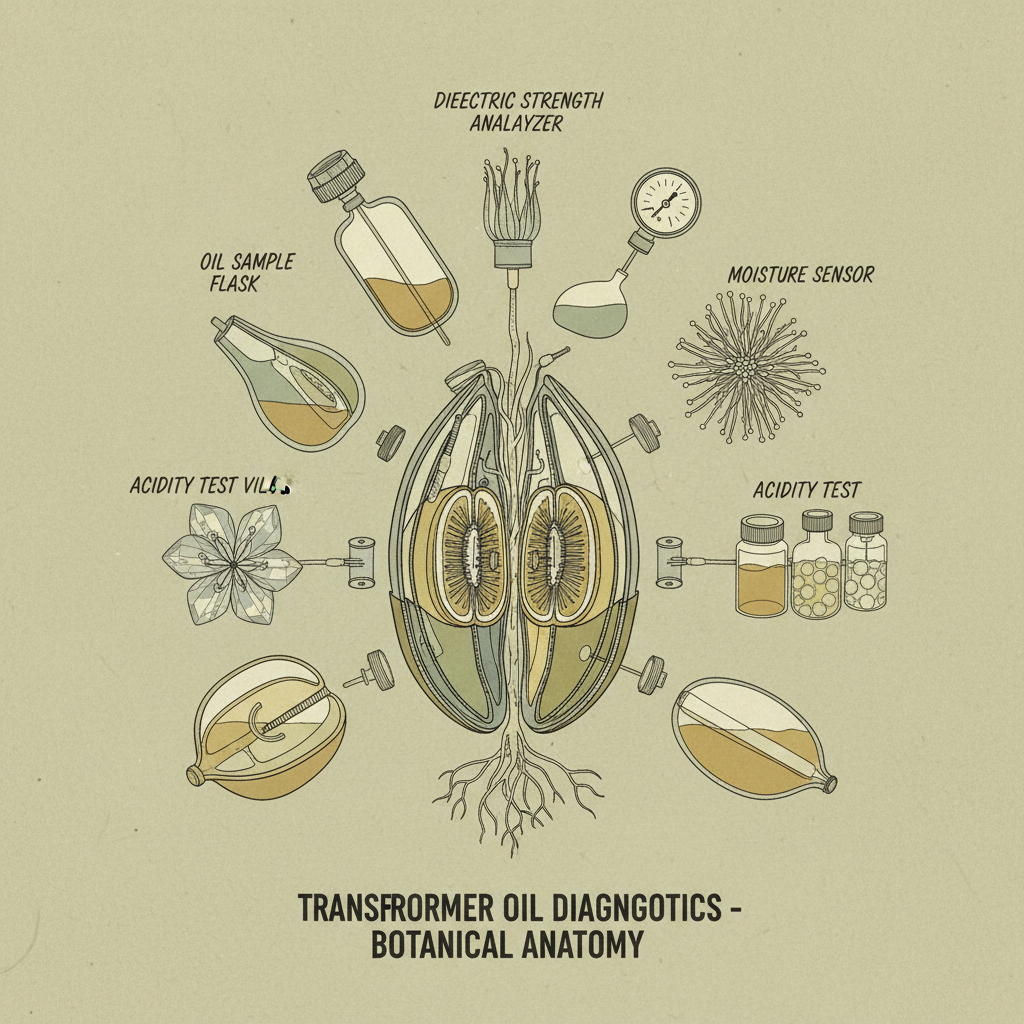

To be honest, the demand for more comprehensive transformer oil testing kits is skyrocketing. It's all about predictive maintenance these days. Folks aren’t waiting for a catastrophic failure; they want to see it coming. Dissolved gas analysis is the big one, right? Identifying those key gases – hydrogen, methane, ethane, ethylene – tells you what's going on inside that transformer. It's like a health check-up for the thing. And with power grids becoming more complex, with more renewables coming online, the need for reliable data is only going to increase.
I've been hearing whispers about integrating AI into the analysis too… automated fault diagnosis and stuff. Sounds fancy, but I'll believe it when I see it reliably pick up on a subtle change in furan levels.
The lifespan really depends on how well it’s maintained and how often it’s used. A well-cared-for kit, with regular calibration and proper storage, can easily last five to ten years. However, those cheap ones… they often start to degrade after a year or two. The sensors are usually the first to go. We recommend annual calibration, at a minimum.
Generally, yes, but you need to check the kit's specifications. Some kits are designed specifically for mineral oil, while others can handle silicone oil or ester fluids. Using the wrong kit can give you inaccurate results or even damage the instrument. It’s always best to consult the manufacturer’s guidelines before using it on a different type of oil.
That depends on the transformer’s age, load, and operating environment. For new transformers, annual testing is usually sufficient. For older transformers or those operating under heavy loads, you might need to test quarterly or even monthly. Dissolved gas analysis should be performed at least annually. It’s best to follow the recommendations of the transformer manufacturer or your utility's maintenance schedule.
A basic understanding of electrical systems and oil analysis is helpful. Most kit manufacturers offer training programs, which we highly recommend. These programs cover everything from sample collection to data interpretation. You don’t need to be a PhD, but you do need to understand the fundamentals of what you’re measuring. And, importantly, how to troubleshoot when things don't go according to plan.
That’s a tricky one. It depends on the regulatory requirements in your area. In some cases, the results from portable kits are accepted, provided they’re properly calibrated and documented. However, for critical applications, a lab analysis is often still required. Always check with your local authorities to ensure compliance.
Contamination, hands down. People don’t realize how easily a sample can be contaminated with dust, water, or other foreign materials. That’s why proper sampling techniques are so important. Always use clean, dry equipment, and avoid touching the sample port with your bare hands. A little contamination can throw off your results significantly.
Ultimately, these transformer oil testing kits are about peace of mind. They give you a quick, reliable snapshot of the health of your transformer, allowing you to identify potential problems before they become catastrophic failures. They’re not perfect, and they’re not a substitute for regular maintenance and expert analysis, but they’re a valuable tool for any utility or industrial facility that relies on transformers.
Look, at the end of the day, whether this thing works or not, the worker will know the moment he tightens the screw. You want something that gives him confidence, something that feels solid and reliable. That’s what we aim for.