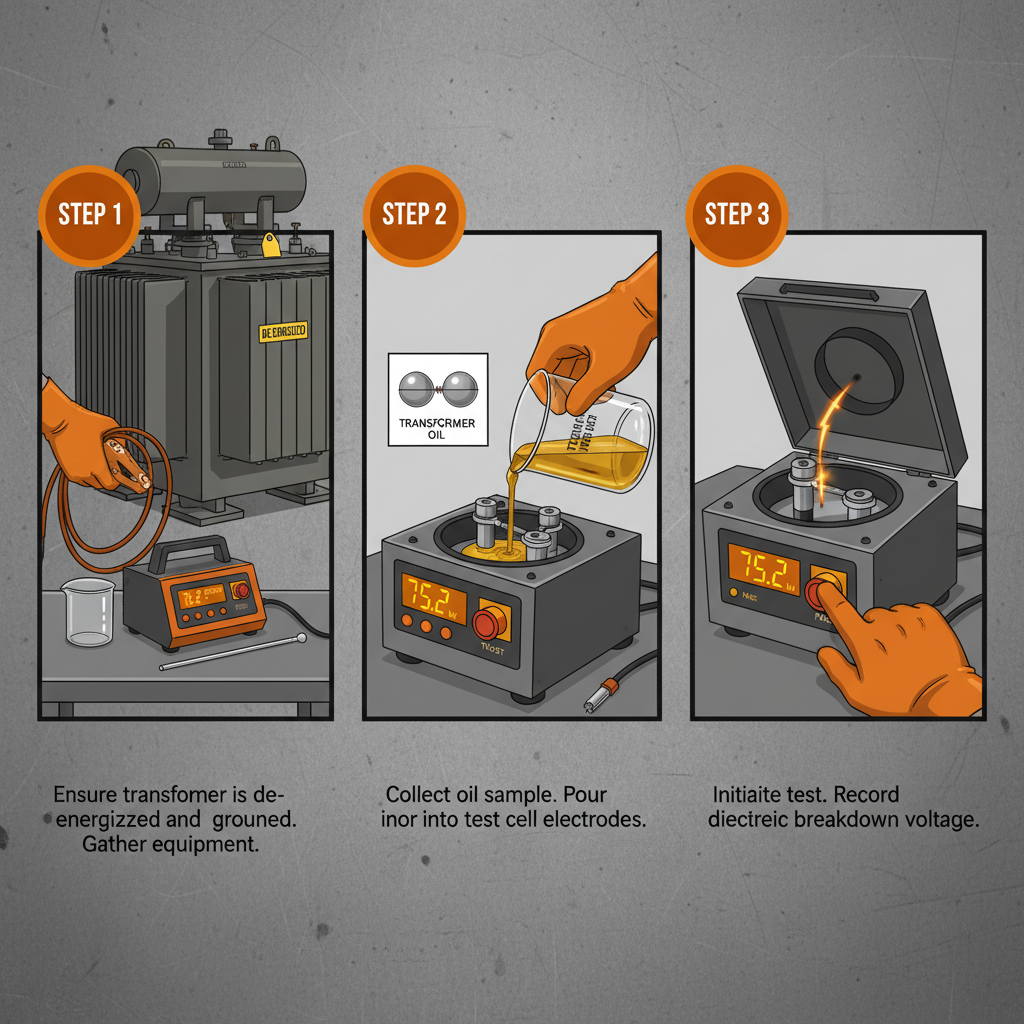
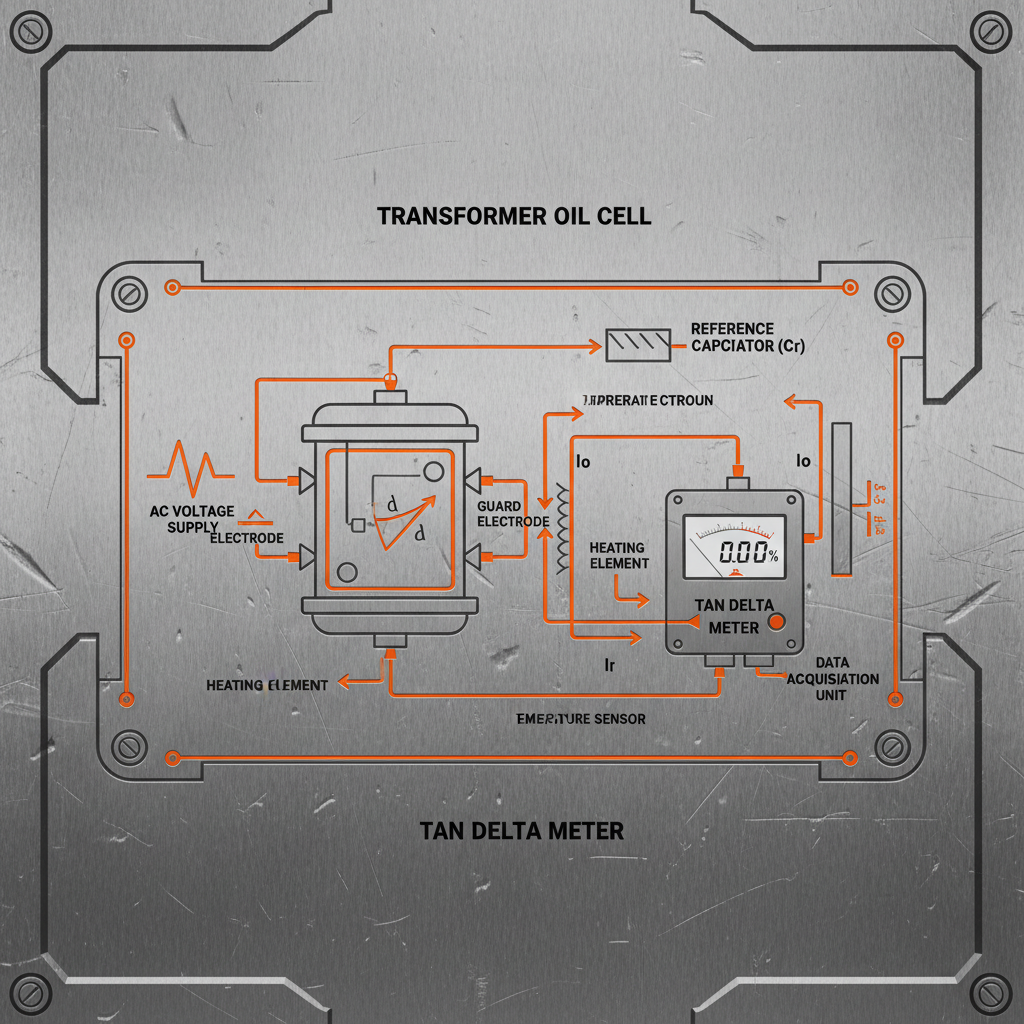
The integrity of machinery and industrial processes hinges on the reliable performance of lubricants. Over time, these oils degrade, losing their protective qualities and potentially leading to costly downtime and equipment failure. Understanding the rate and mechanisms of this degradation – oil breakdown – is therefore paramount. An oil breakdown tester provides the crucial data needed to monitor oil health, predict maintenance needs, and optimize operational efficiency. This ensures not just cost savings, but also enhances safety and minimizes environmental impact.
Globally, industries spanning energy, manufacturing, transportation, and more rely heavily on lubrication. The consequences of oil-related failures are significant – from production halts and expensive repairs to potential environmental disasters. An oil breakdown tester is no longer a luxury but a necessity for responsible asset management. Increasingly stringent environmental regulations also demand accurate monitoring of oil quality to prevent pollution and ensure compliance.
The demand for efficient and reliable oil analysis technologies is thus consistently growing. Businesses are actively seeking solutions to extend equipment lifespan, reduce maintenance costs, and minimize their environmental footprint. Embracing tools like the oil breakdown tester is key to achieving these objectives in a competitive and environmentally conscious world.
Introduction to Oil Breakdown Testing
Oil breakdown testing is a critical component of preventative maintenance programs across numerous industries. It allows for the proactive identification of oil degradation, preventing catastrophic failures and extending the lifespan of valuable equipment. A consistent testing regime, utilizing an oil breakdown tester, empowers engineers and maintenance teams to make informed decisions about oil changes and equipment upkeep.
The process involves analyzing various properties of the oil, such as viscosity, acidity, water content, and the presence of wear particles. These analyses reveal valuable insights into the condition of both the oil and the machinery it protects. Utilizing this data ensures that optimal lubrication is maintained, maximizing efficiency and minimizing the risk of unexpected downtime.
Defining Oil Breakdown Testers
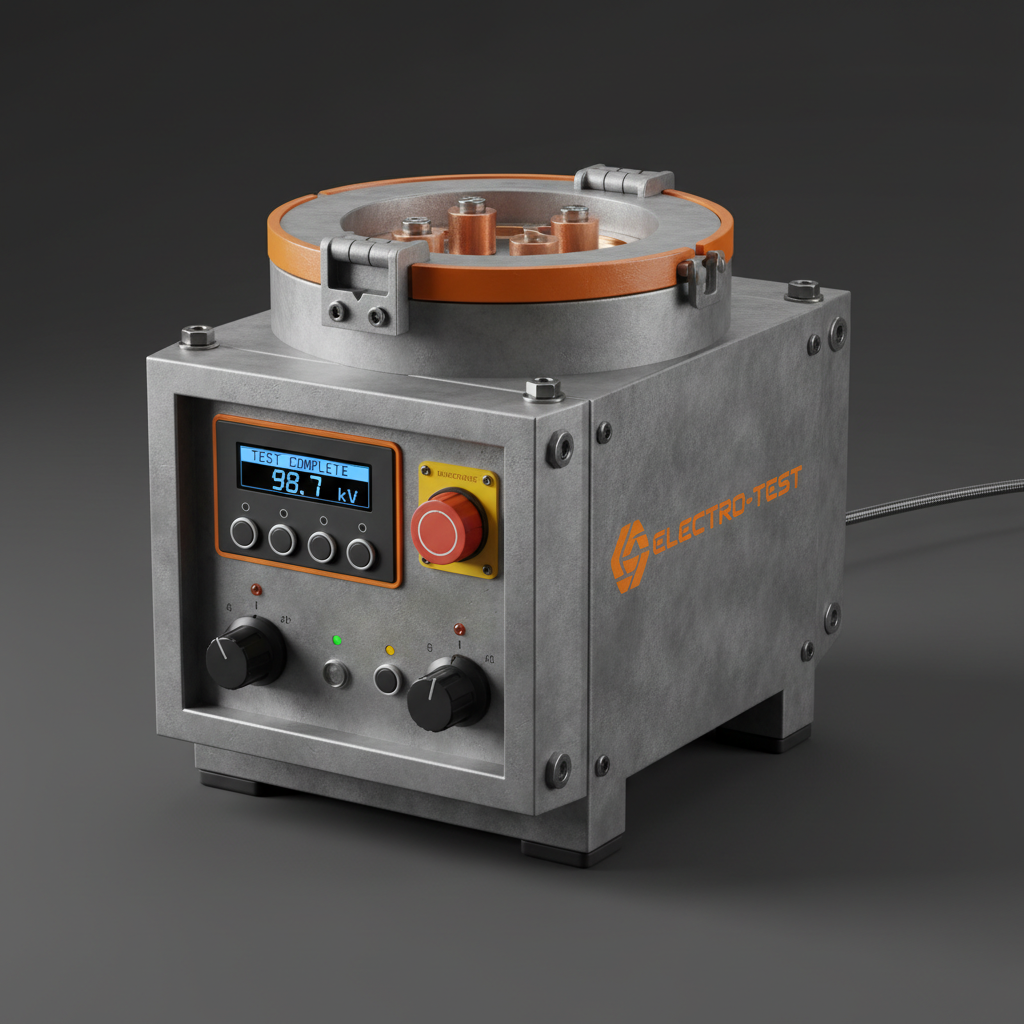
An oil breakdown tester is a sophisticated instrument designed to evaluate the physical and chemical properties of lubricating oils. It moves beyond simple visual inspections to provide quantitative data on oil condition, identifying signs of wear, contamination, and degradation. These testers come in various forms, ranging from portable field kits for quick assessments to laboratory-based instruments for comprehensive analysis.
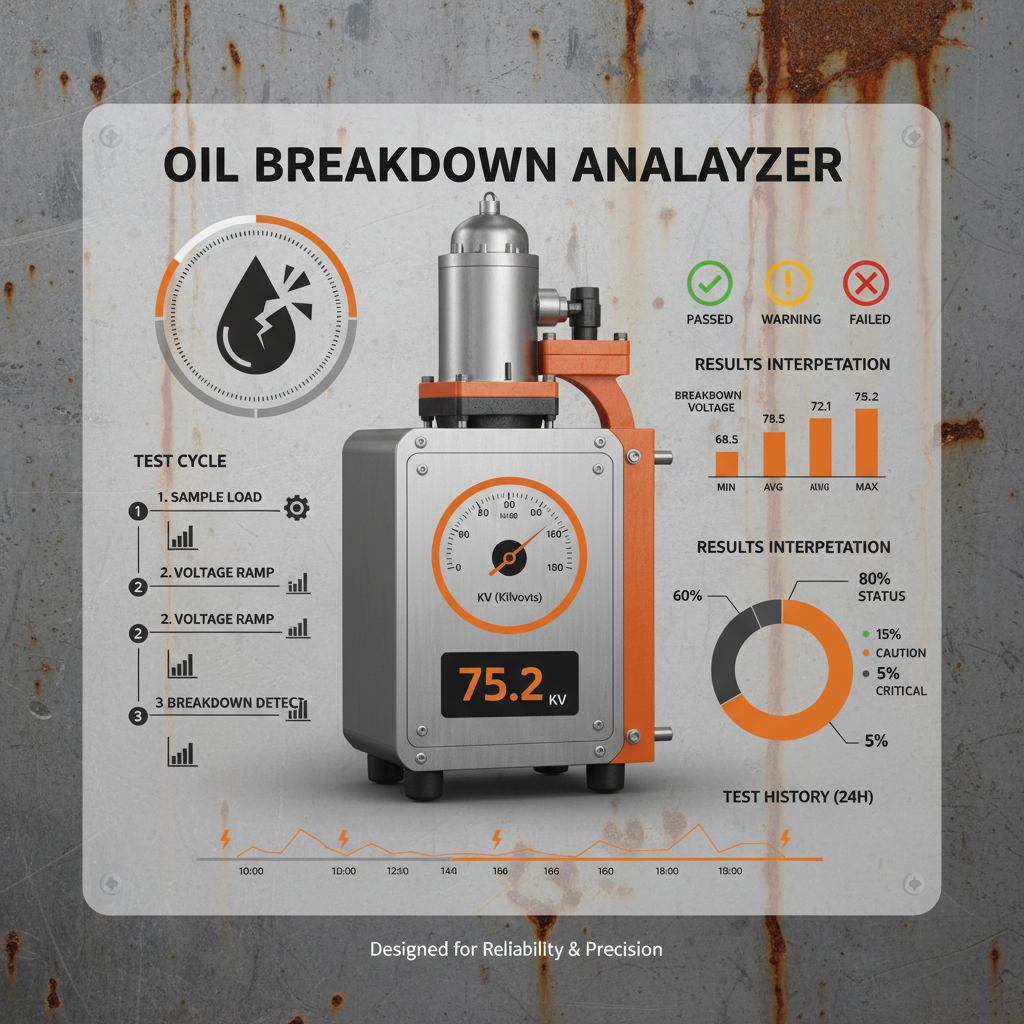
The core function of an oil breakdown tester is to determine whether the oil is still fit for purpose. It assesses key parameters that indicate oil health, such as Total Acid Number (TAN), Water Content, Oxidation Stability, and Viscosity. This information enables proactive maintenance scheduling, reducing the likelihood of equipment failure and associated costs.
The technology behind oil breakdown testers continues to evolve, with advancements in sensor technology and data analytics leading to more accurate and efficient testing procedures. Modern testers often incorporate automated data logging and reporting, simplifying the analysis process and providing valuable historical trends.
Key Factors Influencing Oil Breakdown
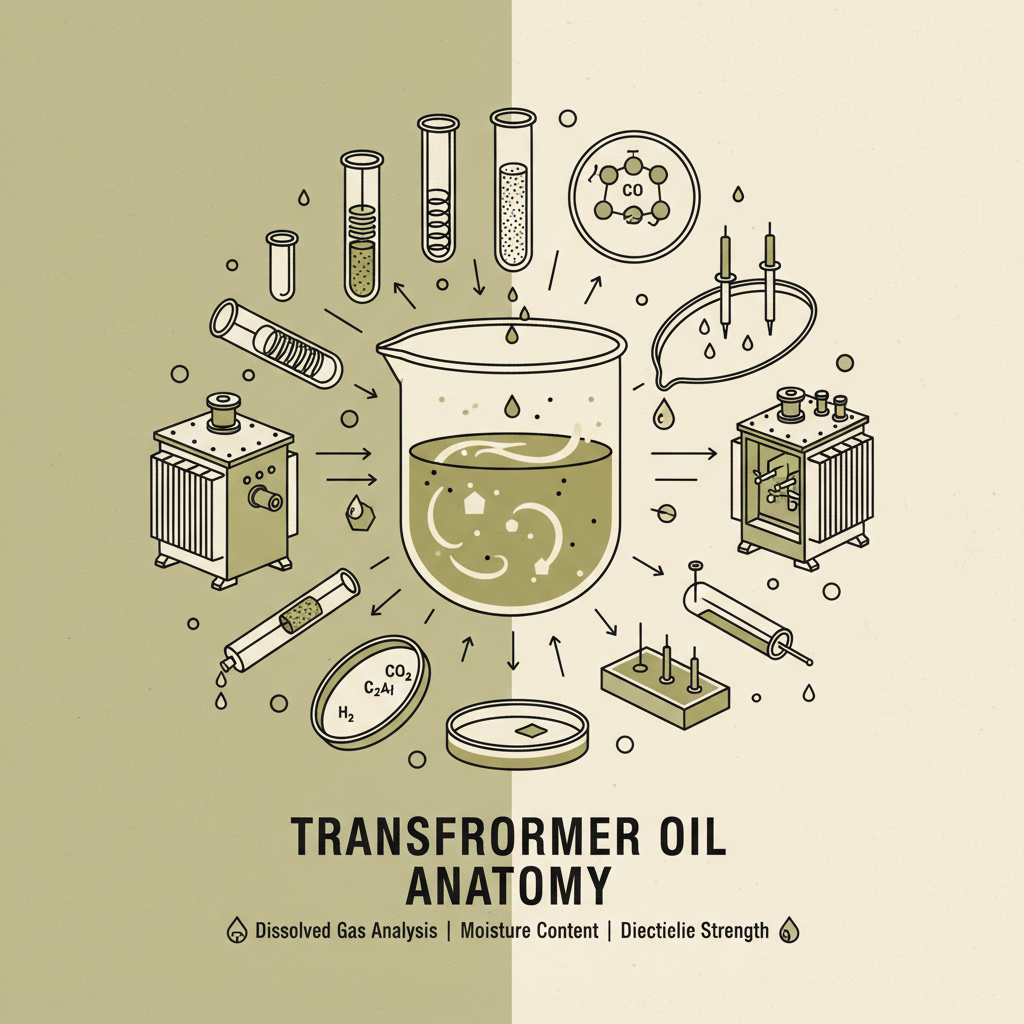
Several factors contribute to the degradation of lubricating oils. Oxidation is a primary driver, occurring when oil reacts with oxygen, leading to the formation of sludge and varnish. Contamination, from sources like water, dirt, and metal particles, also significantly accelerates breakdown. The operating temperature and pressure within the machinery play a crucial role; higher temperatures increase oxidation rates.
Shear stress, resulting from the movement of machine parts, can alter the oil’s viscosity and reduce its ability to protect surfaces. The type of oil itself also matters – synthetic oils generally offer greater resistance to breakdown than mineral oils. Finally, the age of the oil is a significant factor; even under optimal conditions, all oils will eventually degrade over time. Regular testing with an oil breakdown tester helps monitor these variables.
Understanding these contributing factors is vital for implementing effective oil management strategies. Choosing the right oil for the application, maintaining clean operating conditions, and regularly monitoring oil health with a testing device are all crucial steps in minimizing breakdown and maximizing equipment lifespan.
Practical Applications of Oil Breakdown Testers
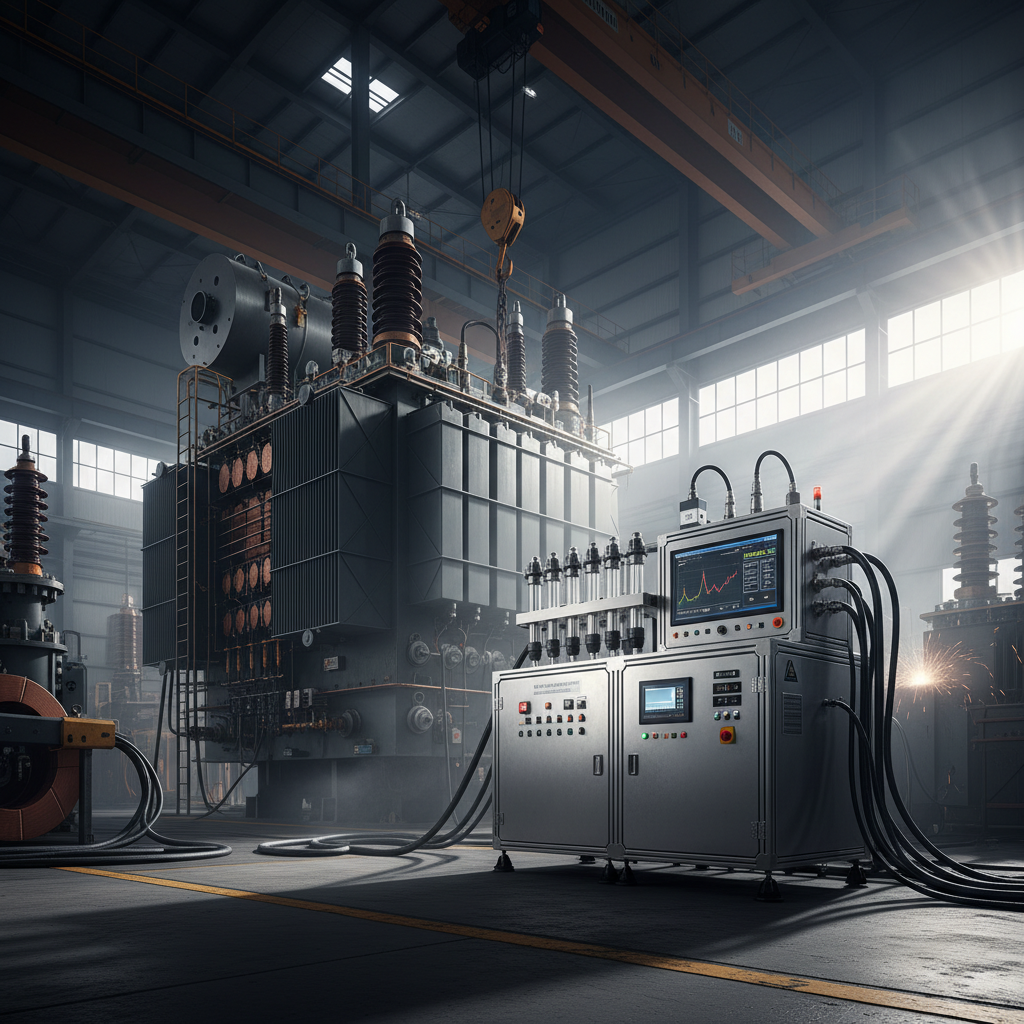
Oil breakdown testers find application in a wide range of industries, including power generation, manufacturing, automotive, marine, and aerospace. In power plants, they are used to monitor turbine oils, ensuring optimal performance and preventing costly outages. Manufacturing facilities rely on them to assess hydraulic oils, gear oils, and cutting fluids.
The automotive sector utilizes oil breakdown testers to evaluate engine oils, transmission fluids, and differential oils, optimizing vehicle maintenance schedules and extending engine life. In marine applications, they are essential for monitoring engine oils and hydraulic systems, particularly in harsh operating environments.
Oil Breakdown Tester Comparison
Global Industries Benefiting from Oil Analysis
The energy sector, including oil and gas, and renewable energy sources like wind and solar, relies heavily on oil analysis to maintain the reliability of turbines, generators, and hydraulic systems. Preventative maintenance enabled by oil breakdown testers minimizes downtime and maximizes energy output.
The manufacturing industry benefits from enhanced production efficiency and reduced maintenance costs through proactive oil monitoring. Industries such as food processing and pharmaceuticals require stringent oil quality control to ensure product safety and regulatory compliance, making oil analysis essential.
Transportation, encompassing automotive, aviation, and marine sectors, utilizes oil analysis to optimize vehicle performance, extend component life, and ensure safety. Efficient oil management contributes to fuel savings and reduced environmental impact across these industries.
Advantages and Long-Term Value
Implementing a comprehensive oil analysis program with an oil breakdown tester offers substantial cost savings by preventing catastrophic equipment failures and extending oil change intervals. It improves equipment reliability, reducing downtime and increasing production efficiency. Furthermore, it minimizes environmental impact by preventing oil leaks and spills.
The long-term value extends beyond financial benefits to include increased safety for personnel, enhanced operational sustainability, and improved brand reputation. Proactive oil management demonstrates a commitment to responsible asset management and environmental stewardship.
Future Trends and Innovations in Oil Breakdown Testing
The future of oil breakdown testing is characterized by increasing automation, real-time monitoring, and integration with digital platforms. The development of advanced sensors and data analytics will enable predictive maintenance, anticipating failures before they occur. The emergence of artificial intelligence (AI) and machine learning (ML) will further enhance diagnostic capabilities.
Sustainability considerations are driving the development of biodegradable lubricants and innovative oil recycling technologies. Remote monitoring and cloud-based data analysis are becoming increasingly prevalent, allowing for centralized management of oil analysis programs across multiple locations. This will promote more efficient and environmentally responsible operation.
These advancements will lead to more informed maintenance decisions, optimized equipment performance, and reduced environmental impact, solidifying the importance of oil breakdown testers in modern industrial operations.
FAQS
The payback period varies based on the size and complexity of your operation, but most companies experience a return on investment within 6-12 months. This is achieved through reduced maintenance costs, minimized downtime, and extended equipment life. Preventing even a single catastrophic failure can often offset the initial cost of the tester.
The frequency of testing depends on the application and operating conditions. As a general guideline, critical equipment should be tested monthly, while less critical equipment can be tested quarterly or semi-annually. Monitoring new oil after a change is also important to establish a baseline.
Most oil breakdown testers are capable of analyzing a wide range of lubricating oils, including mineral oils, synthetic oils, hydraulic fluids, gear oils, turbine oils, and engine oils. Ensure your tester is compatible with the specific oil type used in your equipment.
The level of training required varies depending on the complexity of the tester. Many testers are designed for ease of use and require minimal training. However, interpreting the results and making informed maintenance decisions may require specialized knowledge or consultation with an oil analysis expert.
Traditional oil change schedules are based on time or usage intervals, regardless of the actual oil condition. Oil analysis, using an oil breakdown tester, allows for condition-based oil changes, extending intervals when the oil is still in good condition and preventing premature changes or running oil past its useful life.
Key parameters include viscosity, Total Acid Number (TAN), water content, oxidation levels, and the presence of wear metals. Monitoring these parameters provides a comprehensive assessment of oil condition and potential equipment issues.
Conclusion
In conclusion, the utilization of an oil breakdown tester is no longer a supplementary practice but a foundational element of proactive maintenance strategies. It facilitates cost reduction, enhances equipment reliability, minimizes environmental impact, and ensures operational safety across diverse industries. The insights gleaned from accurate oil analysis empower informed decision-making and contribute to sustainable asset management.
Looking ahead, embracing technological advancements in oil breakdown testing – such as real-time monitoring and AI-driven analytics – will be crucial for optimizing performance and extending equipment lifespan. Investing in these technologies is not merely a matter of cost savings but a commitment to long-term sustainability and operational excellence. Visit our website at www.pushtester.com to learn more.
 English