The global power grid relies heavily on efficient and reliable transformer operation. Maintaining the integrity of transformer oil is paramount to preventing catastrophic failures and ensuring consistent power delivery. The transformer oil tan delta test set plays a critical role in assessing this integrity by quantifying dielectric losses within the oil, providing early warnings of insulation degradation. This proactive approach minimizes downtime, reduces maintenance costs, and safeguards critical infrastructure.
The increasing demands on electrical grids worldwide, coupled with aging infrastructure, necessitate advanced monitoring techniques like tan delta testing. Economic growth, urbanization, and the integration of renewable energy sources all contribute to higher stress levels on transformers. Failing to detect early signs of deterioration can lead to unplanned outages, significant economic losses, and potential safety hazards. Accurate and reliable transformer oil tan delta test set are therefore indispensable tools for modern power utilities.
Furthermore, the push for sustainability and reduced carbon footprints emphasizes the importance of extending the lifespan of existing equipment. Regular monitoring with a transformer oil tan delta test set allows utilities to optimize maintenance schedules, predict potential failures, and avoid premature transformer replacements, thus contributing to resource conservation and environmental responsibility.
The Importance of Transformer Oil Tan Delta Testing
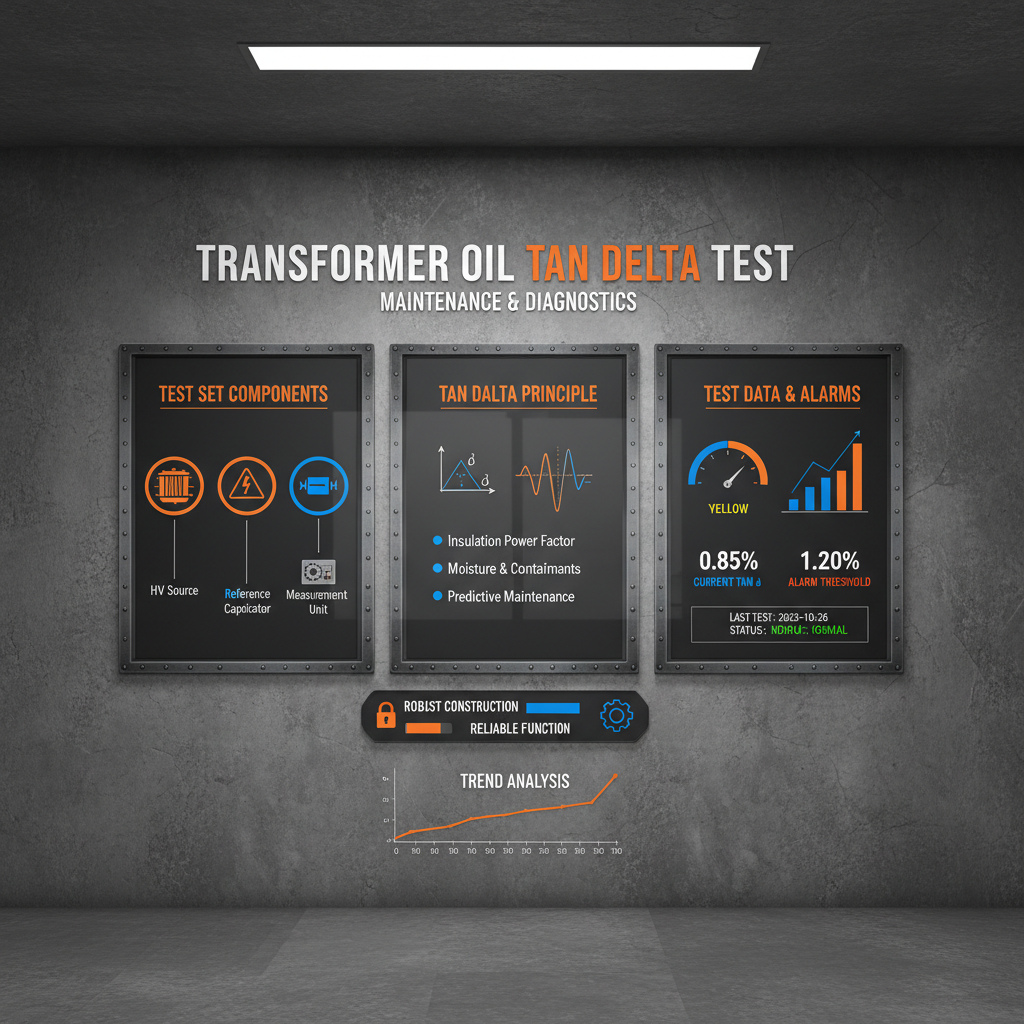
Regular transformer oil tan delta testing is a cornerstone of preventative maintenance programs for power utilities worldwide. It provides a sensitive indicator of insulation condition, detecting subtle changes that may not be apparent through traditional tests like dielectric breakdown voltage. This capability allows for proactive intervention before a catastrophic failure occurs, minimizing downtime and associated costs.
The significance of this testing lies in its ability to identify various degradation mechanisms within the transformer, including moisture ingress, oxidation, and contamination. By monitoring the tan delta value over time, technicians can track the rate of deterioration and make informed decisions regarding oil replacement or other maintenance procedures, thereby extending the transformer's lifespan and optimizing its performance.
Understanding Transformer Oil Tan Delta Test Sets
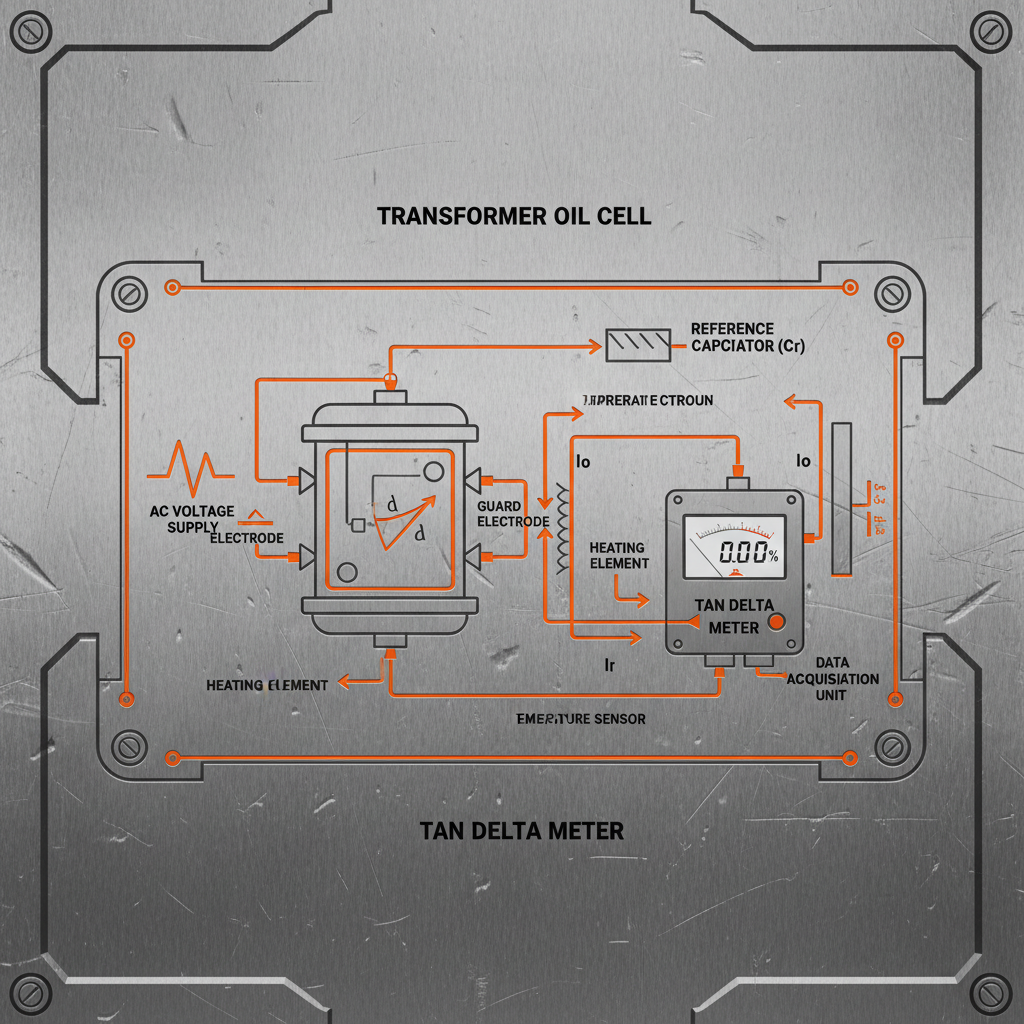
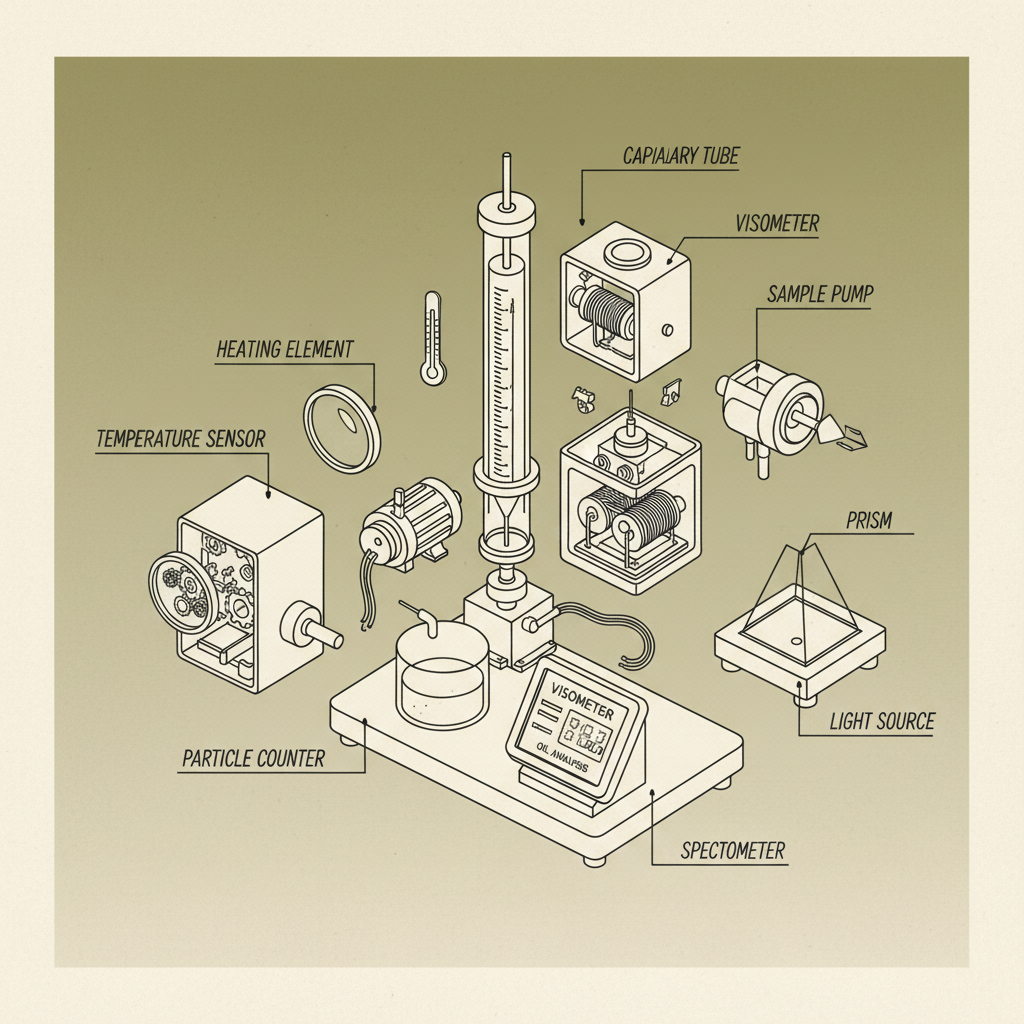
A transformer oil tan delta test set is a specialized instrument designed to measure the dissipation factor, also known as tan delta, of transformer oil. This measurement reflects the energy lost as heat due to dielectric polarization within the oil and its interaction with the insulating materials. Modern test sets utilize advanced circuitry and measurement techniques to provide highly accurate and reliable results.
These instruments typically operate by applying a voltage across a known capacitance and measuring the resulting current. The tan delta value is then calculated as the ratio of the resistive component of the current to the capacitive component. Different types of test sets are available, ranging from portable, handheld devices for field use to sophisticated laboratory-grade instruments for detailed analysis. The choice of test set depends on the specific application and required level of accuracy.
The accuracy and reliability of a transformer oil tan delta test set are crucial for effective transformer monitoring. Calibration and regular maintenance of the instrument are essential to ensure that the measurements are accurate and consistent over time.
Key Factors Influencing Tan Delta Values
Several factors can significantly influence the tan delta value of transformer oil. Moisture content is a primary contributor, as water increases the conductivity of the oil and promotes ionization, leading to higher dielectric losses. Oil oxidation, caused by exposure to oxygen and heat, also increases tan delta as it forms polar compounds.
Contamination from particulate matter, such as sludge or metallic particles, can also elevate tan delta values. Furthermore, the condition of the solid insulation materials within the transformer, like paper or pressboard, plays a role, as degradation of these materials can contribute to dielectric losses. Understanding these factors is crucial for accurate interpretation of tan delta measurements and effective troubleshooting.
Temperature also impacts tan delta, with higher temperatures generally leading to increased values. Therefore, it’s vital to perform tests at a standardized temperature or apply appropriate temperature correction factors to ensure consistent and comparable results. Careful consideration of these variables is essential when using a transformer oil tan delta test set.
Practical Applications in Power Systems
In power utilities, transformer oil tan delta test set are used extensively for routine monitoring of transformers in substations and power plants. Measurements are taken periodically to establish a baseline and track changes over time. This data is used to identify transformers that require further investigation or maintenance.
They are also crucial for commissioning new transformers, ensuring that the oil is clean and dry before being placed into service. Following major repairs or oil processing, tan delta testing verifies the effectiveness of the maintenance procedures. In industrial settings, similar principles apply, with proactive monitoring ensuring the reliable operation of critical transformers powering manufacturing processes.
Transformer Oil Tan Delta Test Set – Method Comparison
Advantages and Long-Term Value Proposition
Implementing a proactive monitoring program using a transformer oil tan delta test set offers substantial long-term benefits. Reduced downtime translates to increased revenue and improved service reliability. Early detection of insulation degradation allows for planned maintenance, minimizing costly emergency repairs.
The ability to extend the lifespan of transformers through optimized maintenance also provides significant cost savings. Furthermore, a robust monitoring program enhances safety by preventing catastrophic failures and protecting personnel and equipment. This translates to a strong return on investment and a more sustainable operational model.
Future Trends and Technological Advancements
The field of transformer oil monitoring is undergoing continuous innovation. Advancements in sensor technology are leading to the development of online monitoring systems that provide real-time data on tan delta and other key parameters. These systems offer continuous insights into transformer health, enabling even more proactive maintenance strategies.
Integration with data analytics and machine learning algorithms is also gaining traction, allowing for predictive maintenance and optimized asset management. The development of more portable and user-friendly transformer oil tan delta test set is making this technology more accessible to a wider range of users.
Challenges and Solutions in Implementation
Despite the numerous benefits, implementing a comprehensive transformer oil monitoring program can present challenges. These include the initial investment cost of the equipment, the need for trained personnel to perform the tests and interpret the results, and the potential for variability in testing procedures.
Solutions include investing in robust and reliable transformer oil tan delta test set, providing thorough training to technicians, and establishing standardized testing protocols. Remote monitoring and data analytics can also help overcome logistical challenges and provide valuable insights into transformer health.
Summary of Challenges and Corresponding Solutions for Transformer Oil Tan Delta Testing
| Challenge |
Impact on Test Results |
Proposed Solution |
Implementation Cost (Scale 1-10) |
| Inconsistent Testing Procedures |
Varied Tan Delta Values, Difficult Trend Analysis |
Standardize Testing Protocols & Technician Training |
5 |
| Lack of Skilled Personnel |
Misinterpretation of Results, Incorrect Maintenance |
Comprehensive Training Programs & Certification |
7 |
| High Initial Equipment Cost |
Delayed Implementation of Monitoring Program |
Phased Implementation & Lease Options |
8 |
| Environmental Temperature Variations |
Inaccurate Readings Without Temperature Correction |
Automated Temperature Compensation & Controlled Testing |
4 |
| Oil Contamination |
Elevated Tan Delta, Masking True Insulation Condition |
Regular Oil Sampling & Filtration/Replacement |
6 |
| Data Management & Analysis |
Difficulty Identifying Trends & Predicting Failures |
Utilize Data Analytics Software & Cloud Storage |
5 |
FAQS
The frequency of testing depends on factors like transformer age, load, and environmental conditions. Generally, initial testing is performed after commissioning, followed by regular tests annually, or every few years for less critical transformers. Increased frequency may be needed for aging transformers or those operating under heavy loads. Consistent monitoring with a transformer oil tan delta test set provides a historical baseline for comparison.
Acceptable values vary based on transformer type and oil condition. Typically, values below 0.1% are considered good, while values between 0.1% and 0.2% may indicate moderate degradation. Values exceeding 0.2% warrant further investigation. It’s crucial to compare current readings to historical data and manufacturer specifications to determine acceptable limits using a reliable transformer oil tan delta test set.
Moisture significantly increases tan delta values. Water lowers the dielectric strength of the oil, promoting ionization and increasing energy losses. Even small amounts of moisture can noticeably elevate tan delta readings. Accurate moisture content measurement alongside tan delta testing is vital for proper assessment of oil condition, and a quality transformer oil tan delta test set will aid in this.
While tan delta testing doesn’t directly detect partial discharge, it can indicate the presence of insulation defects that cause or are affected by partial discharge. Elevated tan delta values can be a symptom of partial discharge activity, prompting further investigation with dedicated partial discharge detection methods.
Always follow manufacturer's safety guidelines for the transformer oil tan delta test set. Wear appropriate personal protective equipment (PPE), including insulated gloves and safety glasses. Ensure the transformer is de-energized and properly grounded before connecting the test equipment. Work in a well-ventilated area and avoid contact with oil.
Testing oil tan delta measures the dielectric properties of the oil itself, indicating contamination or degradation of the oil. Testing solid insulation tan delta (e.g., paper) measures the condition of the insulation materials within the transformer, identifying degradation of the solid components. Both tests are valuable, and a comprehensive assessment uses both for a full understanding of transformer health.
Conclusion
In conclusion, the transformer oil tan delta test set is an indispensable tool for maintaining the reliability and longevity of power transformers. By providing a sensitive measure of insulation condition, it enables proactive maintenance, reduces downtime, and enhances safety. Regular monitoring and accurate interpretation of results are essential for optimizing transformer performance and ensuring a stable power supply.
Looking ahead, the integration of advanced technologies like online monitoring and data analytics will further enhance the capabilities of transformer oil testing. Investing in robust testing programs and skilled personnel is crucial for utilities and industries striving for greater efficiency, sustainability, and resilience in the face of growing energy demands. Visit our website at www.pushtester.com to learn more about our range of transformer oil testing solutions.
 English