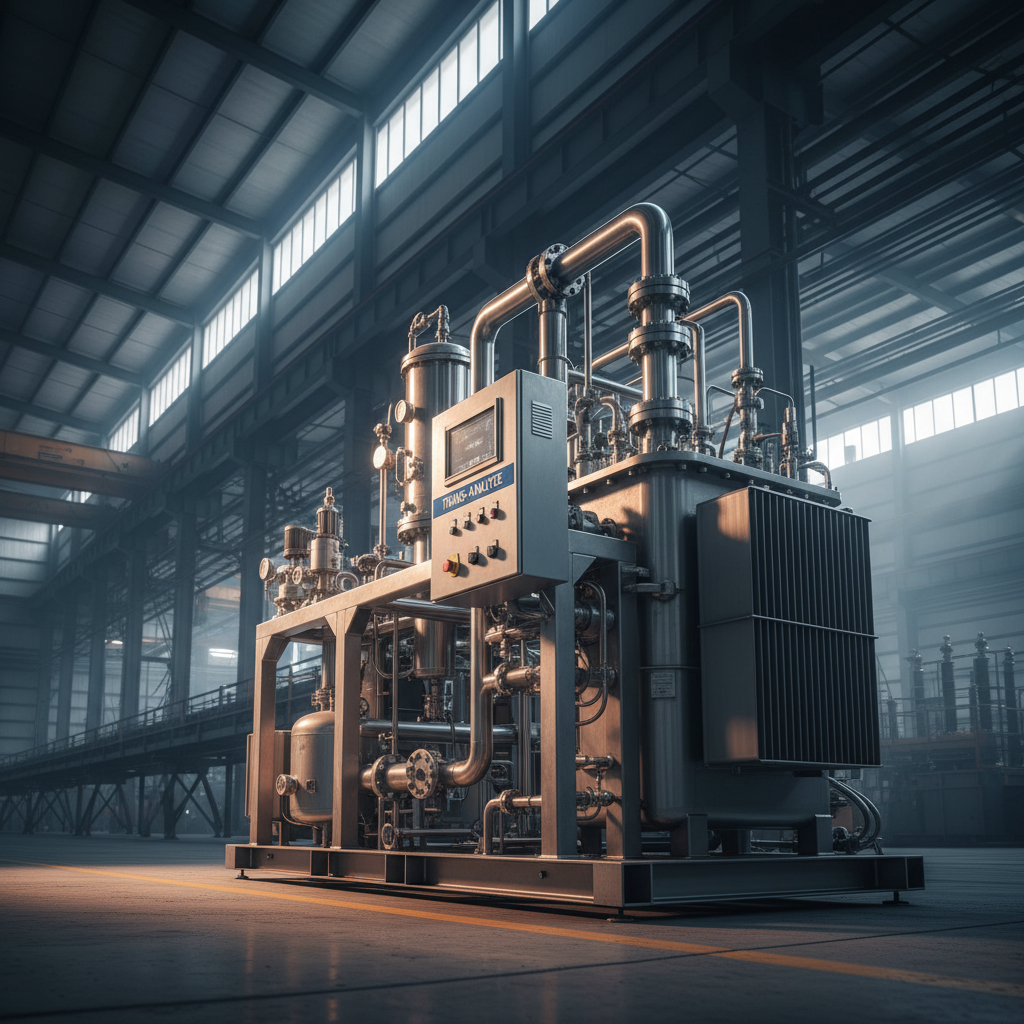
Transformer oil testing equipment is crucial for maintaining the reliability and longevity of electrical transformers, which are essential components of modern power grids. These sophisticated instruments analyze the condition of the insulating oil within transformers, detecting potential issues before they lead to costly failures and power outages. The global demand for efficient and dependable power necessitates robust transformer maintenance programs, and transformer oil testing equipment forms the core of these programs.
The increasing complexity of power systems, coupled with the aging infrastructure in many parts of the world, elevates the importance of preventative maintenance. Regular oil analysis, enabled by this equipment, helps utilities and industrial facilities optimize transformer performance, minimize downtime, and extend asset life. Investment in accurate and reliable testing solutions translates directly into improved grid stability and reduced operational costs.
Ultimately, the role of transformer oil testing equipment extends beyond mere maintenance; it’s a cornerstone of ensuring a secure and sustainable energy future. Understanding the intricate data these instruments provide is vital for proactive decision-making and optimizing the efficiency of electrical power infrastructure worldwide.
The Importance of Transformer Oil Testing Equipment
The health of a transformer's insulating oil is directly linked to the transformer's operational lifespan and efficiency. Transformer oil testing equipment provides the vital data needed to assess this health, revealing the presence of contaminants, moisture, and degradation byproducts. Without regular testing, subtle issues can escalate into catastrophic failures, causing significant financial losses and potential safety hazards.
Preventative maintenance, driven by precise oil analysis, is far more cost-effective than reactive repairs or complete transformer replacements. Modern equipment offers a comprehensive suite of tests, from basic dielectric strength measurements to advanced dissolved gas analysis (DGA), enabling proactive interventions and ensuring continuous, reliable power delivery.
Defining Transformer Oil Testing Equipment
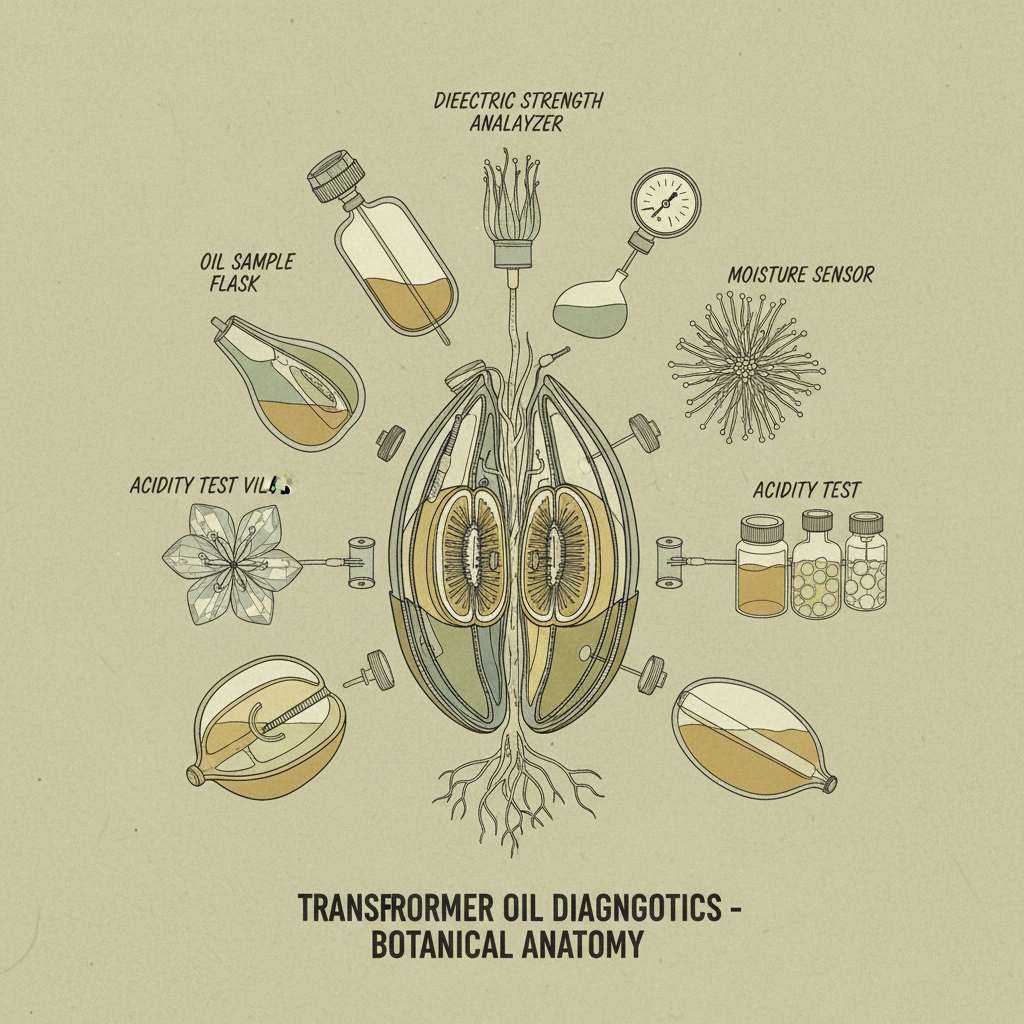
Transformer oil testing equipment encompasses a range of instruments designed to evaluate the physical and chemical properties of transformer insulating oil. This equipment isn’t just about identifying problems; it's about understanding the rate of deterioration, allowing for predictive maintenance scheduling. The equipment typically includes instruments for measuring breakdown voltage, water content, acidity, interfacial tension, and dissolved gas levels.
In essence, these tools act as diagnostic systems for transformers, providing insights into their internal condition without requiring disruptive disassembly. The data obtained informs maintenance decisions, allowing engineers to address potential issues before they result in unscheduled outages and costly repairs.
The connection to modern industry is profound, underpinning the reliable operation of power generation, transmission, and distribution networks. Humanitarian needs also benefit, as a stable power supply is critical for hospitals, emergency services, and communication infrastructure.
Core Components and Key Factors
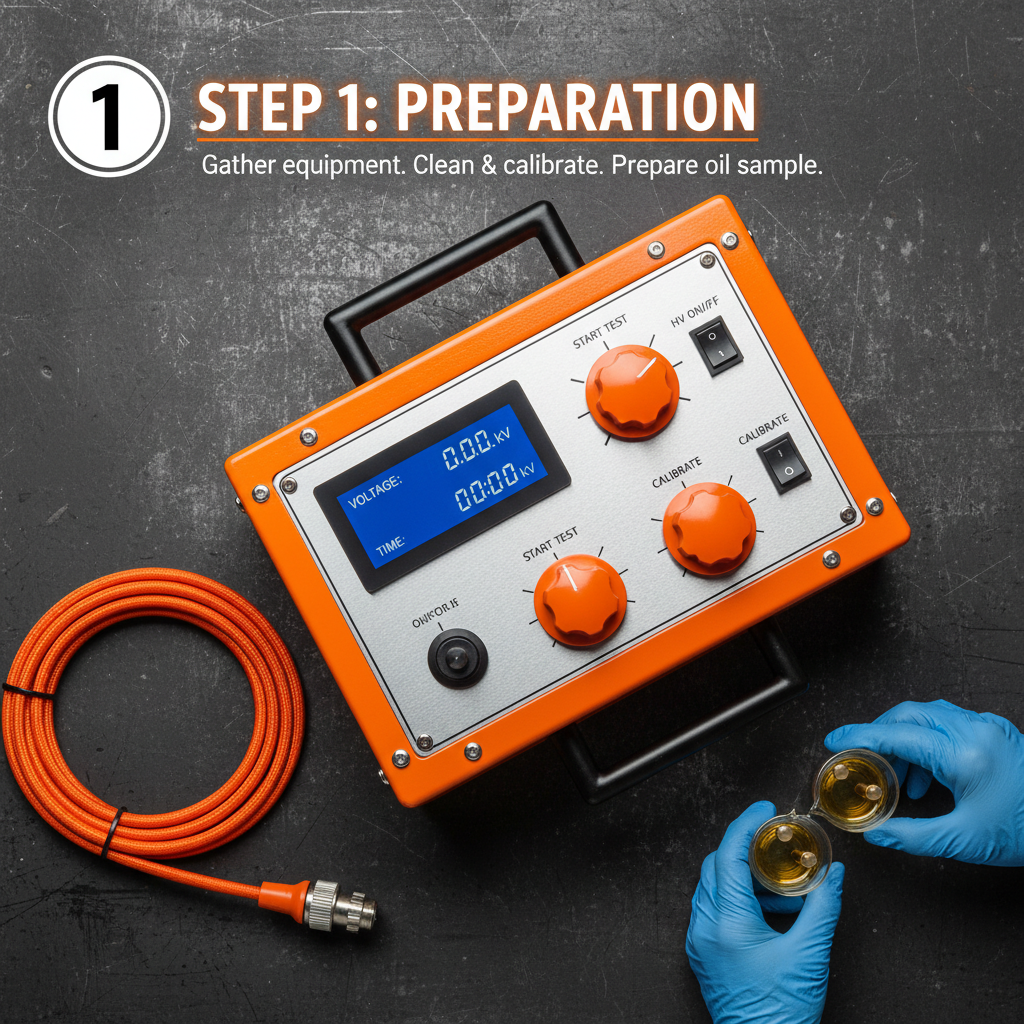
Accuracy and Precision: The core function of transformer oil testing equipment relies on delivering accurate and repeatable results. Highly sensitive sensors and calibrated instruments are paramount to reliably detect subtle changes in oil properties, allowing for early problem identification.
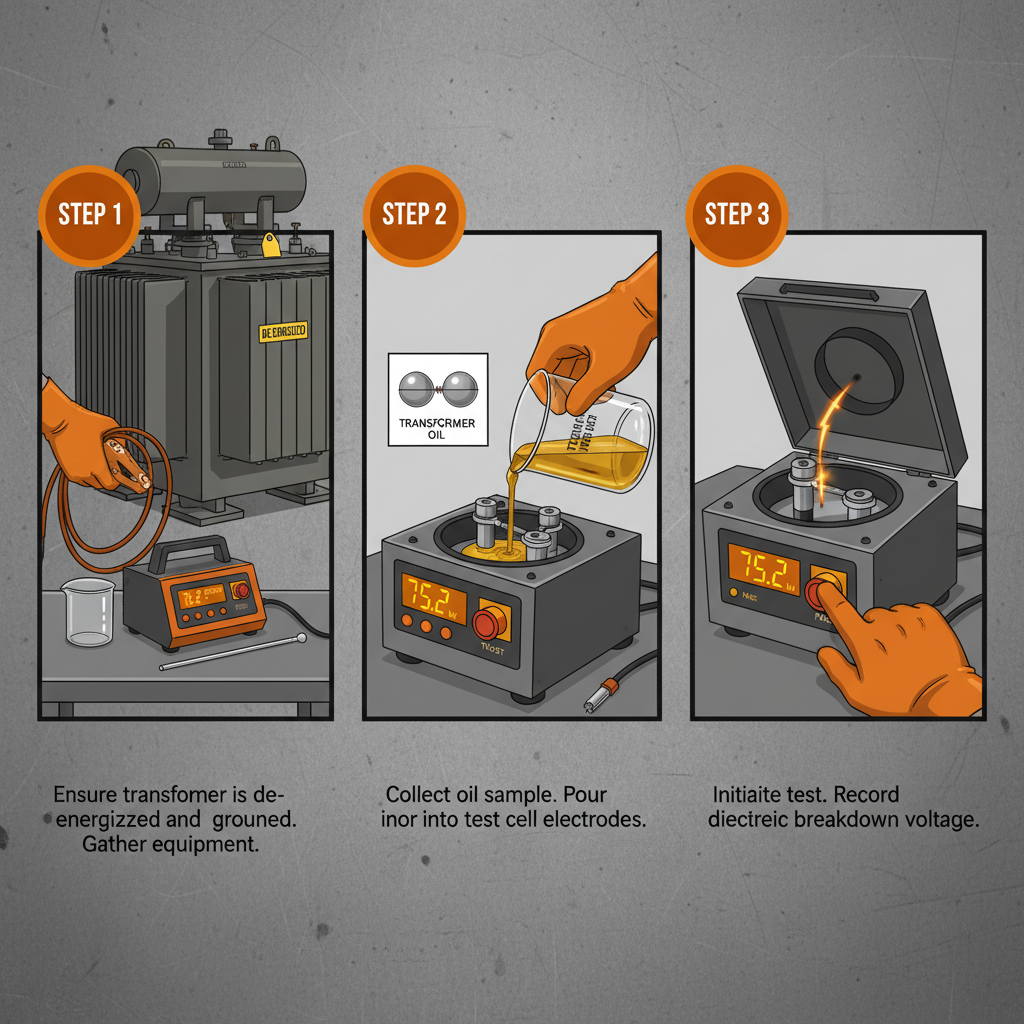
Comprehensive Testing Capabilities: Effective equipment should offer a diverse range of tests, including dielectric breakdown voltage, water content (Karl Fischer titration), acidity, oxidation inhibition, and dissolved gas analysis (DGA). A comprehensive analysis provides a holistic view of the oil’s condition and the transformer’s health.
Ease of Use and Data Management: User-friendly interfaces and robust data management software are essential for efficient operation. Automated testing procedures, data logging, and report generation capabilities streamline the analysis process and reduce the potential for human error.
Global Applications and Diverse Use Cases
Transformer oil testing equipment finds applications across a broad spectrum of industries and geographical regions. Power utilities worldwide rely on these tools to maintain the integrity of their transmission and distribution networks, preventing widespread outages and ensuring a stable power supply. Industrial facilities, including manufacturing plants and data centers, utilize this equipment to protect critical electrical assets.
In remote industrial zones, where access to skilled technicians is limited, portable and robust testing kits are especially valuable. Similarly, in post-disaster relief operations, rapid oil analysis can help assess the condition of damaged transformers and prioritize restoration efforts.
Developing countries, undergoing rapid electrification, are increasingly investing in transformer oil testing equipment to improve grid reliability and minimize energy losses. Furthermore, renewable energy projects, such as wind farms and solar power plants, require careful transformer maintenance to maximize energy production and ensure long-term operational efficiency.
Transformer Oil Testing Equipment Method Comparison
Advantages and Long-Term Value Proposition
Investing in transformer oil testing equipment delivers substantial long-term benefits, far outweighing the initial cost. Reduced downtime due to preventative maintenance translates to significant savings in lost production and repair expenses. Moreover, extending the lifespan of transformers reduces the need for costly replacements, contributing to a lower total cost of ownership.
From a sustainability perspective, proactive maintenance minimizes energy losses and promotes more efficient power delivery. The resulting reduction in carbon emissions contributes to a greener energy future. Furthermore, enhanced grid reliability enhances public safety and strengthens community resilience.
Future Trends and Technological Innovations
The future of transformer oil testing equipment is poised for significant advancements. Miniaturization and portability will continue, leading to more convenient and accessible testing solutions. The integration of advanced sensors and artificial intelligence (AI) will enable real-time monitoring and predictive analytics, providing even greater insights into transformer health.
Online oil monitoring systems, capable of continuously analyzing oil properties without interrupting transformer operation, are gaining traction. These systems, combined with cloud-based data analytics, will facilitate remote diagnostics and proactive maintenance scheduling, optimizing asset management and minimizing operational risks.
Challenges and Innovative Solutions
One challenge in transformer oil testing is the interpretation of complex data, particularly from Dissolved Gas Analysis (DGA). Identifying the root cause of detected gases requires expertise and experience. Innovative software solutions, incorporating AI and machine learning algorithms, are being developed to automate this process and provide more accurate diagnoses.
Another challenge is the cost of certain advanced tests. Developing more affordable and accessible testing solutions is crucial for wider adoption, particularly in developing countries. Furthermore, standardization of testing procedures and data formats is essential to ensure compatibility and facilitate data sharing across different utilities and organizations.
Remote diagnostics and expert support, delivered through online platforms and virtual reality (VR) technologies, can address the shortage of skilled technicians in remote locations. Ultimately, overcoming these challenges will unlock the full potential of transformer oil testing equipment and drive further improvements in grid reliability and sustainability.
Summary of Common Transformer Oil Issues and Testing Solutions
| Issue Type |
Primary Test Method |
Severity Indicator |
Recommended Action |
| Moisture Contamination |
Karl Fischer Titration |
PPM Level >30 |
Oil Regeneration or Replacement |
| Oil Oxidation |
Acidity Test |
Acidity >0.1 mg KOH/g |
Inhibitor Addition or Oil Replacement |
| Partial Discharge |
Dissolved Gas Analysis (DGA) |
Hydrogen/Nitrogen Ratio Increase |
Detailed Inspection & Repair |
| Contamination from Sludge |
Interfacial Tension |
IFT
|
Oil Filtration and Cleaning |
| Low Dielectric Strength |
Dielectric Breakdown Voltage |
BDV
|
Oil Replacement or Filtration |
| Paper Degradation |
Furan Analysis (DGA) |
Furan Compound Levels Increasing |
Detailed Transformer Assessment |
FAQS
Transformer oil's lifespan can vary significantly depending on operating conditions, but typically ranges from 10 to 20 years. Regular testing, particularly monitoring for oxidation, moisture, and contamination, allows for proactive interventions like oil regeneration or inhibitor addition. Addressing these issues early prevents the oil from degrading rapidly, thus extending its functional life and delaying the need for expensive oil replacements.
The frequency of transformer oil testing depends on several factors including the transformer's age, loading, environmental conditions, and historical oil analysis results. A common practice is to conduct a comprehensive initial test and then follow up with annual routine tests. Transformers with a history of issues or operating under heavy loads may require more frequent testing (e.g., semi-annually or even quarterly).
Dissolved Gas Analysis (DGA) identifies the presence and concentration of various gases dissolved in transformer oil. These gases, such as hydrogen, methane, ethane, ethylene, and acetylene, are produced by the decomposition of oil and solid insulation due to thermal or electrical stresses. Analyzing the type and quantity of gases present can reveal developing faults like overheating, partial discharge, or arcing, allowing for proactive maintenance.
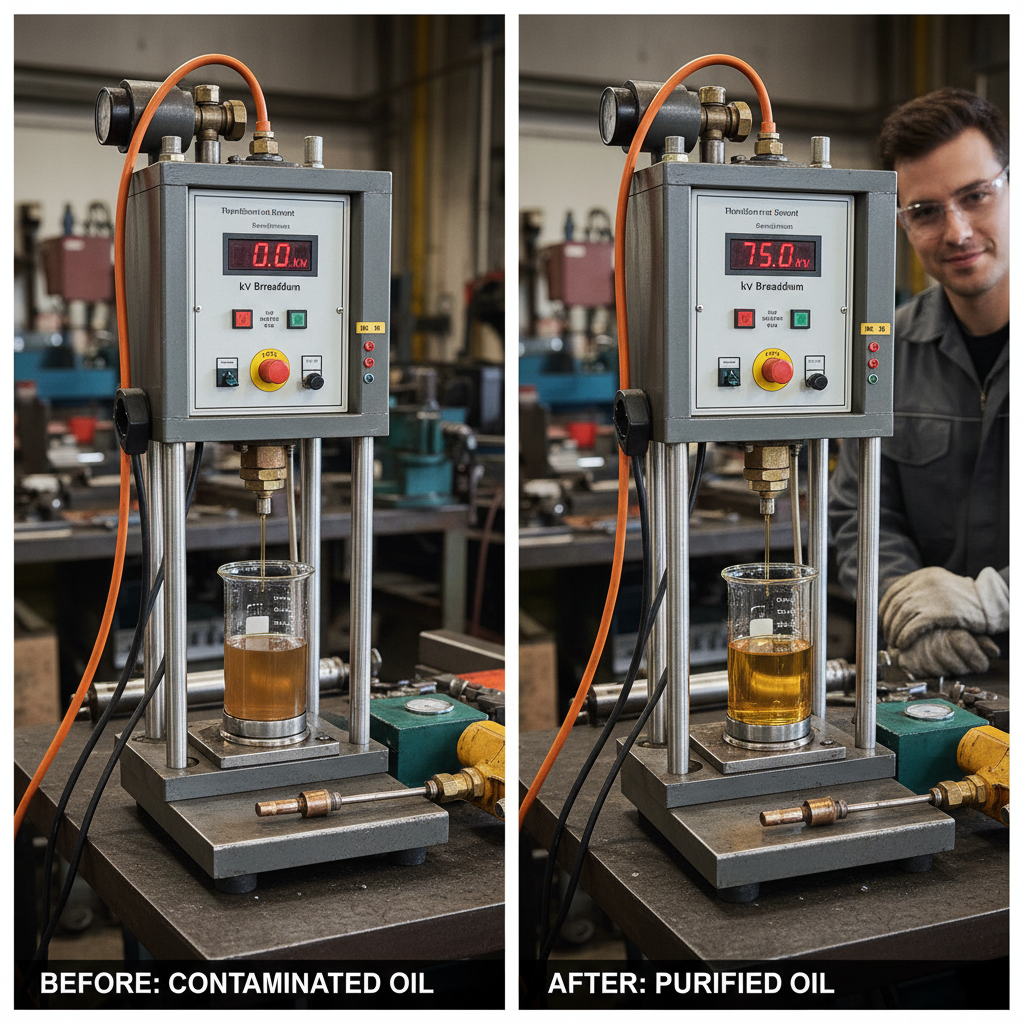
Water in transformer oil significantly reduces its dielectric strength, increasing the risk of electrical breakdown. It also accelerates the oxidation of oil and promotes corrosion of metal components. Maintaining low water content is crucial for preserving the oil's insulating properties and extending the transformer’s life. The Karl Fischer titration method is commonly used to accurately measure water content.
Increased acidity in transformer oil indicates oxidation and the formation of acidic byproducts. These acids accelerate the deterioration of both the oil and the solid insulation, leading to sludge formation and reduced insulation performance. Monitoring oil acidity is vital for determining the oil's remaining life and the need for inhibitor addition or oil replacement.
Transformer oil testing involves working with electrical equipment and potentially hazardous chemicals. Essential safety precautions include wearing appropriate personal protective equipment (PPE) like gloves and eye protection, following established lockout/tagout procedures, ensuring proper ventilation, and handling oil samples carefully to avoid spills. Always adhere to the manufacturer’s safety guidelines for the specific testing equipment being used.
Conclusion
In conclusion, transformer oil testing equipment is an indispensable component of modern power infrastructure maintenance. By providing critical insights into the condition of transformer oil, these instruments enable proactive interventions, prevent costly failures, and enhance grid reliability. From routine testing to advanced diagnostic analysis, the data generated by this equipment empowers utilities and industries to optimize asset management and ensure a stable power supply.
Looking ahead, continued innovation in transformer oil testing technology, coupled with advancements in data analytics and remote monitoring, will play a crucial role in building a more resilient and sustainable energy future. Investing in robust testing programs and embracing new technologies is not merely a matter of cost savings; it’s a commitment to safety, efficiency, and responsible energy stewardship. Learn more about our solutions at www.pushtester.com.
 English