The integrity and reliability of electrical systems are paramount in today’s interconnected world. Ensuring these systems can withstand voltage surges and maintain operational stability requires precise testing and evaluation. This is where a breakdown voltage tester becomes indispensable. These instruments are crucial for safeguarding equipment, preventing failures, and ultimately, ensuring safety across a wide range of industries. The ability to accurately determine the voltage at which insulation breaks down is a fundamental aspect of electrical engineering and quality control.
From the power grid to sophisticated medical devices, the consequences of electrical failure can be severe, ranging from economic losses to life-threatening situations. The demand for robust and dependable electrical components is constantly increasing, driving the need for advanced testing methodologies. A breakdown voltage tester serves as a vital tool in meeting these demands, helping manufacturers and engineers verify the performance and safety of their products. Its widespread application highlights its importance in maintaining a secure and efficient electrical infrastructure.
Understanding the principles and applications of breakdown voltage testing is not merely a technical necessity; it’s a cornerstone of modern safety and technological advancement. The evolution of these testers has mirrored the growing complexity of electrical systems, leading to increasingly sophisticated and accurate instruments. Consequently, professionals across multiple disciplines need to understand their role in ensuring the safety and reliability of electrical components through precise breakdown voltage measurements.
The Importance of Breakdown Voltage Testing
Breakdown voltage testing is fundamental to ensuring the safety and reliability of electrical insulation. It identifies the maximum voltage an insulating material can withstand before experiencing dielectric failure. This testing is not limited to just identifying failure points; it also provides insights into the quality of materials and manufacturing processes. A robust breakdown voltage tester and a well-defined testing procedure are crucial for preventing catastrophic failures that can lead to significant financial losses and, more importantly, endanger human lives.
The consequences of ignoring breakdown voltage testing can be severe. In sectors like aerospace, automotive, and power distribution, even minor insulation failures can lead to widespread disruptions and safety hazards. Therefore, regulatory standards and industry best practices consistently emphasize the importance of regular and thorough breakdown voltage testing, relying on instruments like the breakdown voltage tester to verify compliance and maintain operational safety.
Defining a Breakdown Voltage Tester
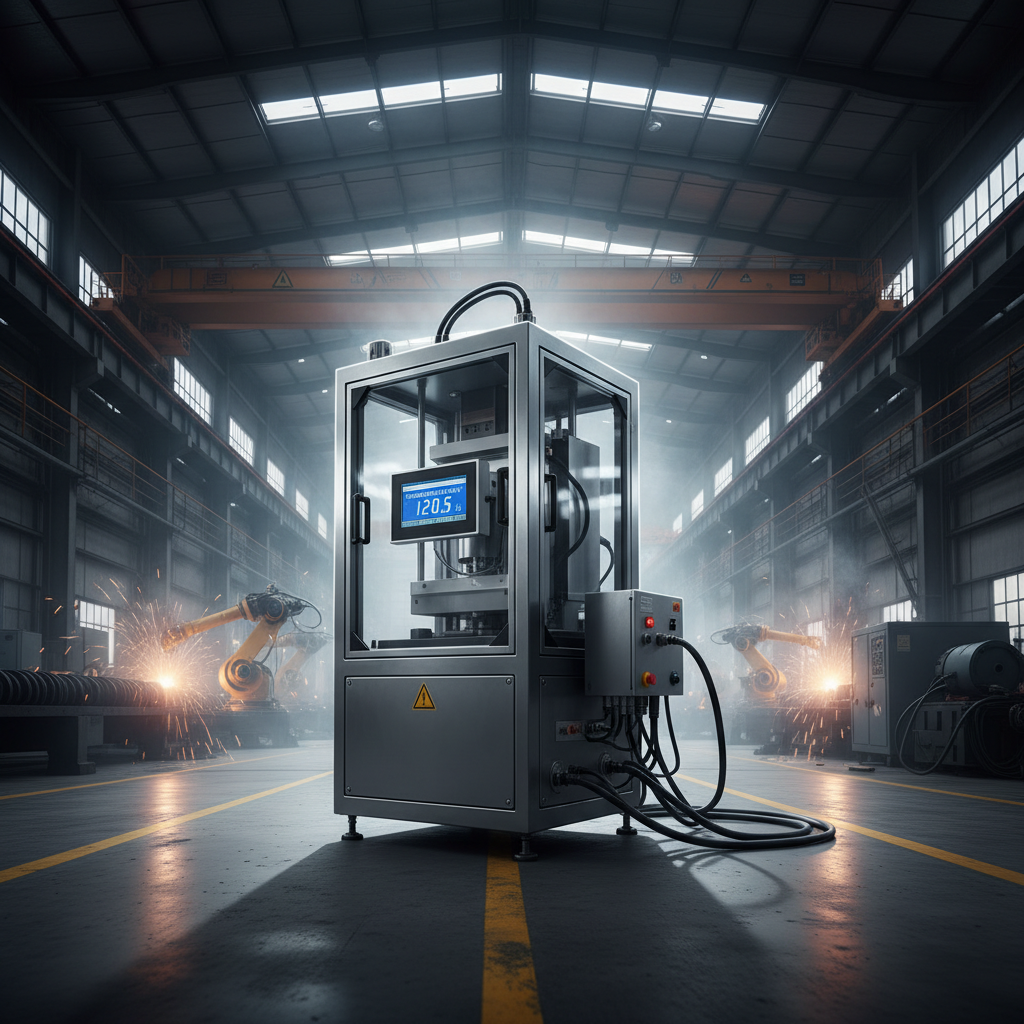
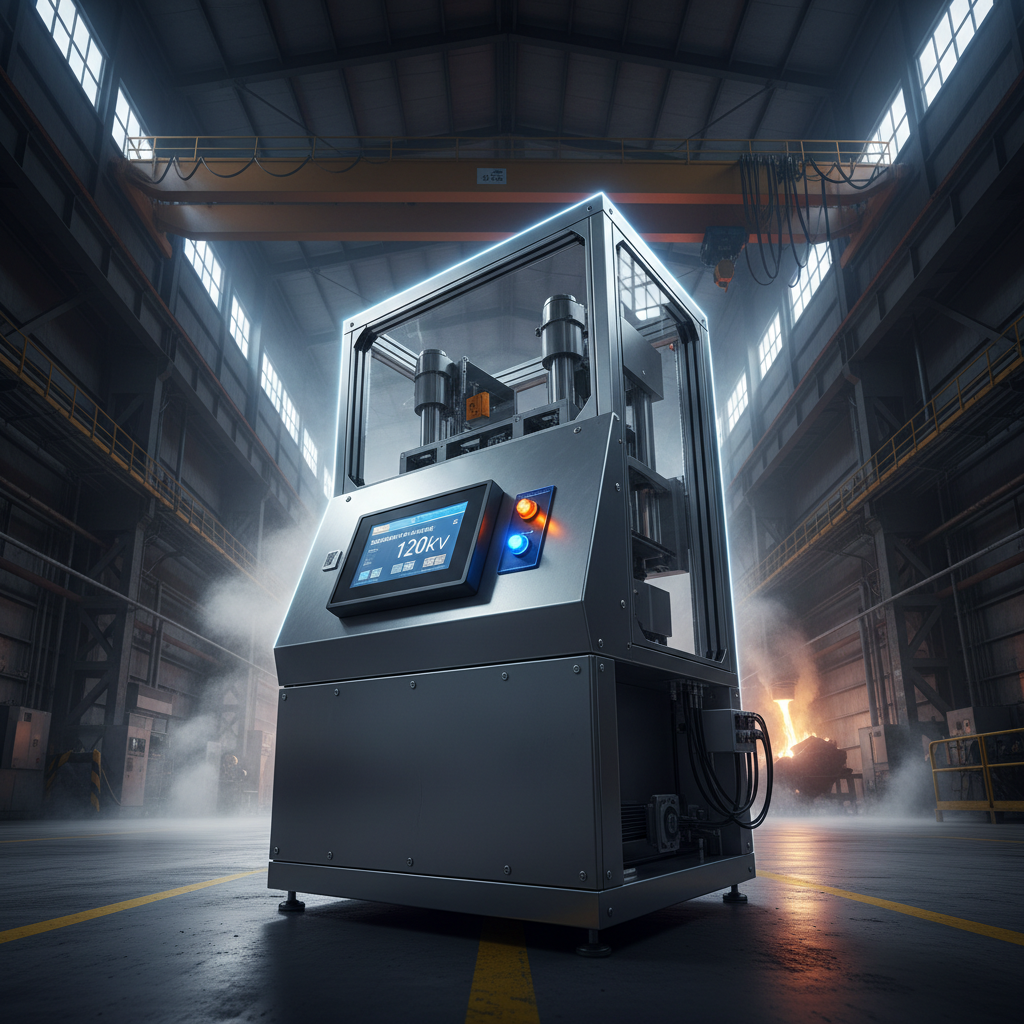
A breakdown voltage tester is an instrument designed to determine the dielectric strength of insulating materials. It applies a continuously increasing voltage to a sample until the insulation fails, or “breaks down,” allowing current to flow. The voltage at which this occurs is the breakdown voltage, a critical parameter in assessing the quality and suitability of the insulation for its intended application. The tester precisely measures this voltage, providing a quantifiable metric for insulation performance.
These testers aren't just limited to assessing materials; they are integral in evaluating the complete assembly of electrical components. This includes testing cables, transformers, insulators, and other essential elements of an electrical system. A quality breakdown voltage tester incorporates features like adjustable voltage ramp rates, precise current monitoring, and automated data logging, providing a comprehensive evaluation of the insulation’s resilience.
Modern breakdown voltage testers play a critical role in supporting the global demand for increasingly efficient and reliable electrical systems. They bridge the gap between theoretical material properties and real-world performance, enabling engineers and manufacturers to design and build safer, more durable products that meet stringent industry standards.
Core Components of a Breakdown Voltage Tester
Understanding the core components of a breakdown voltage tester provides insight into how these instruments deliver accurate and reliable results. Firstly, the high-voltage power supply is critical, generating the adjustable voltage needed for the test. This must be stable and precisely controllable to ensure accurate measurements. Secondly, the voltage and current measurement circuits accurately monitor the applied voltage and resulting current during the test.
The control and interface unit forms another key component, allowing operators to set testing parameters like voltage ramp rate, test duration, and safety limits. Modern testers often feature digital interfaces and data logging capabilities. Finally, the safety features, including grounding mechanisms and interlocks, are paramount to protect both the operator and the equipment during high-voltage testing, preventing accidental shocks or damage.
These components work in concert to provide a comprehensive and safe testing environment. The quality and precision of each component contribute directly to the overall accuracy and reliability of the breakdown voltage tester, making it a valuable asset in various electrical engineering applications.
Key Factors Influencing Breakdown Voltage
Several factors significantly influence the breakdown voltage of insulating materials. Temperature plays a critical role – higher temperatures generally reduce breakdown voltage as increased molecular activity makes the material less resistant to voltage stress. Humidity is another key factor; moisture absorption weakens the insulation, lowering its breakdown voltage. The type of insulating material itself is paramount; different materials like epoxy, silicone, and polymers possess inherently different dielectric strengths.
Breakdown Voltage Tester Method Comparison
Global Applications and Industries Served
The applications of breakdown voltage testers are incredibly diverse, spanning numerous industries globally. The power generation and distribution sector relies heavily on these testers to ensure the integrity of high-voltage equipment like transformers, circuit breakers, and transmission lines. The automotive industry utilizes them to verify the insulation of wiring harnesses, electric motors, and battery systems in both conventional and electric vehicles.
In aerospace, the stringent safety requirements necessitate rigorous breakdown voltage testing of aircraft wiring, insulation, and avionics systems. Furthermore, the medical device industry relies on accurate testing of insulation in life-supporting equipment, such as defibrillators and patient monitoring systems. Even in research and development, breakdown voltage testers are used to characterize new materials and optimize insulation designs. This global reach underscores the universal need for electrical safety and reliability.
Advantages and Long-Term Value Proposition
Investing in a high-quality breakdown voltage tester offers numerous advantages beyond simply verifying insulation integrity. By preventing equipment failures, these testers contribute to significant cost savings by reducing downtime, repair expenses, and potential production losses. Their role in enhancing safety not only protects personnel but also mitigates the risk of legal liabilities and reputational damage.
The long-term value extends beyond immediate cost benefits. Accurate breakdown voltage testing promotes sustainability by extending the lifespan of electrical equipment and reducing the need for premature replacements. Ultimately, the peace of mind that comes with knowing your electrical systems are safe and reliable is invaluable. This combination of economic, safety, and environmental benefits makes a breakdown voltage tester a wise investment for any organization dealing with electrical equipment.
Future Trends and Innovations in Breakdown Voltage Testing
The field of breakdown voltage testing is continually evolving, driven by advancements in materials science and the increasing complexity of electrical systems. A key trend is the integration of artificial intelligence (AI) and machine learning (ML) to analyze test data and predict potential failures. This allows for proactive maintenance and optimized insulation designs. Furthermore, the development of more portable and automated breakdown voltage testers is enhancing testing efficiency and accessibility.
Another significant trend is the incorporation of advanced sensing technologies, such as partial discharge measurement, to provide a more comprehensive assessment of insulation condition. These innovations, coupled with a growing focus on sustainable energy and smart grids, are shaping the future of breakdown voltage testing, ensuring it remains at the forefront of electrical safety and reliability.
Summary of Factors Influencing Breakdown Voltage Test Results
| Testing Method |
Environmental Conditions |
Material Properties |
Sample Preparation |
| AC Hi-Pot |
25°C, 50% RH |
Dielectric Constant: 3.5 |
Clean, Dry Surface |
| DC Hi-Pot |
10°C, 80% RH |
Dielectric Constant: 2.8 |
Polished, No Contamination |
| Impulse Test |
Standard Atmospheric |
Dielectric Strength: 20 kV/mm |
Consistent Thickness |
| AC Breakdown |
Controlled Temperature |
Intrinsic Breakdown Strength |
Proper Electrode Configuration |
| Ramp Test |
Stable Humidity |
Surface Resistivity |
Uniform Material Distribution |
| Partial Discharge Test |
Dry Air |
Void Volume |
Free from Defects |
FAQS
AC and DC breakdown voltage testing differ in the type of voltage applied. AC testing uses alternating current, mimicking the waveforms found in most power systems, and is useful for detecting surface contamination. DC testing, using direct current, is more effective at identifying weaknesses within the insulation material itself. Selecting the appropriate method depends on the application and type of insulation being tested. A breakdown voltage tester should support both.
Calibration of a breakdown voltage tester typically involves using traceable voltage standards to verify the accuracy of its measurements. This process ensures that the tester provides reliable and consistent results. Calibration procedures vary by manufacturer and model, so it’s crucial to consult the user manual or engage a qualified calibration service. Regular calibration is essential for maintaining the accuracy of your testing equipment.
Safety is paramount when performing breakdown voltage testing due to the high voltages involved. Always ensure proper grounding, use appropriate personal protective equipment (PPE) such as insulated gloves and eye protection, and follow the manufacturer’s safety guidelines. Additionally, clearly demarcate the testing area and ensure no unauthorized personnel are present. A quality breakdown voltage tester incorporates safety features, but cautious operation is crucial.
Temperature significantly impacts breakdown voltage; generally, higher temperatures reduce the breakdown voltage of insulating materials. This is because increased thermal energy enhances molecular mobility, decreasing the material's resistance to voltage stress. Therefore, it is critical to control and document the temperature during testing to accurately interpret the results. Some breakdown voltage testers include temperature compensation features.
Interpreting breakdown voltage test results requires understanding the material’s specifications and expected performance. A lower-than-expected breakdown voltage may indicate defects in the insulation, contamination, or degradation due to aging or environmental factors. Compare the measured value with the material’s datasheet and consider any relevant standards or regulations. Proper documentation of the test conditions and results is also essential.
Regular maintenance for a breakdown voltage tester includes visual inspection for any damage, cleaning of connectors and components, and periodic calibration. It's also important to check the integrity of safety features such as grounding cables and interlocks. Following the manufacturer’s recommended maintenance schedule ensures the tester continues to operate accurately and safely.
Conclusion
In conclusion, the breakdown voltage tester is an indispensable tool for ensuring the safety, reliability, and longevity of electrical systems across a vast array of industries. From preventing catastrophic failures and mitigating risks to optimizing designs and promoting sustainability, its value proposition extends far beyond simple testing. The ability to accurately measure and analyze insulation strength is crucial in today’s increasingly electrified world.
Looking ahead, continued innovation in breakdown voltage testing, particularly through the integration of AI, advanced sensing technologies, and automated systems, will further enhance its capabilities and solidify its role as a cornerstone of electrical engineering. Investing in a high-quality breakdown voltage tester is not merely a technical decision but a strategic one, demonstrating a commitment to safety, quality, and long-term operational efficiency. Visit our website to learn more about our range of breakdown voltage testers.
 English