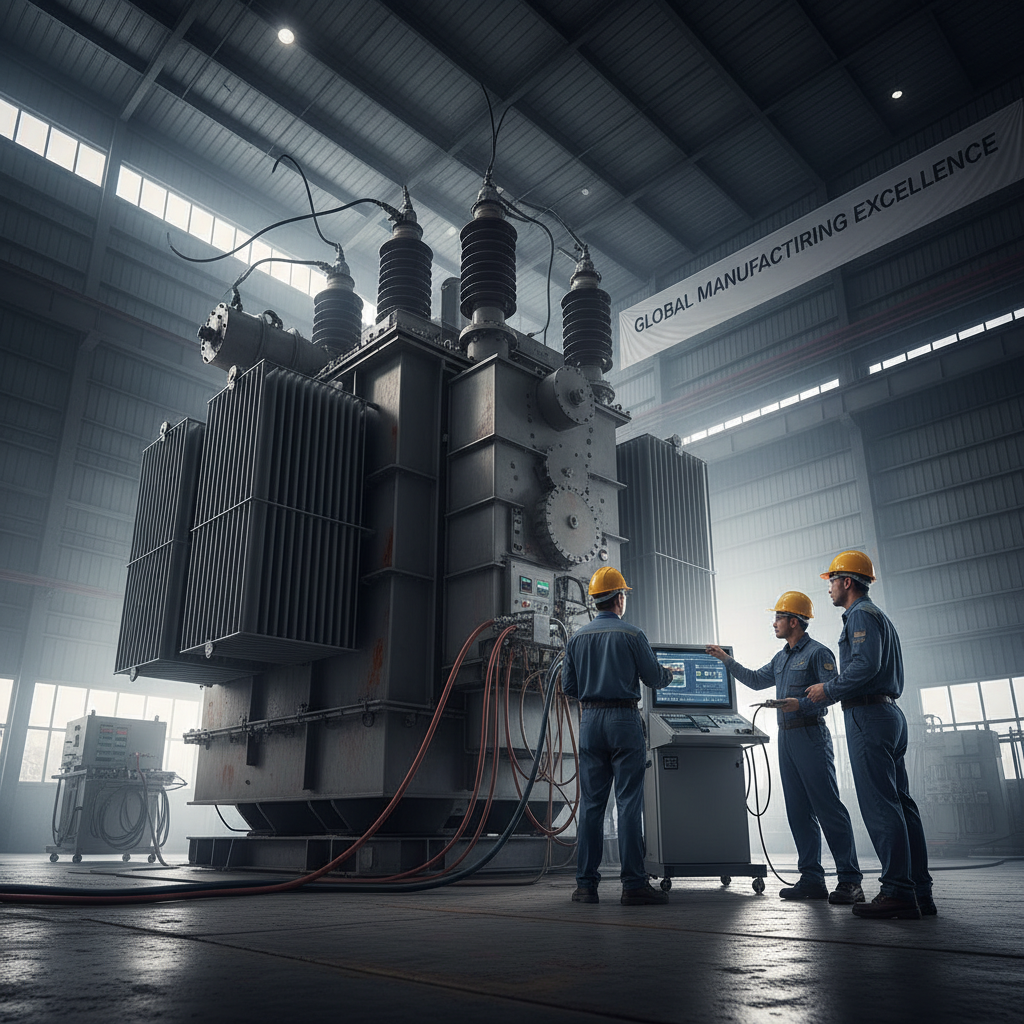
Transformer dissolved gas analysis (DGA) is a critical diagnostic tool for assessing the health of oil-filled electrical transformers. Globally, these transformers are the backbone of power distribution networks, vital for everything from industrial operations to residential electricity. Accurate and timely transformer dga test results allow for preventative maintenance, reducing costly failures and ensuring grid reliability. The benefits of understanding and implementing regular transformer dga test programs extend beyond just cost savings; they contribute to improved safety, reduced environmental impact, and optimized asset management.
The increasing demands on power grids, coupled with the aging infrastructure in many countries, are driving the need for more sophisticated condition monitoring techniques. Statistics from organizations like the IEEE show a consistent rise in transformer failures due to undetected internal issues. A comprehensive transformer dga test provides invaluable insight into these developing problems, often detecting incipient faults long before they become catastrophic. This proactive approach is becoming increasingly important as power systems evolve to integrate renewable energy sources and smart grid technologies.
Modern power systems depend on the reliable operation of transformers. Implementing a robust transformer dga test strategy is essential for preventing unplanned outages, protecting critical infrastructure, and maintaining a stable power supply for both industrial and residential consumers. A reliable transformer dga test is no longer a luxury, but a necessity for modern power grid management.
Introduction to Transformer DGA Test
Transformer dissolved gas analysis (DGA) is a proactive condition monitoring technique used to assess the internal health of oil-filled transformers. By analyzing the concentration of various gases dissolved in the transformer oil, potential faults can be identified at an early stage, allowing for preventative maintenance and preventing costly outages. Implementing regular transformer dga test programs leads to increased reliability and extended equipment lifespan.
The process involves extracting an oil sample from the transformer and analyzing it in a laboratory using gas chromatography. The levels of gases like hydrogen, methane, ethane, ethylene, acetylene, carbon dioxide, and carbon monoxide are measured and compared against established guidelines and historical data. This data provides a 'fingerprint' of the transformer's condition, indicating the type and severity of any developing faults.
Defining Transformer DGA Test
A transformer dga test is a diagnostic procedure used to evaluate the condition of a transformer by analyzing the gases dissolved in its insulating oil. These gases are produced by the degradation of the oil and solid insulation materials within the transformer due to thermal and electrical stresses. The types and concentrations of these gases provide valuable information about the nature and severity of potential faults, such as overheating, arcing, and partial discharge.
This non-destructive testing method allows operators to assess the health of the transformer without having to take it out of service. Early detection of problems through transformer dga test enables timely maintenance and repair, preventing catastrophic failures that can result in significant financial losses and power outages.
The technique is deeply connected to modern power grid management, facilitating predictive maintenance schedules and optimizing asset utilization. It's a crucial component of reliability-centered maintenance programs, aligning with efforts to improve grid stability and reduce unplanned downtime.
Key Gases Analyzed in Transformer DGA Test
Several key gases are analyzed during a transformer dga test, each indicating a different type of fault. Hydrogen (H2) is often the first gas produced by thermal stress. Methane (CH4) indicates moderate thermal activity or cellulose degradation. Ethane (C2H6) and Ethylene (C2H4) are associated with more severe thermal stresses or partial discharge. Acetylene (C2H2) is a strong indicator of arcing or localized hotspots.
Carbon dioxide (CO2) and carbon monoxide (CO) are generally produced by oil oxidation and cellulose degradation, but can also be influenced by breathing processes. Monitoring the ratios of these gases is crucial for accurate fault diagnosis. For instance, the ethylene to acetylene ratio can help distinguish between thermal and electrical faults. Analyzing these gases, their concentrations, and ratios forms the basis of interpreting transformer health.
Beyond these primary gases, oxygen (O2) and nitrogen (N2) levels are also monitored. A decrease in oxygen suggests oil oxidation or external contamination. Understanding the trends in these gases over time, rather than relying on single snapshot readings, is key to accurate diagnosis with a transformer dga test.
Interpreting DGA Results: Methods and Standards
Interpreting the results of a transformer dga test requires a thorough understanding of established methodologies and standards. Several methods are employed, including the International Electrotechnical Commission (IEC) 60599 standard, the American Society for Testing and Materials (ASTM) standards, and various manufacturer-specific guidelines. These standards provide thresholds and interpretations for different gas levels and ratios.
One common method involves calculating gas codes, which numerically represent the severity of the detected faults. Another approach focuses on evaluating gas ratios, such as the ethylene/methane ratio, to pinpoint the type of degradation occurring within the transformer. Trending analysis, comparing results over time, is equally important for identifying developing issues.
Transformer DGA Test Interpretation Methods Comparison
Global Applications of Transformer DGA Test
Transformer dga test is implemented worldwide by utility companies, industrial facilities, and railway operators to ensure the reliable operation of their power systems. In North America, major utilities routinely utilize DGA for condition-based maintenance of their transformer fleets. In Europe, stringent regulations and a focus on grid reliability drive widespread adoption.
Emerging economies in Asia, particularly China and India, are also rapidly adopting transformer dga test as they expand their power grids and invest in modernizing their infrastructure. In remote industrial zones, where access to maintenance resources is limited, proactive DGA monitoring is crucial for preventing costly downtime.
Advantages and Long-Term Value of Transformer DGA Test
The advantages of implementing a transformer dga test program are substantial. Early fault detection prevents catastrophic failures, reducing repair costs and minimizing power outages. This contributes to improved grid reliability and enhanced customer satisfaction. The long-term value lies in extending the lifespan of expensive transformer assets.
Furthermore, transformer dga test promotes sustainable operations by preventing oil leaks and minimizing environmental impact. By optimizing maintenance schedules and reducing unplanned downtime, it also contributes to increased operational efficiency and reduced carbon emissions. The peace of mind knowing the health of your transformer fleet is a significant intangible benefit.
From a safety perspective, identifying and addressing potential faults proactively minimizes the risk of transformer explosions and fires, safeguarding personnel and protecting valuable infrastructure. Trust in the integrity of your power systems is invaluable.
Future Trends in Transformer DGA Testing
The future of transformer dga test is focused on enhancing accuracy, speed, and automation. Online DGA monitoring systems, which continuously analyze oil samples in real-time, are gaining popularity. These systems provide immediate alerts when abnormal gas levels are detected, allowing for rapid response.
The integration of artificial intelligence (AI) and machine learning (ML) algorithms is also revolutionizing DGA analysis. AI-powered software can analyze complex datasets, identify subtle patterns, and predict potential failures with greater accuracy. These trends align with the broader digital transformation occurring across the power industry.
Summary of Transformer DGA Test Advancements
| Technology |
Accuracy Improvement |
Automation Level |
Cost Effectiveness |
| Online DGA Monitoring |
8/10 |
9/10 |
7/10 |
| AI/ML Integration |
9/10 |
8/10 |
6/10 |
| Miniaturized Sensors |
7/10 |
7/10 |
8/10 |
| Remote Data Transmission |
6/10 |
8/10 |
9/10 |
| Advanced Gas Chromatography |
8/10 |
6/10 |
7/10 |
| Standardized Data Formats |
5/10 |
7/10 |
8/10 |
FAQS
The turnaround time for a standard transformer dga test generally ranges from 24 to 72 hours, depending on the laboratory and the complexity of the analysis. Rush services are often available for expedited results, but may incur additional fees. Prompt analysis is critical for effective condition monitoring and preventing potential failures.
The frequency of transformer dga test depends on several factors, including the transformer's age, loading conditions, and operational environment. A first-time test is recommended for all new transformers to establish a baseline. Subsequent testing intervals typically range from 12 to 36 months, with more frequent testing (e.g., annually) for critical assets or transformers with a history of issues.
Elevated gas levels can result from various sources, including thermal stresses (overheating), partial discharge (insulation breakdown), and arcing. Hydrogen, methane, and ethane indicate moderate thermal activity, while acetylene suggests a more serious arcing fault. Accurate diagnosis requires careful interpretation of gas ratios and trending analysis.
While a standard transformer dga test doesn't directly measure water content, the presence of certain gases, like carbon monoxide and carbon dioxide, can indicate water ingress and oil oxidation. A separate water content analysis (e.g., Karl Fischer titration) is often performed in conjunction with DGA to assess the oil's moisture level.
The cost of a transformer dga test varies depending on the laboratory, the level of analysis required, and any additional tests requested. A basic DGA test typically ranges from $500 to $1500, while more comprehensive analyses, including oil quality testing, can cost more. The investment is minimal compared to the potential cost of a transformer failure.
Transformer dga test forms a cornerstone of a robust preventative maintenance program. Combined with oil quality analysis, bushing inspections, and load tap changer assessments, it provides a comprehensive picture of the transformer’s condition. This integrated approach allows for informed maintenance decisions, optimizing asset performance and minimizing risks.
Conclusion
Transformer dissolved gas analysis (DGA) is a powerful diagnostic tool that plays a critical role in ensuring the reliable operation of modern power grids. By providing early detection of internal faults, it enables proactive maintenance, extends asset lifespan, and reduces the risk of costly outages. The ability to accurately interpret DGA results, coupled with a comprehensive understanding of the underlying principles, is essential for effectively managing transformer health.
Looking ahead, advancements in online monitoring, AI-powered analysis, and miniaturized sensors will further enhance the capabilities of transformer dga test. Embracing these innovations will be crucial for utilities and industrial facilities seeking to optimize their asset management strategies and maintain a sustainable, reliable power supply. For more detailed information and expert services, visit our website: www.pushtester.com.
 English