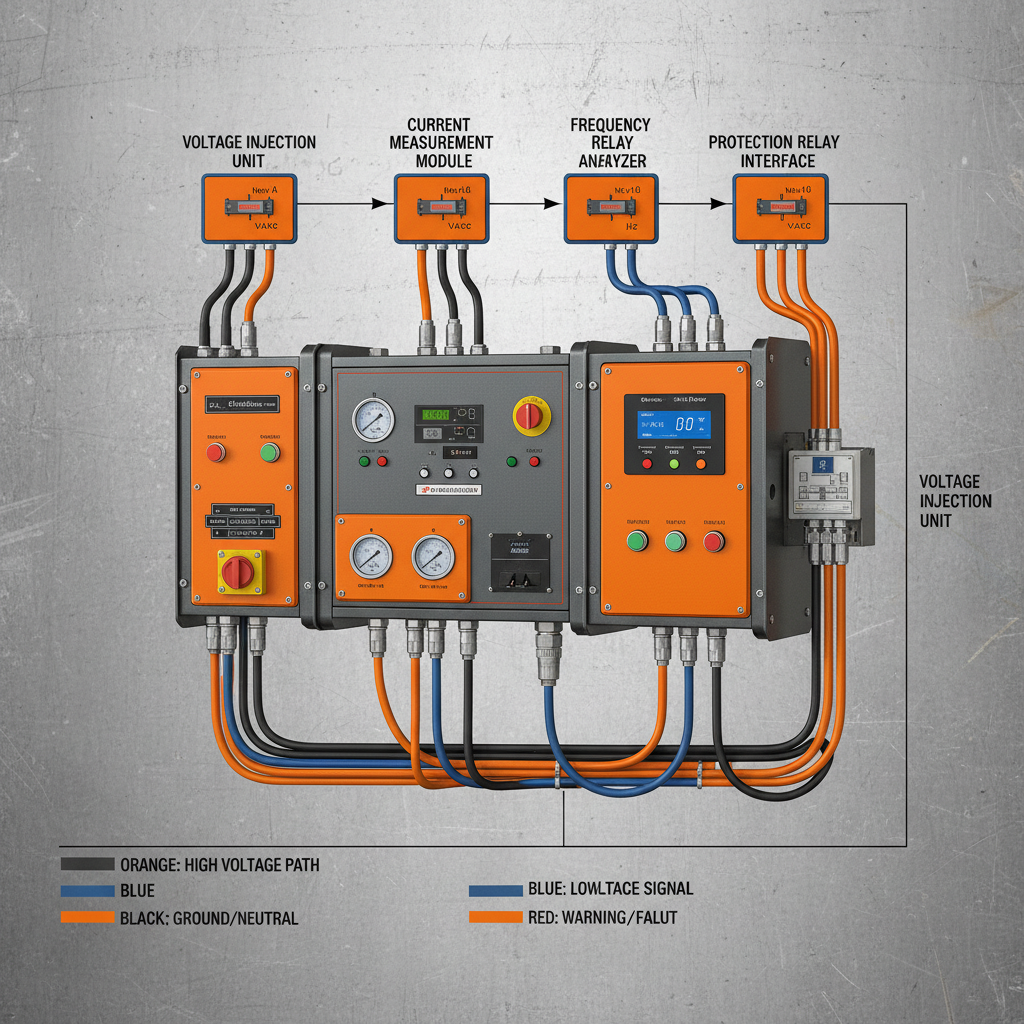
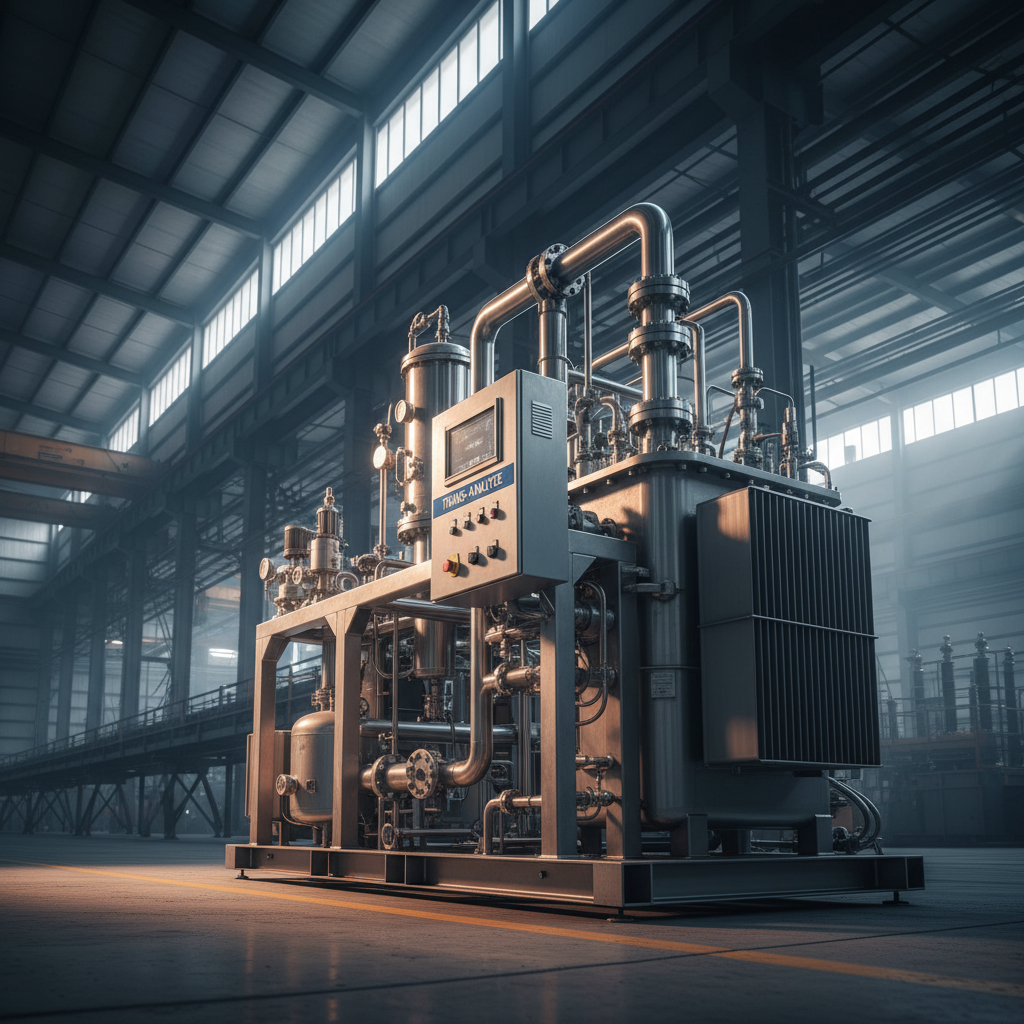
Oil viscosity testing equipment plays a crucial role in maintaining the efficiency and longevity of machinery across diverse industries. Accurate viscosity measurements are fundamental to ensuring optimal lubrication, preventing wear and tear, and reducing energy consumption. From automotive engines to industrial turbines, understanding an oil’s resistance to flow is paramount for reliable operation and preventing costly downtime. This understanding extends beyond just maintenance; it’s integral to product development and quality control in the lubricant manufacturing process.
The global demand for sophisticated oil viscosity testing equipment is directly correlated with the growth of industrialization and the increasing complexity of modern machinery. As economies expand and manufacturing processes become more refined, the need for precise and reliable oil analysis grows exponentially. Standards set by organizations like ASTM and ISO drive the adoption of precise testing methods, compelling businesses to invest in state-of-the-art equipment. This creates a robust market fueled by innovation and the continuous pursuit of improved performance.
Investing in high-quality oil viscosity testing equipment isn’t merely a cost of doing business – it's a strategic investment that yields significant returns. Reduced maintenance costs, extended equipment lifespan, and enhanced operational efficiency translate into substantial financial savings. Moreover, proactive oil analysis, facilitated by this equipment, minimizes the risk of catastrophic failures, protecting valuable assets and ensuring workplace safety.
Introduction: Global or Industry Context
The global market for oil viscosity testing equipment is estimated to reach \$X billion by 2028, growing at a CAGR of Y% (source: Market Research Future, 2023). This growth is driven by stringent regulations regarding machinery maintenance and environmental protection, particularly in sectors like automotive, aerospace, and power generation. Furthermore, the increasing adoption of condition-based monitoring (CBM) strategies across industries necessitates more frequent and accurate oil analysis. The rise of Industry 4.0 and the integration of IoT devices are also contributing to the demand for connected oil viscosity testing equipment that can provide real-time data and predictive insights.
The challenge lies in maintaining accuracy and reliability in increasingly demanding environments. Traditional methods of viscosity measurement, while effective, can be time-consuming and prone to human error. The need for automated, high-throughput solutions is becoming critical, especially in large-scale industrial operations. Moreover, the demand for portable and field-deployable equipment is growing, enabling on-site analysis and reducing the need for sample transportation. This shift is particularly important in remote locations and in industries where rapid response times are essential.
Global standards, such as those set by the American Society for Testing and Materials (ASTM) and the International Organization for Standardization (ISO), play a pivotal role in shaping the design and performance requirements for oil viscosity testing equipment. Adherence to these standards ensures consistency and comparability of results, facilitating international trade and collaboration. The continued evolution of these standards reflects the ongoing advancements in testing technology and the need for more precise and reliable measurements.
Definition & Meaning
Oil viscosity testing equipment encompasses a range of instruments designed to measure a fluid’s resistance to flow under defined conditions. Viscosity, in simple terms, is a measure of a fluid’s thickness or internal friction. This equipment allows engineers and technicians to determine if an oil maintains its lubricating properties over time and under varying temperatures. Common types include kinematic viscometers, dynamic viscometers, and rotational viscometers, each utilizing different principles to assess viscosity.
In modern industry, the connection to humanitarian needs might not be immediately obvious, yet it is substantial. Reliable machinery is crucial for everything from food production and water purification to medical equipment and disaster relief. Properly lubricated equipment, verified by precise viscosity testing, ensures these critical systems operate efficiently and without interruption, ultimately supporting essential services.
The implications extend beyond industrial and humanitarian applications. For example, precise viscosity measurements are vital in the development of new engine oils, ensuring they meet stringent performance standards and contribute to fuel efficiency and reduced emissions. Oil viscosity testing equipment, therefore, directly impacts our efforts toward sustainability and environmental responsibility.
Key Factors or Core Components
Accuracy & Precision: The cornerstone of any reliable oil viscosity testing equipment is its ability to deliver accurate and repeatable results. Calibration is critical, and adherence to established standards (ASTM, ISO) is paramount. The level of precision dictates the validity of predictive maintenance programs and the reliability of product quality control.
Temperature Control: Viscosity is highly temperature-dependent. Sophisticated equipment incorporates precise temperature control systems to ensure measurements are taken at specified and consistent temperatures. This is critical for comparing results and interpreting the effects of temperature on oil performance.
Automation & Data Logging: Automated viscosity testers reduce the potential for human error and significantly increase throughput. Data logging capabilities allow for the creation of historical trends, facilitating predictive maintenance and enabling proactive identification of potential issues. Integration with laboratory information management systems (LIMS) streamlines data analysis and reporting.
Versatility & Adaptability: The ability to test a wide range of oil types and viscosities is a significant advantage. Some equipment can accommodate different sample volumes and testing methods, increasing its utility across diverse applications. The ability to adapt to evolving industry standards and testing protocols is also crucial.
Global Applications & Use Cases
In the automotive industry, oil viscosity testing equipment is essential for ensuring engine oils maintain their lubricating properties under extreme conditions. Aerospace utilizes this equipment to verify hydraulic fluid viscosity, critical for flight control systems. Power generation plants rely on it to monitor turbine oil, preventing costly breakdowns.
The mining industry benefits significantly, as accurate oil analysis helps prevent equipment failures in harsh operating environments. In post-disaster relief operations, maintaining the functionality of generators and heavy machinery depends on the consistent performance of lubricating oils, necessitating on-site viscosity testing. Remote industrial zones, lacking access to sophisticated laboratories, rely on portable viscosity testers to ensure the reliable operation of essential equipment.
In food processing, viscosity measurements are used to control the quality and consistency of edible oils and other liquid ingredients. Furthermore, in pharmaceutical manufacturing, precise viscosity control is crucial for ensuring the proper formulation and delivery of medications. These diverse applications highlight the ubiquitous need for reliable oil viscosity assessment across the globe.
Viscosity Testing Method Comparison
Advantages & Long-Term Value
Implementing a robust oil analysis program, centered around reliable oil viscosity testing equipment, dramatically reduces maintenance costs. Early detection of oil degradation prevents catastrophic failures, minimizing downtime and repair expenses. This proactive approach shifts maintenance from reactive to preventative, saving significant resources.
From a sustainability perspective, extending the lifespan of machinery and optimizing oil usage reduces waste and conserves resources. This aligns with increasingly stringent environmental regulations and promotes responsible industrial practices. The enhanced reliability also contributes to workplace safety, minimizing the risk of accidents caused by equipment malfunction. These tangible benefits create long-term value for organizations.
Future Trends & Innovations
The integration of Artificial Intelligence (AI) and Machine Learning (ML) into oil viscosity testing equipment is a significant emerging trend. AI algorithms can analyze viscosity data in real-time, predicting potential failures with greater accuracy and optimizing maintenance schedules. The rise of miniature, portable sensors is also transforming the landscape, enabling on-site analysis with unprecedented convenience.
Digitalization and the Industrial Internet of Things (IIoT) are driving the development of connected viscosity testers that can transmit data directly to cloud-based platforms for remote monitoring and analysis. These platforms offer enhanced data visualization, reporting capabilities, and predictive analytics, empowering organizations to make data-driven decisions.
Challenges & Solutions
One common challenge is the variability in sample handling and preparation. Improper sample collection can lead to inaccurate results. Implementing standardized procedures and providing thorough training for personnel are essential solutions. Another challenge is the cost of high-end equipment and the need for ongoing calibration.
The emergence of more affordable, yet accurate, portable testers is addressing the cost barrier. Developing self-calibrating instruments and offering remote calibration services are further mitigating this challenge. Furthermore, advancements in sensor technology and data analytics are improving the accuracy and reliability of measurements, even in challenging operating conditions.
Addressing concerns about data security and privacy in connected systems is also crucial. Implementing robust cybersecurity measures and adhering to data protection regulations are essential for building trust and ensuring responsible data management.
Summary of Oil Viscosity Testing Equipment Challenges and Solutions
| Challenge |
Impact on Testing |
Potential Solution |
Implementation Cost (1-10) |
| Sample Contamination |
Inaccurate Viscosity Readings |
Strict Sample Handling Protocols |
2 |
| Temperature Fluctuations |
Inconsistent Results |
Precision Temperature Control Systems |
6 |
| Calibration Drift |
Decreased Accuracy Over Time |
Regular Calibration & Certification |
4 |
| High Equipment Cost |
Limited Access for Smaller Businesses |
Affordable Portable Testers |
7 |
| Data Security Concerns |
Risk of Data Breaches |
Robust Cybersecurity Protocols |
5 |
| Lack of Trained Personnel |
Incorrect Operation & Interpretation |
Comprehensive Training Programs |
3 |
FAQS
Kinematic viscosity measures a fluid's resistance to flow under the force of gravity, while dynamic viscosity measures its internal resistance to shear stress. Essentially, kinematic viscosity (centistokes) is dynamic viscosity (centipoise) divided by density. Choosing the right method depends on the application; kinematic viscosity is common for lubricants, while dynamic viscosity is often used for non-Newtonian fluids. Accurate readings from either require proper oil viscosity testing equipment and calibration.
The frequency of oil viscosity testing depends on the application and operating conditions. For critical equipment, daily or weekly testing is recommended. For less demanding applications, monthly or quarterly testing may suffice. Regularly scheduled testing helps identify trends and detect potential problems before they lead to equipment failure. Establishing a routine utilizing reliable oil viscosity testing equipment is vital.
Several factors can influence viscosity readings, including temperature, contamination (water, fuel, debris), oxidation, and shear rate. Maintaining a controlled testing environment and using appropriate sample handling procedures are crucial. Regular oil analysis, using calibrated oil viscosity testing equipment, can help identify and mitigate these effects.
The most commonly followed standards are those published by ASTM (American Society for Testing and Materials) and ISO (International Organization for Standardization). Specific standards, such as ASTM D445 for kinematic viscosity and ASTM D2983 for dynamic viscosity, outline the procedures and requirements for accurate testing. Ensuring your oil viscosity testing equipment and methods comply with these standards is crucial for reliable results.
Calibration is paramount for ensuring the accuracy of viscosity measurements. It involves comparing the readings from your equipment to a known standard and adjusting the instrument accordingly. Regular calibration, performed by a certified technician, is essential to maintain the reliability of your oil viscosity testing equipment and ensure compliance with industry standards.
Viscosity generally decreases as temperature increases and vice versa. This is because higher temperatures reduce the intermolecular forces within the oil, making it flow more easily. Precise temperature control is therefore vital during viscosity testing, and results are typically reported at specific standard temperatures (e.g., 40°C, 100°C). Utilizing oil viscosity testing equipment with accurate temperature regulation ensures reliable and comparable data.
Conclusion
In conclusion, oil viscosity testing equipment is not simply a tool for analysis; it's a cornerstone of preventative maintenance, operational efficiency, and long-term sustainability across a diverse range of industries. Accurate viscosity measurements empower businesses to optimize performance, reduce costs, and minimize environmental impact. The ongoing evolution of this technology, driven by advancements in AI, IoT, and sensor technology, promises even more sophisticated and insightful capabilities in the future.
Looking ahead, continued investment in research and development is critical to address the challenges of data security, accessibility, and affordability. Promoting standardized testing procedures and fostering collaboration between manufacturers, researchers, and end-users will further enhance the reliability and value of oil viscosity analysis. Visit our website at www.pushtester.com to learn more about our comprehensive range of oil viscosity testing equipment and solutions.
 English