EnglishEnglish
0%

Table of Contents

The global market for oil distillation machinery is experiencing significant growth, driven by increasing demand for refined petroleum products and the expanding petrochemical industry. Understanding the nuances of oil distillation machine price is crucial for businesses looking to invest in this sector, optimize operational costs, and ensure a return on investment. Effective distillation processes are paramount for achieving optimal yields and maintaining product quality, directly impacting profitability and competitiveness in a dynamic global landscape.

Fluctuations in raw material costs, energy prices, and environmental regulations all significantly impact the overall cost of oil distillation. Consequently, businesses must carefully evaluate the total cost of ownership, including initial purchase price, installation, maintenance, and operational expenses, when considering different oil distillation machine price options. Furthermore, advancements in distillation technology are constantly evolving, presenting both opportunities and challenges for industry stakeholders.

The benefits of investing in a high-quality oil distillation machine extend beyond mere cost savings. Enhanced efficiency translates to reduced waste, minimized environmental impact, and increased production capacity. A well-chosen machine, considering its oil distillation machine price and functionality, is a critical component in ensuring sustainable and profitable operations within the energy sector.
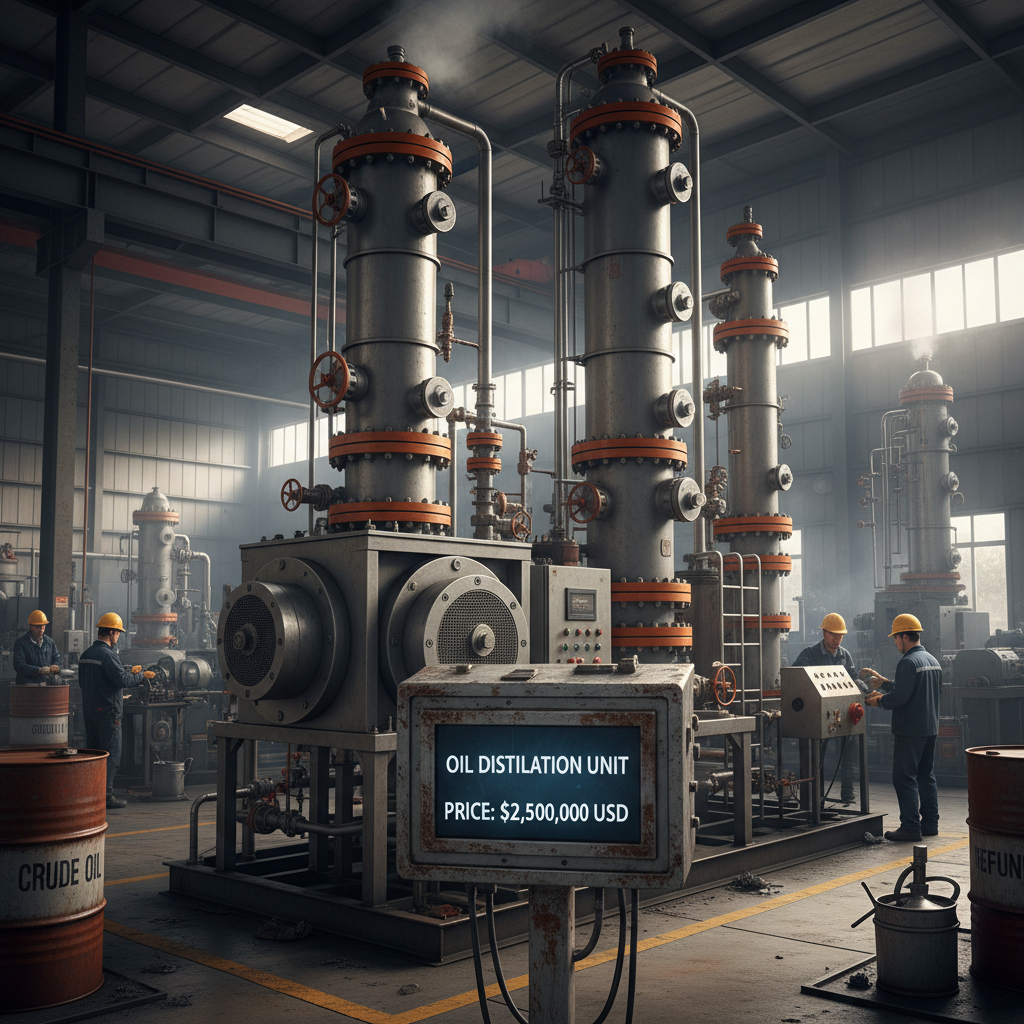
Understanding Oil Distillation Machine Price and Market Dynamics for Optimal Investment

The Importance of Understanding Oil Distillation Machine Price

Understanding Oil Distillation Machine Price and Market Dynamics for Optimal Investment

Understanding the factors that contribute to oil distillation machine price is paramount for informed decision-making. The price is not merely the initial investment, but encompasses a lifecycle cost analysis considering operational efficiency, maintenance requirements, and potential downtime. A comprehensive understanding of these elements enables businesses to optimize their investments and maximize their return.

Effective oil distillation is critical in several industries, from petroleum refining to the production of biofuels and specialized chemicals. Accurate price analysis ensures that the chosen machinery aligns with specific production needs and budgetary constraints, leading to long-term operational success.

Global Context and Market Dynamics of Oil Distillation Machine Price

The global demand for oil distillation machinery is intrinsically linked to the energy sector's growth and evolving needs. Emerging economies, particularly in Asia and Africa, are driving significant demand for refining capacity, directly impacting oil distillation machine price. According to the International Energy Agency (IEA), global oil demand is projected to continue rising in the coming years, necessitating increased investment in distillation infrastructure.

Geopolitical factors, such as fluctuating crude oil prices and international trade policies, play a crucial role in shaping market dynamics. Supply chain disruptions, technological advancements, and stringent environmental regulations also exert considerable influence on the cost and availability of these machines. The market is becoming increasingly competitive, with manufacturers striving to offer innovative solutions at competitive oil distillation machine price points.

Furthermore, the increasing emphasis on sustainability and cleaner energy sources is prompting demand for advanced distillation technologies that minimize environmental impact. This trend is driving innovation and affecting the pricing strategies of manufacturers, as they incorporate eco-friendly features and processes into their machinery.

Defining Oil Distillation Machine Price

Oil distillation machine price encompasses the total expenditure associated with acquiring and operating a unit designed to separate crude oil into its constituent components through vaporization and condensation. This includes not only the initial purchase cost but also associated expenses like shipping, installation, commissioning, and operator training.

The "price" is further nuanced by the machine’s capacity, automation level, efficiency ratings, and adherence to safety standards. Different distillation processes, such as fractional distillation, vacuum distillation, and steam distillation, also impact the overall cost. It is a complex value, determined by engineering specifications, material costs, and market forces.

Ultimately, the oil distillation machine price reflects the value proposition offered – the ability to efficiently and reliably process crude oil into valuable products, contributing to the profitability of the refining operation and supporting the broader energy supply chain.

Key Factors Influencing Oil Distillation Machine Price

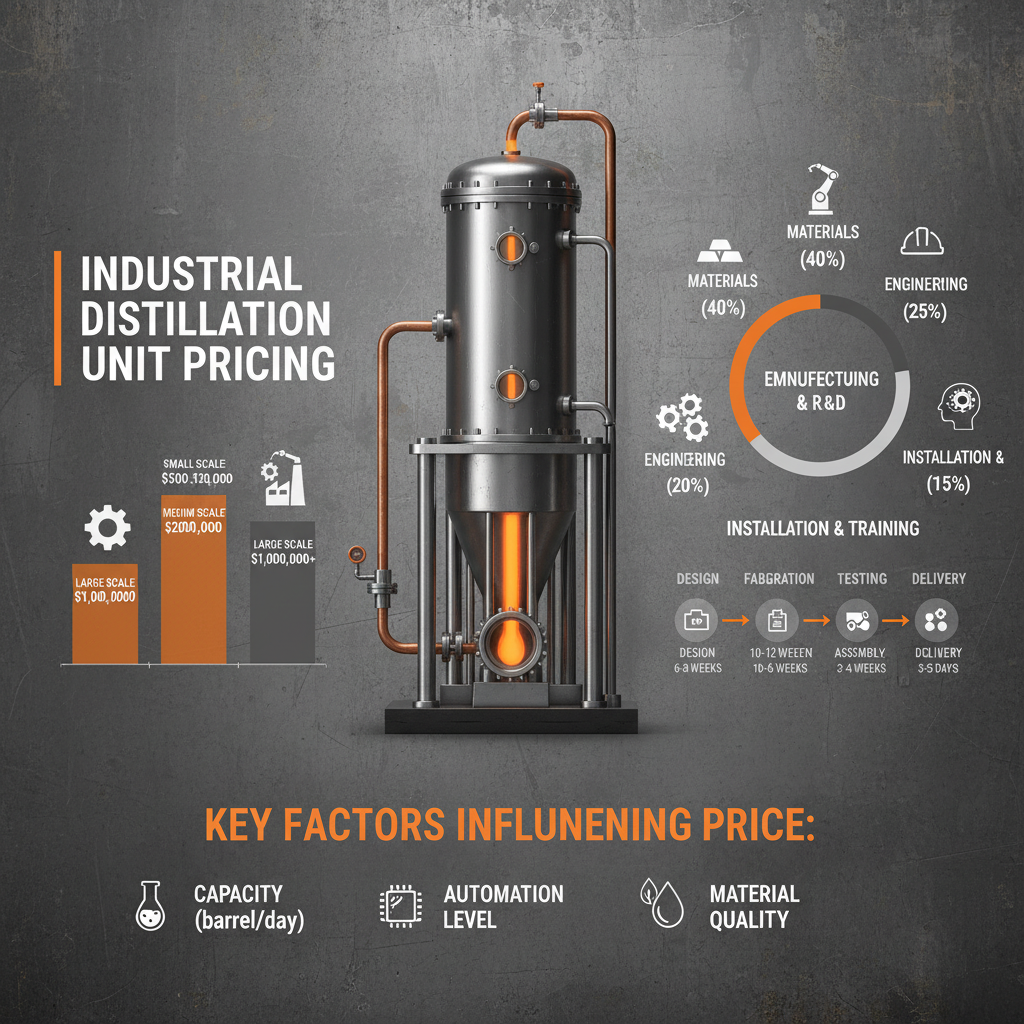
Several key factors determine the oil distillation machine price. Machine capacity is a primary driver; larger capacity machines designed for high-volume processing naturally command a higher price tag. Material quality is another critical component. Machines constructed from robust, corrosion-resistant materials, such as stainless steel, will be more expensive but offer greater longevity and reliability.

The level of automation also significantly impacts the price. Fully automated systems, featuring advanced control panels and remote monitoring capabilities, are pricier than manually operated machines. Finally, the inclusion of specialized features, such as energy-efficient designs and advanced safety systems, adds to the overall cost.

Oil Distillation Machine Price Breakdown


Global Applications and Use Cases of Oil Distillation Machinery

Oil distillation machinery is essential in petroleum refineries worldwide, transforming crude oil into gasoline, diesel, jet fuel, and other valuable products. These refineries, located in major oil-producing regions like the Middle East, North America, and Russia, rely heavily on advanced distillation technologies to meet global energy demands.

Beyond traditional refining, distillation plays a crucial role in the production of biofuels, such as biodiesel and ethanol. In post-disaster relief operations, portable distillation units can be deployed to quickly process crude oil into usable fuel for emergency vehicles and generators. Additionally, specialized distillation processes are employed in the chemical industry to produce various industrial chemicals and solvents.

Advantages and Long-Term Value of Investing in Oil Distillation

Investing in high-quality oil distillation equipment yields substantial long-term benefits. Reduced energy consumption and optimized yields translate to significant cost savings. Furthermore, modern distillation systems minimize waste and emissions, contributing to environmental sustainability and compliance with regulatory standards. The reliability and durability of these machines also reduce downtime and maintenance costs, maximizing operational efficiency.

Beyond the purely financial advantages, investing in advanced distillation technology fosters innovation and enhances a company’s reputation for environmental responsibility. A robust distillation process ensures product quality and consistency, building trust with customers and strengthening market position. A lower total cost of ownership, achieved through efficient operation and minimal maintenance, provides a compelling return on investment, justifying the initial oil distillation machine price.

Future Trends and Innovations in Oil Distillation Technology

The future of oil distillation technology is focused on enhancing efficiency, sustainability, and automation. Developments in advanced control systems, predictive maintenance, and real-time process optimization are poised to revolutionize the industry. The integration of artificial intelligence (AI) and machine learning (ML) will enable more precise control and optimize distillation parameters for maximum yield and energy efficiency.

Furthermore, research into alternative distillation methods, such as membrane distillation and reactive distillation, is gaining momentum. These innovative techniques offer the potential for reduced energy consumption and improved separation efficiency. The adoption of modular and scalable distillation systems will also allow for greater flexibility and responsiveness to changing market demands, influencing future oil distillation machine price trends.

The drive toward a circular economy is promoting the development of technologies for recovering valuable by-products from distillation processes, minimizing waste and maximizing resource utilization. These advancements are not only enhancing operational efficiency but also contributing to a more sustainable and environmentally responsible energy sector.

FAQS

What factors should I consider when determining the appropriate oil distillation machine price for my needs?

When evaluating oil distillation machine price, consider capacity, automation level, material quality, energy efficiency, safety features, and potential maintenance costs. A thorough lifecycle cost analysis, factoring in operational expenses and downtime, is crucial. Also, assess the specific type of crude oil you will be processing and the desired product output to ensure the machine meets your requirements. Don’t focus solely on the initial price; consider the long-term value.

How does automation impact the overall cost of an oil distillation machine?

Automation significantly increases the initial oil distillation machine price. However, it also reduces labor costs, minimizes human error, and improves process control, leading to higher efficiency and product quality. Automated systems often offer remote monitoring and data analysis capabilities, enabling proactive maintenance and optimization. The long-term cost savings often justify the higher upfront investment.

What are the typical maintenance requirements for an oil distillation machine, and how do they affect costs?

Regular maintenance is critical for ensuring the longevity and efficiency of an oil distillation machine. This includes routine inspections, cleaning, lubrication, and component replacements. Neglecting maintenance can lead to costly breakdowns and reduced performance. Maintenance costs vary depending on the machine's complexity and usage, but budgeting for preventative maintenance is essential for optimizing the return on your investment and minimizing unexpected expenses that would drive up the effective oil distillation machine price over time.

What are the key environmental considerations when selecting an oil distillation machine?

Environmental considerations are increasingly important. Look for machines with energy-efficient designs, emission control systems, and waste minimization features. Compliance with environmental regulations is crucial. Consider the machine’s ability to handle different types of crude oil and minimize harmful by-products. Investing in environmentally friendly technology can not only reduce your environmental impact but also enhance your company’s reputation and potentially qualify for incentives that can offset the oil distillation machine price.

How does the capacity of an oil distillation machine impact its price?

The capacity of an oil distillation machine is directly proportional to its price. Larger capacity machines, designed to process higher volumes of crude oil, require more robust components, more complex engineering, and a larger footprint, all of which contribute to a higher oil distillation machine price. Selecting the appropriate capacity is crucial; overestimating can lead to unnecessary costs, while underestimating can limit production capacity.

What are the typical lead times for procuring an oil distillation machine?

Lead times for procuring an oil distillation machine can vary significantly depending on the manufacturer, machine complexity, and current demand. Typical lead times range from several months to over a year. It’s crucial to plan ahead and place orders well in advance, particularly for customized machines or high-demand models. Factors like shipping and installation can also add to the overall delivery timeline, influencing the effective cost and impacting project schedules associated with the oil distillation machine price.

Conclusion

In conclusion, understanding oil distillation machine price involves more than just comparing initial costs. A holistic assessment of factors such as capacity, automation, energy efficiency, maintenance requirements, and environmental impact is crucial for making an informed investment decision. By considering the total cost of ownership and aligning the machine’s capabilities with specific production needs, businesses can maximize their return on investment and ensure long-term operational success.

Looking ahead, the oil distillation industry is poised for continued innovation, driven by the demand for cleaner energy and more efficient processes. Embracing new technologies and prioritizing sustainability will be key to maintaining a competitive edge. We encourage you to explore the latest advancements in oil distillation machinery and consult with industry experts to determine the optimal solution for your unique requirements. Visit our website at www.pushtester.com to learn more about our range of oil distillation machines and how we can help you achieve your business goals.

David Miller

David Miller

David Miller is a Senior Research Engineer at Baoding Push Electrical Appliance Manufacturing Co., Ltd., specializing in the development of advanced oil testing equipment. He joined the company in 2015, bringing with him a strong background in electrical engineering and a passion for technological innovation. David is a key contributor
Previous Find the Right Oil Distiller for Sale to Optimize Your Processes
Next Advancements in Crude Oil Distillation Column Technology and Refinery Operations