The global demand for efficient and reliable oil distillation solutions is continuously increasing, driven by industries ranging from petrochemicals and pharmaceuticals to biofuels and essential oil production. Investing in a quality oil distiller for sale is crucial for businesses seeking to optimize their processes, reduce operational costs, and maintain product purity. Understanding the nuances of different distillation technologies, materials, and configurations is paramount for making informed decisions.
The market for oil distillation equipment is expanding rapidly, fueled by advancements in technology and a growing emphasis on sustainable practices. According to recent industry reports, the global distillation column market is projected to reach \$XX billion by 20YY, exhibiting a CAGR of X.X% during the forecast period (source: Industry Analysis Report, 2023). This growth is largely attributable to the escalating demand for high-purity chemicals and refined products. Choosing the right oil distiller for sale ensures businesses can meet these stringent requirements.
Finding a reliable oil distiller for sale addresses a critical need across various sectors, from small-scale artisanal producers to large-scale industrial operations. The ability to efficiently separate and purify oil-based compounds is fundamental to producing high-quality products and ensuring compliance with regulatory standards. This necessity extends beyond commercial applications, playing a role in research, development, and even emergency response scenarios.
The Fundamentals of oil distiller for sale
At its core, an oil distiller for sale is a system designed to separate components of a liquid mixture based on their boiling points. This process, known as distillation, is a fundamental technique in chemistry and engineering, crucial for purifying substances and creating valuable products. Modern oil distillers leverage sophisticated designs and materials to ensure optimal efficiency and product quality.
The effectiveness of an oil distiller hinges on several key principles, including vapor-liquid equilibrium, heat transfer, and mass transfer. Understanding these concepts is essential for selecting the appropriate equipment for a specific application and optimizing its performance. A properly configured oil distiller for sale can dramatically improve yields and reduce waste.
Defining Oil Distillation Processes
Oil distillation encompasses various techniques, each tailored to specific separation needs. Simple distillation is suitable for mixtures with significantly different boiling points, while fractional distillation is employed for more complex mixtures requiring finer separation. Vacuum distillation lowers the boiling points of compounds, making it ideal for heat-sensitive materials. Choosing the correct distillation process is the first step in securing an appropriate oil distiller for sale.
The choice of distillation method directly influences the equipment required and the overall cost of operation. For instance, vacuum distillation necessitates specialized vacuum pumps and condensers, increasing the initial investment. However, the benefits of preserving delicate compounds can outweigh the added expense.
Furthermore, continuous distillation processes offer higher throughput and efficiency compared to batch distillation, making them advantageous for large-scale industrial applications. These continuous systems often involve complex control mechanisms and automated monitoring to maintain optimal performance.
Core Components of an Oil Distiller
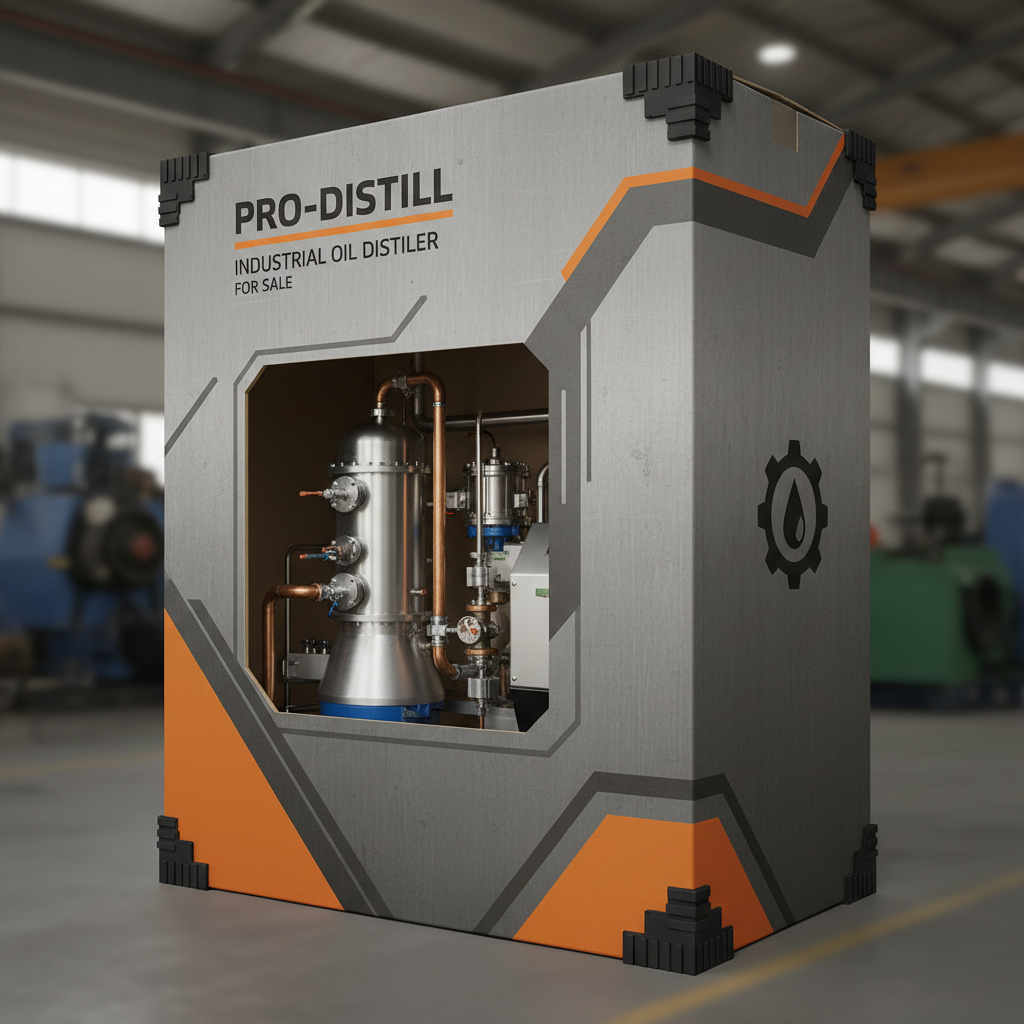
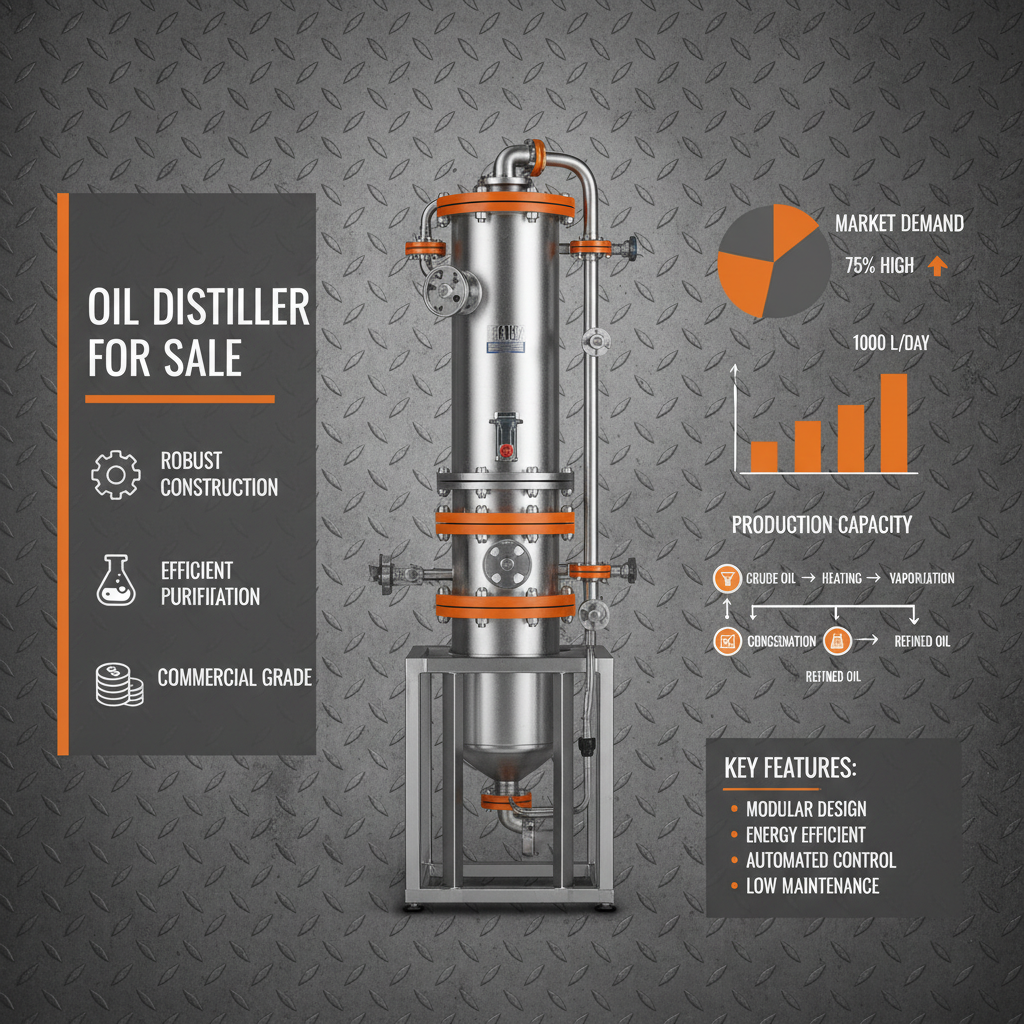
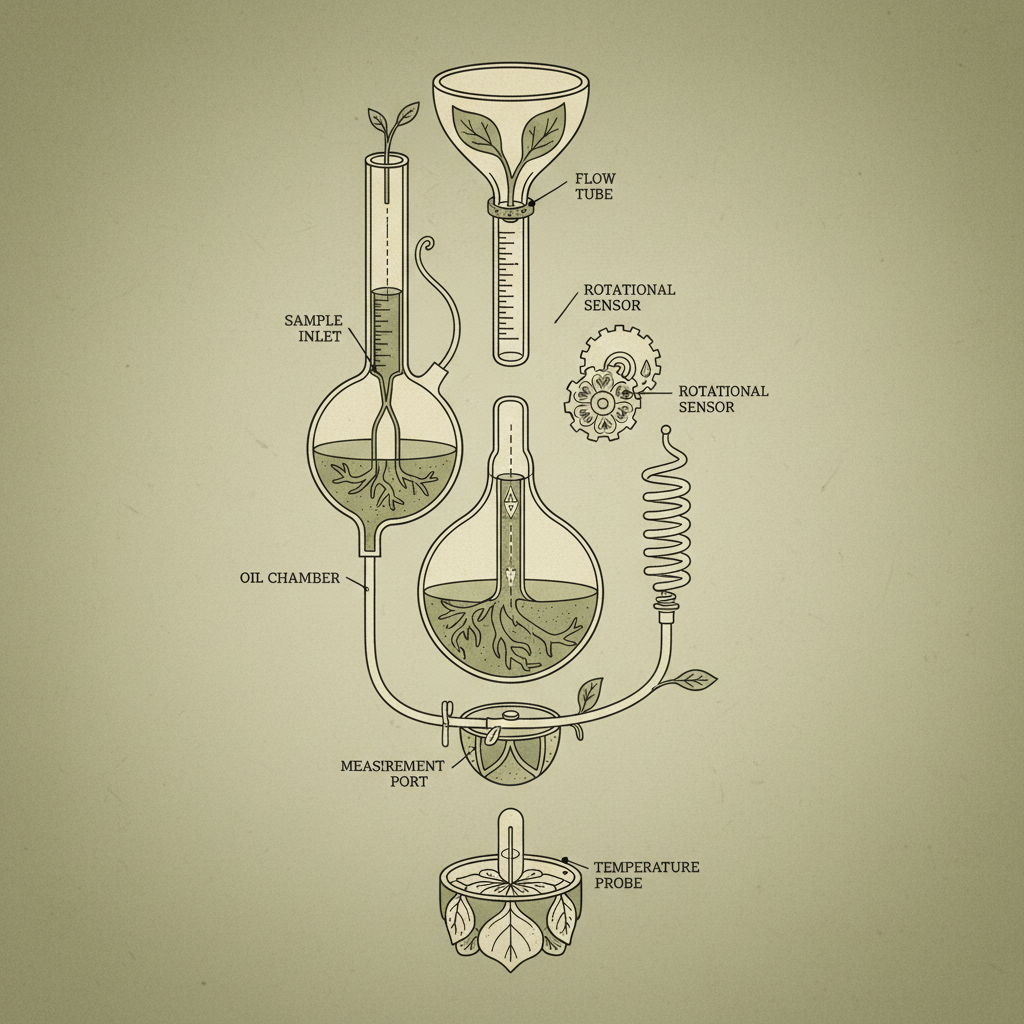
A typical oil distiller for sale comprises several essential components working in unison. These include the reboiler (providing heat for vaporization), the distillation column (where separation occurs), the condenser (cooling and liquefying vapors), and the receiver (collecting the purified distillate).
The distillation column itself often features packing materials or trays to enhance the contact between vapor and liquid phases, improving separation efficiency. The material of construction for these components – stainless steel, glass, or specialized alloys – is critical, depending on the corrosiveness and temperature of the processed oil.
Control systems, including temperature sensors, pressure gauges, and flow meters, are vital for monitoring and regulating the distillation process, ensuring optimal performance and product quality. Advanced systems may incorporate automated control loops and data logging capabilities.
Performance Metrics for oil distiller for sale
Evaluating the performance of an oil distiller for sale requires considering several key metrics. Separation efficiency, measured by the purity of the distillate, is paramount. Throughput, representing the volume of oil processed per unit time, impacts production capacity.
Energy efficiency, reflecting the amount of energy consumed per unit of distillate produced, is crucial for minimizing operational costs. Additionally, factors like maintenance requirements, downtime, and the lifespan of critical components contribute to the overall cost of ownership.
Oil Distiller Performance Comparison
Global Applications of Oil Distillation
Oil distillation finds widespread application across diverse industries. In the petrochemical sector, it is fundamental for refining crude oil into gasoline, diesel, and other fuels. The pharmaceutical industry relies on distillation for purifying active pharmaceutical ingredients (APIs). In the food and beverage industry, essential oil extraction utilizes sophisticated distillation techniques.
In post-disaster relief operations, portable oil distillers for sale can be crucial for producing clean fuel from available resources. Furthermore, in remote industrial zones lacking established infrastructure, self-contained distillation units enable on-site processing and reduce transportation costs.
Long-Term Value and Benefits
Investing in a high-quality oil distiller for sale offers substantial long-term value. Reduced operational costs through increased energy efficiency and lower maintenance requirements translate directly to improved profitability. Sustainable practices, minimizing waste and maximizing resource utilization, enhance environmental responsibility.
Beyond financial gains, reliable distillation equipment ensures product quality and consistency, fostering customer trust and brand reputation. The safety features incorporated into modern distillers protect personnel and minimize the risk of accidents.
The ability to adapt to changing market demands and regulatory requirements adds further value, ensuring a future-proof investment for your business.
Future Trends in Oil Distillation Technology
The future of oil distillation is marked by several key trends. Advancements in membrane distillation offer lower energy consumption and improved separation efficiency. Integration of artificial intelligence (AI) and machine learning (ML) enables predictive maintenance and optimized process control.
Sustainable distillation techniques, utilizing renewable energy sources and minimizing environmental impact, are gaining prominence. The development of compact and modular distillation units facilitates deployment in diverse and challenging environments.
Digitalization and remote monitoring capabilities allow for real-time data analysis and proactive problem solving, enhancing overall operational efficiency.
Summary of Key Factors Influencing Oil Distiller Selection
| Application Scope |
Throughput Requirements |
Energy Consumption |
Maintenance Complexity |
| Petrochemical Refining |
Very High (Thousands of barrels/day) |
High (Significant energy demand) |
Complex (Requires specialized expertise) |
| Pharmaceutical API Purification |
Low to Medium (Batch processing) |
Medium (Precise temperature control) |
Moderate (Requires GMP compliance) |
| Essential Oil Extraction |
Low to Medium (Variable batch sizes) |
Low to Medium (Temperature sensitive) |
Simple (Generally straightforward cleaning) |
| Biofuel Production |
Medium to High (Continuous processing) |
Medium (Optimizing energy recovery) |
Moderate (Dealing with feedstock variability) |
| Research & Development |
Very Low (Small-scale experiments) |
Low (Precise control over parameters) |
Simple (Flexible and adaptable) |
| Emergency Fuel Production |
Low to Medium (Variable demand) |
Medium (Portability considerations) |
Simple (Rapid deployment and minimal maintenance) |
FAQS
When choosing an oil distiller for sale, carefully assess your specific application needs. Consider the type of oil you'll be processing, the required throughput, the desired purity levels, energy efficiency, and budget constraints. The materials of construction and available control systems are also crucial factors. Finally, evaluate the vendor's reputation and after-sales support.
Batch distillation involves processing discrete volumes of oil in a sequential manner, ideal for smaller production runs or diverse mixtures. Continuous distillation, on the other hand, operates continuously with a constant flow of oil, suited for large-scale production of consistent products. Continuous systems typically offer higher efficiency but require more complex control mechanisms.
Energy efficiency is paramount in oil distillation, as it directly impacts operational costs and environmental sustainability. Choosing an oil distiller for sale with optimized heat recovery systems, efficient insulation, and precise temperature control can significantly reduce energy consumption. Consider models incorporating advanced technologies like vacuum distillation for lower boiling points.
Regular maintenance for an oil distiller includes cleaning the distillation column, checking seals and gaskets for leaks, inspecting heating elements, and calibrating sensors. The frequency of maintenance depends on the type of oil processed and the operating conditions. Following the manufacturer's recommendations is crucial for ensuring long-term reliability.
Essential safety features include pressure relief valves, temperature alarms, emergency shutdown systems, and robust containment measures. The oil distiller for sale should comply with relevant safety standards and regulations. Proper training for operators is also critical for safe operation.
Vacuum distillation lowers the boiling points of the oil components by reducing the surrounding pressure. This is particularly beneficial for heat-sensitive oils that might degrade at higher temperatures. It also allows for distillation of high-molecular-weight compounds that would otherwise require extremely high temperatures. However, vacuum distillation requires specialized equipment.
Conclusion
In conclusion, selecting the right oil distiller for sale is a critical decision with far-reaching implications for businesses across diverse industries. From optimizing operational efficiency and reducing costs to ensuring product quality and promoting sustainability, the benefits are substantial. A thorough understanding of the various distillation processes, core components, and performance metrics is essential for making an informed choice.
Looking ahead, the oil distillation landscape will continue to evolve with advancements in technology and a growing emphasis on environmental responsibility. Investing in innovative and sustainable distillation solutions will be key to remaining competitive and meeting the demands of a rapidly changing world. Visit our website at www.pushtester.com to explore our comprehensive range of oil distillation equipment and find the perfect solution for your specific needs.
 English