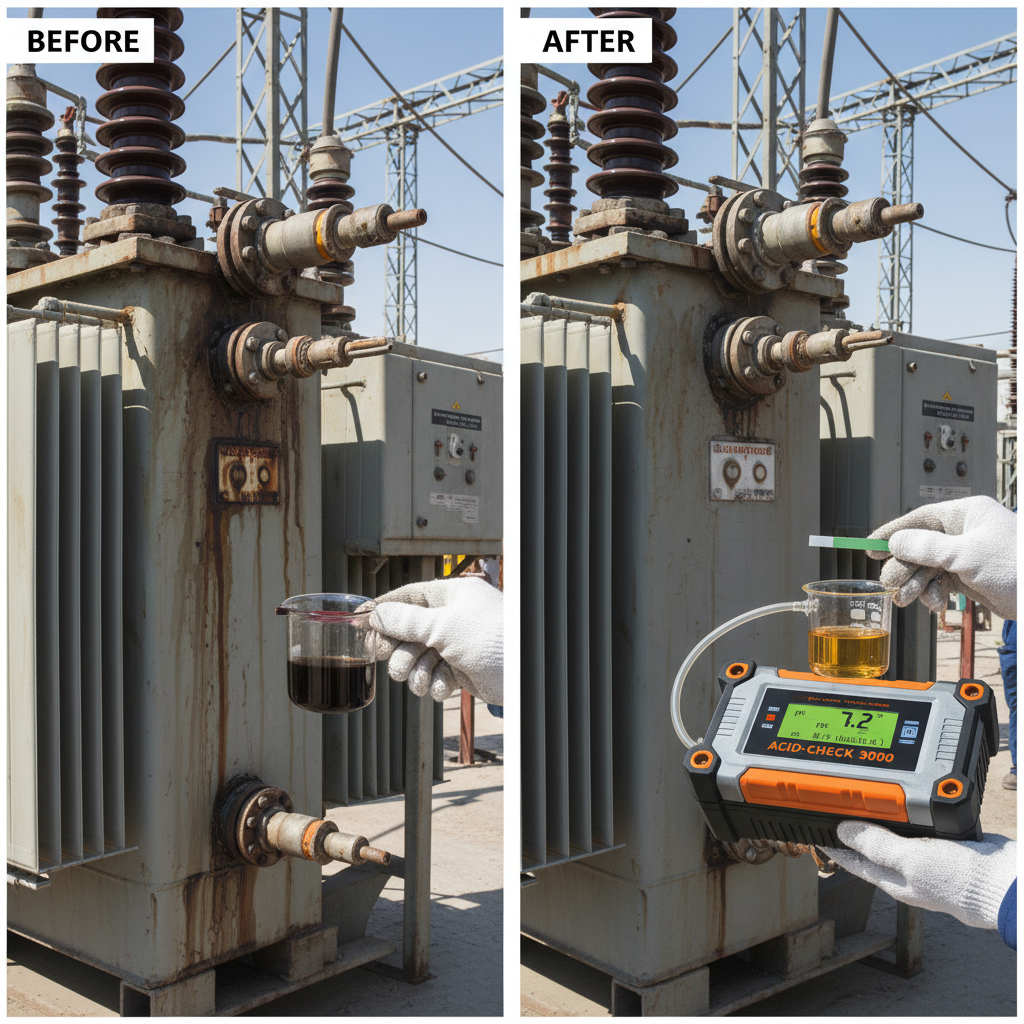
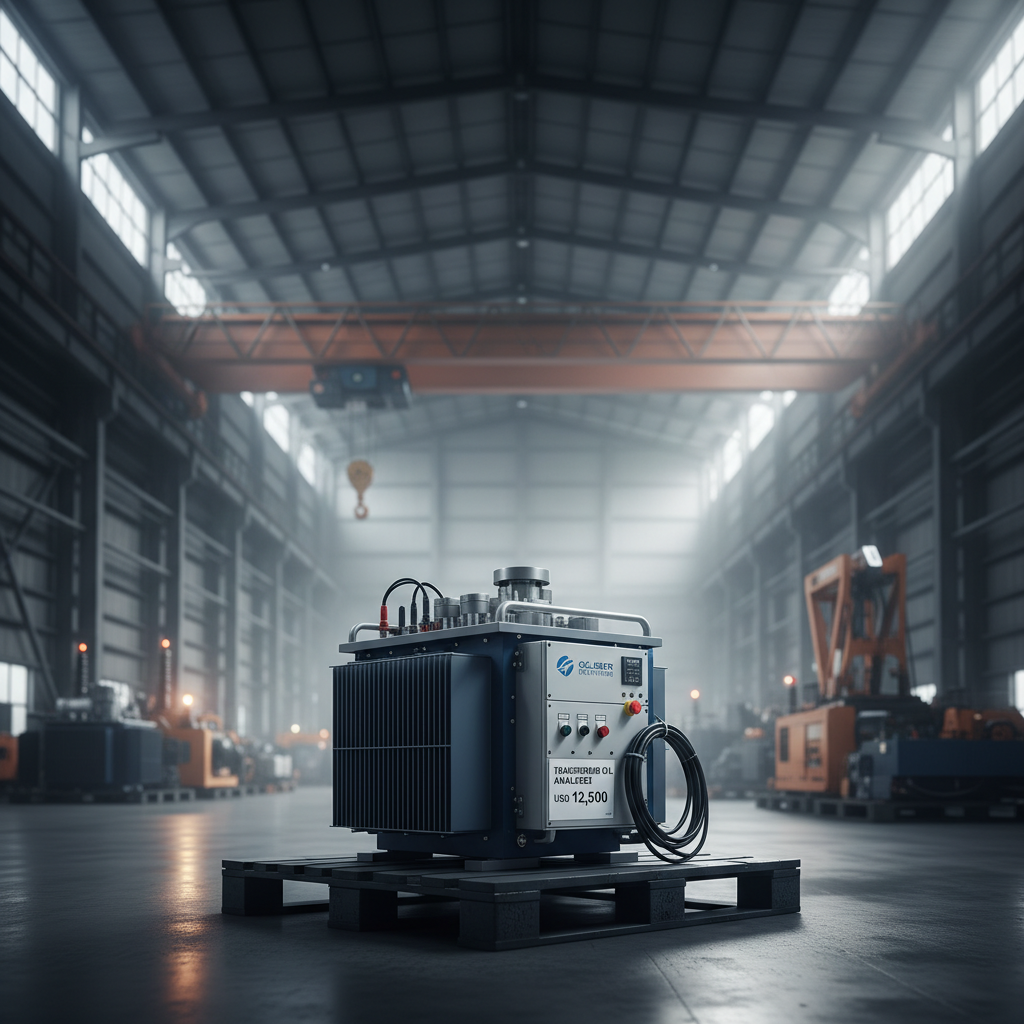
Transformer oil, crucial for insulating and cooling power transformers, is susceptible to degradation over time. Monitoring its acidity is paramount to ensuring reliable operation and preventing costly failures. A transformer oil acidity testing kit allows for quick, on-site assessment of oil quality, providing early warning signs of potential problems like insulation breakdown and corrosion. The ability to proactively manage oil acidity extends the lifespan of transformers, minimizes downtime, and optimizes performance.
Globally, the demand for efficient and reliable power transmission is ever-increasing, driven by population growth and industrialization. Transformers are integral to this infrastructure, and their health directly impacts grid stability. Regular oil testing, facilitated by portable kits, is becoming a standard practice for utilities and industrial facilities worldwide. Ignoring oil acidity can lead to catastrophic transformer failure, resulting in significant economic losses and potential safety hazards.
The increasing complexity of power grids, coupled with the integration of renewable energy sources, necessitates robust monitoring and maintenance strategies. A transformer oil acidity testing kit offers a practical and cost-effective solution for maintaining transformer health, supporting grid resilience, and ensuring a stable power supply for homes and businesses.
Introduction to Transformer Oil Acidity Testing
The core principle behind transformer oil acidity testing lies in detecting the presence of dissolved acids, primarily organic acids formed during oil oxidation and thermal degradation. These acids contribute to corrosion of metal components within the transformer and accelerate the aging process of the oil itself. Regular monitoring, facilitated by a transformer oil acidity testing kit, helps to prevent these issues.
Understanding oil acidity is essential for predictive maintenance programs. Identifying increasing acidity levels allows technicians to implement preventative measures, such as oil filtration or regeneration, before significant damage occurs. This proactive approach minimizes the risk of unexpected outages and extends the operational life of valuable transformer assets.
Defining Transformer Oil Acidity Testing Kits
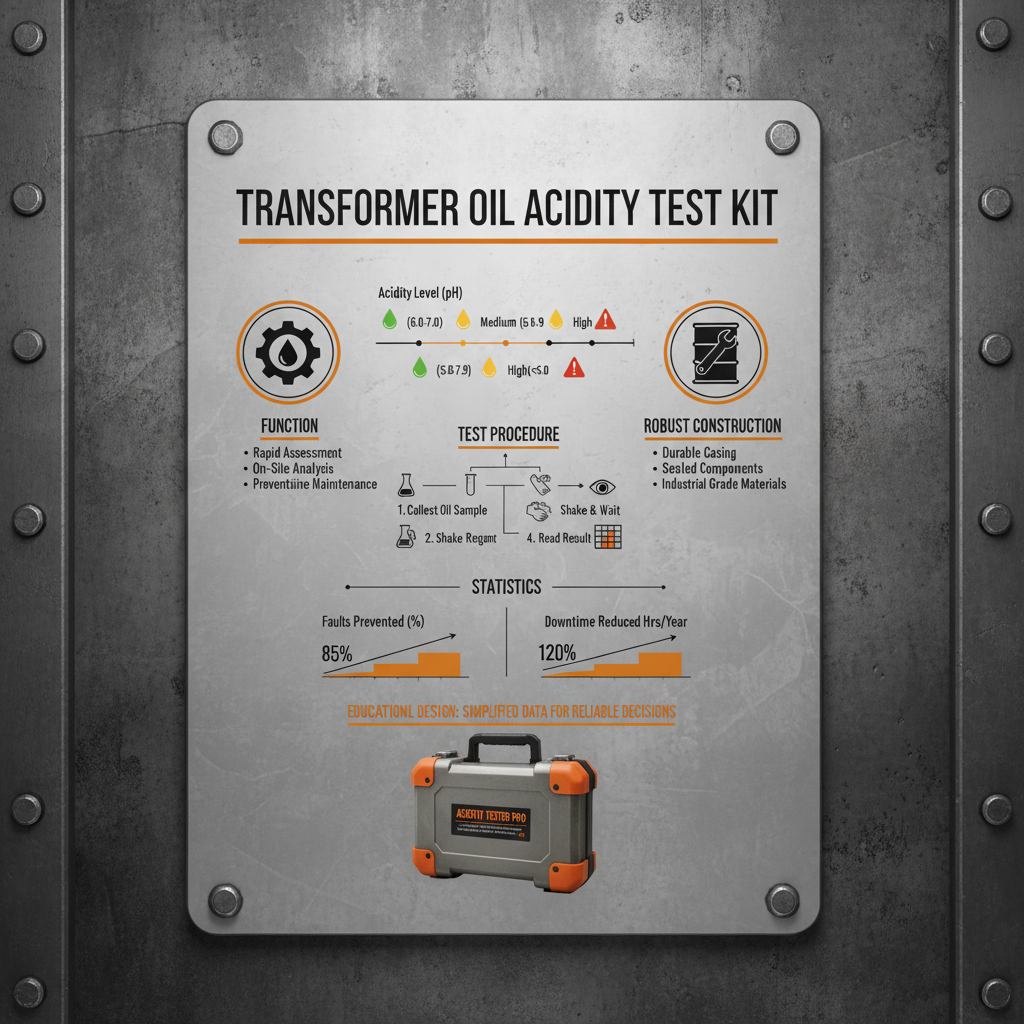
A transformer oil acidity testing kit is a portable device designed to measure the acidity of transformer oil, expressed as milligrams of potassium hydroxide (mg KOH) required to neutralize the acids present in one gram of oil. These kits utilize a titration method, typically involving a reagent and a burette, to determine the acidity level accurately. They offer a convenient alternative to sending oil samples to a laboratory for analysis.
Modern kits are designed for ease of use, often featuring color-coded indicators and clear instructions. They are invaluable tools for field technicians, enabling them to quickly assess oil quality and make informed maintenance decisions. The portability and speed of these kits are critical in situations where immediate assessment is required.
The accuracy and reliability of a transformer oil acidity testing kit directly impact the validity of maintenance decisions. Choosing a kit with certified reagents and a user-friendly design is crucial for obtaining consistent and dependable results.
Key Components of Effective Testing Kits
Durability is a primary concern, as testing kits are frequently used in demanding field conditions. Kits constructed from robust materials, with clear and protected indicators, are more likely to withstand regular use and deliver reliable results over time.
Accuracy is paramount. The reagents used in the kit must be of high purity and properly calibrated to ensure precise acidity measurements. Calibration standards are also important for verifying the kit's accuracy periodically. A well-designed transformer oil acidity testing kit will provide traceable calibration information.
Ease of use significantly impacts the efficiency of testing. Kits with clear instructions, simple operating procedures, and readily identifiable components minimize the risk of errors and allow technicians to perform tests quickly and effectively.
Global Applications and Industry Use Cases
Transformer oil acidity testing kits are widely used by power utilities across the globe, from large national grids to smaller, localized distribution networks. In North America and Europe, stringent regulations and a focus on grid reliability drive the demand for regular oil testing.
In rapidly developing economies in Asia and South America, where power infrastructure is expanding rapidly, proactive maintenance programs utilizing these kits are crucial for preventing outages and ensuring a stable power supply. Remote industrial zones, such as mining operations and oil & gas facilities, also rely heavily on on-site oil testing.
Furthermore, organizations like the ISO (International Organization for Standardization) establish standards for oil quality, influencing testing protocols and the adoption of transformer oil acidity testing kit in various countries.
Transformer Oil Acidity Testing Methods - Performance Comparison
Advantages and Long-Term Value Proposition
The primary advantage of using a transformer oil acidity testing kit is cost savings. Early detection of acidity issues allows for preventative maintenance, which is significantly less expensive than repairing or replacing a failed transformer. Furthermore, reduced downtime translates to increased productivity and revenue.
From a sustainability perspective, extending the lifespan of transformers minimizes the environmental impact associated with manufacturing new equipment and disposing of old ones. Regular oil testing supports responsible asset management and contributes to a more sustainable power infrastructure.
Future Trends and Innovations in Oil Testing
The integration of digital technology is transforming transformer oil analysis. Smart sensors and IoT (Internet of Things) devices are being developed to continuously monitor oil quality in real-time, providing automated alerts when acidity levels exceed acceptable thresholds. This data-driven approach enables proactive maintenance and optimized performance.
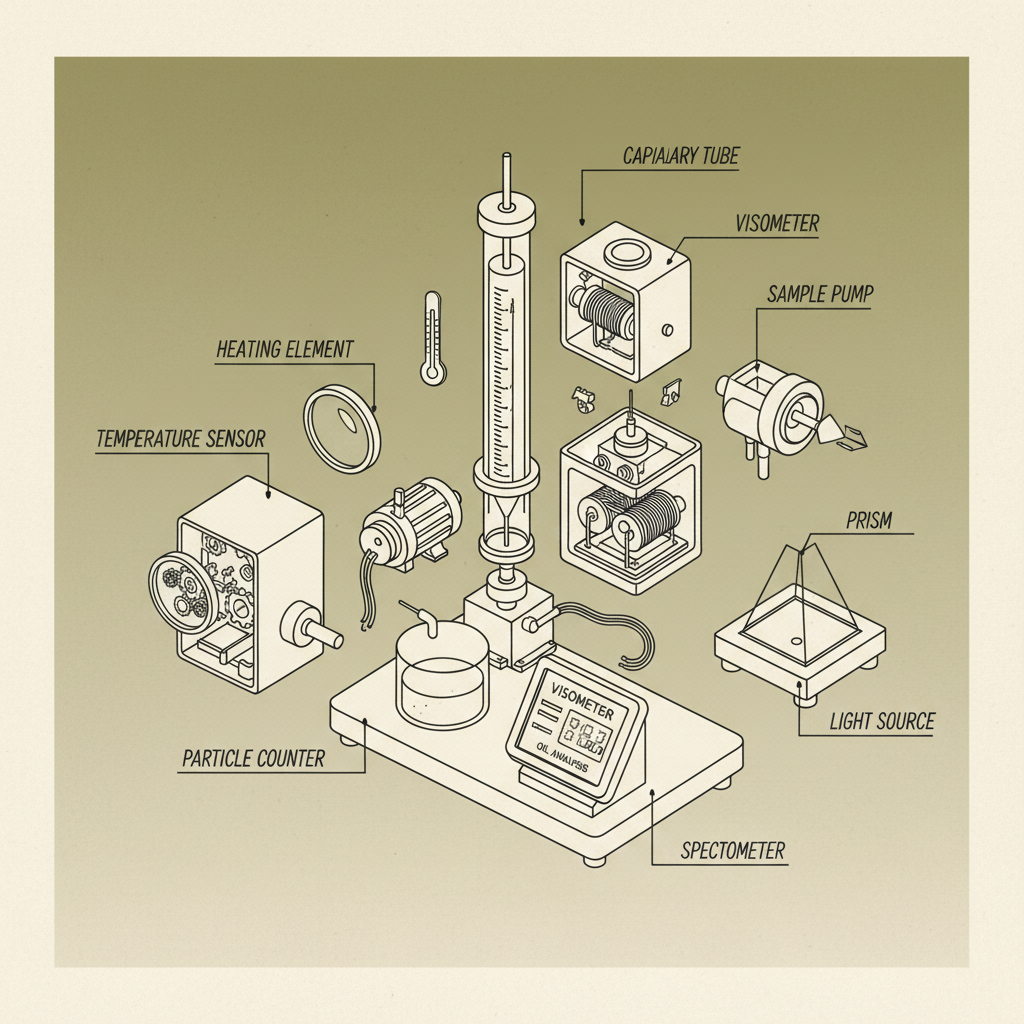
Furthermore, advancements in analytical techniques, such as spectroscopic methods, are allowing for more comprehensive oil analysis, identifying not only acidity but also other degradation products and contaminants. These innovations promise to enhance the accuracy and reliability of transformer oil testing.
Challenges and Solutions in Acidity Measurement
A common challenge is ensuring consistent results across different technicians and testing locations. Variations in technique and reagent handling can introduce errors. Standardization of testing procedures and comprehensive training programs are essential for mitigating this issue.
Another challenge is the subjective nature of color-coded indicators in some kits. Accurate interpretation of color changes requires proper lighting conditions and trained observers. The development of digital indicators and automated analysis systems can eliminate this subjectivity.
Finally, maintaining the integrity of reagents over time is crucial. Proper storage conditions and periodic reagent replacement are necessary to ensure accurate and reliable testing. Transformer oil acidity testing kit suppliers often offer reagent replacement programs.
Summary of Acidity Measurement Challenges & Solutions
| Challenge |
Impact on Accuracy |
Mitigation Strategy |
Implementation Cost (1-10) |
| Technician Variability |
Inconsistent results, unreliable data |
Standardized procedures, training |
4 |
| Subjective Color Interpretation |
Human error, inaccurate readings |
Digital indicators, automated analysis |
7 |
| Reagent Degradation |
Incorrect acidity levels, false positives |
Proper storage, regular replacement |
3 |
| Environmental Factors |
Temperature/humidity affect reading |
Conduct testing in controlled enviroment |
5 |
| Kit Calibration Drift |
Inaccurate measurements over time |
Periodic calibration with standards |
6 |
| Sample Contamination |
Skewed results, misdiagnosis |
Proper sample collection techniques |
2 |
FAQS
The lifespan of a kit depends on usage frequency and reagent storage. Reagents typically have a shelf life of 12-24 months when stored properly. The kit itself, if well-maintained, can last several years. However, it is crucial to replace reagents regularly for accurate results.
Testing frequency depends on transformer load, operating conditions, and oil quality history. As a general guideline, initial testing should be performed at commissioning and then at least annually. For critical transformers or those operating under harsh conditions, quarterly or even monthly testing may be necessary.
A high acidity level (typically above 0.3 mg KOH/g) indicates oil degradation and potential issues like oxidation, contamination, or overheating. It signals the need for further investigation, such as a full oil analysis, and potential maintenance interventions like oil filtration or replacement.
While primarily designed to measure acidity, some kits can provide a general indication of oil condition. However, a comprehensive oil analysis, conducted by a laboratory, is required to identify specific contaminants like water, sludge, and dissolved metals.
While many kits are designed for ease of use, basic training is recommended to ensure accurate and consistent results. Understanding the testing procedure, proper reagent handling, and interpretation of results is crucial for making informed maintenance decisions.
Always wear appropriate personal protective equipment (PPE), such as gloves and safety glasses, when handling oil and reagents. Avoid contact with skin and eyes. Dispose of used reagents and materials according to local regulations. Refer to the kit’s safety data sheet (SDS) for detailed safety information.
Conclusion
In conclusion, regular transformer oil acidity testing, made accessible by portable kits, is an indispensable component of proactive maintenance programs. The ability to monitor oil quality on-site, identify potential problems early, and implement preventative measures is crucial for ensuring the reliability, longevity, and sustainability of power transformers. Utilizing a transformer oil acidity testing kit represents a cost-effective and efficient investment in grid infrastructure.
Looking ahead, the integration of digital technologies and advanced analytical techniques will further enhance the capabilities of oil testing. By embracing these innovations, utilities and industrial facilities can optimize transformer performance, minimize downtime, and contribute to a more resilient and sustainable energy future. Visit our website at www.pushtester.com to learn more about our range of testing solutions.
 English