Transformer oil breakdown test is a critical procedure for assessing the health and reliability of electrical transformers. These tests determine the oil's insulating properties, identifying contaminants and degradation products that can compromise transformer performance and potentially lead to catastrophic failures. Understanding the results of a transformer oil breakdown test is paramount for proactive maintenance, extending transformer lifespan, and ensuring the stability of power grids globally.
The global reliance on electricity makes regular transformer maintenance, and crucially, transformer oil analysis, absolutely essential. According to the International Energy Agency (IEA), global electricity demand is expected to increase significantly in the coming decades, driving increased strain on existing power infrastructure. A breakdown in transformer function can cascade into widespread outages, impacting critical services and economic stability. Therefore, robust transformer oil breakdown tests are vital for mitigating these risks.
The increasing complexity of modern power systems and the integration of renewable energy sources further emphasize the need for accurate and reliable transformer oil breakdown tests. These tests contribute to grid resilience, minimize downtime, and optimize operational efficiency, directly supporting sustainable energy initiatives and enhancing overall energy security. A comprehensive understanding of transformer oil characteristics, revealed through this testing, enables informed decision-making in asset management and preventative maintenance strategies.
Introduction to Transformer Oil Breakdown Test
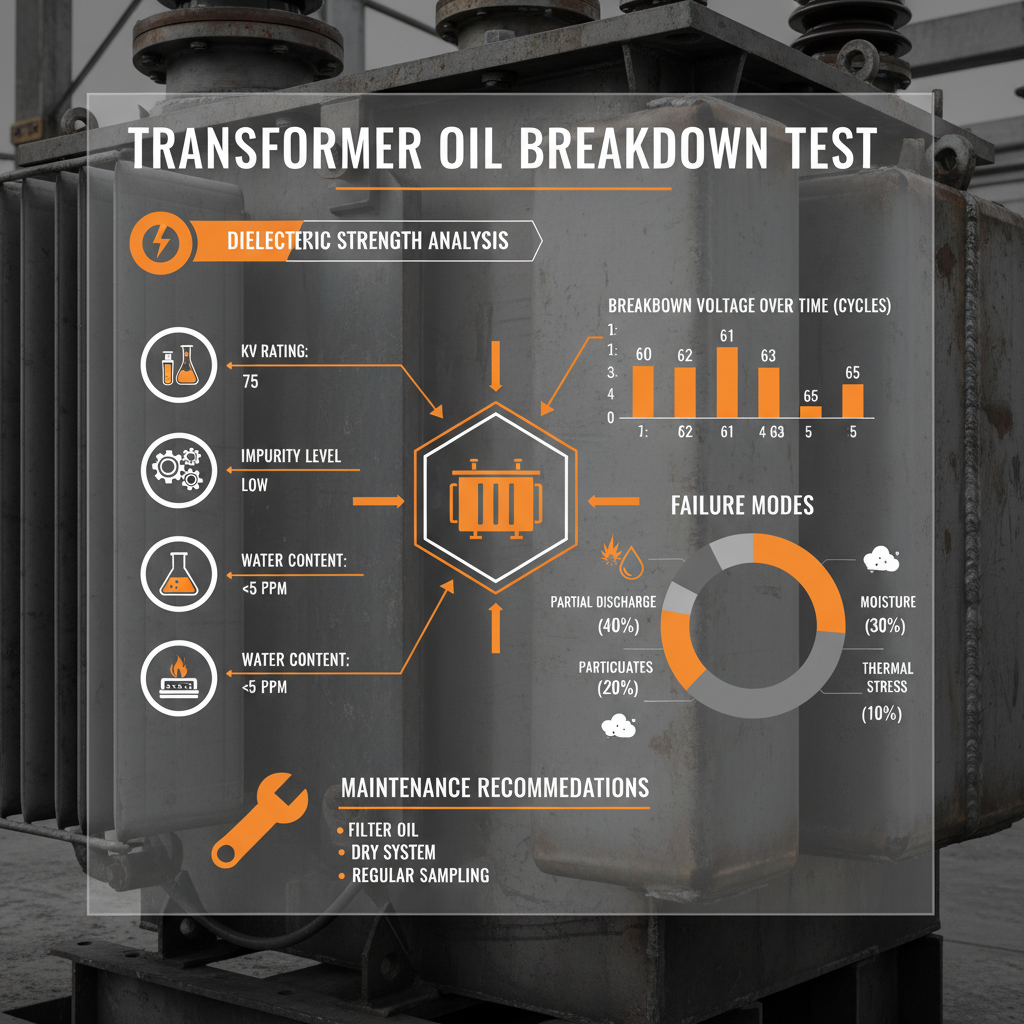
The purpose of a transformer oil breakdown test is to determine the dielectric strength of the insulating oil. This strength is the maximum voltage the oil can withstand before it experiences electrical breakdown, creating a conductive path. A lower breakdown voltage indicates the presence of contaminants or deterioration of the oil, which can significantly reduce the transformer’s operational safety.
Regular transformer oil breakdown tests are a cornerstone of preventative maintenance programs. They provide valuable insights into the condition of the transformer’s insulation system, allowing for timely intervention before serious faults develop. By identifying issues early, operators can avoid costly repairs, minimize downtime, and extend the service life of their transformers. This test is often coupled with other oil analysis techniques, like dissolved gas analysis, for a comprehensive assessment.
Defining Transformer Oil Breakdown Tests
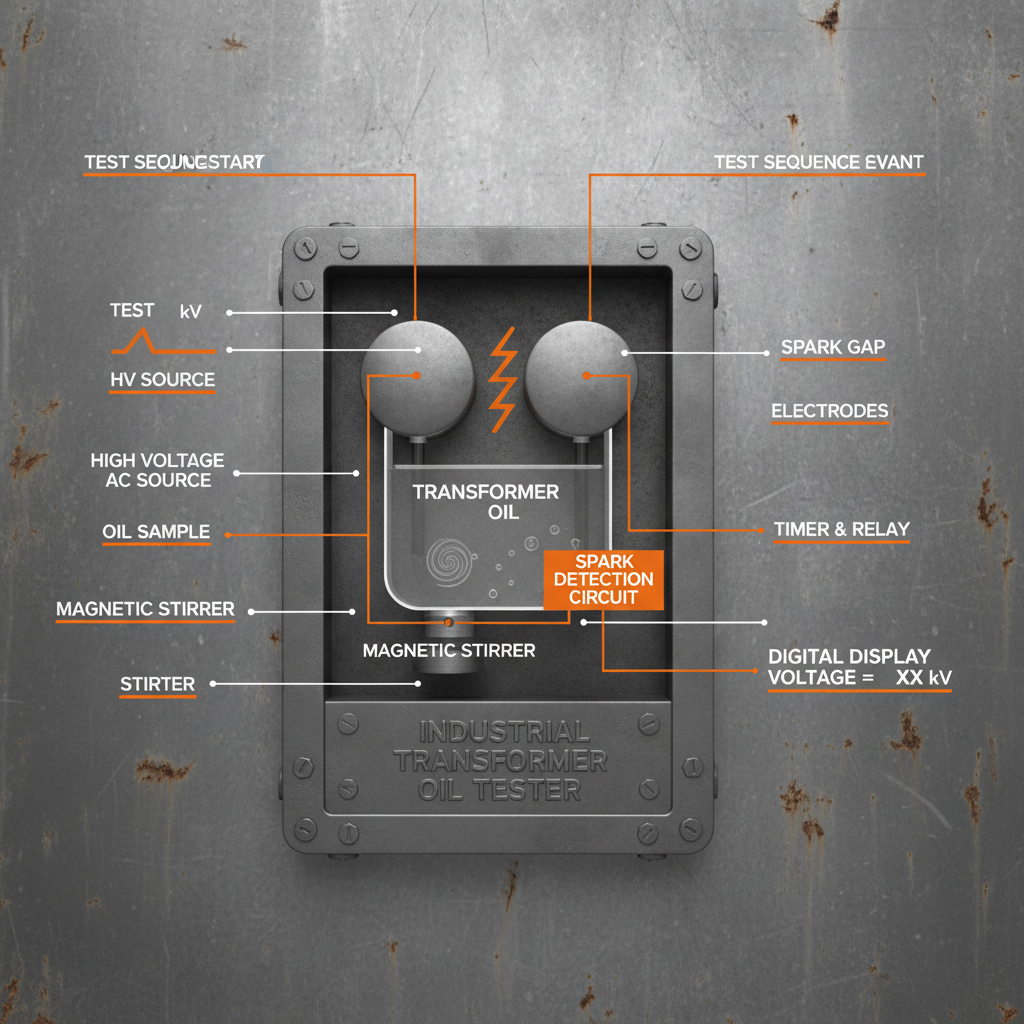
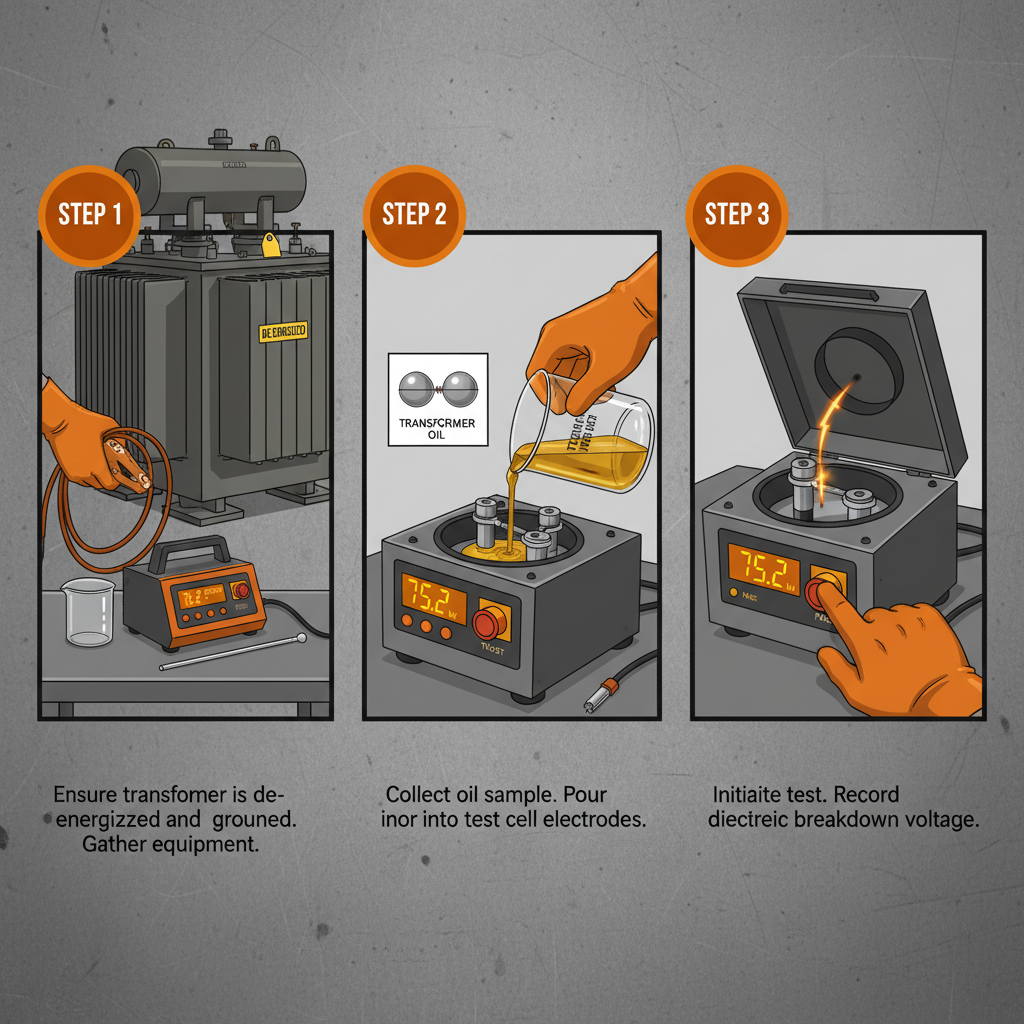
A transformer oil breakdown test, also known as dielectric breakdown voltage test, measures the maximum voltage that the transformer oil can withstand before it fails as an insulator. The test is conducted according to standards such as IEC 60156 and ASTM D877. It involves subjecting a standardized gap within a test cell filled with the transformer oil to an increasing voltage until a spark or arc-over occurs.
This test is crucial because transformer oil serves a dual purpose: it insulates internal components and helps to cool the transformer. Degradation of the oil reduces its ability to perform both functions effectively, increasing the risk of short circuits and thermal runaway. Identifying a reduced breakdown voltage allows for proactive measures to restore the oil’s insulating properties or replace it altogether.
The test isn't merely a pass/fail evaluation. The resulting breakdown voltage value provides a quantitative indicator of oil quality and allows for tracking changes over time. This trend analysis can reveal the rate of oil degradation and help predict potential failures before they occur. This is increasingly important in modern asset management strategies.
Core Components Influencing Breakdown Voltage
Several factors influence the breakdown voltage of transformer oil. Moisture content is a primary concern; even small amounts of water significantly reduce the oil's dielectric strength. Particulate contamination, including metallic particles, dust, and fibers, also lowers breakdown voltage by creating localized electric fields.
The presence of dissolved gases, such as oxygen and nitrogen, introduced during operation or due to oil degradation, also impacts breakdown voltage. Oil oxidation products, like acids and sludge, further diminish the oil's insulating capability. The condition of the paper insulation surrounding the windings is also intertwined with the oil’s performance – degraded paper releases particles that contaminate the oil.
Temperature significantly impacts breakdown voltage. As temperature increases, the oil’s viscosity decreases and its ability to resist electrical stress diminishes. Therefore, tests are often conducted at standardized temperatures to ensure consistent and comparable results. The oil's age and previous exposure to electrical stress also play a role in its overall breakdown performance.
Global Applications of Breakdown Testing
Transformer oil breakdown testing is universally applied across all sectors utilizing high-voltage transformers. Power generation facilities, including hydroelectric dams, thermal power plants, and nuclear power stations, routinely perform these tests to maintain grid stability. Transmission and distribution utilities rely heavily on this testing to assess the health of their transformer fleets and ensure reliable power delivery.
Industrial facilities, such as manufacturing plants, refineries, and data centers, depend on transformers to power their operations. Breakdown testing is integral to their preventative maintenance programs, minimizing downtime and protecting valuable equipment. In remote industrial zones, where access to maintenance personnel is limited, regular oil analysis provides a critical level of monitoring.
Furthermore, the growth of renewable energy sources, like solar and wind farms, necessitates robust transformer monitoring. These installations are often located in harsh environments, increasing the risk of oil contamination and degradation. Transformer oil breakdown tests are essential to ensure the long-term reliability of these critical infrastructure components.
Transformer Oil Breakdown Test Methods Comparison
Advantages of Proactive Breakdown Testing
Proactive transformer oil breakdown testing offers significant cost savings by preventing catastrophic failures that require expensive repairs or transformer replacement. Early detection of oil degradation allows for planned maintenance interventions, minimizing downtime and maintaining consistent power supply. This minimizes the loss of production or service interruptions.
From a sustainability perspective, extending the lifespan of transformers reduces the demand for new equipment manufacturing, conserving resources and minimizing environmental impact. Reduced energy consumption due to efficient transformer operation further contributes to sustainability goals. The enhanced reliability also improves safety, protecting personnel and assets.
Future Trends in Transformer Oil Analysis
The future of transformer oil analysis is shifting towards more sophisticated monitoring techniques. Online monitoring systems are emerging that provide real-time data on oil condition, enabling predictive maintenance and reducing the need for scheduled outages. These systems utilize sensors and data analytics to detect subtle changes in oil properties.
The development of advanced diagnostic tools, such as spectroscopic analysis and chromatographic techniques, will provide more detailed information about the oil’s composition and degradation products. Machine learning algorithms will be increasingly used to analyze data and predict potential failures with greater accuracy. These advancements will contribute to optimized asset management and improved grid reliability.
Common Challenges and Innovative Solutions
One challenge in transformer oil breakdown testing is ensuring consistent and accurate results across different laboratories and testing procedures. Variations in test cell design, electrode geometry, and testing standards can lead to discrepancies. Standardization efforts, such as those led by IEC and ASTM, are crucial to address this issue.
Another challenge is the interpretation of test results, particularly in complex cases where multiple factors contribute to oil degradation. Expert analysis and data correlation with other oil analysis techniques, like dissolved gas analysis, are essential for accurate diagnosis. The development of automated data analysis tools and expert systems can assist in this process.
Furthermore, the cost of advanced oil analysis techniques can be prohibitive for some utilities. Innovative solutions, such as portable testing devices and remote monitoring services, are becoming more accessible, providing cost-effective options for proactive transformer maintenance.
Overview of Common Issues Encountered During Transformer Oil Breakdown Testing
| Issue Category |
Impact on Results |
Severity Level (1-5) |
Recommended Action |
| Moisture Contamination |
Significant reduction in breakdown voltage. |
5 |
Oil drying or replacement. |
| Particulate Contamination |
Localized electric fields, decreased breakdown. |
4 |
Oil filtration and particle removal. |
| Dissolved Gas Levels |
Indicates oil degradation and potential faults. |
3 |
Monitor gas levels, assess oil condition. |
| Oil Oxidation Products |
Reduced dielectric strength and acidity. |
4 |
Oil regeneration or replacement. |
| Temperature Fluctuations |
Inconsistent breakdown voltage readings. |
2 |
Maintain standardized testing temperature. |
| Incorrect Test Procedure |
Invalid and unreliable results. |
5 |
Strict adherence to testing standards. |
FAQS
The frequency depends on transformer criticality, operating conditions, and historical data. Generally, a breakdown test is recommended annually for critical transformers or those operating under heavy load. Less critical transformers may be tested every 2-3 years. Following abnormal conditions like lightning strikes or overloads, an immediate test is crucial. Regular analysis ensures you catch degradation early and maintain optimal performance.
Low readings typically point to contamination – moisture, particles, or dissolved gases – or oil degradation due to oxidation and aging. This reduces the oil's insulating properties. It doesn't necessarily mean immediate replacement is needed but warrants further investigation. A full oil analysis, including dissolved gas analysis (DGA) and interfacial tension measurement, is recommended to pinpoint the cause and determine appropriate action.
Yes, in many cases. Oil reconditioning processes like filtration, dehydration, and degasification can remove contaminants and restore the oil's dielectric strength. However, if the oil is severely degraded or contaminated with insoluble byproducts, replacement may be more practical and cost-effective. The decision depends on the extent of the degradation and the cost of reconditioning versus replacement.
The primary standards are IEC 60156 (Guidelines for determining the dielectric strength) and ASTM D877 (Standard Test Method for Dielectric Breakdown Voltage of Insulating Liquids). These standards outline the test procedures, equipment requirements, and interpretation of results. Adhering to these standards ensures consistent and reliable data, facilitating comparison between different tests and laboratories.
Moisture is one of the most significant factors reducing breakdown voltage. Water has a much lower dielectric strength than oil, and even small amounts can create conductive paths. Moisture also accelerates oil degradation and promotes corrosion. Keeping moisture levels within acceptable limits, typically below 25 ppm, is crucial for maintaining the oil’s insulating properties and transformer reliability.
High voltages are involved, so strict safety protocols are essential. Personnel must be properly trained and wear appropriate personal protective equipment (PPE), including insulated gloves and clothing. The test area should be clearly demarcated, and access restricted to authorized personnel. Equipment should be regularly inspected and maintained to prevent electrical hazards.
Conclusion
In conclusion, transformer oil breakdown testing remains a vital component of proactive transformer maintenance, ensuring the reliable and efficient delivery of power. Understanding the factors influencing breakdown voltage, employing standardized testing procedures, and interpreting results accurately are crucial for preventing costly failures and extending transformer lifespan. By embracing advanced monitoring techniques and innovative solutions, we can further enhance grid resilience and sustainability.
Looking ahead, the integration of real-time data analysis and predictive modeling will revolutionize transformer oil monitoring. Investing in skilled personnel and advanced diagnostic tools will enable utilities and industrial facilities to optimize their maintenance strategies and minimize downtime. Visit our website at www.pushtester.com to learn more about our comprehensive transformer oil analysis services and innovative testing solutions.
 English