EnglishEnglish
0%

Table of Contents

The realm of chemical engineering often requires precise separation and purification techniques. An oil distillation kit plays a crucial role in achieving this, enabling the isolation of specific components from complex mixtures. From the energy sector to flavor and fragrance industries, the principles and applications of distillation are far-reaching. Understanding these kits, their function, and their potential is paramount for students, professionals, and anyone involved in processes requiring separation technology.

Globally, the demand for efficient and reliable distillation methods continues to grow. This stems from an increasing need for higher purity compounds, improved resource utilization, and sustainable production practices. The oil distillation kit provides a versatile solution, adaptable to various scales and applications. According to the UN Industrial Development Organization (UNIDO), promoting access to efficient separation technologies is critical for developing nations aiming for industrial growth and economic diversification.

The challenges associated with raw material sourcing, stringent quality control, and the environmental impact of traditional processes necessitate the implementation of effective distillation techniques. Utilizing oil distillation kits is instrumental in addressing these issues and achieving desired results.
Comprehensive Guide to Oil Distillation Kits and Their Diverse Applications

Introduction to Oil Distillation Kits

Comprehensive Guide to Oil Distillation Kits and Their Diverse Applications

An oil distillation kit is more than just a collection of glassware; it’s a gateway to understanding fundamental chemical engineering principles. These kits allow for the controlled heating and condensation of liquids, separating components based on their boiling points. This process finds use in a wide spectrum of applications, from essential oil extraction to refining crude oil.

The portability and relative ease of use of modern oil distillation kits make them indispensable tools for both educational and industrial purposes. They provide a hands-on approach to learning separation techniques and enable efficient, small-scale production of purified substances.

Defining Oil Distillation Kits

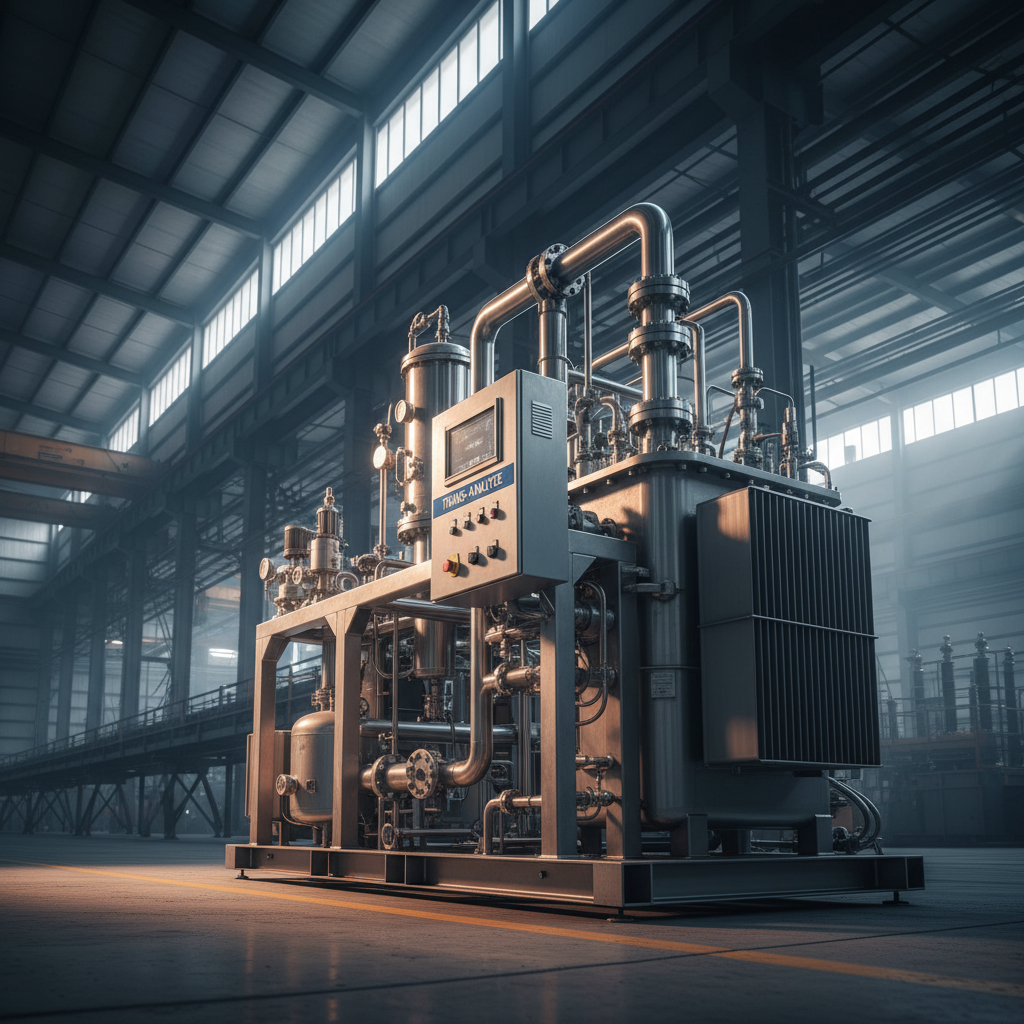
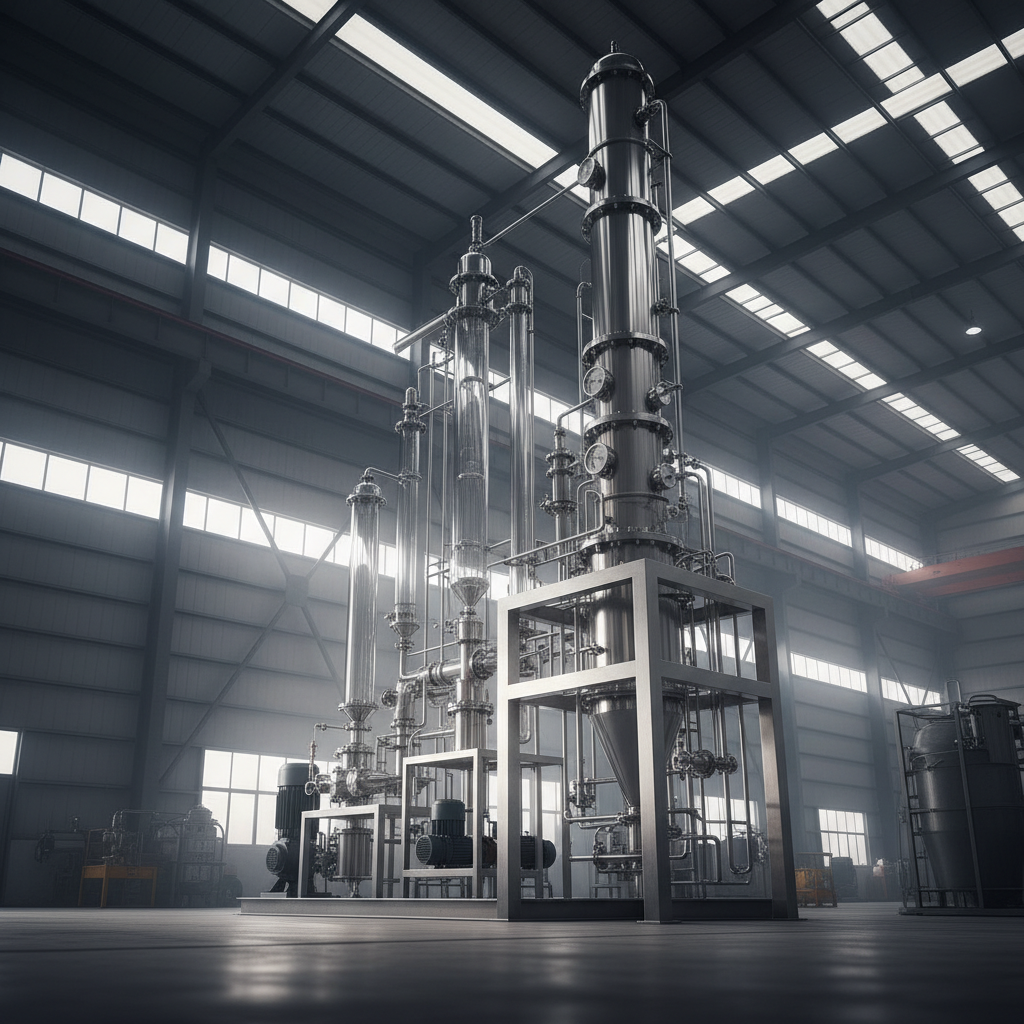
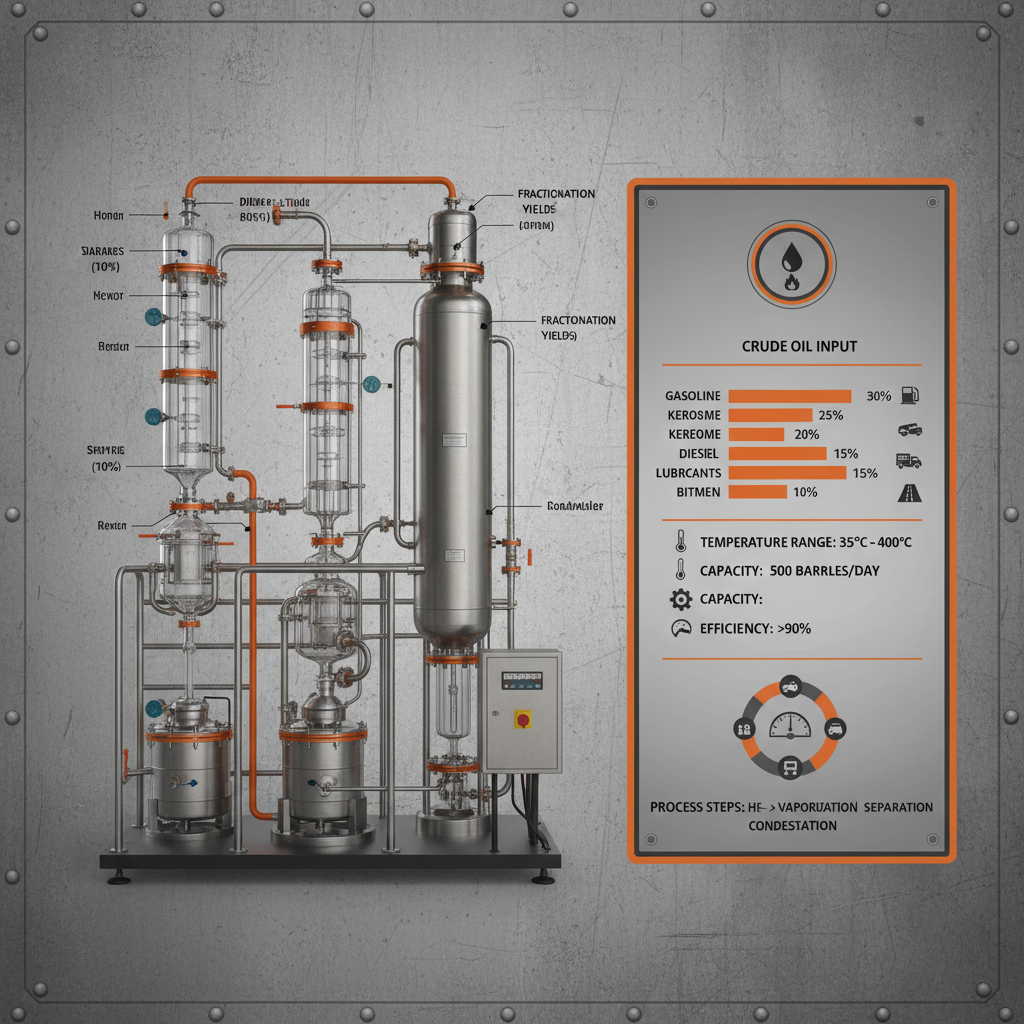
At its core, an oil distillation kit is a self-contained system designed to perform fractional distillation. This involves heating a liquid mixture and collecting the vapors as they condense at different temperatures. The kit typically includes a heat source, distillation flask, condenser, receiving flask, and connecting tubing.

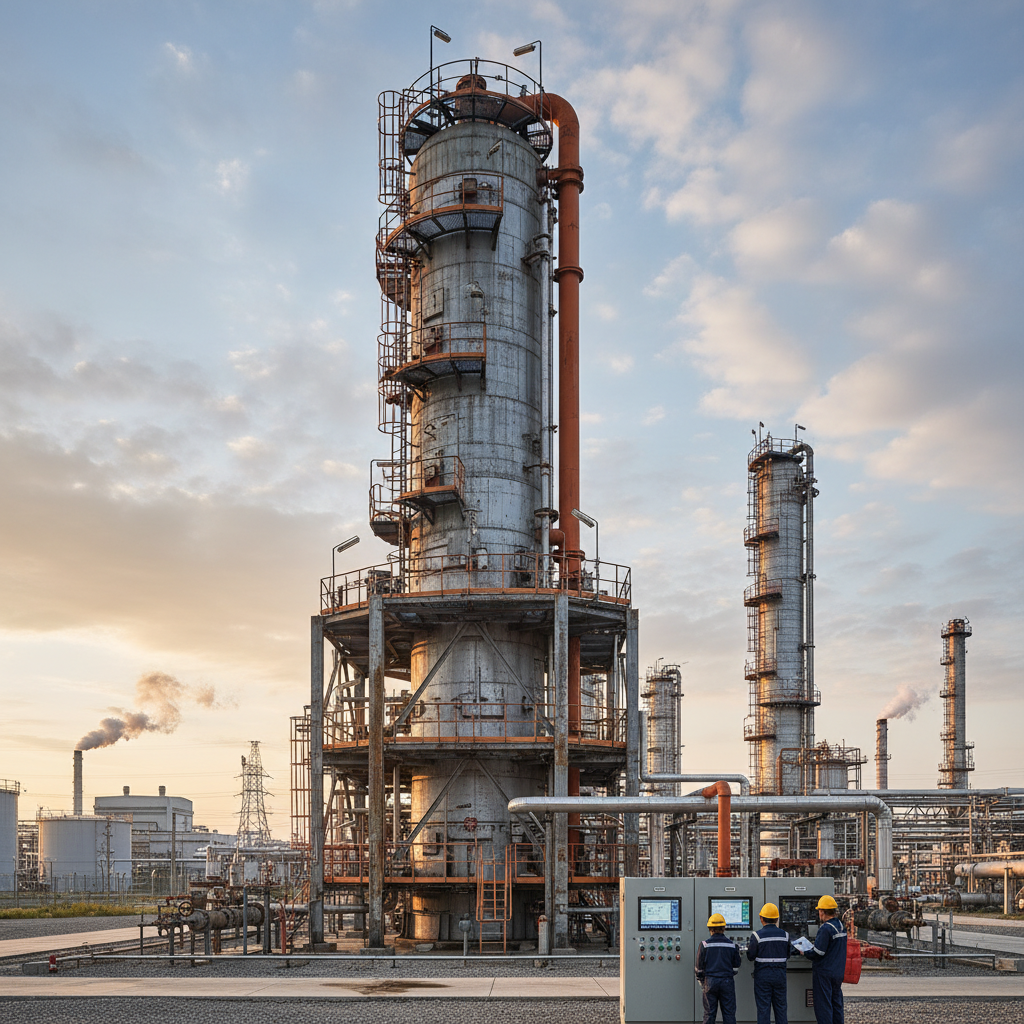
The connection between these kits and modern industry is direct. Many industrial processes, such as petroleum refining and the production of alcoholic beverages, are scaled-up versions of the principles demonstrated by a basic oil distillation kit. It's a foundational technology with far-reaching impact.

Furthermore, these kits serve a critical humanitarian need. In remote areas or disaster relief situations, they can provide a means to purify water, extract valuable resources from natural products, or even produce essential medical compounds.

Core Components and Features

Durability is a key aspect of any good oil distillation kit. Kits constructed with high-quality borosilicate glass are resistant to thermal shock and chemical corrosion, ensuring longevity and safe operation. The quality of the seals and fittings also significantly impacts the kit’s reliability.

Scalability refers to the kit's adaptability to different batch sizes. While most kits are designed for laboratory-scale operations, the underlying principles can be applied to larger-scale distillation columns with appropriate modifications. This inherent scalability is a major advantage.

Cost-efficiency is another vital consideration. A well-designed kit balances performance with affordability, providing a cost-effective solution for both education and small-scale production. The availability of replacement parts and ease of maintenance contribute to its overall cost-effectiveness.

Practical Applications Across Industries

The application of oil distillation kits is remarkably diverse. In the pharmaceutical industry, they are used for purifying solvents and isolating active pharmaceutical ingredients. In the food and beverage sector, distillation is essential for producing essential oils, flavoring extracts, and alcoholic spirits.

In post-disaster relief operations, portable oil distillation kits can be employed to purify contaminated water sources, providing safe drinking water to affected populations. Similarly, in remote industrial zones, they facilitate the on-site purification of chemicals and solvents, reducing reliance on external supply chains.

Distillation Efficiency Comparison: Oil Distillation Kit Methods


Advantages and Long-Term Value Proposition

The most tangible benefit of utilizing an oil distillation kit is the cost savings achieved through in-house purification. Reducing reliance on external suppliers minimizes expenses and improves control over product quality.

From a sustainability perspective, the ability to recycle and reuse solvents through distillation reduces waste and minimizes environmental impact. This aligns with growing global trends towards circular economy models.

Future Trends and Technological Advancements

The integration of automation into oil distillation kits is a key emerging trend. Automated temperature control, data logging, and fraction collection systems enhance precision, reproducibility, and efficiency. Digital transformation is reshaping this space.

Research into new materials, such as advanced polymers and ceramic components, is leading to the development of distillation kits that are even more resistant to corrosion and capable of operating at higher temperatures.

Green energy-powered distillation systems, utilizing solar or renewable energy sources, are gaining traction as a means of reducing the carbon footprint of distillation processes.

Common Challenges and Innovative Solutions

A common challenge with oil distillation kits is maintaining consistent temperature control, especially during larger-scale distillations. Innovative solutions include the use of feedback control systems and precise heating mantles.

Another limitation is the potential for bumping or foaming during distillation, which can lead to loss of product and safety concerns. Employing anti-bumping granules and careful control of the heating rate can mitigate these issues.

Addressing the handling of hazardous solvents requires robust safety protocols and proper ventilation. Utilizing closed-loop distillation systems and employing appropriate personal protective equipment are essential for ensuring operator safety.

Analysis of Key Parameters in Oil Distillation Kit Performance

Distillation Method Purity Achieved (%) Processing Time (Hours) Energy Consumption (kWh)
Simple Distillation 75% 4 2.5
Fractional Distillation 95% 6 3.2
Vacuum Distillation 98% 8 4.0
Steam Distillation 85% 5 2.8
Azeotropic Distillation 99% 7 3.5
Molecular Distillation 99.5% 10 5.0

FAQS

What are the key safety precautions when using an oil distillation kit?

Safety is paramount when working with distillation kits. Always wear appropriate personal protective equipment (PPE), including safety glasses, gloves, and a lab coat. Ensure adequate ventilation to prevent the buildup of flammable vapors. Never heat a closed system, as this can lead to a dangerous pressure buildup. Handle hot glassware with care and be mindful of potential fire hazards. Proper disposal of chemical waste is also essential.

How do I choose the right size oil distillation kit for my needs?

The appropriate size depends on the volume of liquid you need to distill. For small-scale laboratory experiments, a 50-100 mL distillation flask is usually sufficient. For larger-scale applications, you may need a kit with a larger flask (e.g., 500 mL or 1 L). Consider the boiling point of the liquids you'll be distilling, as this can influence the choice of condenser size and cooling capacity.

What is the difference between simple and fractional distillation?

Simple distillation is used to separate liquids with significantly different boiling points. Fractional distillation, on the other hand, utilizes a fractionating column to improve separation efficiency for liquids with closer boiling points. The fractionating column provides a larger surface area for condensation and re-evaporation, leading to a purer separation of components. A fractional oil distillation kit will include this column.

How do I prevent bumping during distillation?

Bumping occurs when superheated liquid suddenly boils violently. To prevent it, use anti-bumping granules (boiling chips) in the distillation flask. These provide nucleation sites for bubble formation, allowing for a smoother, more controlled boiling process. Slowly increase the heating rate to avoid sudden temperature spikes. Ensure the system isn't sealed.

How do I clean and maintain my oil distillation kit?

After each use, thoroughly clean all glassware with an appropriate solvent. Inspect for cracks or chips and replace any damaged components. Store the kit in a dry, safe place. Periodically check the seals and connections to ensure they are tight and leak-proof. Follow the manufacturer's instructions for specific cleaning and maintenance procedures.

Can I use an oil distillation kit to purify water?

Yes, distillation is an effective method for purifying water. By boiling the water and condensing the steam, you can remove dissolved salts, minerals, and other contaminants. However, ensure the kit is clean and that the cooling water for the condenser is sufficiently cold to condense all the steam. Consider using activated carbon filtration after distillation for improved taste and odor.

Conclusion

In conclusion, an oil distillation kit represents a versatile and invaluable tool across numerous disciplines. From education and research to industrial applications and emergency relief, its ability to efficiently separate and purify substances is fundamental. Understanding the components, principles, and best practices associated with these kits empowers users to achieve reliable results and unlock significant cost savings and sustainability benefits.

Looking forward, the integration of automation and sustainable practices will continue to drive innovation in distillation technology. Investing in a quality oil distillation kit is not just a purchase of equipment, but an investment in knowledge, efficiency, and a commitment to responsible chemical practices. Visit our website: www.pushtester.com.

David Miller

David Miller

David Miller is a Senior Research Engineer at Baoding Push Electrical Appliance Manufacturing Co., Ltd., specializing in the development of advanced oil testing equipment. He joined the company in 2015, bringing with him a strong background in electrical engineering and a passion for technological innovation. David is a key contributor
Previous Understanding Oil Distillation Plant Operations for a Sustainable Future
Next Comprehensive Guide to Distillation Testers Applications and Advancements