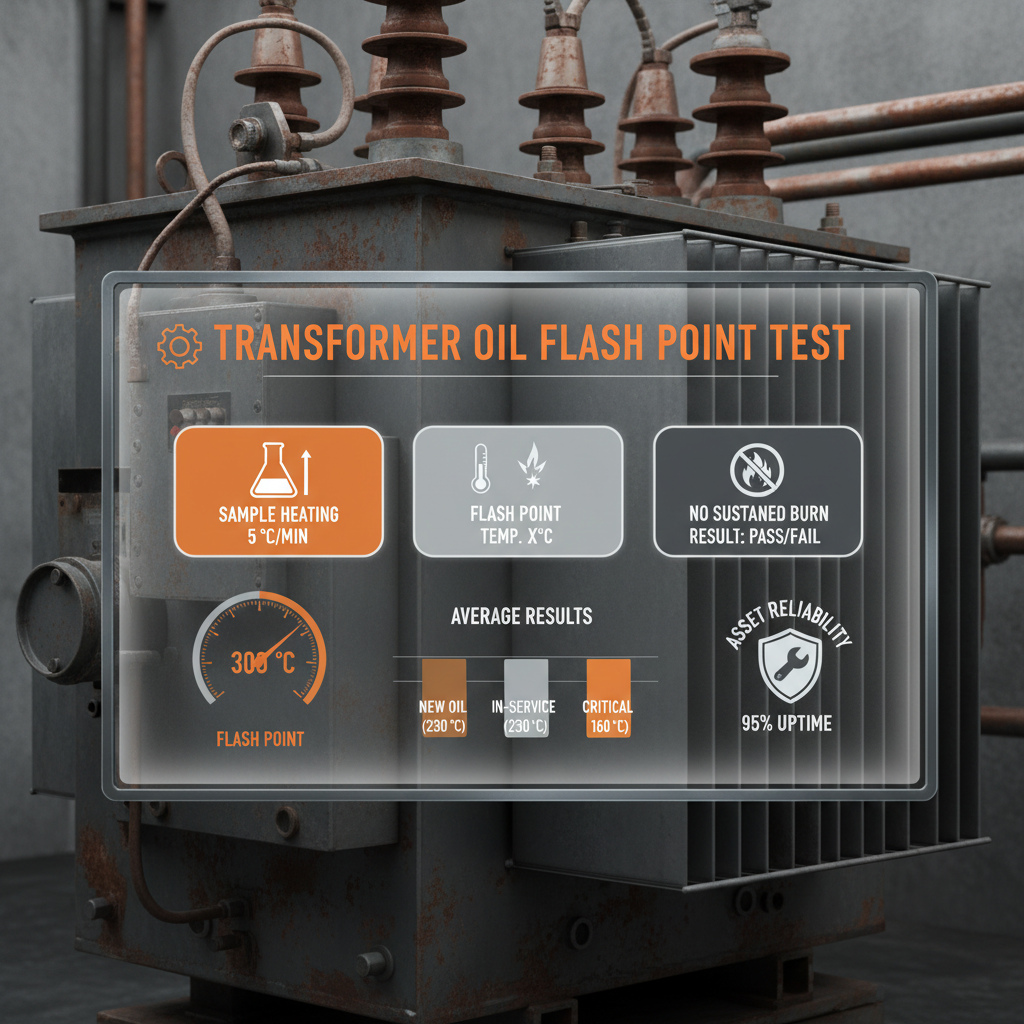
Insulating oil testers are critical tools in maintaining the reliability and safety of electrical infrastructure, particularly transformers. Globally, the demand for electricity continues to rise, placing immense strain on aging power grids. These testers allow for proactive identification of degradation in insulating oil, preventing catastrophic failures and costly downtime. Understanding the principles and applications of an insulating oil tester is therefore paramount for ensuring a stable and secure energy supply.
The importance of insulating oil testing stems from the vital role oil plays in transformer operation. Oil serves as both a coolant and an insulator, protecting sensitive components from overheating and electrical breakdown. Regular testing using an insulating oil tester helps to detect contaminants like water, oxygen, and byproducts of oil degradation. This enables timely maintenance, extending the lifespan of transformers and reducing the risk of disruptions to power distribution.
Modern power systems are increasingly complex, incorporating renewable energy sources and smart grid technologies. Maintaining the integrity of these systems relies heavily on the condition of the transformers, and therefore on the reliable assessment provided by insulating oil testers. The ability to quickly and accurately analyze oil characteristics is essential for optimizing performance and preventing failures in this evolving landscape.
The Importance of Insulating Oil Testing
The integrity of insulating oil is directly linked to the operational lifespan and reliability of transformers. Regular testing allows utilities to proactively identify potential issues before they escalate into major failures, saving significant costs in repairs and downtime. The economic impact of unplanned outages can be substantial, making consistent insulating oil tester usage a sound investment.
Furthermore, the environmental consequences of transformer failures—such as oil spills and the release of harmful substances—highlight the importance of preventative maintenance. Implementing a robust oil testing program demonstrates a commitment to responsible environmental stewardship and reduces the risk of environmental damage.
Defining Insulating Oil Testing
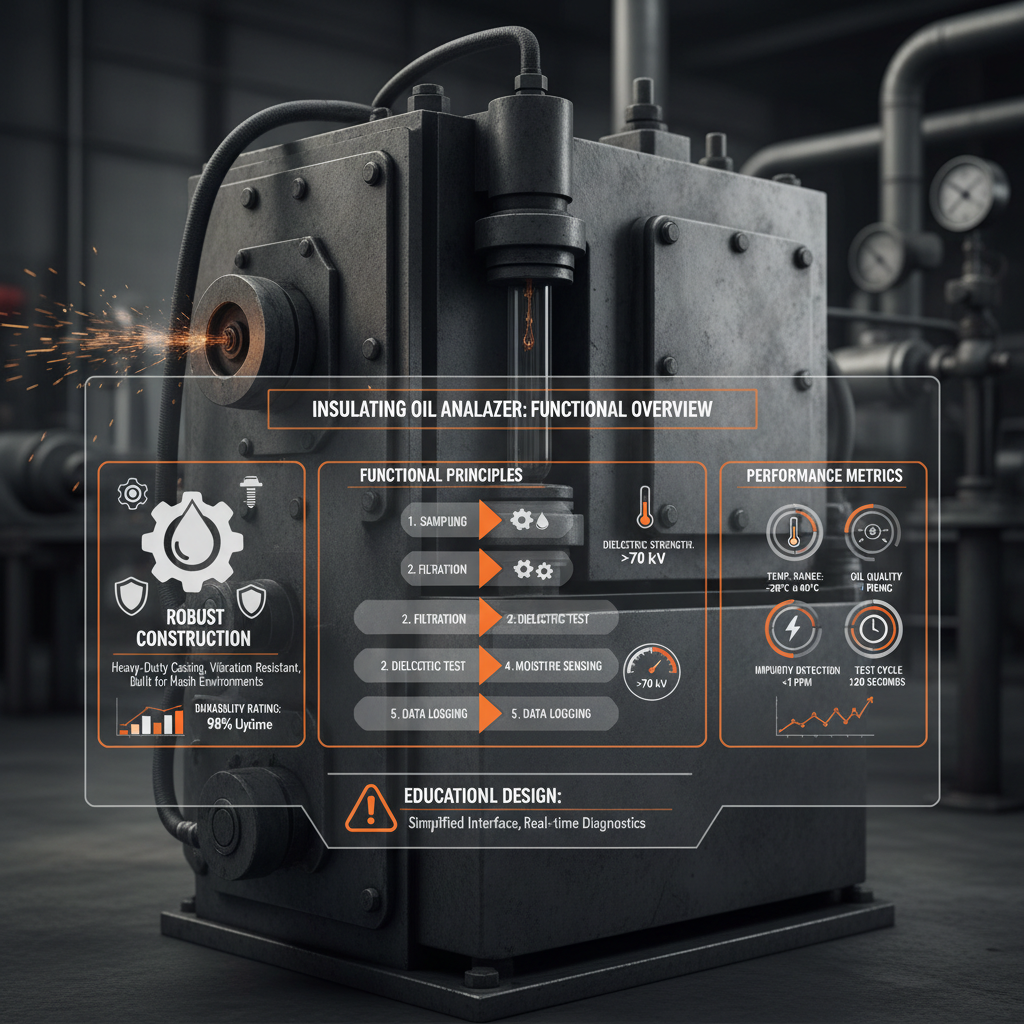
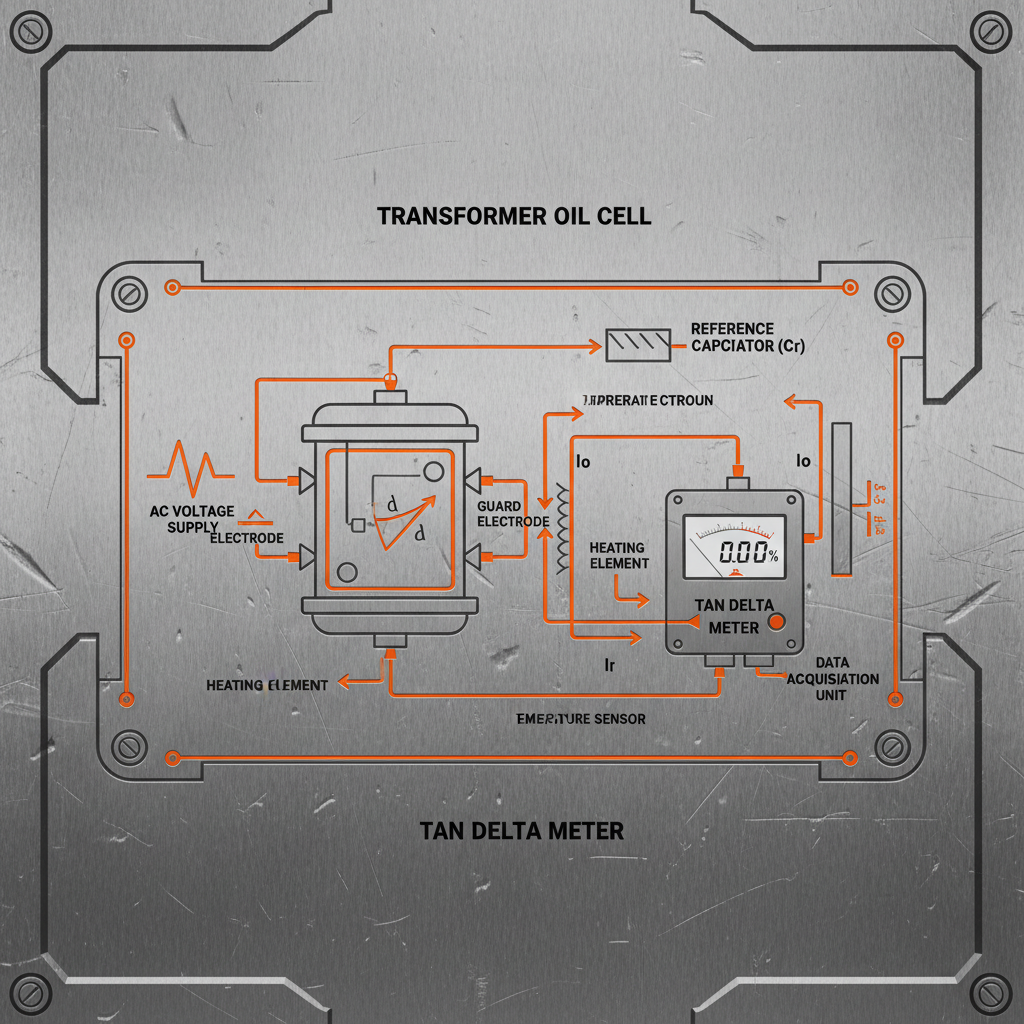
Insulating oil testing encompasses a range of analytical procedures designed to evaluate the condition of the oil used in transformers and other high-voltage equipment. These tests assess parameters such as dielectric strength, water content, acidity, dissolved gas levels, and the presence of contaminants like particulate matter. The data obtained provides a comprehensive picture of the oil’s ability to effectively insulate and cool the transformer.
This process directly supports the stability of power distribution networks worldwide. From providing electricity to homes and businesses to powering critical infrastructure, reliable transformers are fundamental. Precise and timely oil analysis, enabled by an insulating oil tester, allows for informed maintenance decisions.
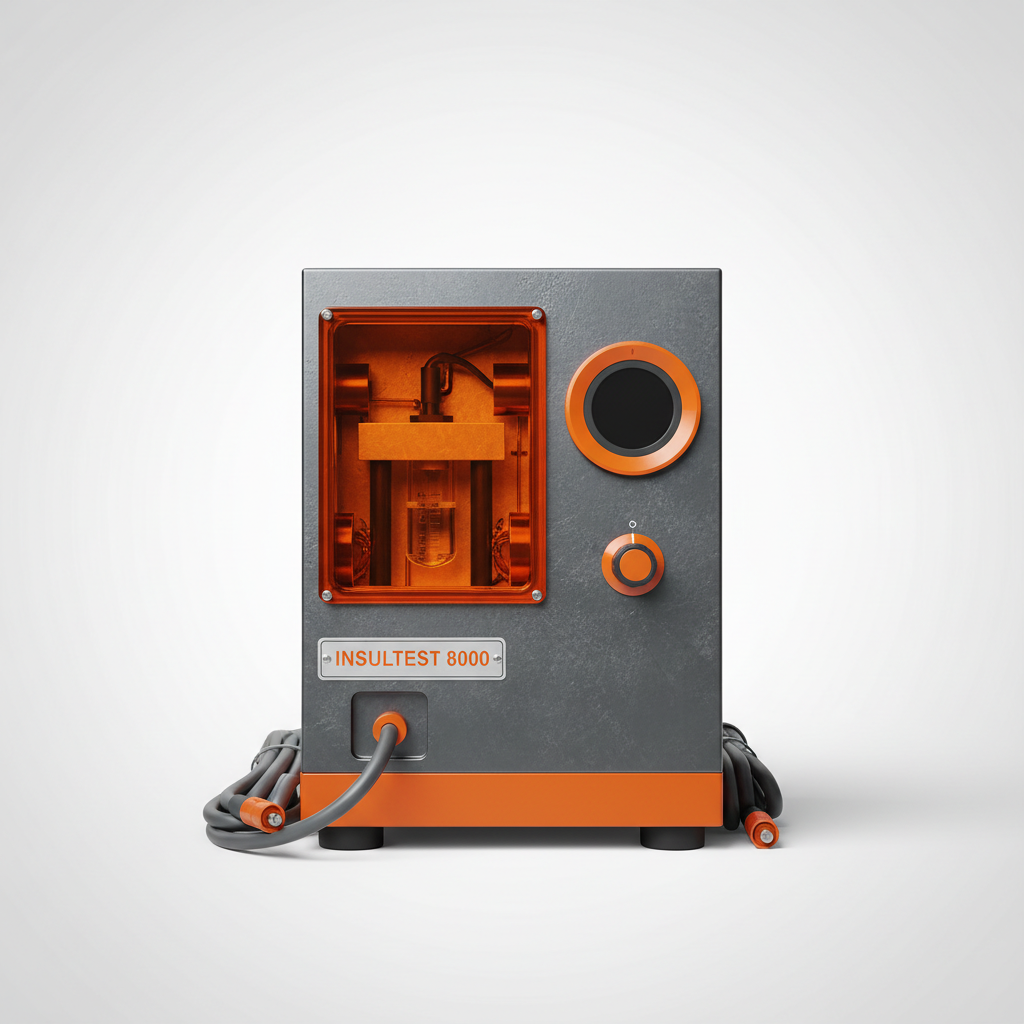
Modern insulating oil testers are capable of performing multiple tests in a single, portable unit, reducing the time and complexity associated with oil analysis. They are vital for maintaining the stability and safety of the electrical grid.
Key Factors in Insulating Oil Tester Performance
Accuracy and Precision: A reliable insulating oil tester must deliver accurate and repeatable results. Calibration and adherence to industry standards (like IEC and ASTM) are crucial for ensuring data integrity. Consistent readings enable effective trend analysis and informed decision-making.
Testing Capabilities: The breadth of tests an insulating oil tester can perform is a key consideration. Comprehensive testers can measure dielectric breakdown voltage, water content, acidity, dissolved gas analysis (DGA), and interfacial tension, providing a complete assessment of oil condition.
Ease of Use and Portability: Field technicians need testers that are easy to operate and transport. User-friendly interfaces, intuitive software, and lightweight designs enhance efficiency and reduce the potential for errors. Portability is vital for testing transformers in remote locations.
Practical Applications of Insulating Oil Testers
Insulating oil testers are used extensively in preventative maintenance programs for power utilities, industrial facilities, and railway systems. Regular testing identifies deteriorating oil conditions before they lead to transformer failures. Early detection enables scheduled maintenance and avoids costly emergency repairs.
Beyond routine maintenance, insulating oil testers are invaluable during transformer commissioning and acceptance testing. They ensure that the oil meets specified quality standards before the transformer is put into service. This proactive step minimizes the risk of premature failures and extends the equipment’s operational life.
Comparison of Insulating Oil Tester Methods
Global Applications and Industry Use Cases
Power utilities worldwide rely heavily on insulating oil testers to ensure the reliable delivery of electricity. From large-scale national grids to local distribution networks, regular oil analysis is a cornerstone of preventative maintenance.
Industrial facilities, such as petrochemical plants and manufacturing sites, also utilize transformers for critical power supply. These industries require high levels of operational reliability, making oil testing an essential component of their maintenance programs. Remote industrial zones often depend on mobile testing labs equipped with portable insulating oil testers.
Advantages and Long-Term Value Proposition
Employing an insulating oil tester provides a tangible return on investment through reduced downtime, extended equipment lifespan, and minimized repair costs. Proactive maintenance is significantly less expensive than reactive repairs. The ability to identify and address potential problems before they escalate safeguards critical assets and ensures continuous operation.
Furthermore, consistent oil quality contributes to greater energy efficiency. Properly maintained transformers operate more effectively, reducing energy losses and lowering operating costs. This provides both economic and environmental benefits, aligning with sustainability goals.
The long-term value lies in building trust and confidence in the power infrastructure. Regular testing demonstrates a commitment to safety and reliability, fostering public trust and supporting economic stability.
Future Trends and Innovations in Insulating Oil Testing
The future of insulating oil testing is focused on incorporating advanced sensor technologies and data analytics. Real-time oil monitoring systems, utilizing embedded sensors and wireless communication, will provide continuous data streams for proactive maintenance. This allows for predictive analytics and optimized maintenance schedules.
Artificial intelligence (AI) and machine learning (ML) algorithms will play an increasingly important role in analyzing oil test data. These algorithms can identify subtle patterns and anomalies that might be missed by human operators, enabling even more precise and proactive maintenance. The development of more portable and automated insulating oil testers will also broaden their applicability.
Integration with digital twin technology, creating virtual representations of transformers, will further enhance the predictive capabilities of oil testing. Digital twins enable simulations and scenario planning, optimizing maintenance strategies and maximizing equipment lifespan.
Overview of Factors Influencing Insulating Oil Quality
| Contaminant Type |
Impact on Oil Quality |
Detection Method |
Mitigation Strategy |
| Water |
Reduces dielectric strength, promotes oxidation |
Karl Fischer titration |
Oil drying, seal repairs |
| Oxygen |
Accelerates oil oxidation and sludge formation |
Dissolved gas analysis (DGA) |
Nitrogen blanketing, antioxidant additives |
| Particulate Matter |
Reduces dielectric strength, accelerates wear |
Particle count analysis |
Filtration, improved sealing |
| Acidity |
Corrosion of metallic components |
Acid number test |
Oil neutralization, oil replacement |
| Dissolved Gases |
Indicates oil degradation and transformer faults |
Dissolved Gas Analysis (DGA) |
Oil degassing, fault investigation |
| Sludge & Deposits |
Reduces cooling efficiency, blocks oil flow |
Visual inspection, oil analysis |
Oil filtration, oil replacement |
FAQS
The frequency of testing depends on the transformer’s age, load, and environmental conditions. Generally, routine tests like dielectric strength and water content should be performed annually. More comprehensive tests, such as DGA, may be required every 2-5 years, or after significant operational events. Consult industry standards and manufacturer recommendations for specific guidelines.
Water significantly reduces the dielectric strength of insulating oil, making it more susceptible to electrical breakdown. Even small amounts of water can compromise the oil’s insulating properties. Water also accelerates oil oxidation, leading to the formation of sludge and acids. Regular water content testing is crucial for maintaining oil quality.
DGA measures the levels of various gases dissolved in the insulating oil, including hydrogen, nitrogen, oxygen, carbon dioxide, methane, ethane, ethylene, acetylene, and carbon monoxide. Analyzing the types and concentrations of these gases provides valuable insights into the condition of the transformer’s internal components and potential fault conditions.
Dielectric breakdown voltage testing assesses the oil's ability to withstand electrical stress. A low breakdown voltage indicates contamination or degradation, increasing the risk of electrical failure. This test is a critical indicator of the oil’s insulating capacity and overall transformer health.
Some advanced insulating oil testers are equipped with sensors to detect the presence of polychlorinated biphenyls (PCBs), which are harmful environmental pollutants. However, accurate PCB detection often requires specialized laboratory analysis.
Interpreting oil test results requires a thorough understanding of industry standards and transformer specifications. Consult with a qualified electrical engineer or oil analysis expert to assess the data and recommend appropriate maintenance actions. Trending the results over time is also crucial for identifying potential issues early on.
Conclusion
In conclusion, consistent and accurate insulating oil testing is vital for ensuring the reliability, safety, and longevity of transformers and electrical infrastructure. The benefits extend beyond simple preventative maintenance, encompassing cost savings, environmental responsibility, and the stability of power grids globally. Utilizing an insulating oil tester is not just a best practice, it’s a necessity for modern power management.
As technology continues to advance, embracing innovations like real-time monitoring and AI-powered analysis will further enhance the effectiveness of oil testing programs. Proactive investment in these tools and expertise will be crucial for navigating the challenges of an evolving energy landscape and ensuring a secure and sustainable power future. Visit our website to explore our range of insulating oil testers.
 English